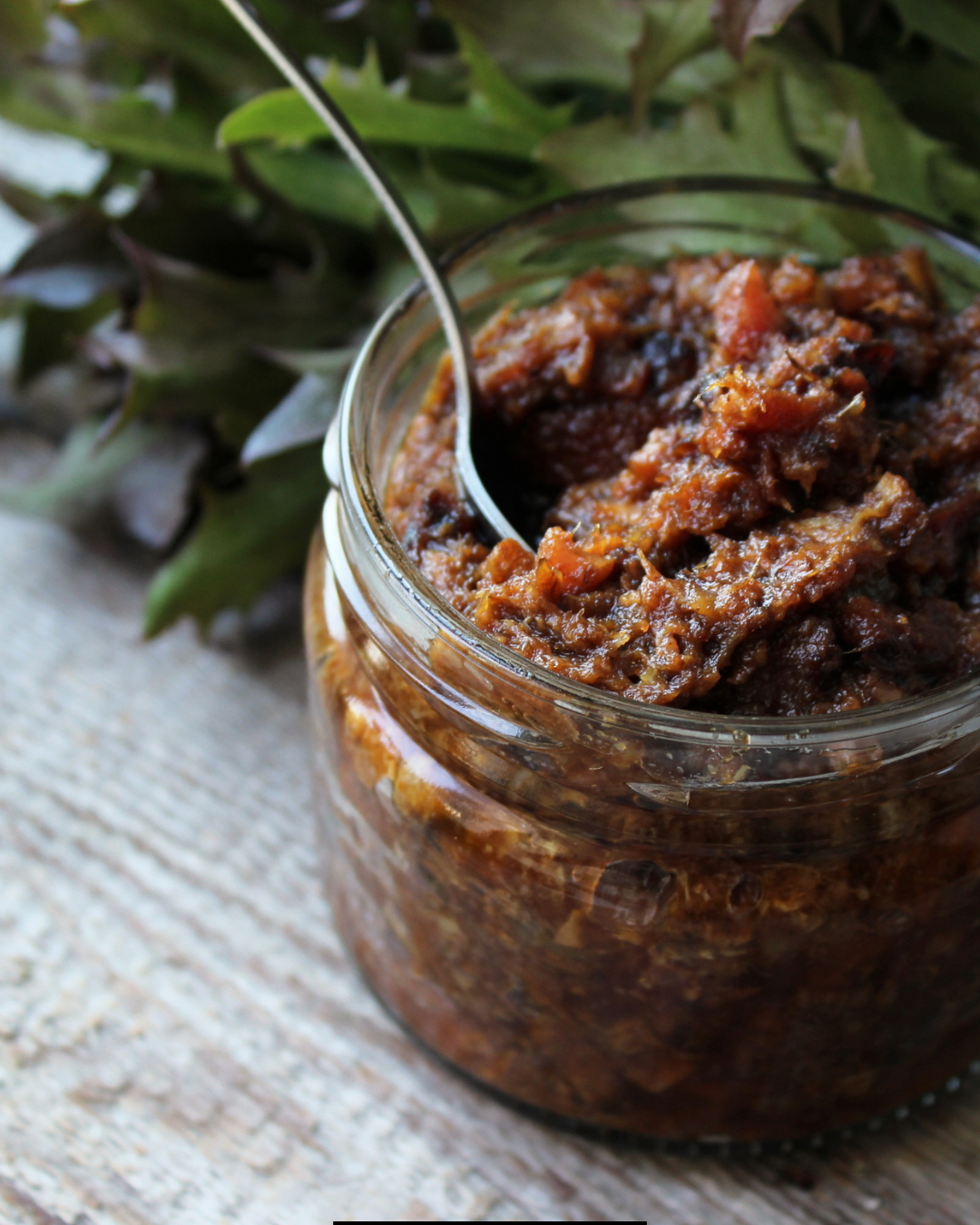
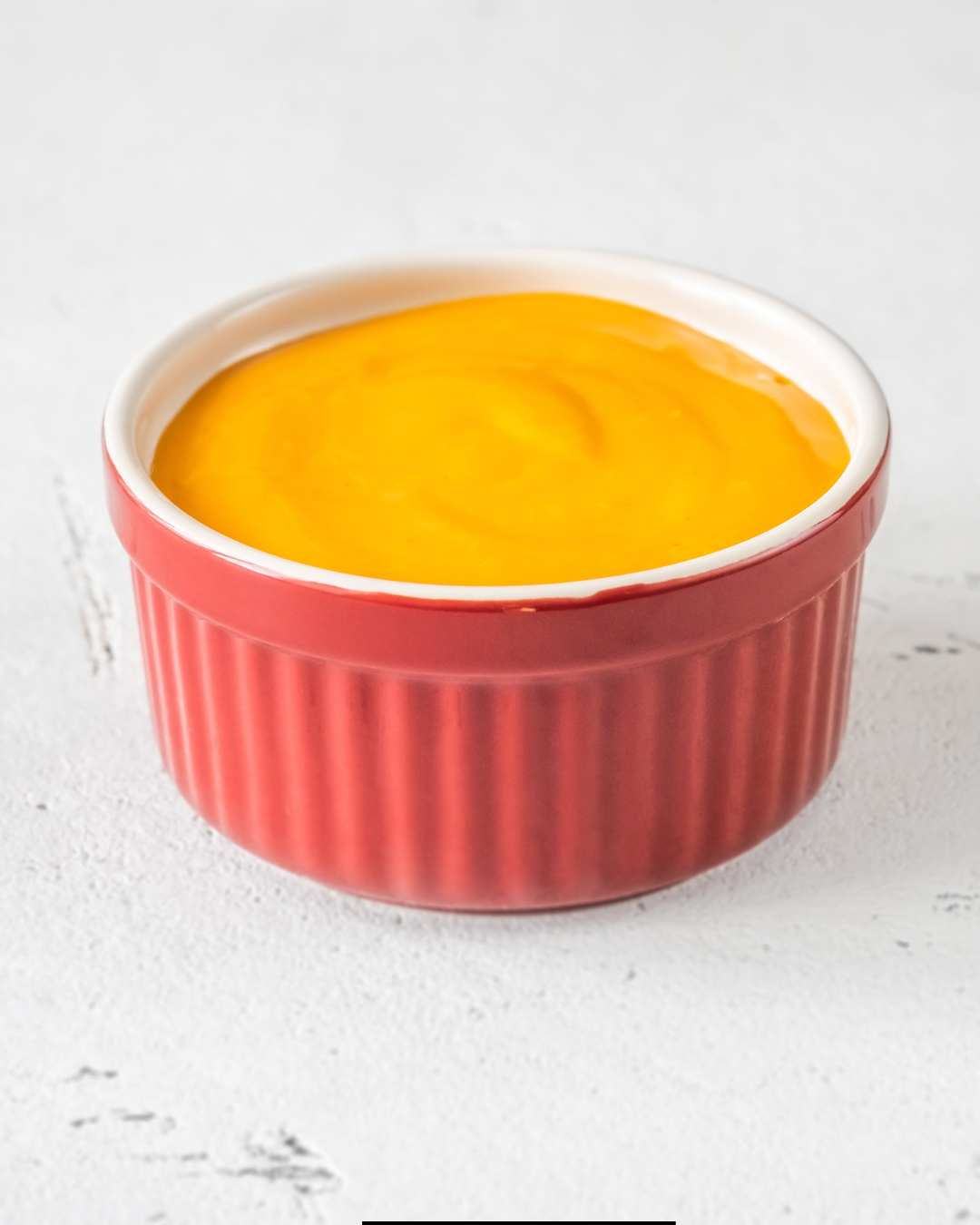
I’ve always admired how Gordon Ramsay takes simple, classic recipes and elevates them with his signature finesse, and Gordon Ramsay Bearnaise Sauce is no exception. At its core, it’s a buttery, herbaceous wonder—flavored with fresh tarragon, a hint of tang from a vinegar reduction, and the creamy richness of egg yolks. But don’t worry; though this sauce has a reputation for being “chef-only,” I’ll help you master it in your own kitchen.
How to make Gordon Ramsay Bearnaise Sauce
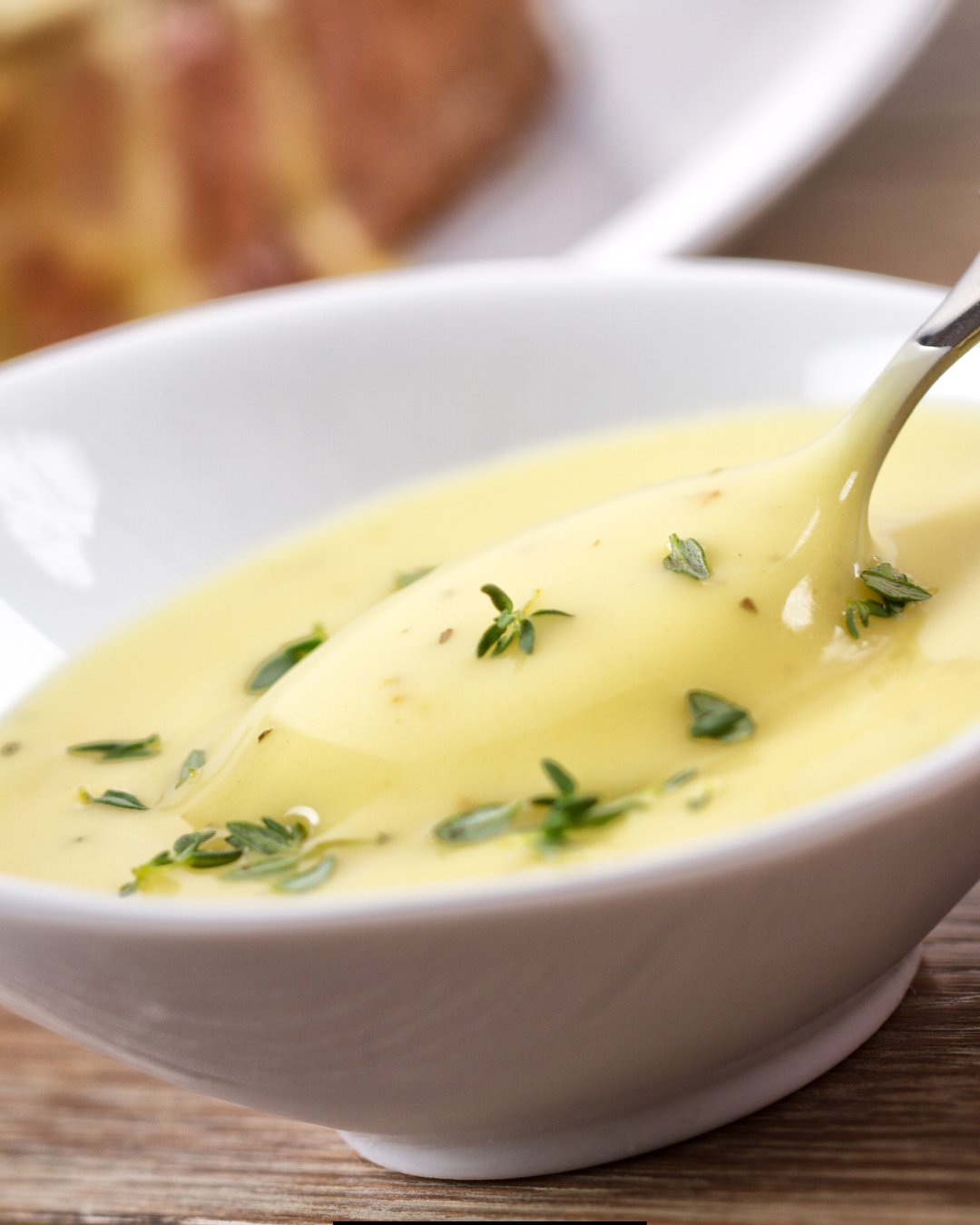
Gordon Ramsay Béarnaise sauce is a rich, classic French sauce that Gordon Ramsay often prepares in a more refined, restaurant-style way.
Ingredients
You’ll need only a handful of simple ingredients, but their freshness and quality matter!
For the Reduction
- 2 tablespoons white wine vinegar
- 2 tablespoons white wine (dry works best, like Sauvignon Blanc)
- 1 small shallot, finely chopped
- 3–4 sprigs of fresh tarragon (reserve leaves for later; stems go in the reduction)
- 1/2 teaspoon black peppercorns, crushed
For the Sauce
- 3 large egg yolks
- 200g (7 oz) unsalted butter, clarified (melted and solids removed)
- 1 tablespoon fresh tarragon leaves, finely chopped
- Optional: 1 teaspoon fresh chervil, finely chopped
- Salt and freshly ground black pepper, to taste
- Optional: A squeeze of lemon juice for brightness
Instructions
1. Make the Reduction
- In a small saucepan, combine the white wine vinegar, white wine, chopped shallot, tarragon stems, and crushed black peppercorns.
- Heat the mixture over medium heat until it reaches a gentle boil. Allow it to simmer until it reduces by half. This should take about 5–7 minutes.
- Strain the reduction through a fine mesh sieve into a bowl, discarding the solids. Let the liquid cool slightly.
2. Whisk the Egg Yolks
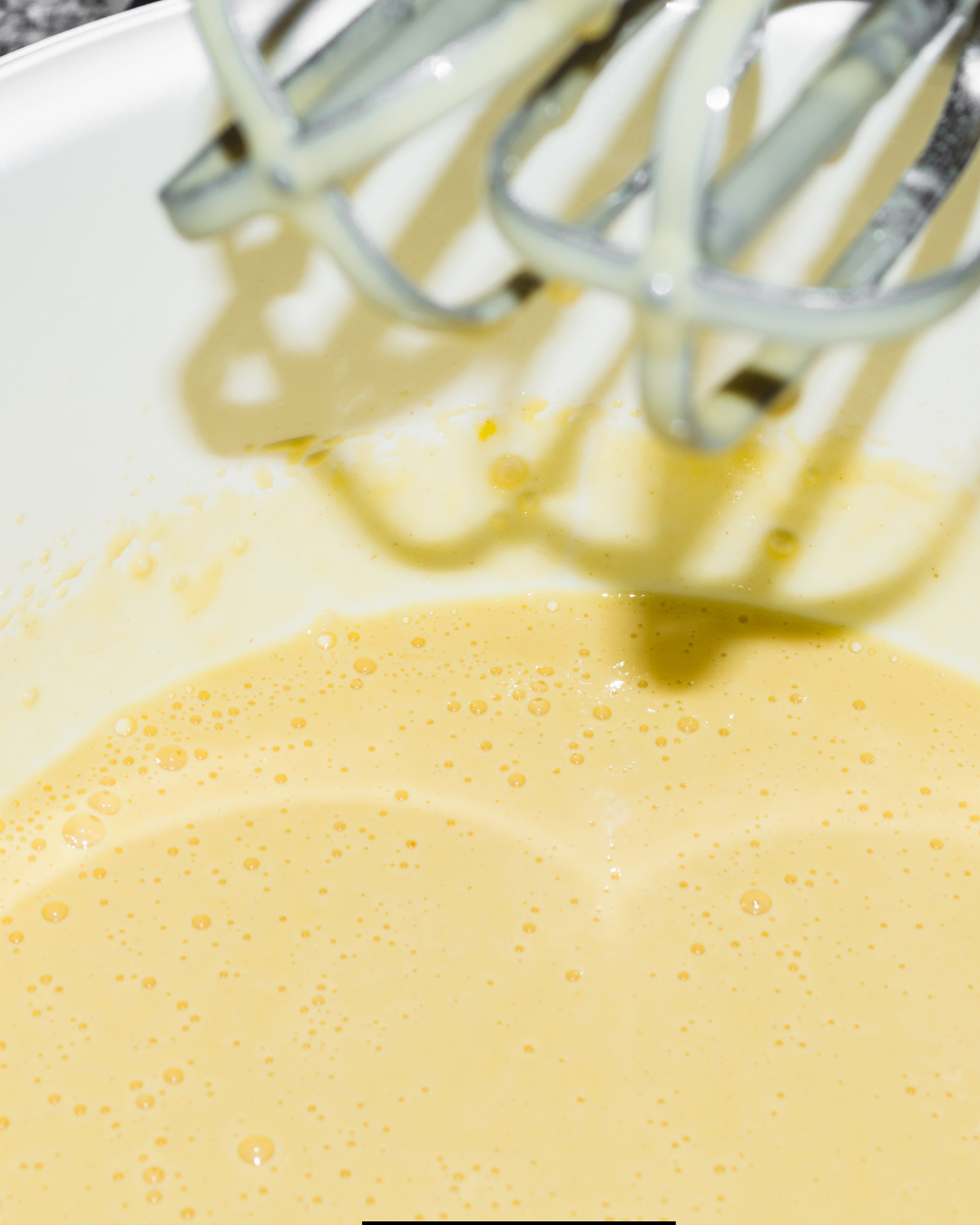
- In a heatproof bowl, whisk the egg yolks together with the cooled reduction. Place the bowl over a saucepan of gently simmering water (creating a double boiler).
- Whisk continuously as the yolks thicken into a creamy, pale mixture. Be careful—if the heat is too high, the eggs may scramble.
3. Emulsify with Butter
- Gradually add the clarified butter to the egg mixture, whisking constantly. Don’t rush; pour the butter in a slow, steady stream to create a thick, velvety emulsion.
- Once fully combined, the sauce should have a smooth, rich consistency.
4. Add the Herbs
- Remove the sauce from the heat and stir in the finely chopped tarragon leaves. If using, add chervil as well.
- Taste the sauce and season with salt, freshly ground black pepper, and, if desired, a squeeze of lemon juice for extra brightness.
Tips for Perfect Gordon Ramsay Bearnaise Sauce
- Heat Management is Key: Béarnaise is delicate and can easily curdle if overheated. Always cook the egg yolks on low heat and whisk continuously.
- Clarified Butter Matters: Removing milk solids from melted butter keeps the sauce smooth and prevents it from breaking. If you don’t have clarified butter, skim off the solids after melting unsalted butter.
- Herbs Make the Difference: Fresh tarragon (and optional chervil) are essential for that signature Béarnaise taste. Avoid dried herbs—they won’t deliver the same brightness.
- Make-Ahead Tip: Béarnaise sauce is best when served immediately, but you can hold it warm for up to an hour. Keep it in a warm (not hot) place and whisk occasionally to maintain its texture.
- Pairing Suggestions: Serve Béarnaise sauce over grilled ribeye steak, pan-seared salmon, or asparagus for a restaurant-quality meal.
Why This Recipe Works
Gordon Ramsay’s signature style lies in balancing robust flavors and refining classic techniques. The tangy vinegar reduction adds depth, while the buttery emulsion delivers richness. The tarragon’s freshness makes the flavors pop, giving you a sauce that elevates any dish from simple to sublime.
What to serve with
Gordon Ramsay Bearnaise Sauce is a luxurious, creamy, herb-forward sauce that pairs beautifully with a variety of dishes. The rich, buttery texture and the zing of tarragon and vinegar make it especially suited to dishes that can benefit from a burst of indulgence and brightness.
1. Steaks and Red Meat
Béarnaise is a classic steakhouse sauce, and for good reason. The richness of the butter and egg yolks complements the savory depth of beef, and the brightness of vinegar and tarragon cuts through the fat of the meat.
- Grilled Ribeye: A juicy ribeye with its marbled fat pairs perfectly with Béarnaise’s velvety richness. For extra flavor, season the steak with salt, pepper, and a touch of garlic, then grill to your desired doneness.
- Filet Mignon: The tenderness of a filet mignon is ideal for Béarnaise, especially since the sauce adds flavor to this lean cut.
- New York Strip: For a more robust cut, the bold flavor of the New York strip works well with the herbaceous sauce.
- Lamb Chops: Béarnaise adds a sophisticated twist to roasted or grilled lamb chops, with the herbs complementing the earthy flavor of lamb.
2. Seafood
Gordon Ramsay Bearnaise Sauce also shines when served with tender, flaky fish or shellfish. Its smooth, buttery consistency and tangy flavor enhance delicate seafood dishes.
- Pan-Seared Salmon: The creamy texture of Béarnaise sauce is a perfect match for the rich, oily flavors of salmon. Sear the fish skin-side down until crispy, then drizzle the sauce over the top.
- Steamed Lobster or Crab: For a decadent surf-and-turf experience, pair the sauce with lobster tails or fresh crab. The slight tanginess of the Béarnaise cuts through the sweetness of the shellfish.
- Halibut or Cod: White fish like halibut or cod, whether baked or grilled, benefit from the buttery notes of Béarnaise.
- Scallops: Serve a few pan-seared scallops with a dollop of the sauce for a gourmet starter or light dinner option.
Ingredients Substitutes
While Gordon Ramsay Béarnaise sauce recipe relies on classic French ingredients to achieve its rich, tangy, and herbaceous flavor profile, there are times when you might need to substitute certain items due to availability or dietary preferences.
1. White Wine Vinegar
White wine vinegar serves as the acidic base of the Gordon Ramsay Bearnaise Sauce, adding zing and balancing the fatty richness of the butter and egg yolks.
Substitutes:
- Apple Cider Vinegar: Offers a slightly sweeter, fruity flavor, making it a great alternative to white wine vinegar.
- Red Wine Vinegar: Provides a deeper, more robust flavor that pairs particularly well with red meat dishes. Use sparingly since it can overpower the other elements.
- Lemon Juice: A milder, citrusy acidity that can replace white wine vinegar entirely or complement another substitute. This is especially great for brightening the sauce when paired with seafood.
- Rice Vinegar: A less sharp option compared to white wine vinegar, ideal for those who prefer subtler acidity.
2. Dry White Wine
Dry white wine is used to add depth and complexity to the flavor of the reduction.
Substitutes:
- Chicken or Vegetable Stock: If you want to skip wine altogether, use a splash of stock for added savory flavor. Enhance it with a dash of vinegar or lemon juice for acidity.
- Sherry or Vermouth: If you’re looking for an alcohol option but don’t have dry white wine, cooking sherry or dry vermouth are excellent choices that provide balanced flavors.
- Water with Vinegar: Mix water with a small amount of white wine vinegar or lemon juice if you don’t want wine or alcohol in the recipe.
3. Shallots
Shallots lend a delicate onion flavor to the reduction, enhancing the sauce’s complexity.
Substitutes:
- Yellow Onion: Use finely chopped yellow onions as the closest replacement for shallots. They’re slightly stronger in flavor but will work well after cooking and reducing.
- Green Onion (Whites Only): For a milder onion taste, use the white part of green onions.
- Leeks: Leeks can provide a slightly sweeter, subtle onion flavor.
4. Tarragon
Tarragon is the defining herb in Béarnaise, giving the sauce its signature anise-like flavor and fresh herbal note.
Substitutes:
- Dill: If tarragon isn’t available, dill provides a similar herbal brightness and complements the creamy sauce quite well.
- Fennel Fronds: Fennel fronds mimic the mild licorice flavor of tarragon and can work as a good substitute.
- Parsley + Lemon Zest: If no tarragon-like herbs are available, try a combination of fresh parsley with a little lemon zest for a fresh, bright flavor.
- Chervil: Chervil (if available) is an ideal substitute and is often used alongside tarragon in Béarnaise recipes.
5. Butter
Clarified butter is a crucial ingredient in Béarnaise sauce, contributing to its rich, velvety texture.
Substitutes:
- Ghee: Ghee works perfectly as a substitute for clarified butter since it’s essentially the same thing—melted butter with the milk solids removed.
- Unsalted Butter: If you don’t have clarified butter, you can use melted unsalted butter. Just be cautious—add it slowly and whisk well to manage the emulsion. The milk solids may cause a slightly less smooth sauce.
- Plant-Based Butter: For a dairy-free or vegan option, use a high-fat plant-based butter. Choose a mild-flavored variety to avoid altering the flavor profile too much.
6. Egg Yolks
Egg yolks are the base of the sauce, creating its creamy texture and luxurious mouthfeel.
Substitutes:
- Full-Fat Coconut Milk: Not a perfect substitute, but if you’re looking for an egg-free alternative, whisking warm full-fat coconut milk with a thickener like cornstarch can mimic the creamy texture.
- Cashew Cream: Made by blending soaked cashews with water, cashew cream is ideal for those seeking a vegan alternative. Combine it with plant-based butter for richness and a similar consistency.
- Silken Tofu: Blend silken tofu until smooth to create a creamy, egg-free base. This is a great substitute for vegans or anyone with an egg allergy.
Final Thoughts
What makes Gordon Ramsay Bearnaise Sauce so versatile is its unique flavor balance. The creamy, buttery base adds richness, while the acidity from the vinegar and the brightness of fresh tarragon cut through fat and complement bold or earthy flavors.
More Sauce Recipes:
Ingredients
For the Reduction
- 2 tablespoons white wine vinegar
- 2 tablespoons white wine
- 1 small shallot, finely chopped
- 3–4 sprigs of fresh tarragon
- 1/2 teaspoon black peppercorns, crushed
For the Sauce
- 3 large egg yolks
- 200g (7 oz) unsalted butter, clarified
- 1 tablespoon fresh tarragon leaves, finely chopped
- Optional: 1 teaspoon fresh chervil, finely chopped
- Salt and freshly ground black pepper, to taste
- Optional: A squeeze of lemon juice for brightness
Instructions
1. Make the Reduction
- In a small saucepan, combine the white wine vinegar, white wine, chopped shallot, tarragon stems, and crushed black peppercorns.
- Heat the mixture over medium heat until it reaches a gentle boil. Allow it to simmer until it reduces by half. This should take about 5–7 minutes.
- Strain the reduction through a fine mesh sieve into a bowl, discarding the solids. Let the liquid cool slightly.
2. Whisk the Egg Yolks
- In a heatproof bowl, whisk the egg yolks together with the cooled reduction. Place the bowl over a saucepan of gently simmering water (creating a double boiler).
- Whisk continuously as the yolks thicken into a creamy, pale mixture. Be careful—if the heat is too high, the eggs may scramble.
3. Emulsify with Butter
- Gradually add the clarified butter to the egg mixture, whisking constantly. Don’t rush; pour the butter in a slow, steady stream to create a thick, velvety emulsion.
- Once fully combined, the sauce should have a smooth, rich consistency.
4. Add the Herbs
- Remove the sauce from the heat and stir in the finely chopped tarragon leaves. If using, add chervil as well.
- Taste the sauce and season with salt, freshly ground black pepper, and, if desired, a squeeze of lemon juice for extra brightness.
Discover more from Gordon Ramsay Dish
Subscribe to get the latest posts sent to your email.