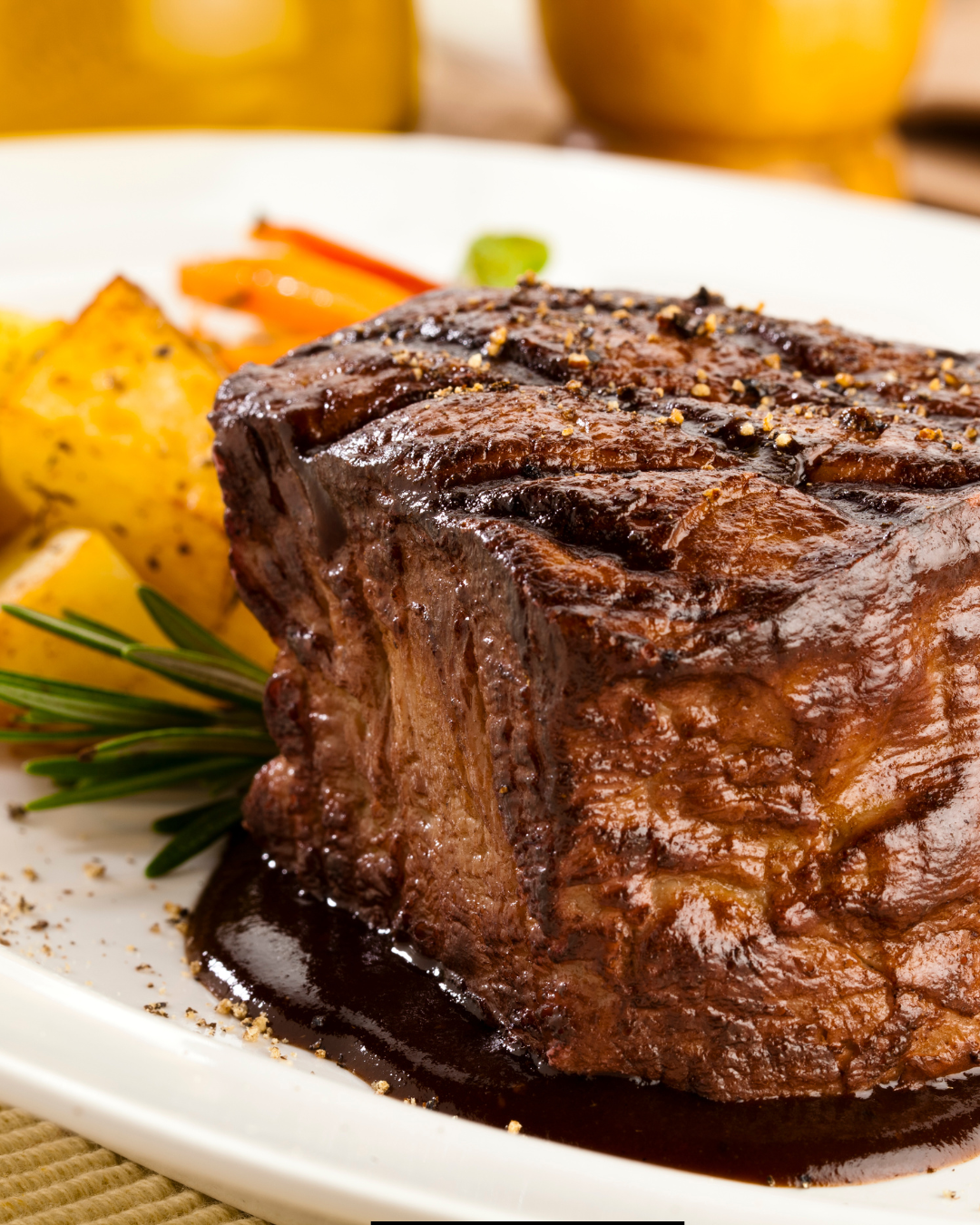
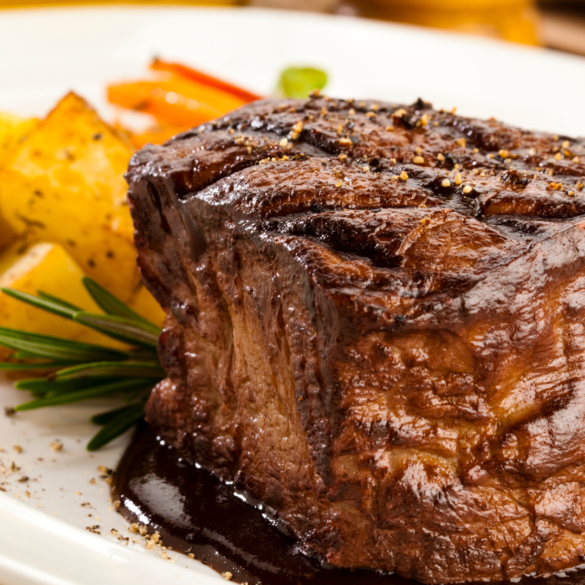
From that signature golden crust to the rich infusion of butter, garlic, and fresh herbs, Gordon Ramsay Filet Mignon recipe is all about enhancing the natural flavor of the steak instead of overpowering it. And the best part? You don’t need a professional-grade kitchen to pull this off. With a few simple techniques and a little Ramsay-inspired attitude (yes, confidence is key!), You’re just steps away from impressing guests or even treating yourself to a well-deserved gourmet meal.
Table of Contents
How to make Gordon Ramsay Filet Mignon
Gordon Ramsay Filet Mignon is a premium beef steak dish made from the tenderloin, one of the most tender cuts of beef.
Ingredients
To capture Gordon Ramsay’s signature technique, you’ll need the following:
For the Steak
- Filet mignon: 2 steaks, 6-8 oz each (about 2 inches thick)
- Salt: Use sea salt or kosher salt for that perfect sear
- Black pepper: Freshly ground for added heat and aroma
- Olive oil: For searing the steaks and locking in moisture
- Unsalted butter: 2-3 tablespoons – adds richness to the basting process
- Garlic cloves: 2-3, lightly smashed to release their flavor
- Fresh herbs: A sprig of rosemary and thyme
Optional Pan Sauce Ingredients
- Red wine or beef stock: For deglazing the pan and making a complementary sauce
- Shallots (if desired): Finely chopped, for added depth in the sauce
Instructions
1. Prepare the Steaks
- Take the filet mignon steaks out of the fridge 30 minutes before cooking to ensure they come to room temperature.
- Pat the steaks dry with paper towels—moisture on the surface can prevent the steaks from searing properly.
- Generously season both sides with salt and pepper. (Don’t skimp—this forms the flavorful crust!)
2. Sear the Steaks
- Heat a heavy-bottomed skillet (a cast-iron pan is ideal) over medium-high heat until it’s scorching hot.
- Add a drizzle of olive oil and swirl it around to coat the surface of the pan evenly.
- Place the steaks into the pan and sear for 2-3 minutes per side until a golden-brown crust forms. Use tongs to ensure you sear the edges as well for a uniform look.
3. Baste with Butter and Herbs
- Turn the heat down to medium.
- Drop the butter, smashed garlic cloves, and fresh sprigs of thyme/rosemary into the pan.
- Once the butter melts and starts bubbling, tilt the pan slightly and use a spoon to baste the steaks by spooning the melted butter over them repeatedly. This infuses flavor and keeps the steaks moist.
- Cook for another 2 minutes per side, depending on your desired doneness.
4. Finish in the Oven (Optional)
- If the steaks are particularly thick, preheat your oven to 400°F (200°C). After searing, transfer the skillet directly to the oven to finish cooking.
- Use a meat thermometer to check the internal temperature:
- Rare: 115°F (46°C)
- Medium-rare: 130°F (54°C)
- Medium: 145°F (63°C)
- After reaching your desired doneness, remove the steaks from the pan and let them rest on a cutting board for 5-10 minutes.
5. Optional Pan Sauce
- After removing the steaks, keep the skillet on medium heat.
- Add red wine or beef stock (about ½ cup) to the pan to deglaze. Scrape up the browned bits from the bottom with a wooden spoon—this is where all the flavor is!
- Let the liquid reduce by half. If desired, add a touch of butter and chopped shallots for extra silkiness and depth.
- Strain the sauce and spoon it over the steaks when serving.
Pro Tips for Filet Mignon Perfection
- Choose High-Quality Steak: Start with well-marbled, fresh cuts of filet mignon for the best flavor and tenderness. Look for USDA Prime or Certified Angus Beef if possible.
- Don’t Overcrowd the Pan: Cook no more than 2 steaks at a time. Overcrowding lowers the temperature of the skillet, preventing a proper sear.
- Use a Meat Thermometer: This ensures you don’t overcook the steak. Insert the thermometer into the center, and always remove the steak a few degrees before the target temperature—it will continue cooking while resting.
- Don’t Skip the Resting Step: Allowing the steak to rest ensures that the juices don’t spill out when cutting, leaving you with a moist and flavorful bite every time.
- Experiment with Herbs: While rosemary and thyme are classic choices, you can experiment with other herbs like sage or oregano for a unique profile.
- Cook with Confidence: Gordon Ramsay always emphasizes confidence in the kitchen. Trust the process, and don’t be afraid to adjust the recipe to suit your taste.
Ingredients Substitutes
Cooking up Gordon Ramsay Filet Mignon doesn’t have to mean sticking rigidly to the exact ingredients in the recipe. Sometimes dietary preferences, availability of ingredients, or cravings for a little twist call for substitutions.
Main Ingredient Substitutes for Filet Mignon
Filet mignon is a tender, lean cut of beef from the smaller end of the tenderloin. However, if it’s unavailable or you’re looking for a budget-friendly alternative, try these options:
1. Other Steak Cuts
- Sirloin Filet: Slightly less tender than filet mignon but with a similar lean texture. It’s also more affordable and still provides a satisfying steak experience.
- Ribeye: While ribeye is fattier than filet mignon, it boasts incredible flavor and remains a steakhouse favorite. The marbling may make it taste even richer when cooked Gordon Ramsay-style.
- New York Strip: Offers a balance of tenderness and marbling, making it a great option for those who want a flavorful substitute.
- Flat Iron Steak: Extremely tender, though slightly smaller and less expensive. It’s cut from the shoulder but has a similar mouthfeel to filet mignon.
For Non-Beef Options:
- Pork Tenderloin: A lean cut of pork that mimics the texture of filet mignon. Follow the same preparation process, though it cooks faster than beef.
- Chicken Breast: Boneless, skinless chicken breasts are a lighter alternative if you’re avoiding red meat. Butterfly them to mimic the steak’s shape and cook them in the same pan-searing style.
- Portobello Mushrooms: For a vegetarian option, a large Portobello mushroom cap is a meaty and flavorful substitute that works particularly well when pan-seared.
Seasoning Substitutes
1. Salt and Black Pepper
- Substitute for Salt: Swap with Himalayan pink salt, sea salt, or a low-sodium alternative if you’re watching your salt intake.
- Substitute for Black Pepper: Ground white pepper, paprika, cayenne, or a dash of chili flakes can provide a different depth of spice.
Cooking Fat Substitutes
Gordon Ramsay filet mignon recipe calls for both olive oil (for searing) and butter (for basting). If you’re looking to adjust for dietary restrictions or personal preferences, here are some great replacements:
1. For Olive Oil
- Avocado Oil: Has a high smoke point, making it an excellent alternative for searing steak.
- Grapeseed Oil: A neutral-tasting oil with a high smoke point that works well for pan-frying.
- Coconut Oil: Suitable for a different flavor twist, but use sparingly as it may overpower the beef.
2. For Butter (Basting)
- Ghee or Clarified Butter: Same rich flavor as butter but with fewer milk solids, perfect if you need a dairy-free option.
- Plant-Based Butters: Brands like Miyoko’s or Earth Balance offer dairy-free alternatives that melt and brown similarly to traditional butter.
- Rendered Beef Tallow: Adds a deep, meaty flavor and works as a great basting option.
Final Thoughts
Cooking Gordon Ramsay Filet Mignon is a rewarding experience that proves you don’t need complex ingredients or decades of training to master a fine-dining steak.
More Steak Recipes:
Ingredients
For the Steak
- Filet mignon: 2 steaks, 6-8 oz each (about 2 inches thick)
- Salt: Use sea salt or kosher salt for that perfect sear
- Black pepper: Freshly ground for added heat and aroma
- Olive oil: For searing the steaks and locking in moisture
- Unsalted butter: 2-3 tablespoons
- Garlic cloves: 2-3, lightly smashed to release their flavor
- Fresh herbs: A sprig of rosemary and thyme
Optional Pan Sauce Ingredients
- Red wine or beef stock
- Shallots (if desired)
Instructions
1. Prepare the Steaks
- Take the filet mignon steaks out of the fridge 30 minutes before cooking to ensure they come to room temperature.
- Pat the steaks dry with paper towels—moisture on the surface can prevent the steaks from searing properly.
- Generously season both sides with salt and pepper. (Don’t skimp—this forms the flavorful crust!)
2. Sear the Steaks
- Heat a heavy-bottomed skillet (a cast-iron pan is ideal) over medium-high heat until it’s scorching hot.
- Add a drizzle of olive oil and swirl it around to coat the surface of the pan evenly.
- Place the steaks into the pan and sear for 2-3 minutes per side until a golden-brown crust forms. Use tongs to ensure you sear the edges as well for a uniform look.
3. Baste with Butter and Herbs
- Turn the heat down to medium.
- Drop the butter, smashed garlic cloves, and fresh sprigs of thyme/rosemary into the pan.
- Once the butter melts and starts bubbling, tilt the pan slightly and use a spoon to baste the steaks by spooning the melted butter over them repeatedly. This infuses flavor and keeps the steaks moist.
- Cook for another 2 minutes per side, depending on your desired doneness.
4. Finish in the Oven (Optional)
- If the steaks are particularly thick, preheat your oven to 400°F (200°C). After searing, transfer the skillet directly to the oven to finish cooking.
- Use a meat thermometer to check the internal temperature:
- Rare: 115°F (46°C)
- Medium-rare: 130°F (54°C)
- Medium: 145°F (63°C)
- After reaching your desired doneness, remove the steaks from the pan and let them rest on a cutting board for 5-10 minutes.
5. Optional Pan Sauce
- After removing the steaks, keep the skillet on medium heat.
- Add red wine or beef stock (about ½ cup) to the pan to deglaze. Scrape up the browned bits from the bottom with a wooden spoon—this is where all the flavor is!
- Let the liquid reduce by half. If desired, add a touch of butter and chopped shallots for extra silkiness and depth.
- Strain the sauce and spoon it over the steaks when serving.
Discover more from Gordon Ramsay Dish
Subscribe to get the latest posts sent to your email.