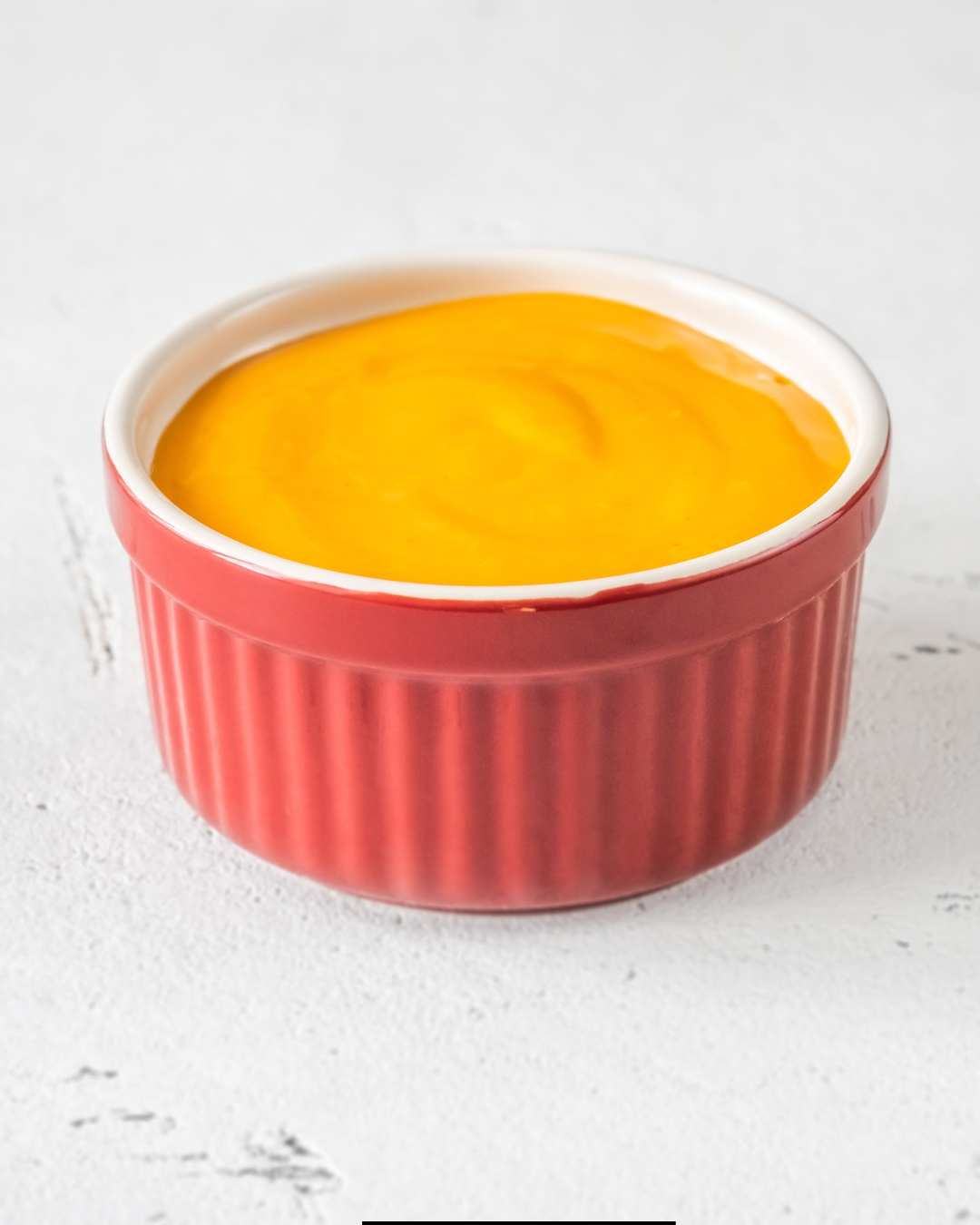
Gordon Ramsay burger sauce is a game-changer. Packed with tangy, creamy, and slightly sweet flavors, this sauce adds just the right amount of zing to elevate your burger from good to gourmet. And the best part? It’s easy to make at home with a handful of pantry staples.
You’ve probably wondered how celebrity chefs like Gordon Ramsay transform a simple burger into something extraordinary. The answer lies in the details, and one of those details is his legendary burger sauce.
Table of Contents
How to make Gordon Ramsay Burger Sauce
Gordon Ramsay Burger Sauce is a creamy, tangy, and slightly spicy condiment that Gordon Ramsay uses on many of his gourmet burgers. It enhances the richness of the beef with a balance of acidity, smokiness, and heat, making each bite more flavorful.
Ingredients
For Gordon Ramsay burger sauce, you’ll need a few simple yet flavorful pantry staples. Here’s the list:
- ¼ cup mayonnaise – The creamy base of the sauce; it adds richness and smooth texture.
- 1 tablespoon Dijon mustard – A slight tang with a subtle sharpness to balance the mayo.
- 1 tablespoon ketchup: Sweet, tangy notes that round out the flavor profile.
- 1 tablespoon pickle relish – Adds crunch and a refreshing acidity.
- 1 teaspoon Worcestershire sauce – For a rich umami depth.
- ½ teaspoon white wine vinegar – A small touch for extra tang and brightness.
- Optional: a pinch of smoked paprika or cayenne pepper – for added smokiness or heat, if desired.
Instructions
Follow these steps to create the perfect Gordon Ramsay burger sauce:
- Gather your ingredients: Measure out all the components for the sauce and prep them ahead of time.
- Mix the wet ingredients: In a medium-sized bowl, combine the mayonnaise, Dijon mustard, and ketchup. Stir until the mixture is smooth and creamy.
- Add the relish and seasonings: Fold in the pickle relish, Worcestershire sauce, white wine vinegar, and any optional additions, such as smoked paprika or cayenne pepper. Be sure to mix thoroughly to distribute the flavors evenly.
- Taste and adjust: Give the sauce a taste test. If you want it tangier, add a bit more white wine vinegar. If you’re a fan of sweeter sauces, increase the ketchup slightly.
- Refrigerate for best results: Cover the sauce and let it sit in the fridge for at least 30 minutes to allow the flavors to meld together. This step is optional but highly recommended.
Tips for Making the Perfect Gordon Ramsay Burger Sauce
- Customize your flavors: While Gordon Ramsay’s base recipe is tried and true, don’t hesitate to tweak it to your liking. You could add Sriracha for heat, garlic powder for extra savoriness, or fresh dill for a herby kick.
- Quality ingredients make a difference: Use high-quality mayonnaise and Dijon mustard for a richer, more elevated flavor. If possible, opt for dill pickle relish over sweet relish to achieve the signature tang Gordon Ramsay is known for.
- Make it ahead of time: Preparing the sauce a few hours (or even a day) ahead is a great way to give the ingredients time to blend seamlessly. Plus, chilled sauce tastes even better on your warm burger.
- Pair like a pro: This sauce isn’t just for burgers—it’s fantastic as a dip for fries, a spread for sandwiches, or even a topping for grilled chicken.
Ingredients substitutes
While the Gordon Ramsay burger sauce recipe calls for classic ingredients, you may find yourself needing substitutes due to dietary preferences, availability, or simply a desire to experiment with flavors.
1. Mayonnaise
The base of the sauce is creamy mayonnaise, but there are plenty of alternatives if you don’t have mayo or prefer something else.
Substitutes:
- Greek Yogurt: For a lighter, healthier option with a tangy twist. Use full-fat for richness or non-fat if you’re watching calories.
- Sour Cream: Provides a creaminess with a subtle tang, though slightly thicker than mayo. Thin it with a drop of water or vinegar if needed.
- Vegan Mayo: Perfect for those following a plant-based diet. Brands like Just Mayo or Vegenaise often have comparable flavor to traditional mayo.
- Cashew Cream or Plant-Based Yogurt: Blend soaked cashews with water to mimic the creamy texture, or use dairy-free yogurt for vegan and nut-free options.
2. Dijon Mustard
Dijon mustard adds a tangy, sharp flavor to the sauce, but it can be swapped for other mustard varieties or similar ingredients with bold flavors.
Substitutes:
- Yellow Mustard: A milder version with sweetness; it’s often already in most kitchens.
- Whole Grain Mustard: For a coarser texture and slightly earthier flavor.
- Spicy Brown Mustard: Adds heat and depth; great for when you want to amp up the heat.
- Horseradish Sauce: For a bold, peppery kick reminiscent of Dijon’s sharpness.
- Tahini with Lemon Juice: A creative plant-based alternative that mimics the subtle tang and creamy texture.
3. Ketchup
Ketchup adds a sweet and tangy element to the sauce, but there are several substitutes that match its flavor profile.
Substitutes:
- Tomato Paste + Sugar or Honey: Whisk tomato paste with a little sweetener and a splash of vinegar to replicate ketchup’s richness and tang.
- Barbecue Sauce: Adds smokiness and tang, especially for a bolder burger sauce. Choose a mild BBQ sauce to avoid overpowering the flavors.
- Sriracha or Chili Garlic Sauce (with added sweetness): Perfect for adding a spicy, garlicky kick while mimicking ketchup’s consistency.
- Homemade Tomato Sauce: Blend cooked tomatoes with a pinch of sugar and vinegar for a fresh alternative.
4. Pickle Relish
Pickle relish provides crunch and acidity, but other tangy or crunchy ingredients can work just as well for texture and bright flavor.
Substitutes:
- Chopped Pickles: Dice dill or sweet pickles finely to replicate the texture.
- Pickle Juice: Add a splash for acidity if you don’t want chunks, though use sparingly to avoid a watery sauce.
- Capers: Dice and stir into the sauce for a briny, salty substitute with a smaller crunch.
- Finely Chopped Jalapeños: Adds heat alongside the tang. Great for spice lovers.
5. Worcestershire Sauce
Worcestershire sauce brings a deep savory umami flavor to the burger sauce. If you don’t have it or need a vegan-friendly alternative, try these swaps.
Substitutes:
- Soy Sauce: Delivers saltiness and umami notes. Opt for low-sodium soy sauce to avoid overwhelming the sauce.
- Tamari (Gluten-Free Soy Sauce): A proper substitute for those avoiding gluten, with similar depth.
- Liquid Aminos: A milder, amino-rich alternative to soy-based sauces.
- Coconut Aminos: Ideal for a slightly sweeter, soy-free option.
- Balsamic Vinegar: Provides depth and acidity with a fruity undertone. Mix with a pinch of salt for balance.
6. White Wine Vinegar
White wine vinegar adds brightness and acidity, but there are plenty of substitutes that can achieve similar results.
Substitutes:
- Apple Cider Vinegar: Mildly sweet and tangy, this is one of the best alternatives for white wine vinegar.
- Rice Vinegar: A subtly sweet option that works beautifully in creamy sauces.
- Lemon Juice or Lime Juice: Provides a citrusy tang that brightens the sauce up.
- Distilled Vinegar: A sharper and more neutral alternative when you need acidity without additional flavors.
Final Thoughts
Gordon Ramsay burger sauce is proof that simple ingredients, when combined thoughtfully, can produce incredible results. The creamy tang of the mayo and mustard, the sweetness of ketchup, and the sharpness of relish and vinegar create a symphony of flavors that complement any burger.
More Sauce Recipes:
Ingredients
- ¼ cup mayonnaise
- 1 tablespoon Dijon mustard
- 1 tablespoon ketchup
- 1 tablespoon pickle relish – Adds crunch and a refreshing acidity.
- 1 teaspoon Worcestershire sauce – For a rich umami depth.
- ½ teaspoon white wine vinegar – A small touch for extra tang and brightness.
- Optional: a pinch of smoked paprika
Instructions
- Gather your ingredients: Measure out all the components for the sauce and prep them ahead of time.
- Mix the wet ingredients: In a medium-sized bowl, combine the mayonnaise, Dijon mustard, and ketchup. Stir until the mixture is smooth and creamy.
- Add the relish and seasonings: Fold in the pickle relish, Worcestershire sauce, white wine vinegar, and any optional additions, such as smoked paprika or cayenne pepper. Be sure to mix thoroughly to distribute the flavors evenly.
- Taste and adjust: Give the sauce a taste test. If you want it tangier, add a bit more white wine vinegar. If you’re a fan of sweeter sauces, increase the ketchup slightly.
- Refrigerate for best results: Cover the sauce and let it sit in the fridge for at least 30 minutes to allow the flavors to meld together. This step is optional but highly recommended.
Discover more from Gordon Ramsay Dish
Subscribe to get the latest posts sent to your email.