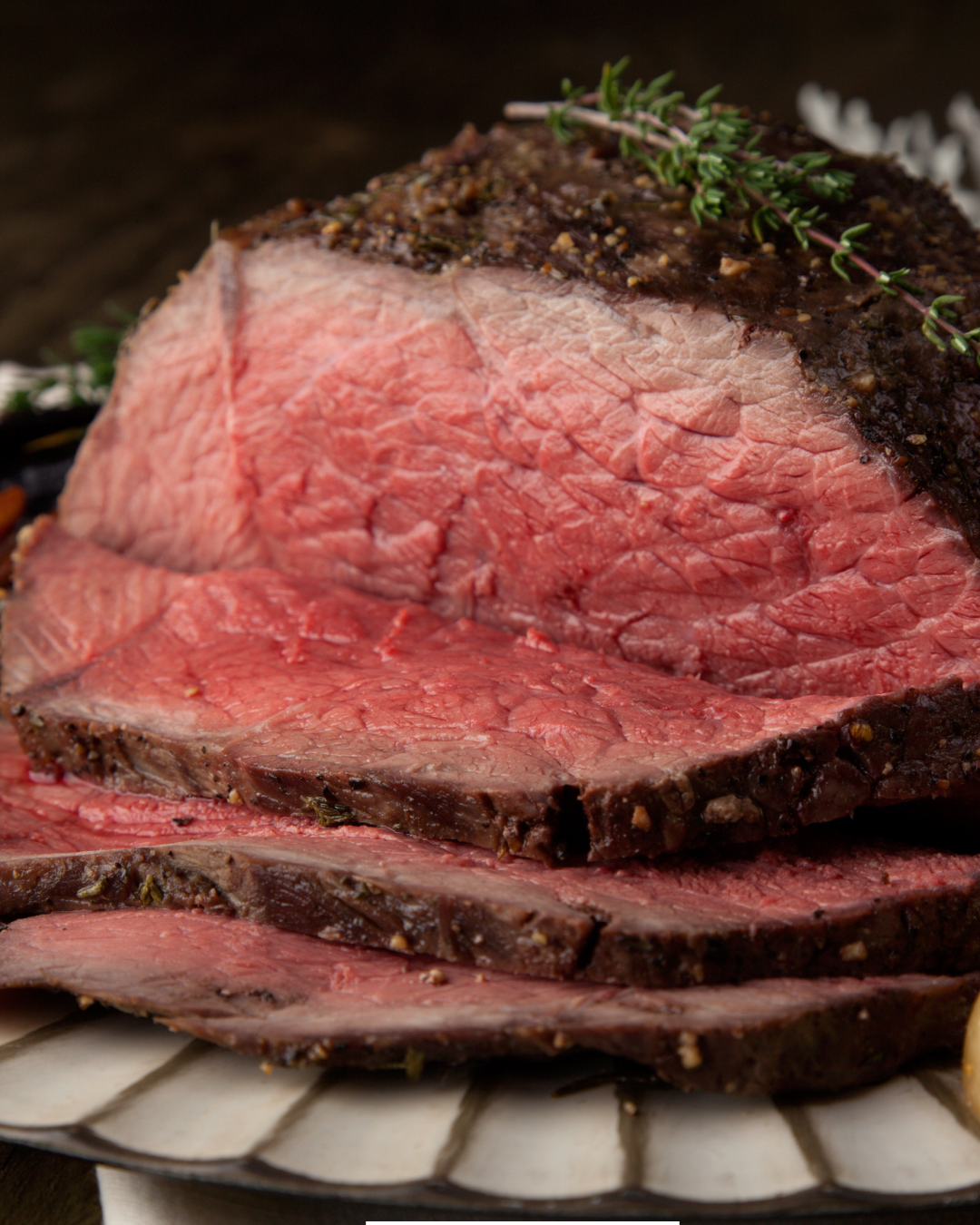
Gordon Ramsay roast beef method is a game-changer. With its beautifully seared exterior and tender, succulent center, this dish promises to transform the way you think about traditional roast beef. But here’s the best part: it’s surprisingly approachable, even for home cooks!
Revered for his perfectionist approach to cooking, his take on the iconic roast beef dish is nothing short of extraordinary. If you’ve ever dreamed of replicating a restaurant-quality Sunday roast at home, this recipe is your golden ticket.
Table of Contents
How to make Gordon Ramsay Roast Beef
Gordon Ramsay roast beef is a dish of beef that is seasoned, seared, and roasted in the oven, typically served tender and juicy with a browned, flavorful crust. Gravy, roasted vegetables, and Yorkshire pudding often accompany it.
Ingredients
To make Gordon Ramsay roast beef, you’ll need fresh, high-quality ingredients.
For the Beef:
- 1 large cut of beef roast (ribeye, prime rib, or sirloin – approximately 3–4 pounds)
- 2 tablespoons olive oil or vegetable oil (for searing)
- 4 garlic cloves, crushed
- 2–3 sprigs fresh rosemary
- 2–3 sprigs fresh thyme
- Salt (to taste)
- Ground black pepper (to taste)
For the Gravy or Jus:
- Beef stock (1–1½ cups)
- Red wine (½ cup, optional for richer flavor)
- 1 tablespoon Dijon mustard (optional)
- Pan drippings from the roast
Optional Side Dishes:
- Yorkshire pudding
- Roasted vegetables like carrots, parsnips, and Brussels sprouts
- Crispy roasted potatoes
Instructions
Transform a simple beef roast into a masterpiece by following these steps carefully:
Step 1: Prepare the Meat
- Take the beef roast out of the fridge 30–60 minutes before cooking to allow it to come to room temperature. This helps ensure even cooking.
- Pat the roast dry with paper towels. Rub olive oil all over the beef to help the seasoning stick and achieve a beautiful crust during searing.
- Season the beef generously with salt and freshly ground black pepper. For added flavor, you can also create a garlic-herb rub by mixing crushed garlic, rosemary, and thyme and spreading it over the beef.
Step 2: Sear the Beef
- Heat a heavy-bottomed skillet or frying pan on high heat until it’s extremely hot.
- Add a small amount of oil to the pan, allowing it to heat until shimmering. Place the beef roast in the pan and sear it on all sides (approximately 2–3 minutes per side). Searing locks in the juices and creates a beautiful crust for flavor and texture.
- Preheat the oven to 220°C (425°F) for initial roasting.
Step 3: Roast the Beef
- Transfer the seared beef to a roasting pan. Add the garlic cloves, rosemary, and thyme around the meat for aromatic flavors.
- Roast the beef at 220°C for 15 minutes for an initial sear in the oven. Then, lower the temperature to 160°C (320°F) and continue cooking.
- Cook the beef for approximately 20–25 minutes per pound for a medium-rare result (use a meat thermometer to check the internal temperature; medium-rare is 55–57°C or 130–135°F).
- For a medium or well-done roast, continue cooking until the internal temperature reaches:
- Medium: 60–65°C (140–150°F)
- Well done: 70°C+ (160°F+)
Step 4: Rest the Beef
- Remove the beef from the oven and transfer it to a cutting board. Cover loosely with aluminum foil and let it rest for 10-15 minutes. Resting allows the juices to redistribute throughout the meat, ensuring maximum tenderness.
Step 5: Make the Gravy or Jus
- Pour off excess grease from the roasting pan. Place the pan over medium heat and add a splash of beef stock and red wine, scraping up browned bits from the bottom (these hold a ton of flavor).
- Simmer the mixture until it thickens slightly. Add a spoonful of Dijon mustard for an extra kick, if desired.
- Strain the jus into a small saucepan or gravy boat.
Step 6: Carve and Serve
- Slice the beef against the grain into thin slices for optimal tenderness.
- Serve alongside your choice of side dishes and drizzle with the homemade gravy or jus.
Expert Tips
- Opt for a tender, marbled cut of beef like ribeye or prime rib for richer flavor and juiciness. If you prefer leaner cuts, sirloin works well too.
- Searing creates a flavorful crust and prevents moisture loss during roasting. Make sure your pan is extremely hot before starting.
- Precise cooking is key to achieving optimal doneness. Invest in a meat thermometer and check the internal temperature to avoid overcooking.
- Never skip the resting step – it keeps your roast juicy and tender.
- Use wine and herbs to deepen the flavor of the jus or gravy. Red wine adds richness, while rosemary and thyme contribute aromatic notes.
- Yorkshire pudding, roasted vegetables, and crispy potatoes are traditional accompaniments that elevate the dish into a full meal.
What to serve with
Making Gordon Ramsay roast beef is a culinary feat on its own, but what truly elevates the meal is pairing it with the right accompaniments. A classic British roast wouldn’t feel complete without a mix of hearty sides—each designed to complement the flavors of the succulent beef perfectly.
- Horseradish Sauce: The tangy kick of horseradish sauce contrasts beautifully with the rich flavor of roast beef. This classic condiment cuts through richness and adds a bright, sharp edge to your dish.
- Seasonal Greens: Fresh greens add a lighter, refreshing component to balance out the roast beef’s richness—options like green beans, sautéed spinach, or wilted kale work beautifully.
- Bread or Rolls: Chewy bread or soft dinner rolls are perfect for soaking up the gravy and adding substance to the meal. Crusty baguettes or freshly baked dinner rolls pair well.
- A Light Salad: For contrast to the heavy roast, consider a lightly dressed salad. A simple arugula salad with shaved Parmesan, olive oil, and a splash of balsamic vinegar is a refreshing addition.
Ingredients Substitutes
When preparing Gordon Ramsay roast beef, access to high-quality ingredients is vital. However, sometimes certain ingredients are unavailable, or you may want to tweak the recipe based on your dietary preferences, budget, or household inventory.
1. Substitutes for the Cut of Beef
The type of beef roast you choose influences the dish significantly, but there are excellent alternatives if your preferred cut isn’t available.
Common Cuts in Gordon Ramsay’s Recipes:
- Prime Rib: Juicy with rich marbling
- Ribeye Roast: Flavorful with a balanced fat-to-meat ratio
- Sirloin Roast: Lean with bold flavor
Substitute Cuts:
- Strip Loin Roast: Often called New York strip roast, this cut offers exceptional tenderness and is well-suited for roasting.
- Chuck Roast: A more affordable option; it’s well-marbled but requires a slow roast to tenderize properly.
- Tenderloin Roast: For a leaner and very tender choice, though this cut is pricier and has less beefy flavor.
- Rump Roast/Top Round Roast: Excellent budget options with leaner meat. Ideal for those who prefer a lighter roast beef but require proper roasting and resting for tenderness.
2. Oil for Searing
Gordon Ramsay often uses neutral oils with a high smoke point for searing the roast before placing it in the oven. But if you run out of these oils, there are options available.
Common Oils Suggested in the Recipe: Olive oil or vegetable oil
Substitutes for Searing Oil:
- Avocado Oil: High smoke point and a mild flavor make it an excellent neutral alternative.
- Grapeseed Oil: Another great option; works well for high-heat searing.
- Canola Oil or Peanut Oil: Both have neutral flavors and high smoke points, making them viable substitutions.
- Butter with a Splash of Oil: If you want the flavor of butter without it burning, mix it with a splash of oil.
- Avoid: Butter alone or unrefined oils like flaxseed or coconut oil—they have low smoke points and may burn during searing.
3. Fresh Herbs
Fresh rosemary and thyme are staples in Gordon Ramsay’s roast beef recipes, as they infuse the dish with earthy, aromatic flavors. However, not everyone has access to fresh herbs at all times.
Substitute Herbs:
- Dried Herbs: Use dried rosemary and thyme as substitutes, but reduce the amount (generally, 1 teaspoon of dried herbs equals 1 tablespoon of fresh herbs).
- Herbes de Provence: A pre-mixed herb blend that includes rosemary, thyme, and oregano can work well.
- Italian Seasoning: While not ideal, it captures some of the flavor notes of rosemary and thyme.
4. Garlic
Fresh garlic is often crushed and added to the roast for its pungent and aromatic flavor.
Substitute for Garlic:
- Garlic Powder: Use about 1/3 teaspoon of garlic powder for every clove of garlic in the recipe.
- Granulated Garlic: Similar to garlic powder but less concentrated; use ½ teaspoon for each clove.
- Onion Powder: If garlic is unavailable, onion powder can mimic some of the savoriness.
- Shallots: Finely minced shallots provide a subtler garlic-adjacent flavor.
5. Red Wine in the Gravy or Jus
Red wine adds depth and richness to the pan gravy or jus. If you’re out of wine or need a non-alcoholic substitute, here are some options.
Substitutes for Red Wine:
- Beef Stock or Broth: Use equal amounts of beef stock in place of wine for extra savory flavor.
- Balsamic Vinegar + Grape Juice: Mix 1 tablespoon of balsamic vinegar into ½ cup of red or black grape juice for a depth of flavor similar to red wine.
- Pomegranate Juice: This offers a slightly tangy and fruity alternative, mimicking the tartness of wine.
- Tomato Paste + Water: Mix 1–2 tablespoons of tomato paste with ½ cup of water for a rich and savory sauce base.
6. Dijon Mustard
Dijon mustard adds a tangy kick to both the roast and the gravy. If you don’t have Dijon on hand, here’s how to substitute:
Dijon Mustard Substitutes:
- Yellow Mustard: A bit sweeter and milder, but it works in a pinch.
- Whole Grain Mustard: Maintains a bold mustard flavor while adding some texture.
- Spicy Brown Mustard: A slightly more robust flavor compared to Dijon.
- Vinegar + Mustard Powder: Mix 1 teaspoon of mustard powder with 2 teaspoons of vinegar for a quick homemade Dijon substitute.
Final Thoughts
Gordon Ramsay roast beef is a celebration of simplicity, elegance, and flavor. By emphasizing high-quality ingredients and mastering techniques like searing and resting, you can replicate this iconic dish with ease.
More Beef Recipes:
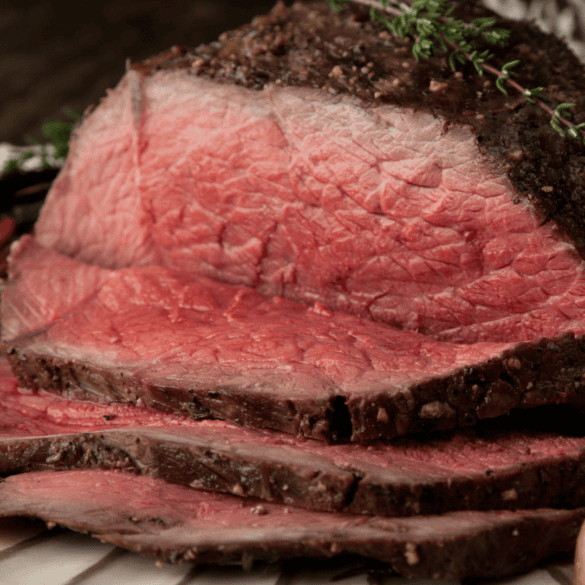
Ingredients
For the Beef:
- 1 large cut of beef roast
- 2 tablespoons olive oil or vegetable oil
- 4 garlic cloves, crushed
- 2–3 sprigs fresh rosemary
- 2–3 sprigs fresh thyme
- Salt (to taste)
- Ground black pepper (to taste)
For the Gravy or Jus:
- Beef stock (1–1½ cups)
- Red wine (½ cup, optional for richer flavor)
- 1 tablespoon Dijon mustard (optional)
- Pan drippings from the roast
Optional Side Dishes:
- Yorkshire pudding
- Roasted vegetables like carrots, parsnips, and Brussels sprouts
- Crispy roasted potatoes
Instructions
Step 1: Prepare the Meat
- Take the beef roast out of the fridge 30–60 minutes before cooking to allow it to come to room temperature. This helps ensure even cooking.
- Pat the roast dry with paper towels. Rub olive oil all over the beef to help the seasoning stick and achieve a beautiful crust during searing.
- Season the beef generously with salt and freshly ground black pepper. For added flavor, you can also create a garlic-herb rub by mixing crushed garlic, rosemary, and thyme and spreading it over the beef.
Step 2: Sear the Beef
- Heat a heavy-bottomed skillet or frying pan on high heat until it’s extremely hot.
- Add a small amount of oil to the pan, allowing it to heat until shimmering. Place the beef roast in the pan and sear it on all sides (approximately 2–3 minutes per side). Searing locks in the juices and creates a beautiful crust for flavor and texture.
- Preheat the oven to 220°C (425°F) for initial roasting.
Step 3: Roast the Beef
- Transfer the seared beef to a roasting pan. Add the garlic cloves, rosemary, and thyme around the meat for aromatic flavors.
- Roast the beef at 220°C for 15 minutes for an initial sear in the oven. Then, lower the temperature to 160°C (320°F) and continue cooking.
- Cook the beef for approximately 20–25 minutes per pound for a medium-rare result (use a meat thermometer to check the internal temperature; medium-rare is 55–57°C or 130–135°F).
- For a medium or well-done roast, continue cooking until the internal temperature reaches:
- Medium: 60–65°C (140–150°F)
- Well done: 70°C+ (160°F+)
Step 4: Rest the Beef
- Remove the beef from the oven and transfer it to a cutting board. Cover loosely with aluminum foil and let it rest for 10-15 minutes. Resting allows the juices to redistribute throughout the meat, ensuring maximum tenderness.
Step 5: Make the Gravy or Jus
- Pour off excess grease from the roasting pan. Place the pan over medium heat and add a splash of beef stock and red wine, scraping up browned bits from the bottom (these hold a ton of flavor).
- Simmer the mixture until it thickens slightly. Add a spoonful of Dijon mustard for an extra kick, if desired.
- Strain the jus into a small saucepan or gravy boat.
Step 6: Carve and Serve
- Slice the beef against the grain into thin slices for optimal tenderness.
- Serve alongside your choice of side dishes and drizzle with the homemade gravy or jus.
Discover more from Gordon Ramsay Dish
Subscribe to get the latest posts sent to your email.