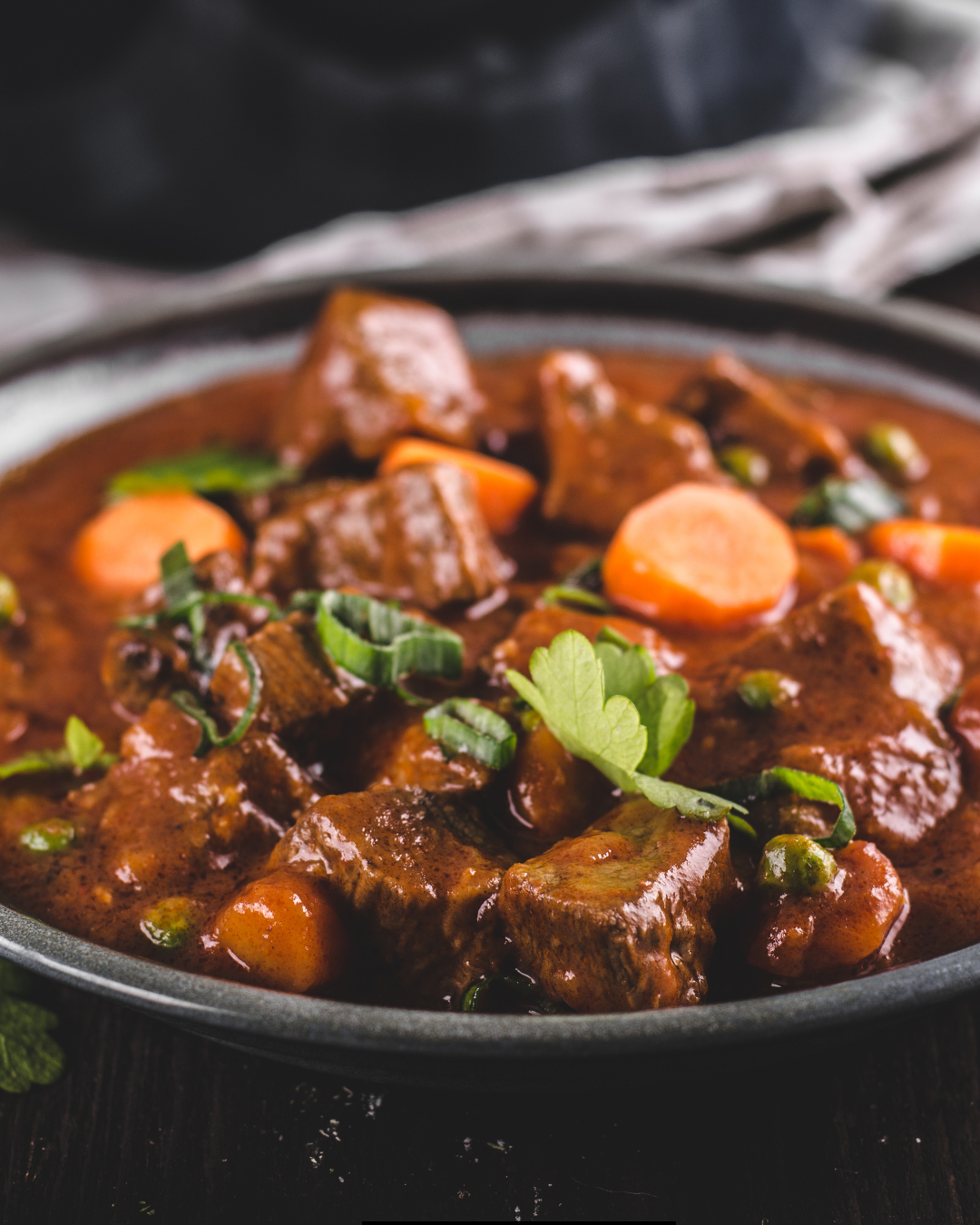
I still remember the first time I tried this Gordon Ramsay Beef Stew recipe—it was one of those chilly evenings when all I wanted was something wholesome and delicious on my table. As I followed Ramsay’s signature steps—browning the beef, carefully layering the flavors, and simmering everything to perfection—I quickly realized why this dish is so loved. It combines the nostalgia of home-cooked meals with the kind of refinement you’d expect from a world-class chef.
Table of Contents
How to make Gordon Ramsay Beef Stew
Gordon Ramsay Beef Stew is a classic slow-cooked beef dish inspired by Gordon Ramsay’s signature cooking style. It combines browned chunks of beef with vegetables, herbs, red wine, and beef stock, then simmers everything slowly until the meat is tender and the broth becomes rich and flavorful.
Ingredients
For the Beef Stew:
- 1.5–2 lbs (700–900g) stewing beef (e.g., chuck, brisket, or short rib), cut into 1.5-inch cubes
- Salt and freshly ground black pepper, to taste
- 2–3 tbsp all-purpose flour (for dredging, optional)
- 3 tbsp olive oil or vegetable oil (for searing)
- 1 large onion, diced
- 2 garlic cloves, minced
- 2 large carrots, chopped into chunks
- 2 celery stalks, sliced
- 3 medium potatoes, peeled and quartered (optional, for a one-pot meal)
- 1 tbsp tomato paste
- 1 cup (250ml) red wine (a robust variety, like Cabernet Sauvignon or Merlot)
- 2–3 cups beef stock (depending on how much sauce you want)
- 2–3 sprigs fresh thyme
- 2 bay leaves
- 1 tsp Worcestershire sauce (optional but highly recommended)
- 1 cup button mushrooms, halved or quartered (optional, for extra flavor)
Instructions
1. Prepping the Ingredients:
- Remove the beef from the fridge about 20 minutes before cooking to bring it to room temperature.
- Pat the beef dry with paper towels (this ensures better browning) and season generously with salt and pepper. Optionally, dredge the beef in a light coating of flour. This helps thicken the sauce while cooking.
2. Searing the Beef:
- Heat 2–3 tablespoons of olive oil in a large, heavy-bottomed pot or Dutch oven over medium-high heat.
- Once the oil is hot, sear the beef cubes in batches. Avoid overcrowding the pot, as this will steam the meat instead of browning it. Brown the beef on all sides (around 2–3 minutes per side). Remove the browned beef from the pot and set it aside.
3. Sautéing the Vegetables:
- In the same pot, reduce the heat to medium and add a little more oil if needed.
- Add the diced onions, carrots, and celery. Sauté for 5–7 minutes, stirring occasionally, until the veggies soften and the onions become translucent.
- Add the minced garlic and cook for another minute until fragrant.
4. Deglazing the Pan:
- Stir in 1 tablespoon of tomato paste and let it cook for 1–2 minutes to release its rich flavor.
- Pour in 1 cup of red wine, scraping the bottom of the pot with a wooden spoon to deglaze any stuck-on bits from searing the beef. These browned bits are packed with flavor—don’t skip this step!
5. Building the Stew:
- Return the seared beef to the pot. Add the beef stock until it just covers the meat and vegetables, then stir in the thyme sprigs, bay leaves, and Worcestershire sauce.
- If you’re including potatoes, mushrooms, or any other additional ingredients, add them at this stage.
6. Simmer Low and Slow:
- Bring the stew to a gentle boil, then reduce the heat to low. Cover the pot with a lid and let it simmer gently for 2–3 hours. Alternatively, you can place the pot in an oven preheated to 300°F (150°C).
- Stir the stew occasionally and check on the liquid levels. If the stew looks dry, add a splash of beef stock or water.
7. Final Touches:
- After 2–3 hours, the beef should be fork-tender, and the flavors well-developed. Taste the stew and adjust the seasoning with salt and pepper as needed.
- For added richness, you can whisk in a small knob of butter before serving.
Tips for the Perfect Beef Stew
- Stewing beef cuts like chuck, brisket, or short rib are ideal because of their higher fat content and connective tissues. These break down during slow cooking, resulting in flavorful and tender meat.
- Browning the beef is crucial for building deep, caramelized flavors in the stew. Take your time and work in batches to avoid overcrowding the pan.
- Since wine and stock form the base of the stew, go for a drinkable-quality wine and rich, flavorful beef stock. It makes a noticeable difference in the final dish.
- The magic of beef stew happens during slow cooking. Letting the dish simmer low and slow allows the flavors to meld together and the beef to become melt-in-your-mouth tender.
- Add mushrooms, parsnips, turnips, or other vegetables to customize the stew to your taste. You can also experiment with spices, like a pinch of smoked paprika or nutmeg, for additional complexity.
- Like many stews, this dish tastes even better the next day. Store leftovers in the fridge overnight to allow the flavors to deepen further.
Serving Suggestions for Gordon Ramsay Beef Stew
This irresistible Gordon Ramsay Beef Stew pairs wonderfully with:
- Crusty artisan bread to soak up the rich sauce
- Creamy mashed potatoes for an indulgent base
- Steamed rice or buttered noodles for a lighter alternative
Ingredients Substitutes
Sometimes, you may not have all the ingredients called for in a recipe, but that doesn’t mean you can’t make a delicious dish. Gordon Ramsay beef stew recipe is versatile enough to allow substitutions without compromising flavor or texture.
1. Stewing Beef Substitute
The main star of the dish is the stewing beef, typically cuts like chuck or brisket. If you can’t find these or prefer alternatives:
- Boneless Short Ribs: Another rich, flavorful cut suitable for slow cooking.
- Shank or Beef Cheeks: Ideal for achieving a melt-in-your-mouth texture during slow cooking.
- Lamb: Substitute cubed lamb shoulder for beef for a unique twist—adjust flavors accordingly (e.g., add rosemary, mint, or lemon).
- Chicken Thighs: If you prefer poultry, boneless chicken thighs can work for a lighter stew but won’t develop the same depth of flavor as beef.
2. Red Wine Substitute
Red wine contributes to the Gordon Ramsay Beef Stew’s depth and richness, but it can be swapped for non-alcoholic options:
- Grape Juice: Use unsweetened red grape juice for a flavor profile resembling red wine.
- Balsamic Vinegar and Water: Mix 1 tablespoon of balsamic vinegar with 1 cup of water or stock for an acidic depth similar to wine.
- Beef or Vegetable Stock: Increase the amount of beef or vegetable stock in the recipe if you want to avoid acidity entirely.
- Alcohol-Free Red Wine: A great choice for a non-alcoholic alternative while maintaining the flavor complexity.
3. Beef Stock Substitute
Beef stock forms the bulk of the stew’s liquid and adds an umami-packed richness. If you don’t have beef stock:
- Chicken Stock: Slightly lighter but still flavorful. For a closer match, add a touch of Worcestershire sauce or soy sauce.
- Vegetable Stock: A vegetarian-friendly option, though less rich in flavor. Enhance it with additional seasonings or miso paste for depth.
- Water with Seasonings: Mix water with bouillon cubes, stock powders, or even a combination of Worcestershire and soy sauce to mimic beef stock.
- Bone Broth: A nutritious and flavorsome substitute.
4. Tomato Paste Substitute
Tomato paste adds richness, acidity, and color to the stew. If you run out of it:
- Tomato Sauce or Puree: They’re slightly thinner but can still work. Reduce them to concentrate the flavor by simmering for a few minutes.
- Tomatoes: Fresh or canned diced tomatoes can be used, but for a thicker sauce, crush them first or blend into a smoother consistency.
- Ketchup: If desperate, ketchup can work since it combines tomato, sugar, and vinegar—though it’s sweeter than tomato paste, so use sparingly.
5. Vegetables Substitutes
The stew traditionally calls for onions, carrots, celery, and potatoes. If you’re missing any, here are alternatives:
- Carrots → Substitute with parsnips, squash, or sweet potatoes for a slightly sweeter profile.
- Celery → Replace with fennel or diced green bell peppers for texture and a bit of crunch.
- Onions → Shallots, leeks, or green onions can provide a similar aromatic base.
- Potatoes → Swap with turnips or rutabagas for a heartier texture, or use cauliflower for a low-carb option.
6. Thyme Substitute
Fresh thyme is a key herb in the recipe, but it can be replaced with:
- Dried Thyme: Use ½ the amount of fresh thyme, as dried herbs are more concentrated.
- Rosemary: Swap for rosemary if you prefer a more woodsy and fragrant herb.
- Herbs de Provence: A blend of Mediterranean herbs (including thyme) that complements beef stew.
- Oregano or Italian Seasoning: Alternative herbs for a slightly different flavor without straying too far from traditional flavors.
Final Thoughts
Gordon Ramsay beef stew isn’t just a meal—it’s an experience. By following this detailed guide, you’ll create a dish that not only satisfies but impresses.
More Beef Recipes:
- Gordon Ramsay Pot Roast Recipe
- Gordon Ramsay Lamb Chops Recipe
- Copycat Gordon Ramsay Meatloaf Recipe
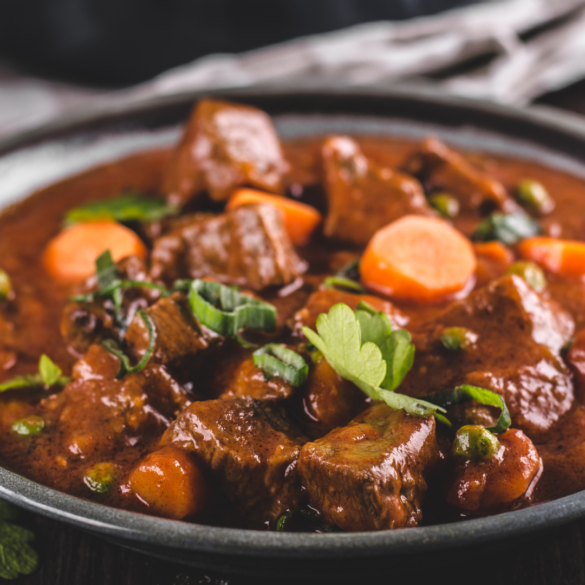
Ingredients
- 1.5–2 lbs (700–900g) stewing beef
- Salt and freshly ground black pepper, to taste
- 2–3 tbsp all-purpose flour (for dredging, optional)
- 3 tbsp olive oil or vegetable oil (for searing)
- 1 large onion, diced
- 2 garlic cloves, minced
- 2 large carrots, chopped into chunks
- 2 celery stalks, sliced
- 3 medium potatoes, peeled and quartered (optional, for a one-pot meal)
- 1 tbsp tomato paste
- 1 cup (250ml) red wine
- 2–3 cups beef stock (depending on how much sauce you want)
- 2–3 sprigs fresh thyme
- 2 bay leaves
- 1 tsp Worcestershire sauce (optional but highly recommended)
- 1 cup button mushrooms, halved or quartered
Instructions
1. Prepping the Ingredients:
- Remove the beef from the fridge about 20 minutes before cooking to bring it to room temperature.
- Pat the beef dry with paper towels (this ensures better browning) and season generously with salt and pepper. Optionally, dredge the beef in a light coating of flour. This helps thicken the sauce while cooking.
2. Searing the Beef:
- Heat 2–3 tablespoons of olive oil in a large, heavy-bottomed pot or Dutch oven over medium-high heat.
- Once the oil is hot, sear the beef cubes in batches. Avoid overcrowding the pot, as this will steam the meat instead of browning it. Brown the beef on all sides (around 2–3 minutes per side). Remove the browned beef from the pot and set it aside.
3. Sautéing the Vegetables:
- In the same pot, reduce the heat to medium and add a little more oil if needed.
- Add the diced onions, carrots, and celery. Sauté for 5–7 minutes, stirring occasionally, until the veggies soften and the onions become translucent.
- Add the minced garlic and cook for another minute until fragrant.
4. Deglazing the Pan:
- Stir in 1 tablespoon of tomato paste and let it cook for 1–2 minutes to release its rich flavor.
- Pour in 1 cup of red wine, scraping the bottom of the pot with a wooden spoon to deglaze any stuck-on bits from searing the beef. These browned bits are packed with flavor—don’t skip this step!
5. Building the Stew:
- Return the seared beef to the pot. Add the beef stock until it just covers the meat and vegetables, then stir in the thyme sprigs, bay leaves, and Worcestershire sauce.
- If you’re including potatoes, mushrooms, or any other additional ingredients, add them at this stage.
6. Simmer Low and Slow:
- Bring the stew to a gentle boil, then reduce the heat to low. Cover the pot with a lid and let it simmer gently for 2–3 hours. Alternatively, you can place the pot in an oven preheated to 300°F (150°C).
- Stir the stew occasionally and check on the liquid levels. If the stew looks dry, add a splash of beef stock or water.
7. Final Touches:
- After 2–3 hours, the beef should be fork-tender, and the flavors well-developed. Taste the stew and adjust the seasoning with salt and pepper as needed.
- For added richness, you can whisk in a small knob of butter before serving.
Discover more from Gordon Ramsay Dish
Subscribe to get the latest posts sent to your email.