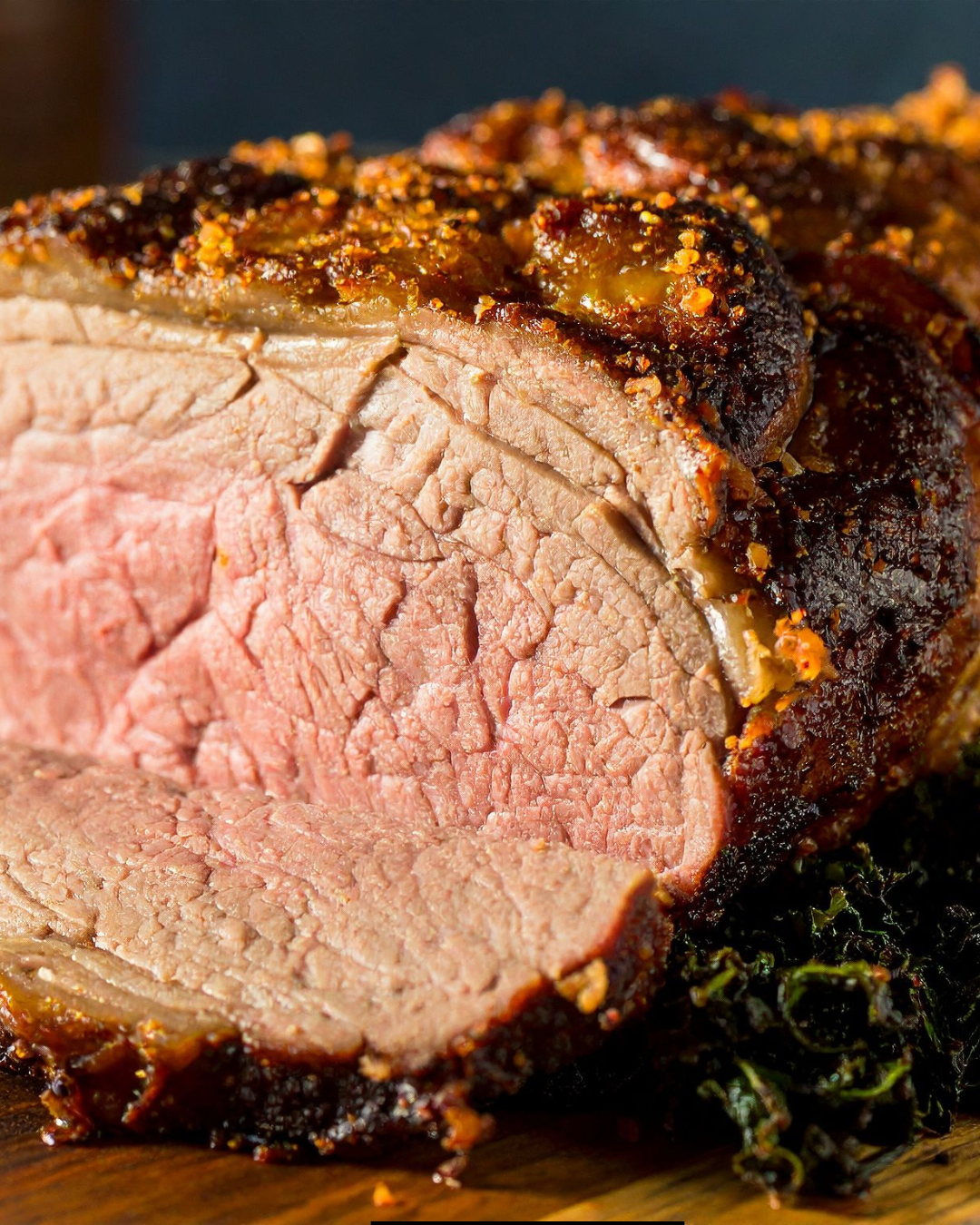
I’ll admit, the first time I tackled prime rib, I was a little intimidated. But Gordon Ramsay Prime Rib Roast recipe—infused with bold seasonings, precise techniques, and helpful tips—makes it feel like you have a Michelin-starred chef right there in the kitchen with you. From creating the perfect crust to nailing medium-rare doneness, this recipe simplifies the process while guaranteeing mouthwatering results every time.
Table of Contents
How to make Gordon Ramsay Prime Rib Roast
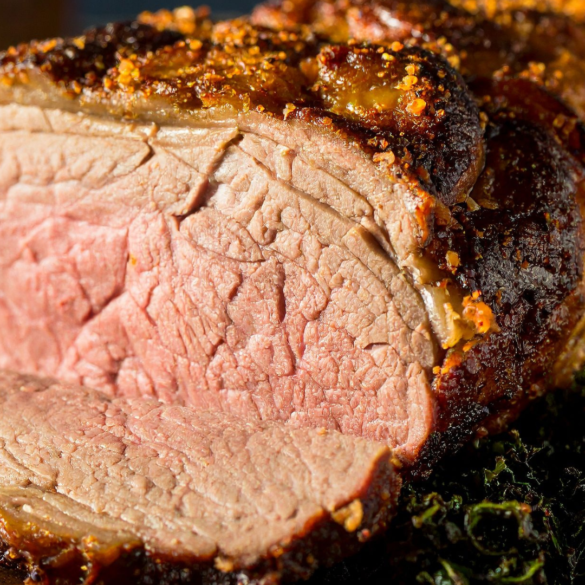
Gordon Ramsay Prime Rib Roast is a chef-style version of a roasted beef dish made from a prime rib (standing rib roast), prepared using techniques associated with Gordon Ramsay.
Ingredients
For the Prime Rib Roast
- Prime rib roast (bone-in) – 5-6 lbs (serves 6-8 people)
- Sea salt – 2 tbsp (adjust to taste)
- Freshly ground black pepper – 1 tbsp
- Garlic cloves (minced) – 4-6
- Fresh rosemary sprigs – 4-5
- Fresh thyme sprigs – 4-5
- Olive oil – 2-3 tbsp
For Basting
- Unsalted butter – 4-5 tbsp
- Garlic cloves (crushed) – 2-3
- Fresh rosemary and thyme – A sprig of each
Optional Accompaniments
- Yorkshire puddings
- Roasted potatoes
- Red wine jus or beef gravy
- Horseradish sauce
Instructions
Follow these detailed steps to prepare Gordon Ramsay prime rib roast:
- Remove the prime rib from the refrigerator at least 1-2 hours before cooking. This helps the meat come to room temperature, ensuring even cooking.
- Pat the roast dry with paper towels to remove excess moisture. This helps achieve a nice crust.
- Generously rub the prime rib with olive oil, followed by a mix of salt and pepper, making sure to coat all sides evenly.
- Rub the minced garlic over the roast, working it into the meat.
- Place the sprigs of rosemary and thyme on top and around the roast.
- Preheat your oven to 475°F (245°C).
- Meanwhile, heat a large skillet over high heat. Add a drizzle of olive oil, then carefully sear the prime rib on all sides until golden brown. This locks in the juices and adds depth of flavor.
- Transfer the seared prime rib onto a roasting tray or rack, fat side up.
- Roast the prime rib at 475°F (245°C) for 15 minutes to develop a rich crust.
- Reduce the oven temperature to 325°F (163°C) and continue roasting until the internal temperature reaches 125–130°F (52–54°C) for medium-rare. This typically takes 1.5–2 hours, depending on the size of the roast. For medium doneness, aim for 135°F (57°C).
- While roasting, melt butter in a small saucepan with crushed garlic and sprigs of rosemary and thyme.
- Every 30 minutes, baste the roast with the infused butter to keep it moist and flavorful.
- Once the desired doneness is achieved, remove the roast from the oven, cover it loosely with aluminum foil, and let it rest for 20-30 minutes. Resting is crucial as it allows the juices to redistribute evenly throughout the meat.
- Use a sharp carving knife to slice the prime rib into thick portions, cutting between the bones if it’s bone-in.
- Serve with your choice of accompaniments such as Yorkshire puddings, roasted vegetables, or a rich red wine jus.
Pro Tips for Perfect Prime Rib
- Accurate temperature is key! Insert a meat thermometer into the thickest part of the roast (avoid touching bone) to monitor doneness.
- Look for well-marbled prime rib from a reputable butcher. The fat marbling ensures a tender and flavorful roast.
- Skipping the resting process can result in a dry roast. The resting period lets the juices reabsorb into the meat, making it juicy and tender.
- Don’t skimp on seasoning. Salt, pepper, garlic, and fresh herbs are what truly enhance this cut of meat.
Ingredients Substitutes
Gordon Ramsay Prime Rib Roast is a luxurious dish with bold flavors that rely on quality ingredients, but sometimes you may need substitutes due to dietary preferences, availability, or budget constraints.
1. The Beef: Prime Rib Substitutes
Original Ingredient: Prime Rib Roast (Bone-In or Boneless)
Why You Might Substitute: Prime rib is a premium (and pricey) cut of beef. Depending on your budget or availability, you might want equally flavorful alternatives without breaking the bank.
Substitutes:
- Ribeye Roast (Boneless): A ribeye roast is essentially the same cut as a bone-in prime rib but without the bones. It’s equally tender and marbled, offering a similar flavor and texture.
- Strip Loin Roast (New York Strip Roast): This cut is leaner than prime rib but still flavorful and tender, with good marbling. Adjust the cooking time since it’s smaller.
- Tri-Tip Roast: A far more economical cut with decent marbling and tenderness. While it doesn’t have the same luxurious feel as prime rib, it can be just as delicious when properly seasoned and roasted.
- Top Sirloin Roast: A lean and budget-friendly cut, top sirloin is flavorful but requires additional steps (such as marinating or basting) to keep it moist.
2. Fresh Herbs
Original Ingredients: Fresh Rosemary and Thyme
Why You Might Substitute: Fresh herbs may not always be available or cost-effective, but their fragrant aroma is important to the dish’s character. Fortunately, there are simple alternatives.
Substitutes:
- Dried Herbs: Use dried rosemary and thyme instead of fresh. Since dried herbs are more concentrated, reduce the quantity by half (e.g., 1 tsp of dried rosemary instead of 2 tsp fresh).
- Herb Blends: Pre-made mixes like an Italian seasoning or Herbes de Provence can mimic the aroma of fresh rosemary and thyme.
- Parsley & Oregano: If you have parsley or oregano, these can add a nuanced herbaceous flavor. Use parsley for a lighter, fresher flavor and oregano for a more robust aroma.
3. Garlic
Original Ingredient: Fresh Garlic (Minced and Crushed)
Why You Might Substitute: Fresh garlic is a staple in Gordon Ramsay’s roast for its aromatic, savory punch. If fresh garlic isn’t available or you’re in a pinch, there are alternatives.
Substitutes:
- Garlic Powder: Sprinkle garlic powder evenly over the roast. Use about 1/4 to 1/2 tsp of garlic powder per garlic clove.
- Granulated Garlic: Similar to garlic powder but with a coarser texture. Use at the same ratio as garlic powder.
- Shallots or Onion: These won’t deliver the exact garlic flavor but provide a mild alternative and work well when roasted with the meat.
4. Olive Oil
Original Ingredient: Olive Oil
Why You Might Substitute: Not everyone enjoys the taste of olive oil, or you may not have it on hand.
Substitutes:
- Vegetable Oil: A neutral option that works well for searing the roast. While it lacks olive oil’s flavor, it performs similarly.
- Avocado Oil: This is a fantastic high-heat option with a neutral flavor.
- Butter: Melted butter can replace olive oil. It will add a richer flavor to the roast but may brown more quickly during searing.
5. Unsalted Butter
Original Ingredient: Butter (for Basting)
Why You Might Substitute: If you’re avoiding dairy or don’t have butter available, you can use alternative fats for basting.
Substitutes:
- Clarified Butter (Ghee): Ghee behaves like butter but with a higher smoke point, making it an excellent alternative for basting.
- Olive Oil or Avocado Oil: These oils can be used to baste the roast. While they lack the creamy richness of butter, they keep the meat moist.
Final Thoughts
This Gordon Ramsay prime rib roast isn’t just a recipe—it’s a celebration of timeless culinary techniques and bold flavors.
More Beef Recipes:
Ingredients
For the Prime Rib Roast
- Prime rib roast (bone-in) – 5-6 lbs (serves 6-8 people)
- Sea salt – 2 tbsp (adjust to taste)
- Freshly ground black pepper – 1 tbsp
- Garlic cloves (minced) – 4-6
- Fresh rosemary sprigs – 4-5
- Fresh thyme sprigs – 4-5
- Olive oil – 2-3 tbsp
For Basting
- Unsalted butter – 4-5 tbsp
- Garlic cloves (crushed) – 2-3
- Fresh rosemary and thyme – A sprig of each
Optional Accompaniments
- Yorkshire puddings
- Roasted potatoes
- Red wine jus or beef gravy
- Horseradish sauce
Instructions
- Remove the prime rib from the refrigerator at least 1-2 hours before cooking. This helps the meat come to room temperature, ensuring even cooking.
- Pat the roast dry with paper towels to remove excess moisture. This helps achieve a nice crust.
- Generously rub the prime rib with olive oil, followed by a mix of salt and pepper, making sure to coat all sides evenly.
- Rub the minced garlic over the roast, working it into the meat.
- Place the sprigs of rosemary and thyme on top and around the roast.
- Preheat your oven to 475°F (245°C).
- Meanwhile, heat a large skillet over high heat. Add a drizzle of olive oil, then carefully sear the prime rib on all sides until golden brown. This locks in the juices and adds depth of flavor.
- Transfer the seared prime rib onto a roasting tray or rack, fat side up.
- Roast the prime rib at 475°F (245°C) for 15 minutes to develop a rich crust.
- Reduce the oven temperature to 325°F (163°C) and continue roasting until the internal temperature reaches 125–130°F (52–54°C) for medium-rare. This typically takes 1.5–2 hours, depending on the size of the roast. For medium doneness, aim for 135°F (57°C).
- While roasting, melt butter in a small saucepan with crushed garlic and sprigs of rosemary and thyme.
- Every 30 minutes, baste the roast with the infused butter to keep it moist and flavorful.
- Once the desired doneness is achieved, remove the roast from the oven, cover it loosely with aluminum foil, and let it rest for 20-30 minutes. Resting is crucial as it allows the juices to redistribute evenly throughout the meat.
- Use a sharp carving knife to slice the prime rib into thick portions, cutting between the bones if it’s bone-in.
- Serve with your choice of accompaniments such as Yorkshire puddings, roasted vegetables, or a rich red wine jus.
Discover more from Gordon Ramsay Dish
Subscribe to get the latest posts sent to your email.