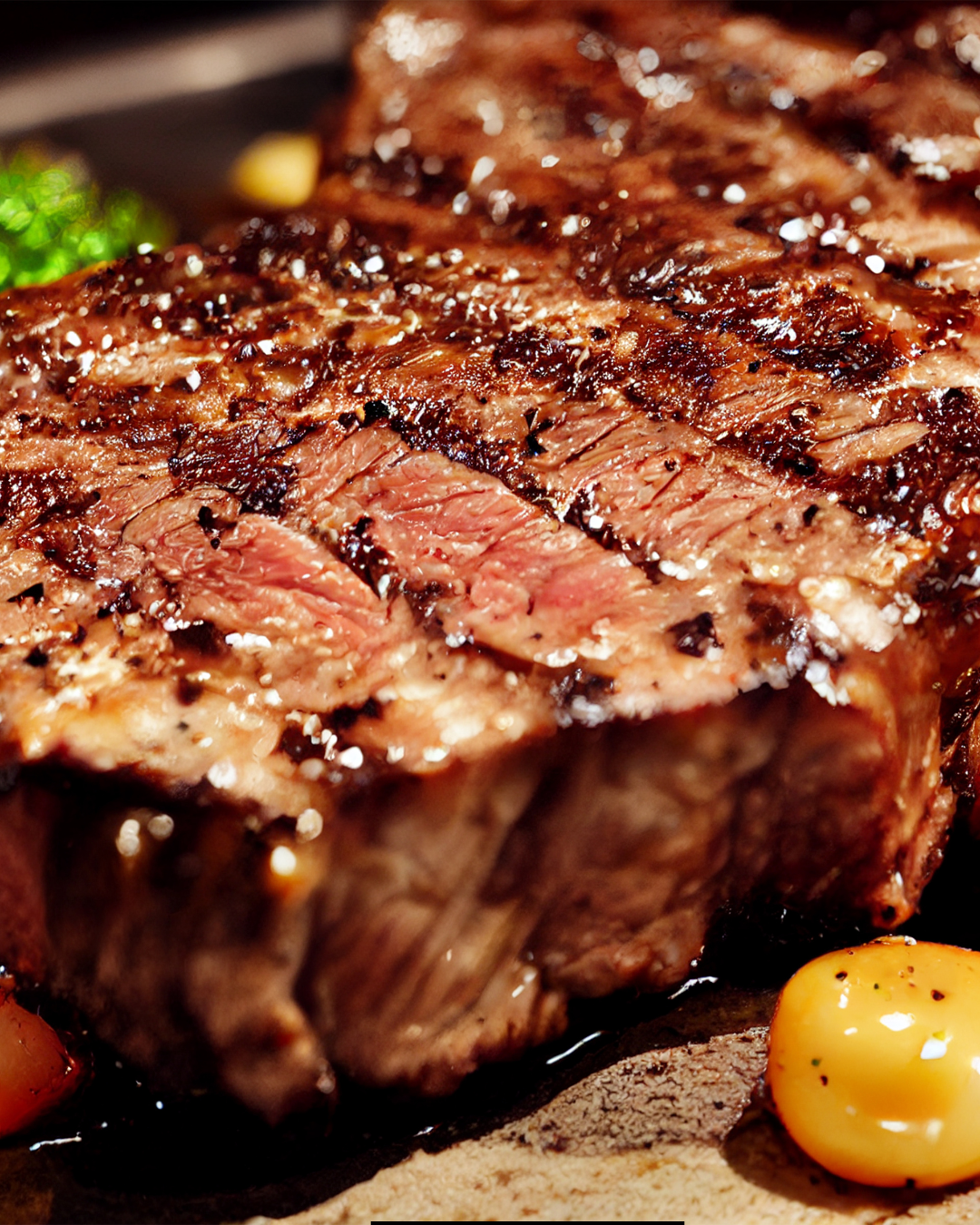
When it comes to cooking steak to perfection, few chefs rival the culinary genius of Gordon Ramsay. If you’re like me, you’ve watched him effortlessly sear steaks on TV, weaving magic into every bite with his impeccable techniques. But here’s the best part — you don’t need a Michelin-starred kitchen to recreate this Gordon Ramsay Beef Steak recipe. By following Ramsay’s simple yet sophisticated methods, you can transform an ordinary piece of beef into a restaurant-quality meal right in your own kitchen.
Table of Contents
How to make Gordon Ramsay Beef Steak
Gordon Ramsay Beef Steak is a steak dish prepared using Gordon Ramsay’s signature cooking style, which focuses on high-quality beef, intense pan-searing, butter basting, and simple seasonings to create a flavorful, tender, restaurant-style meal.
Ingredients
- Quality Steak
- Olive Oil
- Salt and Freshly Ground Black Pepper
- Butter
- Garlic Cloves
- Fresh Herbs
Instructions:
- Remove the steak from the fridge 30 minutes before cooking to allow it to come to room temperature. Cold steak won’t cook evenly, so this step is crucial.
- Pat the steak dry with paper towels. Dry meat helps create a better sear when cooking.
- Season generously on both sides with coarse salt and freshly ground black pepper. Ramsay emphasizes seasoning as one of the most important steps for flavor.
- Place a heavy-bottomed skillet or cast-iron pan on medium-high heat. A cast-iron pan works beautifully because it retains heat for even cooking.
- Once the pan is hot, add a small drizzle of olive oil and let it heat until shimmering. Ramsay prefers starting with a slightly smoking pan, as this ensures a quick and rich sear.
- Lay the steak gently into the pan (away from you to avoid splashes). Let it cook for about 2-3 minutes without moving it. This step builds a golden, caramelized crust.
- Flip the steak using tongs and sear the other side for another 2-3 minutes.
- Reduce the heat slightly and add a knob of unsalted butter, crushed garlic cloves, and fresh rosemary or thyme to the pan.
- Tilt the pan to pool the butter, and using a spoon, continuously baste the steak by lightly spooning the melted butter over it. This adds flavor and ensures the steak stays tender.
- The steak’s doneness depends on your preference. Use a meat thermometer for accuracy:
- Rare: 120°F (49°C)
- Medium Rare: 130°F (54°C)
- Medium: 140°F (60°C)
- Medium Well: 150°F (66°C)
- Well Done: 160°F (71°C)
- For thicker cuts, you may need to finish cooking in the oven at 375°F (190°C) after searing.
- Once done, transfer the steak to a cutting board and let it rest for 5-10 minutes. Resting is crucial to allow the juices to redistribute throughout the meat, ensuring every bite is tender and flavorful.
- If using a cut like sirloin or ribeye, slice the steak against the grain before serving—this ensures maximum tenderness.
- Serve with your favorite sides like mashed potatoes, sautéed vegetables, or a crisp salad.
Pro Tips for Making the Perfect Gordon Ramsay Beef Steak
- Invest in high-quality cuts with good marbling. The better the beef, the easier it is to achieve restaurant-quality results.
- Don’t be afraid to season generously; steak can handle bold flavors. Seasoning well in advance (1-2 hours) may help enhance the flavor.
- Cook one to two steaks at a time to avoid lowering the pan’s temperature and losing that perfect sear.
- Guesswork can ruin a steak. A thermometer helps you achieve the exact doneness without overcooking.
- Cutting into the steak immediately after cooking will cause the juices to spill out, leaving it dry. Resting ensures juicy, tender meat.
- Beyond rosemary and garlic, feel free to add combinations like shallots, parsley, or even a splash of white wine to the butter for a unique twist.
What to serve with
A steak as perfectly executed as Gordon Ramsay’s deserves equally impressive sides and accompaniments. While the Gordon Ramsay Beef Steak itself is the star of the meal, the right sides elevate it into a memorable dining experience.
Sautéed Vegetables:
- Asparagus: Sautéed or grilled with olive oil, salt, and pepper. Add a touch of garlic and lemon zest for extra flavor.
- Green Beans: Tossed with butter, shallots, and sautéed almonds for a nutty crunch.
- Spinach: Sauté with garlic and a hint of nutmeg for a velvety side dish.
- Mushrooms: Cremini or Portobello mushrooms cooked in butter and garlic pair beautifully with steak, adding earthy depth to the plate.
Roasted Vegetables:
- Carrots: Roast with olive oil, honey, and thyme for a sweet and savory side.
- Brussels Sprouts: Crispy roasted Brussels sprouts with balsamic glaze provide a bold, tangy contrast.
- Root Vegetables: Combine sweet potatoes, parsnips, and beetroot for a colorful, hearty medley.
Ingredients Substitutes
Cooking Gordon Ramsay Beef Steak recipe starts with selecting the best ingredients, but what happens if you can’t find everything or need alternatives? Fear not — substitutions can help you whip up the perfect steak dinner while keeping the flavors consistently delicious.
1. Steak Substitute
The cut of beef is the most crucial ingredient, as it determines texture, tenderness, and flavor. If you don’t have access to Ramsay’s recommended ribeye, sirloin, or filet mignon, here are some substitutions:
Alternative Beef Cuts:
- Flat Iron Steak: Affordable and similar in tenderness to filet mignon, flat iron steak has plenty of flavor and works well with Ramsay’s cooking method.
- Hanger Steak: Known for its deep beefy flavor, hanger steak is an excellent substitute for ribeye or sirloin. However, it’s slightly less tender and not as marbled.
- Skirt Steak or Flank Steak: These are thinner cuts with excellent flavor, ideal for searing. Be sure not to overcook them, as they can get tough.
Non-Beef Options:
- Pork Chops: Bone-in pork chops are a savory and juicy alternative, but require different cooking times. They also pair well with similar butter basting.
- Chicken Breast or Thighs: For a lighter alternative, chicken cooked with the same techniques can mimic the aromatic flavor profile while being leaner.
- Plant-Based Steak Alternatives: If you follow a vegetarian or vegan diet, opt for portobello mushrooms, marinated tofu, or soy-based “steak” alternatives. These can absorb Ramsay’s flavors beautifully.
2. Olive Oil Substitute
Olive oil is used to coat the pan for searing the steak, but it can be substituted with oils that have a high smoke point.
Recommendations:
- Avocado Oil: A great high-smoke-point oil that works well for searing steak. It has a mild flavor and performs similarly to olive oil.
- Canola Oil/Vegetable Oil: Neutral-tasting and readily available, these oils are excellent for searing as they don’t interfere with the steak’s rich beefy flavor.
- Ghee (Clarified Butter): Provides a buttery sear and deep flavor to steak while handling high heat.
3. Salt Substitutes
Coarse salt is ideal because it sticks well to the steak and enhances its natural flavors. However, if coarse salt isn’t available:
Alternative Options:
- Kosher Salt: A popular substitute that provides similar texture and flavor enhancement.
- Sea Salt: Slightly finer than coarse salt but still enhances the flavor effectively. If using fine sea salt, reduce the quantity since it can blend in too aggressively.
- Himalayan Pink Salt: Adds a subtle, mineral-like taste to the steak and works beautifully when sprinkled before cooking.
4. Freshly Ground Black Pepper Substitute
Fresh black pepper adds a bold, slightly spicy kick. If unavailable:
Recommendations:
- Pre-Ground Black Pepper: While it lacks the punch of freshly ground pepper, it can still deliver mild spice. Use it sparingly for best results.
- White Pepper: Provides a milder spice with less visual impact. It’s a good substitute but might slightly alter the steak’s flavor profile.
- Cayenne Pepper or Paprika: For an adventurous twist, you can sprinkle a small amount for heat or smokiness. However, use it in moderation as it may overpower the steak.
Final Thoughts
Combining simple seasoning with precision cooking techniques, Gordon Ramsay Beef Steak recipe is a true testament to culinary perfection. With the golden crust, infused aromatics, and juicy interior, this dish transforms steak night into a celebration.
More Recipes:
Ingredients
- Quality Steak
- Olive Oil
- Salt and Freshly Ground Black Pepper
- Butter
- Garlic Cloves
- Fresh Herbs
Instructions
- Remove the steak from the fridge 30 minutes before cooking to allow it to come to room temperature. Cold steak won’t cook evenly, so this step is crucial.
- Pat the steak dry with paper towels. Dry meat helps create a better sear when cooking.
- Season generously on both sides with coarse salt and freshly ground black pepper. Ramsay emphasizes seasoning as one of the most important steps for flavor.
- Place a heavy-bottomed skillet or cast-iron pan on medium-high heat. A cast-iron pan works beautifully because it retains heat for even cooking.
- Once the pan is hot, add a small drizzle of olive oil and let it heat until shimmering. Ramsay prefers starting with a slightly smoking pan, as this ensures a quick and rich sear.
- Lay the steak gently into the pan (away from you to avoid splashes). Let it cook for about 2-3 minutes without moving it. This step builds a golden, caramelized crust.
- Flip the steak using tongs and sear the other side for another 2-3 minutes.
- Reduce the heat slightly and add a knob of unsalted butter, crushed garlic cloves, and fresh rosemary or thyme to the pan.
- Tilt the pan to pool the butter, and using a spoon, continuously baste the steak by lightly spooning the melted butter over it. This adds flavor and ensures the steak stays tender.
- The steak’s doneness depends on your preference. Use a meat thermometer for accuracy:
- Rare: 120°F (49°C)
- Medium Rare: 130°F (54°C)
- Medium: 140°F (60°C)
- Medium Well: 150°F (66°C)
- Well Done: 160°F (71°C)
- For thicker cuts, you may need to finish cooking in the oven at 375°F (190°C) after searing.
- Once done, transfer the steak to a cutting board and let it rest for 5-10 minutes. Resting is crucial to allow the juices to redistribute throughout the meat, ensuring every bite is tender and flavorful.
- If using a cut like sirloin or ribeye, slice the steak against the grain before serving—this ensures maximum tenderness.
- Serve with your favorite sides like mashed potatoes, sautéed vegetables, or a crisp salad.
Discover more from Gordon Ramsay Dish
Subscribe to get the latest posts sent to your email.