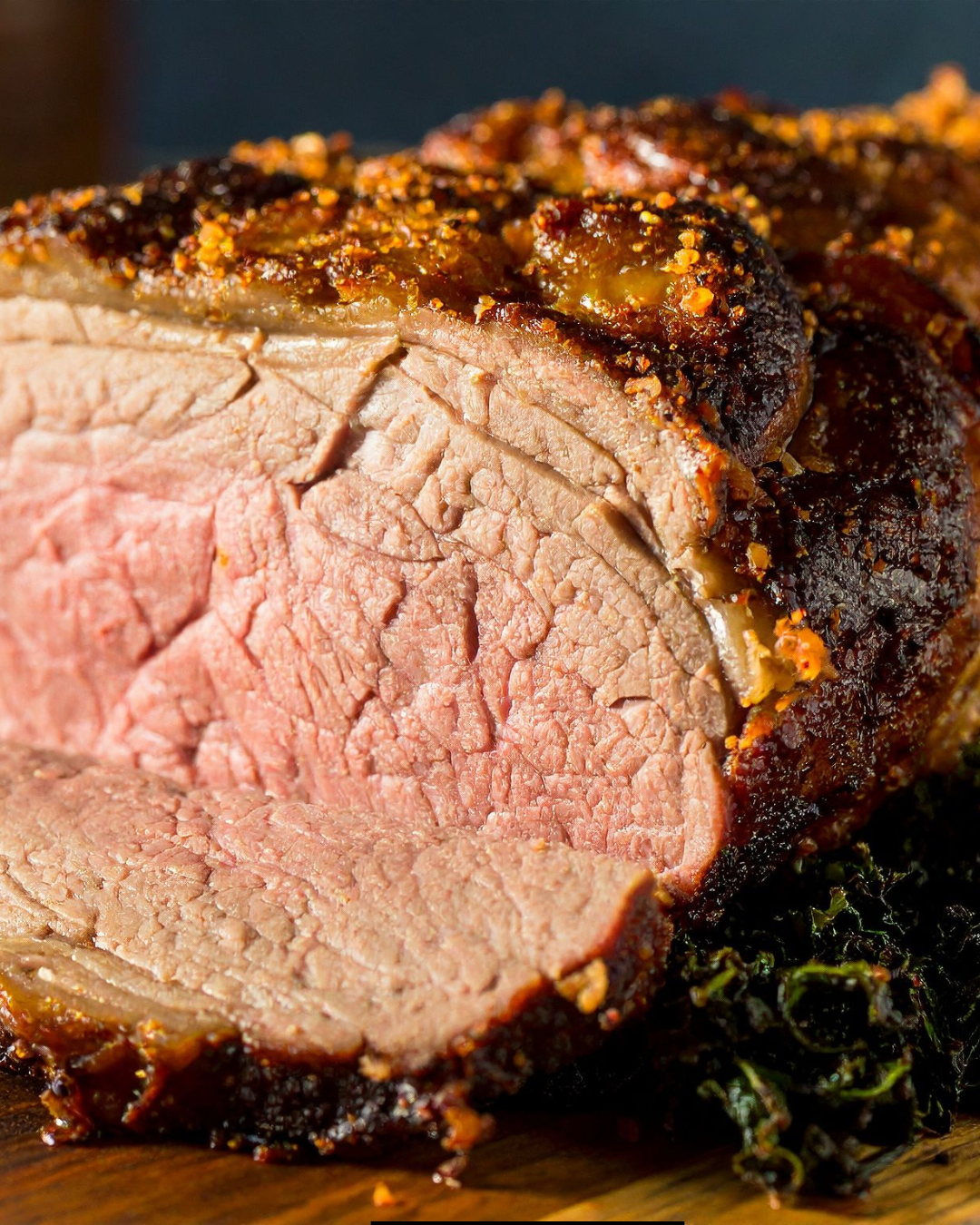
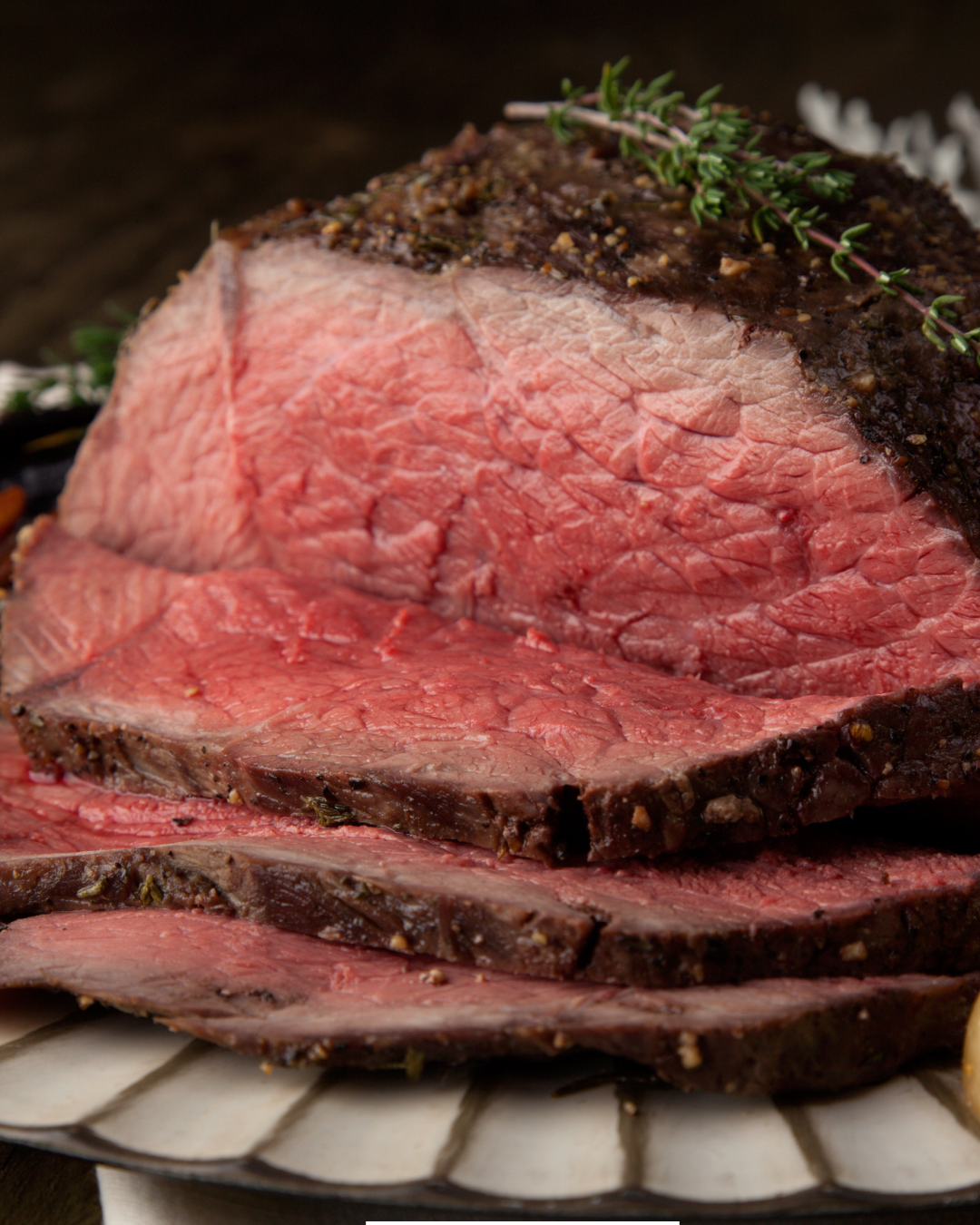
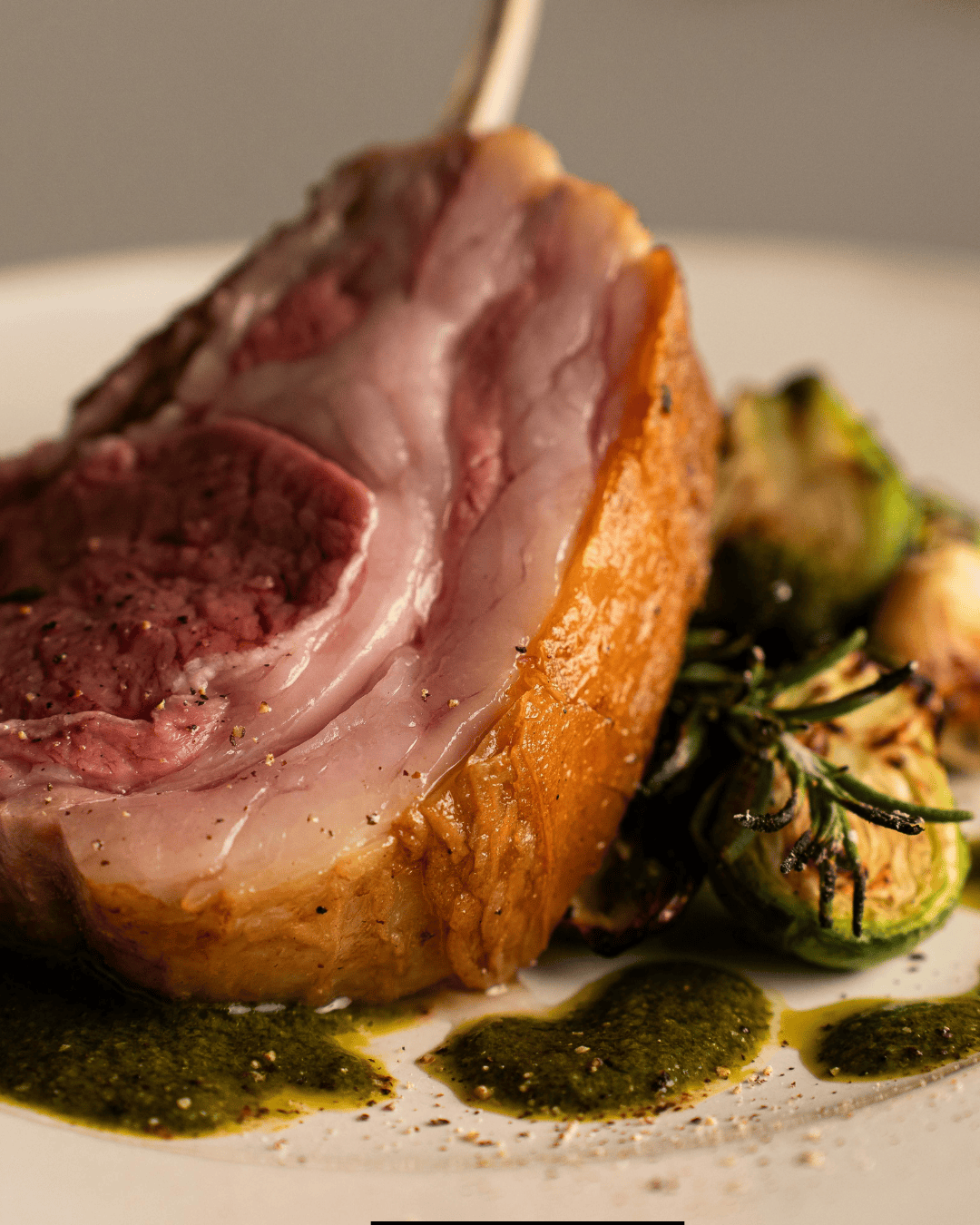
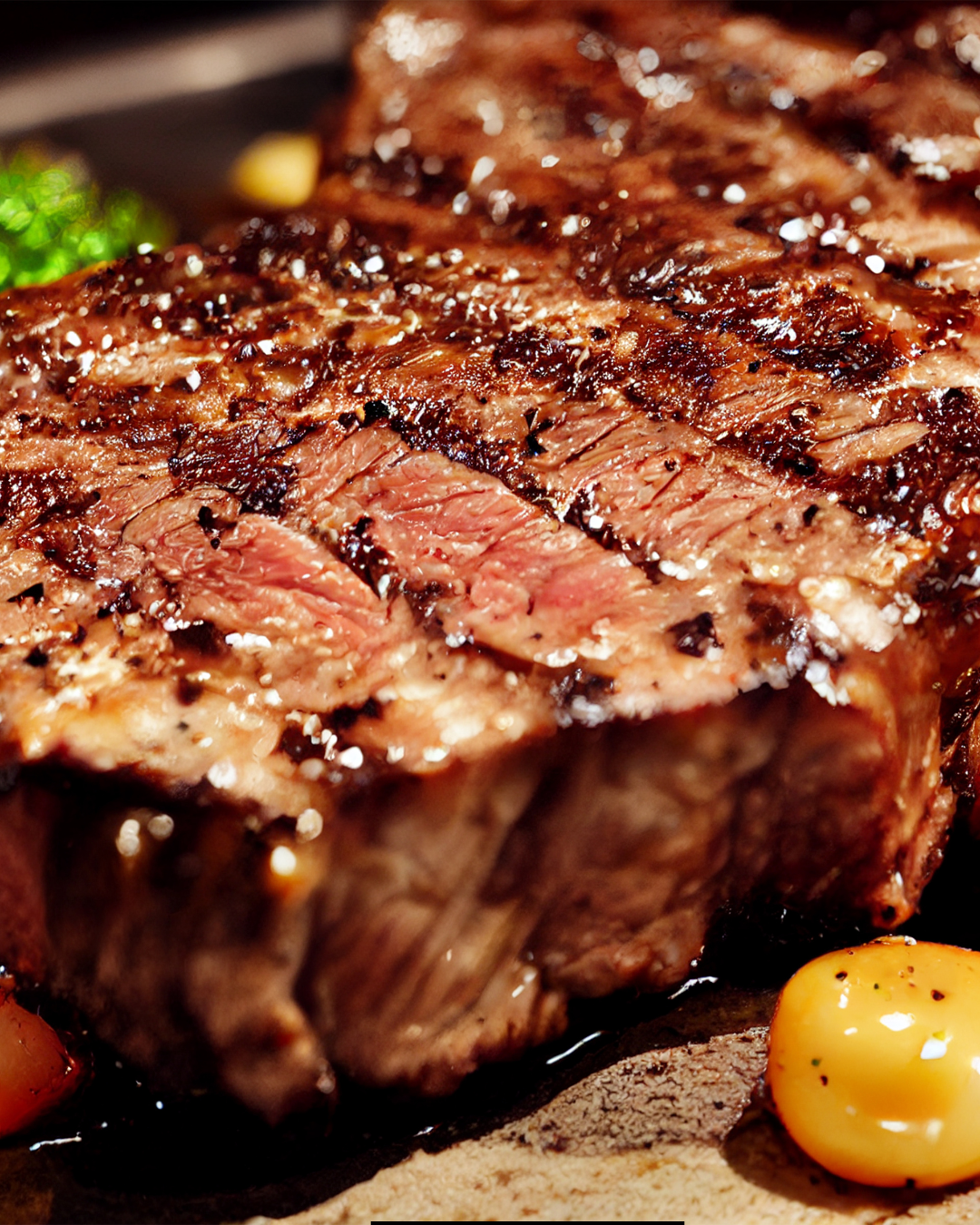
What makes Gordon Ramsay brisket stand out? It’s the attention to detail, the careful balance of seasoning, and his knack for turning simple ingredients into something extraordinary.
How to make Gordon Ramsay Beef Brisket
Gordon Ramsay Beef Brisket is a slow-cooked beef dish made from brisket, a flavorful cut taken from the lower chest of the cow.
Ingredients
Below is a list of the ingredients for a Gordon Ramsay beef brisket. Feel free to adapt flavors to your preference!
For the Brisket
- Beef brisket: 3-4 lbs (preferably with a good fat cap for flavor).
- Olive oil: 2 tablespoons (for searing).
- Salt and freshly ground black pepper: To taste.
For the Marinade (Optional but Recommended)
- Garlic: 4-5 cloves, minced.
- Worcestershire sauce: 2 tablespoons.
- Soy sauce: 2 tablespoons.
- Smoked paprika: 1 teaspoon.
- Fresh rosemary and thyme: A few sprigs each.
- Dijon mustard: 1 tablespoon.
For the Cooking Sauce
- Onions: 2 large, sliced.
- Carrots: 2, chopped into large chunks.
- Celery: 2 stalks, chopped.
- Garlic: 4 cloves, roughly chopped.
- Tomato paste: 1 tablespoon.
- Red wine: 1 cup (optional, substitute with beef stock if preferred).
- Beef stock: 3 cups.
- Balsamic vinegar: 1 tablespoon.
- Honey: 1 tablespoon (optional, for a hint of sweetness).
- Bay leaves: 2.
Instructions
Step 1: Prepare the Brisket
- Marinate (Optional for Enhanced Flavor): Place the brisket in a shallow dish or resealable plastic bag. Combine all marinade ingredients and pour over the brisket. Let it marinate in the fridge for at least 2-4 hours, or preferably overnight.
- Remove from Fridge: Take the brisket out of the fridge 30 minutes before cooking to bring it to room temperature. Pat it dry with paper towels and season generously with salt and black pepper for a nice crust.
Step 2: Sear the Brisket
- Heat the olive oil in a large, heavy-bottomed pot or Dutch oven over medium-high heat.
- Once the oil is hot, sear the brisket on all sides until golden brown (2-3 minutes per side). This step locks in juices and adds a rich flavor.
- Remove the brisket from the pot and set it aside.
Step 3: Prepare the Base for Cooking
- In the same pot, reduce the heat to medium and add a bit more olive oil if needed.
- Add the onions, carrots, celery, and garlic. Sauté for 5-7 minutes until softened and lightly caramelized.
- Stir in the tomato paste and cook for another minute to develop its flavor.
- Deglaze the pot with red wine (or beef stock), scraping the bottom of the pot to release the browned bits (this adds depth to your sauce).
Step 4: Braising the Brisket
- Return the seared brisket to the pot. Nestle it among the vegetables and the cooking sauce base.
- Pour in the beef stock until the brisket is mostly submerged. Add bay leaves, fresh rosemary, thyme, and balsamic vinegar.
- Cover the pot with a lid and transfer it to a preheated oven at 325°F (160°C).
- Cook Low and Slow: Let the brisket braise for 3-4 hours, flipping it halfway through to ensure even cooking. Check occasionally and add more beef stock or water if the sauce reduces too much.
Step 5: Rest and Serve
- Once the brisket is tender enough to shred with a fork, remove it from the pot and let it rest for 10-15 minutes. Resting allows the juices to redistribute for a moist and flavorful result.
- Meanwhile, strain the cooking liquid through a sieve (optional) and reduce it over medium heat for a thicker, richer sauce. Adjust seasoning with additional salt, pepper, or honey if needed.
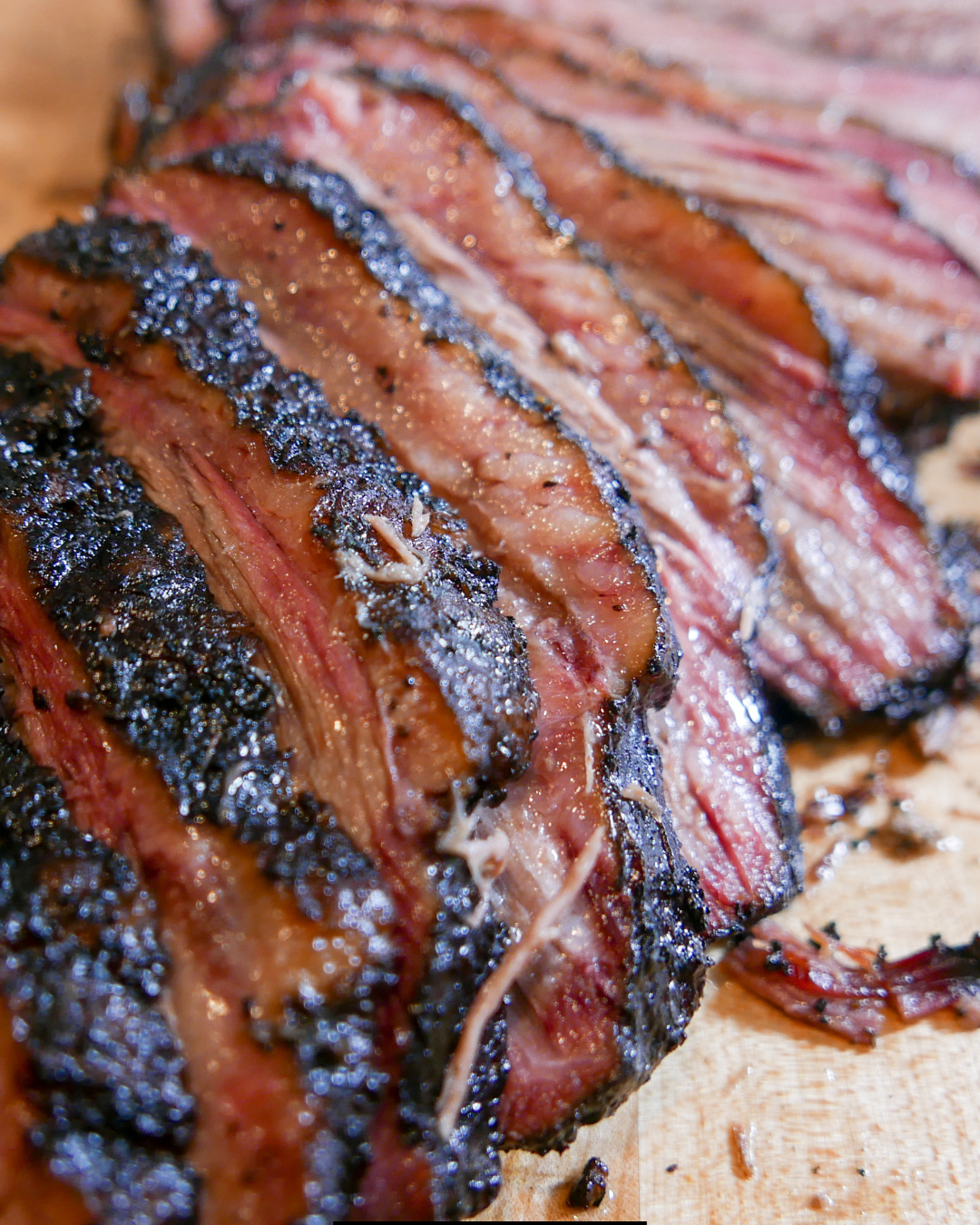
- Slice the Gordon Ramsay Beef Brisket against the grain for maximum tenderness. Serve with the sauce poured over the slices, along with your favorite sides like creamy mashed potatoes, roasted vegetables, or crusty bread.
Pro Tips for Perfecting Your Brisket
- Choose the Right Cut: Look for a brisket with a good fat cap, as the fat renders during cooking and keeps the meat juicy.
- Don’t Rush the Cooking Process: The key to tender brisket is cooking it low and slow to allow the collagen and connective tissue to break down.
- Check for Doneness: The brisket should be fork-tender. If it’s still a bit tough, extend the cooking time by 30-45 minutes.
- Strain for a Smooth Sauce: If you prefer a silky sauce, strain the vegetables out after cooking. You could also blend the vegetables into the sauce for added thickness.
- Reheat Like a Pro: Brisket often tastes even better the next day. To reheat, slice the brisket and warm it up in the reserved sauce to keep it moist.
Ingredients Substitutes
When making Gordon Ramsay beef brisket, you may find yourself needing substitutes for some of the ingredients due to availability, dietary preferences, or simply for a personal twist.
Main Protein: Substitutes for Beef Brisket
If you can’t find beef brisket or want a different cut:
- Beef Chuck Roast (Top Substitute): Similar marbling and collagen content, making it perfect for slow cooking. It also develops a tender, succulent texture. Follow the same recipe instructions and cook time.
- Beef Short Ribs (Bone-In): Rich, fatty, and packed with flavor. These work well for braising and can deliver a slightly different texture but a similarly decadent result.
- Beef Shank (Osso Buco): Leaner but loaded with connective tissue and collagen, which breaks down beautifully during slow cooking. You may need slightly more liquid during the braising process.
- Lamb Shoulder or Lamb Shank: For a unique twist, lamb offers a broader, gamey flavor that pairs wonderfully with the braising process and herbs used in the recipe.
- Pork Shoulder (Picnic Roast/Boston Butt): If you prefer pork, the shoulder cut works well for long slow cooking. The texture will be different, but the fat content ensures richness.
Oil/Fat: Substitutes for Olive Oil
Olive oil is typically used for searing the brisket and sautéing vegetables. Consider these alternatives:
- Canola Oil or Vegetable Oil: Neutral in flavor and heat-friendly. Perfect for searing or sautéing in place of olive oil.
- Beef Tallow or Bacon Grease: For more depth of flavor, rendered beef fat or bacon grease can add a savory, smoky note to the final dish.
- Butter with a Neutral Oil: A tablespoon of butter mixed with canola or vegetable oil gives the richness of butter without burning during searing.
Salt and Pepper: Alternatives for Seasoning
Kosher Salt ↔ Table Salt: Use a slightly reduced amount of table salt when substituting for kosher salt as the granules are finer (approximately ¾ tsp for every 1 tsp kosher salt).
Black Pepper Substitutes
White Pepper: Milder in flavor but adds an earthy and warm note.
Crushed Peppercorn Mix: A blend of black, green, pink, or white peppercorns will add a deeper complexity to the seasoning.
Marinade Ingredients: Substitutes for Flavor Layers
The marinade consists of garlic, Worcestershire sauce, soy sauce, smoked paprika, Dijon mustard, and fresh herbs. Here’s how to adapt:
Final Thoughts
With this Gordon Ramsay beef brisket recipe, you’ll have a dish that combines tender, flavorful meat with a sauce so good, you’ll want to drizzle it over everything.
More Beef Recipes:
Ingredients
For the Brisket
- Beef brisket: 3-4 lbs (preferably with a good fat cap for flavor).
- Olive oil: 2 tablespoons (for searing).
- Salt and freshly ground black pepper: To taste.
For the Marinade (Optional but Recommended)
- Garlic: 4-5 cloves, minced.
- Worcestershire sauce: 2 tablespoons.
- Soy sauce: 2 tablespoons.
- Smoked paprika: 1 teaspoon.
- Fresh rosemary and thyme: A few sprigs each.
- Dijon mustard: 1 tablespoon.
For the Cooking Sauce
- Onions: 2 large, sliced.
- Carrots: 2, chopped into large chunks.
- Celery: 2 stalks, chopped.
- Garlic: 4 cloves, roughly chopped.
- Tomato paste: 1 tablespoon.
- Red wine: 1 cup
- Beef stock: 3 cups.
- Balsamic vinegar: 1 tablespoon.
- Honey: 1 tablespoon (optional, for a hint of sweetness).
- Bay leaves: 2.
Instructions
Step 1: Prepare the Brisket
- Marinate (Optional for Enhanced Flavor): Place the brisket in a shallow dish or resealable plastic bag. Combine all marinade ingredients and pour over the brisket. Let it marinate in the fridge for at least 2-4 hours, or preferably overnight.
- Remove from Fridge: Take the brisket out of the fridge 30 minutes before cooking to bring it to room temperature. Pat it dry with paper towels and season generously with salt and black pepper for a nice crust.
Step 2: Sear the Brisket
- Heat the olive oil in a large, heavy-bottomed pot or Dutch oven over medium-high heat.
- Once the oil is hot, sear the brisket on all sides until golden brown (2-3 minutes per side). This step locks in juices and adds a rich flavor.
- Remove the brisket from the pot and set it aside.
Step 3: Prepare the Base for Cooking
- In the same pot, reduce the heat to medium and add a bit more olive oil if needed.
- Add the onions, carrots, celery, and garlic. Sauté for 5-7 minutes until softened and lightly caramelized.
- Stir in the tomato paste and cook for another minute to develop its flavor.
- Deglaze the pot with red wine (or beef stock), scraping the bottom of the pot to release the browned bits (this adds depth to your sauce).
Step 4: Braising the Brisket
- Return the seared brisket to the pot. Nestle it among the vegetables and the cooking sauce base.
- Pour in the beef stock until the brisket is mostly submerged. Add bay leaves, fresh rosemary, thyme, and balsamic vinegar.
- Cover the pot with a lid and transfer it to a preheated oven at 325°F (160°C).
- Cook Low and Slow: Let the brisket braise for 3-4 hours, flipping it halfway through to ensure even cooking. Check occasionally and add more beef stock or water if the sauce reduces too much.
Step 5: Rest and Serve
- Once the brisket is tender enough to shred with a fork, remove it from the pot and let it rest for 10-15 minutes. Resting allows the juices to redistribute for a moist and flavorful result.
- Meanwhile, strain the cooking liquid through a sieve (optional) and reduce it over medium heat for a thicker, richer sauce. Adjust seasoning with additional salt, pepper, or honey if needed.
- Slice the Gordon Ramsay Beef Brisket against the grain for maximum tenderness. Serve with the sauce poured over the slices, along with your favorite sides like creamy mashed potatoes, roasted vegetables, or crusty bread.
Discover more from Gordon Ramsay Dish
Subscribe to get the latest posts sent to your email.