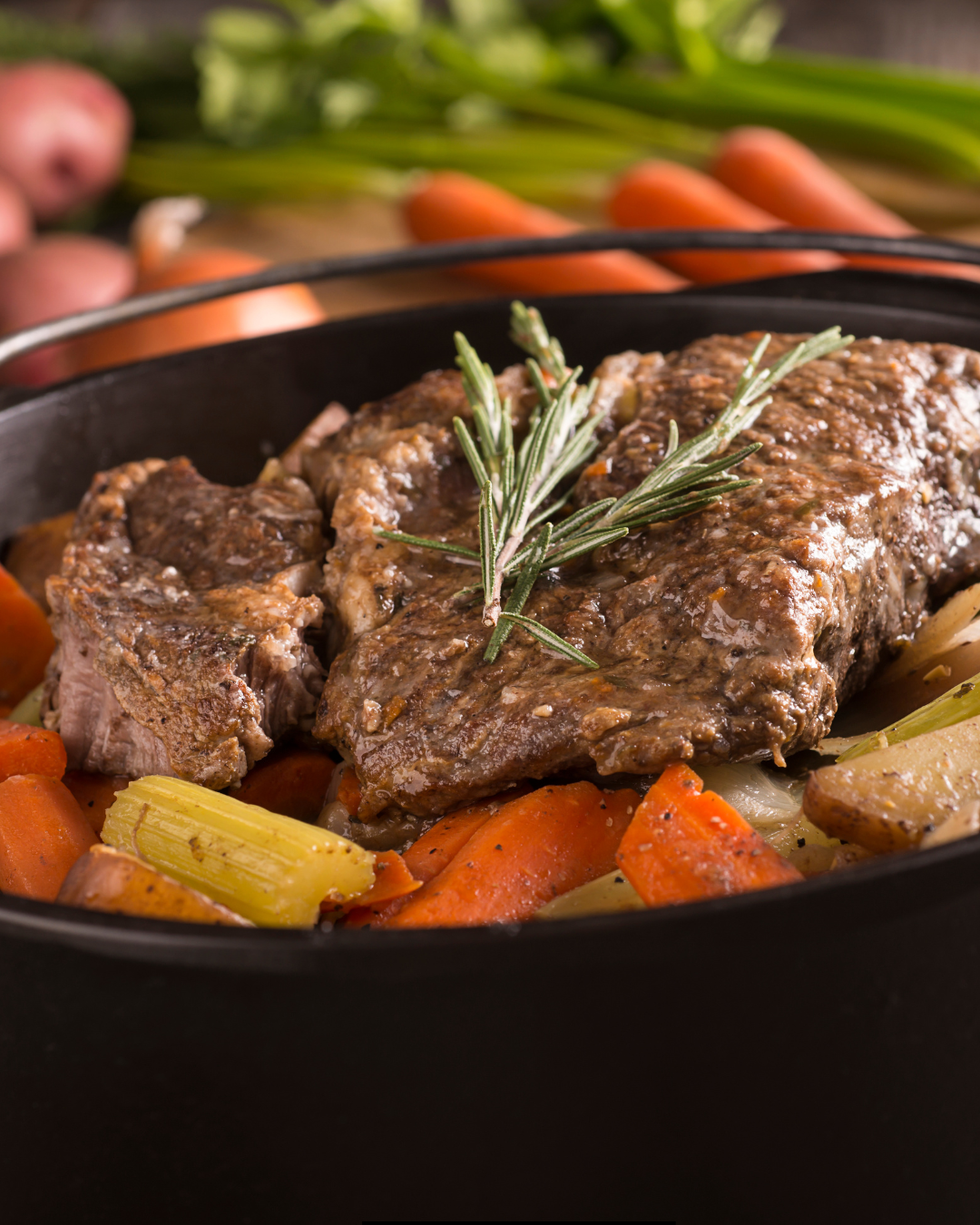
This Gordon Ramsay Pot Roast recipe takes cues from the world-renowned chef’s focus on bold flavors, proper technique, and the magic of simple ingredients done well.
While there are countless ways to prepare a pot roast, one name instantly comes to mind when you think of elevating comfort food into restaurant-quality gourmet fare: Gordon Ramsay.
Table of Contents
How to make Gordon Ramsay Pot Roast
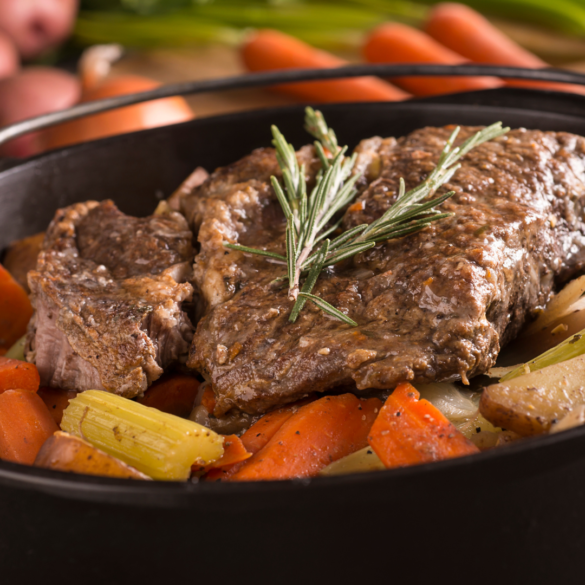
Gordon Ramsay Pot Roast is a slow-cooked beef dish inspired by Chef Gordon Ramsay that transforms a tough cut of beef into a tender, flavorful meal. The beef is first seared to develop a rich crust, then braised low and slow in a Dutch oven or roasting pan with vegetables, herbs, stock, and often red wine until it becomes fork-tender.
Ingredients
For the Pot Roast
- 3–4 lbs beef chuck roast (brisket or round can be used as well)
- 2–3 tbsp olive oil or vegetable oil (for searing)
- Salt and freshly ground black pepper (to taste)
- 2 large carrots, peeled and chopped into chunks
- 2 celery stalks, chopped
- 2 medium onions, roughly chopped
- 4–5 garlic cloves, smashed
- 2 tbsp tomato paste (optional, for depth of flavor)
- 1 cup red wine (like Cabernet Sauvignon or Merlot)
- 2–3 cups low-sodium beef stock (or enough to cover the roast halfway)
- 2 sprigs fresh thyme
- 2 sprigs fresh rosemary
- 1–2 bay leaves
Optional Add-Ins
- 1 lb baby potatoes (or 3–4 medium potatoes, peeled and cut)
- 1 tbsp Worcestershire sauce (for added savoriness)
For the Gravy
- 2 tbsp all-purpose flour or cornstarch (to thicken)
- 1 tbsp unsalted butter (optional, for a glossy finish)
Instructions
1. Prepare the Beef
- Remove the beef roast from the refrigerator and allow it to rest at room temperature for 30 minutes. This ensures even cooking.
- Pat the beef dry with paper towels, then season generously with salt and freshly ground black pepper on all sides.
2. Sear the Meat
- Heat a Dutch oven or heavy-bottomed oven-safe pot over medium-high heat. Add the olive oil and let it shimmer.
- Sear the beef on all sides (3–4 minutes per side) until it forms a deep brown crust. This locks in flavor.
- Remove the beef from the pot and set it aside.
3. Sauté the Aromatics
- Lower the heat to medium. Add the onions, carrots, celery, and garlic to the pot. Sauté for 5–7 minutes, stirring occasionally, until the vegetables soften and develop a golden-brown color.
- Stir in the tomato paste (if using) and cook for 1 minute to allow it to caramelize.
4. Deglaze with Wine
- Add the red wine to the pot to deglaze. Stir while scraping up the browned bits (called fond) at the bottom of the pot—this is where much of the flavor lives!
- Let the wine simmer for about 5 minutes until it reduces slightly.
5. Begin the Braising Process
- Return the seared beef to the pot, nestling it among the vegetables.
- Pour in enough beef stock to cover the roast about halfway. Add the thyme, rosemary, and bay leaves.
- For an extra layer of flavor, stir in Worcestershire sauce if desired.
- Bring the liquid to a gentle simmer on the stovetop, then cover the pot with a tight-fitting lid.
6. Cook Low and Slow
- Transfer the pot to a preheated oven at 325°F (160°C). Let the roast braise for 2.5–3 hours, depending on the size of the roast, until it’s fork-tender.
- Halfway through cooking, flip the roast and check the liquid levels. Add more stock if it’s drying out.
- If you’re adding potatoes, place them into the pot about 45 minutes before the roast is done so they cook without becoming over-soft.
7. Make the Gravy
- Once the roast is cooked, remove it along with the vegetables to a serving platter. Cover with aluminum foil to keep warm.
- Strain the cooking liquid through a fine mesh sieve into a saucepan, discarding the herbs and any solids.
- If you prefer a thicker gravy, mix 2 tablespoons of all-purpose flour or cornstarch with 3 tablespoons of cold water to form a slurry. Gradually whisk this into the strained cooking liquid.
- Simmer the gravy over medium heat until it thickens. Optional: Add 1 tablespoon of butter at the end for extra richness.
8. Serve
- Slice the pot roast against the grain into thick slices for maximum tenderness.
- Arrange the slices on a serving plate with the carrots, celery, and potatoes from the pot.
- Generously spoon the rich gravy over the meat and vegetables.
- Garnish with fresh thyme or parsley for an elegant touch.
Tips for the Perfect Pot Roast
- A well-marbled beef chuck roast works best due to its fat content, which keeps the meat moist and tender during the long braising time. Brisket or round cuts are also great options but may be slightly leaner.
- Pot roast is the ultimate slow-cooking dish. The long cooking time is necessary to break down the connective tissues in the beef, resulting in that “melt-in-your-mouth” texture.
- Don’t skip the step of deglazing the pot with wine. It’s crucial to scrape up all the flavorful bits left behind from searing the meat and vegetables.
- Fresh thyme and rosemary enhance the dish with a beautifully aromatic depth. If you don’t have fresh herbs, dried versions can work in a pinch—use half as much.
- Pot roast tastes even better the next day as the flavors deepen and meld together. Reheat it slowly on the stovetop or in the oven to ensure the meat stays tender and moist.
- Let the sauce simmer gently until it reaches the desired consistency. A glossy, rich gravy takes this dish to the next level.
What to serve with
A perfectly cooked pot roast is a hearty and satisfying centerpiece for any meal. But if you want to take your dining experience to the next level, pairing it with complementary sides, beverages, and even tasty desserts can make all the difference.
- Mashed Potatoes: Nothing says “comfort food” like a creamy bed of mashed potatoes to soak up all that rich, savory pot roast gravy. For an inspired twist, try Gordon Ramsay’s Mashed Potatoes recipe:
- Herb-Roasted Vegetables: Pair your pot roast with oven-roasted vegetables seasoned with olive oil, garlic, fresh thyme, and rosemary. Try roasting a medley of carrots, parsnips, Brussels sprouts, and red onions for a rustic yet elegant touch.
- Yorkshire Puddings: Traditional Yorkshire puddings add a British flair to your pot roast meal. These light and puffy sides are perfect for mopping up all that delicious gravy.
- Creamed Spinach: The slight bitterness of spinach in a creamy sauce perfectly contrasts the richness of the pot roast.
Ingredients Substitutes
Cooking a Gordon Ramsay pot roast is an experience filled with bold flavors, tender textures, and comforting aromas. But what happens if you’re missing a key ingredient or need to accommodate dietary restrictions? No worries! With a bit of creativity, there are plenty of substitutes that ensure your pot roast still turns out amazing.
1. Beef Roast Substitutes
Original Ingredient: Beef Chuck Roast
Why It’s Used: Chuck roast is a highly marbled cut of beef, meaning it has enough fat to stay tender and juicy over the long braising process. This makes it perfect for pot roast.
Substitutes:
- Brisket: A slightly leaner cut but still tender when cooked low and slow. It has a stronger beefy flavor.
- Beef Round Roast or Rump Roast: These cuts are leaner, so add extra fat to the pot, like a splash of olive oil or a knob of butter.
- Lamb Shoulder: For a different flavor profile, lamb shoulder works beautifully in place of beef.
- Pork Shoulder (Pork Butt): If you want a change, pork shoulder is another great choice for slow cooking.
- Boneless Chicken Thighs: For a lighter protein option, chicken thighs work well, but reduce the cooking time as they cook faster than beef.
2. Cooking Oil Substitutes
Original Ingredient: Olive Oil or Vegetable Oil
Why It’s Used: To sear the beef and develop a caramelized crust.
Substitutes:
- Canola Oil: Has a neutral flavor and high smoke point, making it a good alternative.
- Butter or Ghee: Adds a rich, buttery flavor; just be cautious of the lower smoke point to avoid burning.
- Avocado Oil: A neutral, high-heat oil, making it excellent for searing.
- Coconut Oil: Use this if you’re aiming for a subtle coconut flavor in your dish, though it’s less traditional.
3. Wine Substitutes
Original Ingredient: Red Wine (e.g., Cabernet Sauvignon or Merlot)
Why It’s Used: Red wine brings acidity and depth to the dish, balancing the richness of the meat and gravy. It also aids in deglazing the pan after searing the roast.
Substitutes:
- Beef Stock with a Splash of Vinegar: Use beef or chicken stock with 1-2 tablespoons of red wine vinegar or balsamic vinegar.
- Pomegranate Juice or Grape Juice: These juices mimic the sweetness and acidity of wine. Reduce the juice slightly for a concentrated flavor.
- Tomato Juice or Crushed Tomatoes: A robust substitute that adds richness and acidity.
- Non-Alcoholic Red Wine or Grape-Based Juice Blends: An excellent option if you’d like to stay alcohol-free.
4. Vegetable Substitutes
Original Ingredient: Carrots, Celery, and Onions
Why It’s Used: These vegetables are the base of the classic mirepoix, a mix that adds aroma, texture, and natural sweetness to the dish.
Substitutes:
For Carrots:
- Use turnips, parsnips, or squash for a similarly sweet, earthy flavor.
- Sweet potatoes can also work but will become mushy if overcooked.
For Celery:
- Try fennel stalks for a similar earthy crunch and a slightly anise-like flavor.
- Green peppers can also add a distinct flavor, but use them sparingly, as they can overpower.
For Onions:
- Use leeks (white and light green parts only) or shallots as milder substitutes.
- For a sweeter option, try pearl onions or even red onions, though they will slightly change the flavor.
5. Herb Substitutes
Original Ingredient: Fresh Thyme and Rosemary
Why It’s Used: These herbs provide earthy, fragrant notes that pair beautifully with the richness of the beef and gravy.
Substitutes:
- Dried Herbs: Use dried thyme and dried rosemary, reducing the amounts by half since dried herbs are more concentrated (e.g., 1 tsp dried instead of 1 tbsp fresh).
- Oregano or Sage: While not identical, either of these can mimic the woodsy notes of thyme and rosemary. Use sparingly to avoid overpowering the dish.
- Herbes de Provence: This French herb blend typically contains thyme and rosemary along with other complementary herbs.
- Italian Seasoning: A great store-bought option for those without individual fresh or dried herbs.
Final Thoughts
A Gordon Ramsay pot roast has all the makings of a show-stopping meal, but it truly shines when paired with the right sides, drinks, and desserts.
More Beef Recipes:
- Gordon Ramsay Beef Stroganoff Recipe
- Gordon Ramsay Lamb Chops Recipe
- Gordon Ramsay Beef Brisket Recipe
- Copycat Gordon Ramsay Meatloaf Recipe
- Copycat Gordon Ramsay Beef Short Ribs Recipe
- Copycat Gordon Ramsay Beef Wellington Recipe
- Copycat Gordon Ramsay Beef Steak Recipe
Ingredients
For the Pot Roast
- 3–4 lbs beef chuck roast (brisket or round can be used as well)
- 2–3 tbsp olive oil or vegetable oil (for searing)
- Salt and freshly ground black pepper (to taste)
- 2 large carrots, peeled and chopped into chunks
- 2 celery stalks, chopped
- 2 medium onions, roughly chopped
- 4–5 garlic cloves, smashed
- 2 tbsp tomato paste (optional, for depth of flavor)
- 1 cup red wine (like Cabernet Sauvignon or Merlot)
- 2–3 cups low-sodium beef stock
- 2 sprigs fresh thyme
- 2 sprigs fresh rosemary
- 1–2 bay leaves
Optional Add-Ins
- 1 lb baby potatoes (or 3–4 medium potatoes, peeled and cut)
- 1 tbsp Worcestershire sauce (for added savoriness)
For the Gravy
- 2 tbsp all-purpose flour or cornstarch (to thicken)
- 1 tbsp unsalted butter (optional, for a glossy finish)
Instructions
1. Prepare the Beef
- Remove the beef roast from the refrigerator and allow it to rest at room temperature for 30 minutes. This ensures even cooking.
- Pat the beef dry with paper towels, then season generously with salt and freshly ground black pepper on all sides.
2. Sear the Meat
- Heat a Dutch oven or heavy-bottomed oven-safe pot over medium-high heat. Add the olive oil and let it shimmer.
- Sear the beef on all sides (3–4 minutes per side) until it forms a deep brown crust. This locks in flavor.
- Remove the beef from the pot and set it aside.
3. Sauté the Aromatics
- Lower the heat to medium. Add the onions, carrots, celery, and garlic to the pot. Sauté for 5–7 minutes, stirring occasionally, until the vegetables soften and develop a golden-brown color.
- Stir in the tomato paste (if using) and cook for 1 minute to allow it to caramelize.
4. Deglaze with Wine
- Add the red wine to the pot to deglaze. Stir while scraping up the browned bits (called fond) at the bottom of the pot—this is where much of the flavor lives!
- Let the wine simmer for about 5 minutes until it reduces slightly.
5. Begin the Braising Process
- Return the seared beef to the pot, nestling it among the vegetables.
- Pour in enough beef stock to cover the roast about halfway. Add the thyme, rosemary, and bay leaves.
- For an extra layer of flavor, stir in Worcestershire sauce if desired.
- Bring the liquid to a gentle simmer on the stovetop, then cover the pot with a tight-fitting lid.
6. Cook Low and Slow
- Transfer the pot to a preheated oven at 325°F (160°C). Let the roast braise for 2.5–3 hours, depending on the size of the roast, until it’s fork-tender.
- Halfway through cooking, flip the roast and check the liquid levels. Add more stock if it’s drying out.
- If you’re adding potatoes, place them into the pot about 45 minutes before the roast is done so they cook without becoming over-soft.
7. Make the Gravy
- Once the roast is cooked, remove it along with the vegetables to a serving platter. Cover with aluminum foil to keep warm.
- Strain the cooking liquid through a fine mesh sieve into a saucepan, discarding the herbs and any solids.
- If you prefer a thicker gravy, mix 2 tablespoons of all-purpose flour or cornstarch with 3 tablespoons of cold water to form a slurry. Gradually whisk this into the strained cooking liquid.
- Simmer the gravy over medium heat until it thickens. Optional: Add 1 tablespoon of butter at the end for extra richness.
8. Serve
- Slice the pot roast against the grain into thick slices for maximum tenderness.
- Arrange the slices on a serving plate with the carrots, celery, and potatoes from the pot.
- Generously spoon the rich gravy over the meat and vegetables.
- Garnish with fresh thyme or parsley for an elegant touch.
Discover more from Gordon Ramsay Dish
Subscribe to get the latest posts sent to your email.