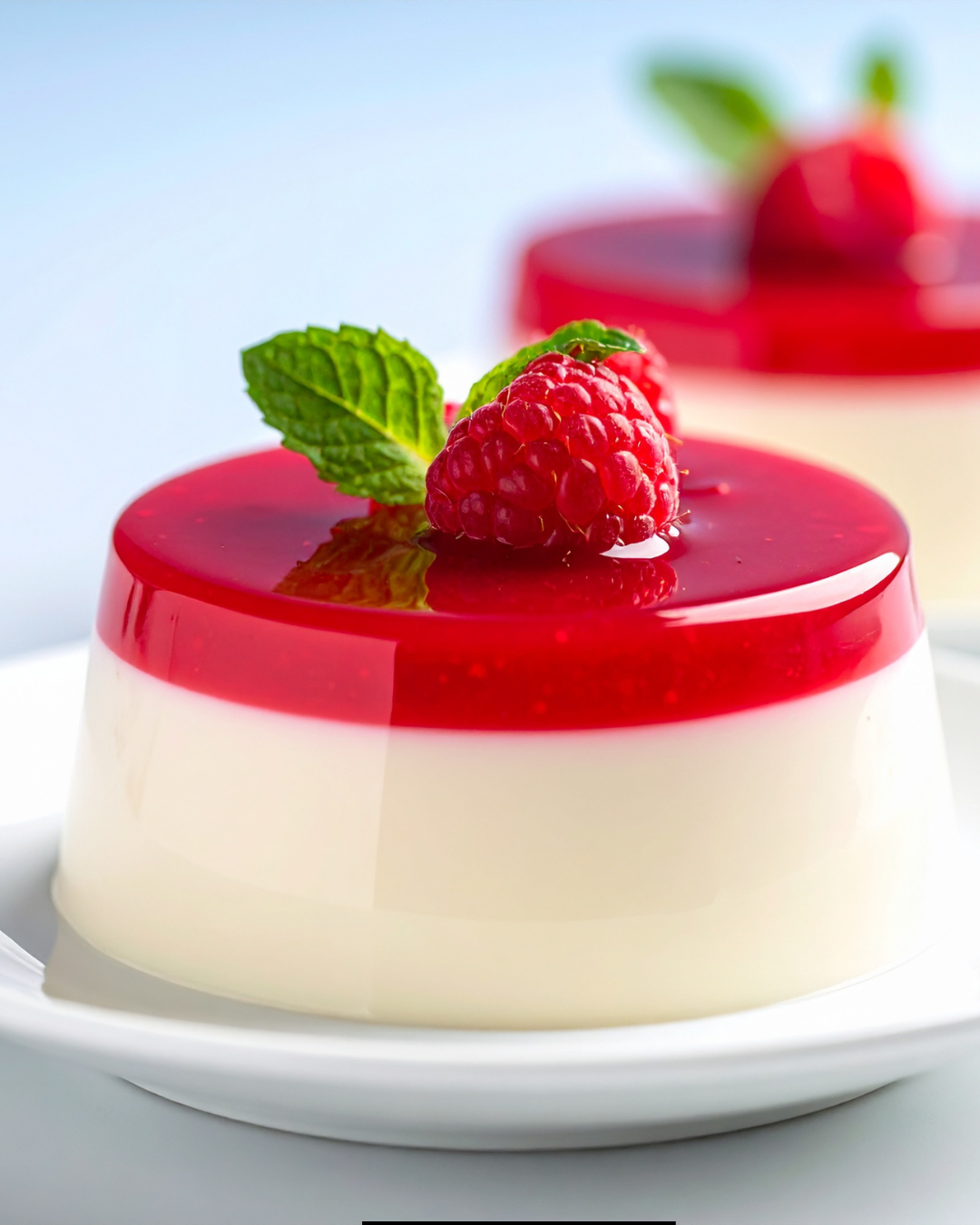
I’ve always found Gordon Ramsay panna cotta to be a fascinating challenge—it’s not just about mixing ingredients; it’s about mastering texture, timing, and presentation.
When it comes to crafting the perfect panna cotta, who better to learn from than Gordon Ramsay? Known for his ability to elevate simple dishes into culinary masterpieces, Ramsay’s approach to this classic Italian dessert is a lesson in precision, flavor, and elegance.
Table of Contents
How to make Gordon Ramsay Panna Cotta
Gordon Ramsay panna cotta is Gordon Ramsay’s version of the classic Italian dessert panna cotta. It is a chilled dessert made by gently cooking cream, milk, sugar, and vanilla, then setting the mixture with gelatin until it becomes smooth, creamy, and lightly firm.
Ingredients
For the panna cotta (serves 4–6):
- 2 cups (500 ml) heavy cream (or double cream, if available)
- ½ cup (100 g) granulated sugar
- 1 teaspoon pure vanilla extract or 1 vanilla pod (split and seeds scraped)
- 2 sheets of gelatin or 1½ teaspoons powdered gelatin (adjust amounts based on packaging instructions)
- Optional topping: Fresh fruit, berry compote, caramel sauce, or fruit coulis
Instructions
Step 1: Prepare the Gelatin
- If using gelatin sheets, soak them in cold water for 5–10 minutes until they soften.
- If using powdered gelatin, sprinkle it over 2 tablespoons of cold water and let it bloom for 5 minutes.
Step 2: Simmer the Cream Mixture
- In a saucepan, combine the heavy cream and sugar.
- Heat the mixture gently over medium heat, stirring frequently, until the sugar dissolves. Do not let the cream boil—keep it just below a simmer.
- Add the vanilla extract or vanilla seeds scraped from the pod for that luxurious flavor. (If using a pod, drop the pod into the cream while heating to infuse deeply.)
Step 3: Add Gelatin to the Hot Mixture
- Remove the cream mixture from the heat. (At this point, it should be warm but not boiling.)
- Squeeze out excess water from softened gelatin sheets, or directly use the bloomed powdered gelatin. Add gelatin to the cream mixture and stir until it dissolves completely.
Step 4: Pour and Chill
- Strain the mixture through a fine sieve to remove any lumps or vanilla pod remnants.
- Pour the panna cotta mix into serving glasses, molds, or ramekins.
- Allow it to cool at room temperature for about 10 minutes, then carefully transfer the containers to the refrigerator.
- Chill for at least 4–6 hours, or preferably overnight, until the panna cotta sets completely.
Step 5: Serve and Garnish
- To unmold the panna cotta (if desired), gently press a knife around the edges of the mold, then dip the base of the mold into warm water for just a few seconds—it should release easily.
- Serve with toppings like fresh berries, a tangy fruit coulis, salted caramel, or a chocolate drizzle for extra flair.
Tips for Perfect Panna Cotta
1. Achieve the Perfect Texture: The panna cotta should have a delicate wobble and be silky smooth when you eat it—not rubbery or overly firm. To achieve this, use the correct amount of gelatin. Too much gelatin can ruin the texture.
2. Don’t Boil the Cream: Keeping the cream at a gentle simmer ensures that it doesn’t scorch or curdle. A steady heat is key to evenly infusing flavors.
3. Strain the Mixture: Straining ensures that your panna cotta is luxuriously smooth and free from any bits of vegetable vanilla pod or lumps of undissolved gelatin.
4. Be Patient with the Setting Process: Avoid freezing the panna cotta to speed up the process, as freezing can alter its texture. The refrigerator setting time is crucial for consistency.
5. Customize Your Flavors: While vanilla panna cotta is a classic, you can experiment by infusing the cream with other flavors like coffee, orange zest, lavender, or even a touch of alcohol (e.g., Amaretto). Tailor it to your preferences!
Ingredients Substitutes
Gordon Ramsay panna cotta recipe relies on precise ingredients to create its famously smooth, creamy, and flavorful texture.
1. Heavy Cream (Double Cream) Substitutes
The heavy cream is the backbone of panna cotta, providing its rich and creamy base. However, if you’re looking to make the dessert lighter, vegan-friendly, or accommodate lactose intolerance, here are some options:
Substitutes:
Coconut Milk or Coconut Cream:
Why: Coconut milk or cream is an excellent non-dairy substitute that achieves a similar creamy texture.
Ratio: Use an equal amount (1:1 substitution). Coconut cream will give a richer result compared to coconut milk.
Flavor Note: Coconut lends a mild flavor that pairs beautifully with tropical toppings like mango or passion fruit.
Almond Milk or Cashew Cream:
Why: These plant-based milks are lighter and mildly nutty. Cashew cream is thicker, making it closer to heavy cream.
Ratio: Almond milk (1:1) or cashew cream (1:1).
Adjust Gelatin: Since almond milk is thinner, you might need slightly more gelatin for a firm set.
Soy Milk:
Why: Soy milk has a neutral flavor and works well for vegan panna cotta.
Ratio: Replace in equal measure (1:1).
Greek Yogurt + Milk:
Why: Combining Greek yogurt with some milk (dairy or non-dairy) gives a creamy texture with a slight tang.
Ratio: 50% Greek yogurt and 50% milk to match the volume of cream in the recipe.
2. Gelatin Substitutes
Gelatin is key to giving panna cotta its delicate, custard-like consistency. If you’re avoiding animal-derived gelatin or need a vegetarian or vegan alternative, there are substitutes to consider.
Substitutes:
Agar-Agar (Vegetarian/Vegan):
What It Is: A plant-based gelling agent derived from red algae, commonly used in vegan recipes.
Ratio: Gelatin sheets or powder are replaced with half the amount (by weight) of agar-agar powder. For example, if the recipe calls for 2 sheets of gelatin (about 2 grams), use 1 gram of agar-agar.
How to Use: Simmer the agar-agar in the liquid for about 2-3 minutes to activate it, then proceed as usual.
Texture Difference: Agar sets more firmly and is less creamy than gelatin, so use the smallest amount needed for a delicate wobble in your panna cotta.
Pectin (Vegetarian/Vegan):
What It Is: Pectin is a natural thickener found in fruits.
Ratio: Requires experimentation, but a guideline is around 2 teaspoons for every cup of liquid.
Special Notes: Low-methoxyl pectin works best, as it can set with calcium rather than sugar.
Cornstarch or Arrowroot Powder:
Why: Useful for creating creamy but slightly softer panna cotta.
Ratio: You’ll need 1 tablespoon of starch (cornstarch or arrowroot) per cup of liquid.
Special Note: Give the panna cotta more time to chill and set, as the texture won’t be as firm as gelatin-based versions.
3. Sugar Substitutes
Granulated sugar sweetens the panna cotta evenly, but there are plenty of alternatives that can adjust the sweetness or accommodate dietary preferences.
Substitutes:
Honey:
Why: Adds natural sweetness and floral undertones.
Ratio: Replace sugar with 3/4 the amount of honey (e.g., for ½ cup sugar, use about 6 tablespoons of honey). Reduce the cream slightly to account for the liquid in honey.
Maple Syrup:
Why: Provides a warm, earthy sweetness.
Ratio: Use a 1:1 ratio to replace sugar, but reduce other liquids slightly.
Coconut Sugar:
Why: A lower-glycemic option with a caramel-like flavor.
Ratio: Use the same amount as granulated sugar (1:1).
Stevia or Monk Fruit Sweetener (Low-Calorie/Keto-Friendly):
Why: These sugar-free sweeteners are perfect for low-carb desserts without compromising sweetness.
Ratio: Follow the conversion instructions on the sweetener package (e.g., some are more concentrated than sugar so that you may need only ¼ the amount).
4. Vanilla Flavoring Substitutes
Classic panna cotta is flavored with vanilla extract or vanilla bean, but there are fun variations to consider.
Substitutes:
Vanilla Bean Paste:
Why: A concentrated option with visible flecks of vanilla.
Ratio: Use ½ teaspoon of paste per teaspoon of vanilla extract.
Other Flavors:
- Almond Extract: Adds a nutty depth to the panna cotta.
- Citrus Zest: Lemon, orange, or lime zest can give a refreshing twist.
- Coffee or Espresso Powder: Dissolve a teaspoon of espresso powder in the cream to make coffee-flavored panna cotta.
- Herbal Infusions: For Something Unique: Infuse the cream with lavender flowers, thyme sprigs, or chamomile tea for an elegant new flavor. Steep the herbs in the cream while heating, then strain before adding gelatin.
5. Topping Substitutes
Garnishes and toppings are an essential part of the presentation and flavor contrast with panna cotta. If you’re out of certain traditional items, here are alternatives:
- Instead of Fresh Berries or Fruit: use dried fruit (like apricots or figs), poached fruit (pears or apples), or fruit preserves.
- Instead of Caramel Sauce: Drizzle melted chocolate, honey, or a vegan caramel made with coconut milk.
- Instead of Crumbles or Cookies: Use crushed nuts, granola, or store-bought graham crackers.
Final Thoughts
Gordon Ramsay panna cotta is not just a dessert—it’s an experience. With its creamy base and endless topping possibilities, it’s a show-stopping centerpiece for any occasion.
More Dessert Recipes:
Ingredients
- 2 cups (500 ml) heavy cream (or double cream, if available)
- ½ cup (100 g) granulated sugar
- 1 teaspoon pure vanilla extract or 1 vanilla pod
- 2 sheets of gelatin or 1½ teaspoons powdered gelatin
- Optional topping: Fresh fruit, berry compote
Instructions
Step 1: Prepare the Gelatin
- If using gelatin sheets, soak them in cold water for 5–10 minutes until they soften.
- If using powdered gelatin, sprinkle it over 2 tablespoons of cold water and let it bloom for 5 minutes.
Step 2: Simmer the Cream Mixture
- In a saucepan, combine the heavy cream and sugar.
- Heat the mixture gently over medium heat, stirring frequently, until the sugar dissolves. Do not let the cream boil—keep it just below a simmer.
- Add the vanilla extract or vanilla seeds scraped from the pod for that luxurious flavor. (If using a pod, drop the pod into the cream while heating to infuse deeply.)
Step 3: Add Gelatin to the Hot Mixture
- Remove the cream mixture from the heat. (At this point, it should be warm but not boiling.)
- Squeeze out excess water from softened gelatin sheets, or directly use the bloomed powdered gelatin. Add gelatin to the cream mixture and stir until it dissolves completely.
Step 4: Pour and Chill
- Strain the mixture through a fine sieve to remove any lumps or vanilla pod remnants.
- Pour the panna cotta mix into serving glasses, molds, or ramekins.
- Allow it to cool at room temperature for about 10 minutes, then carefully transfer the containers to the refrigerator.
- Chill for at least 4–6 hours, or preferably overnight, until the panna cotta sets completely.
Step 5: Serve and Garnish
- To unmold the panna cotta (if desired), gently press a knife around the edges of the mold, then dip the base of the mold into warm water for just a few seconds—it should release easily.
- Serve with toppings like fresh berries, a tangy fruit coulis, salted caramel, or a chocolate drizzle for extra flair.
Discover more from Gordon Ramsay Dish
Subscribe to get the latest posts sent to your email.