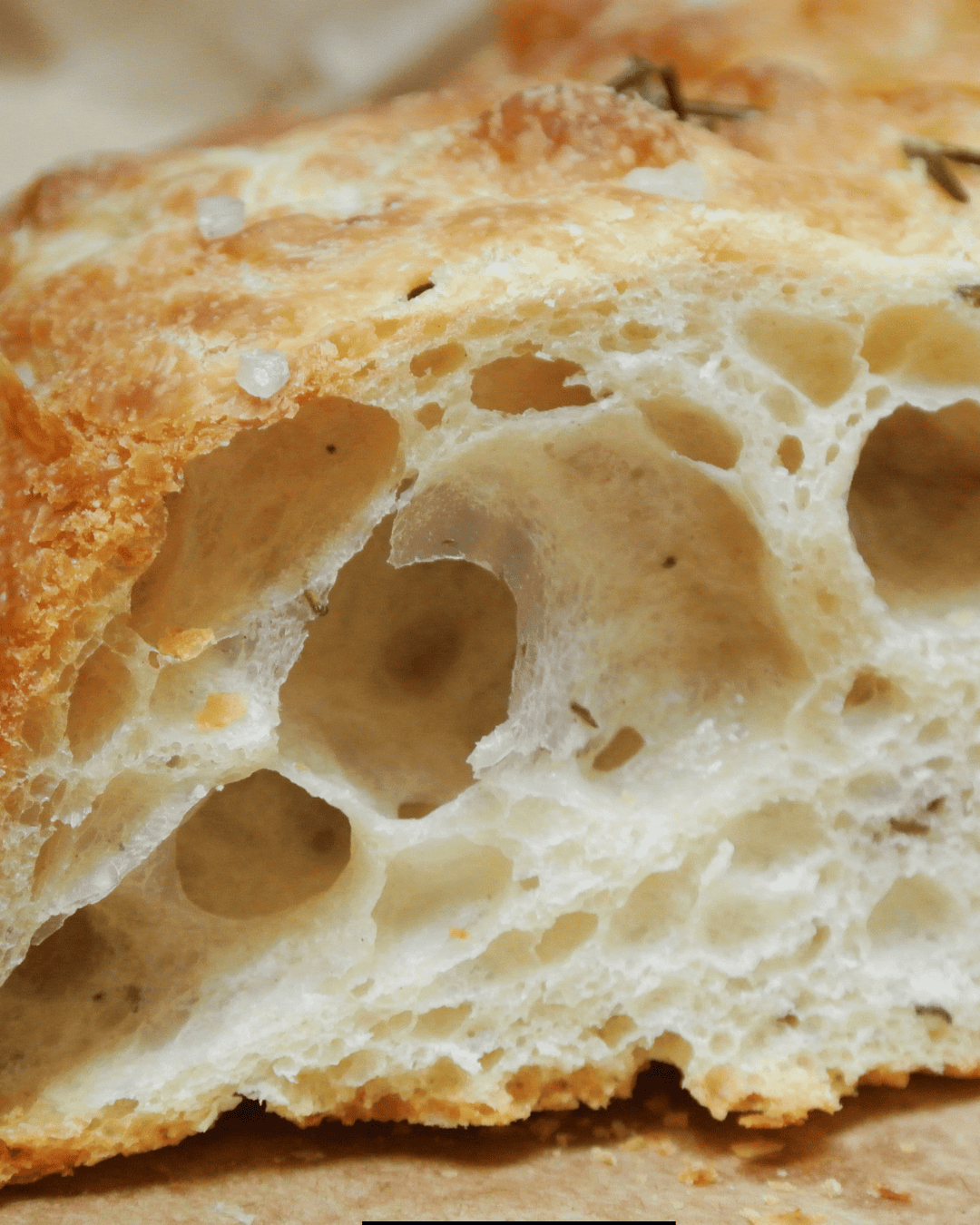
If there’s one bread that always feels extra special, it’s Gordon Ramsay Focaccia Bread. The soft, pillowy texture paired with a golden, herb-infused crust makes it an absolute showstopper at any meal. And when you combine that classic Italian charm with Gordon Ramsay’s culinary expertise? You know you’re in for something truly spectacular.
While I’ll admit I was once intimidated by breadmaking, this recipe inspired by Gordon Ramsay has completely changed how I approach it. His method is straightforward, yet it delivers bold flavors and a texture that truly wows.
How to make Gordon Ramsay Focaccia Bread
Gordon Ramsay focaccia bread is a fluffy, Italian-style flatbread made with yeast, flour, water, olive oil, salt, and sometimes herbs.
Ingredients
Here’s what you’ll need to whip up this heavenly bread:
For the Dough:
- 500g (4 cups) strong bread flour
- 1 sachet (7g) dried yeast
- 10g (2 tsp) salt
- 325ml (1 ⅓ cups) warm water
- 3 tbsp extra virgin olive oil
For the Toppings:
- Fresh rosemary (a few sprigs, for aroma and flavor)
- Flaky sea salt (for a crispy crust)
Optional toppings:
- Thinly sliced garlic
- Caramelized onions
- Cherry tomatoes, halved
- Kalamata or black olives
- Grated Parmesan
Instructions
1. Activate the Yeast
- Start by prepping your yeast: combine the dried yeast with about 50ml (¼ cup) of the warm water and a small pinch of sugar in a small bowl.
- Stir lightly and let it sit for 5-10 minutes until it becomes frothy. If the yeast doesn’t foam, it may not be active—repeat the step with fresh yeast.
2. Make the Dough
- In a large mixing bowl, combine the bread flour and salt.
- Create a well in the middle of the flour mixture. Add the activated yeast, the remaining warm water, and olive oil.
- Mix the ingredients with your hands or a wooden spoon until they come together into a rough dough.
3. Knead the Dough
- Turn out the dough onto a floured surface and knead vigorously for 8-10 minutes. The dough should become smooth, elastic, and slightly tacky.
- If you’re using a stand mixer, knead the dough on medium speed with a dough hook for 5-7 minutes.
4. First Proof
- Shape the dough into a ball and place it in a lightly oiled bowl. Cover the bowl with a damp kitchen towel or plastic wrap.
- Let the dough rise in a warm place for 1-2 hours, or until it doubles in size.
5. Prepare the Pan
- Once risen, lightly grease a rectangular baking sheet or pan with olive oil. Punch down the dough to remove excess air, then transfer it to the pan.
- Use your fingers to press the dough evenly into the corners of the pan.
6. Second Proof
- Cover the pan with a damp towel or plastic wrap and let it rise again for another 30 minutes.
7. Add Toppings
- Preheat the oven to 200°C (400°F).
- After the dough has risen, use your fingers to create dimples all over the surface of the dough. These indentations will help hold the olive oil and toppings.
- Drizzle olive oil generously over the top, letting it pool into the dimples. Sprinkle fresh rosemary leaves and a pinch of flaky sea salt. Add any additional toppings you love—garlic slices, cherry tomatoes, olives, or Parmesan cheese.
8. Bake
- Place the tray in the preheated oven and bake for 20-25 minutes, or until the focaccia is golden brown and the edges are crisp.
- Keep an eye on it during the last few minutes to avoid overbaking.
9. Cool and Serve
- Remove the focaccia from the oven and let it cool for about 5-10 minutes in the pan.
- Transfer to a wire rack to cool completely, or slice while still warm for an irresistible treat. Serve on its own, alongside olive oil for dipping, or as a foundation for sandwiches.
Tips for Perfect Gordon Ramsay Focaccia Bread
- The olive oil is a key ingredient in focaccia. Use a high-quality, extra virgin olive oil for the best flavor.
- Always ensure your water is lukewarm—too cold won’t activate the yeast, and too hot will kill it. Aim for about 37°C (98°F).
- Be patient during the proofing stages. The longer the dough rises, the better the texture and flavor.
- Pressing dimples into the dough isn’t just for aesthetics—it helps trap the olive oil and toppings, creating pockets of flavor.
- While rosemary and sea salt are classic, don’t shy away from adding garlic, caramelized onions, or even sun-dried tomatoes for a modern twist.
- Focaccia should remain soft and airy, so keep an eye on the baking time. When the top is golden brown and slightly crisp, it’s ready!
What to serve with
Gordon Ramsay Focaccia Bread is an incredibly versatile dish that brings warmth and flavor to any table. With its soft, airy interior and fragrant, crispy crust, it can serve as the star of an appetizer board, a hearty companion to soups and stews, or even an essential part of a full-course Italian-inspired meal.
Soups and Stews
Gordon Ramsay Focaccia Bread is a fantastic accompaniment to hearty soups and stews, as it’s perfect for scooping up every last bit of flavor. Here are some ideas:
- Tomato Soup: A creamy roasted tomato soup pairs beautifully with the herbaceous notes of rosemary-infused focaccia.
- Minestrone Soup: This chunky Italian vegetable soup is a classic pairing with focaccia bread, making for a filling and nourishing meal.
- Beef or Lamb Stew: The bread’s crust is perfect for soaking up the rich, savoury flavours of thick stews. Gordon Ramsay’s braised beef or lamb recipes pair exceptionally well with focaccia.
Anti-Pasti Platter
Create a shareable anti-pasti platter featuring focaccia as the centerpiece:
- Cheeses: Include a mix of soft (brie, burrata) and hard (Parmesan, aged cheddar) cheeses.
- Cured Meats: Prosciutto, salami, and capicola add bold, meaty flavors.
- Marinated Vegetables: Roasted red peppers, artichokes, and sun-dried tomatoes pair wonderfully with Gordon Ramsay Focaccia Bread.
- Fresh Produce: Cherry tomatoes, sliced cucumbers, or arugula lightly dressed with olive oil.
- Olives: Kalamata or green olives bring a briny contrast to the rich bread.
Ingredients Substitutes
While traditional focaccia bread relies on classic ingredients like bread flour, olive oil, and rosemary, the beauty of baking is its flexibility!
1. Bread Flour
Bread flour is preferred for focaccia because of its high protein content, which creates structure and chewiness.
Substitutes:
- All-Purpose Flour: If bread flour isn’t available, all-purpose flour works as a substitute. While it has a lower protein content, you can still achieve a soft and airy bread. If possible, add 1-2 teaspoons of vital wheat gluten to mimic bread flour’s high protein structure.
- Whole Wheat Flour: For a healthier twist, you can substitute some or all of the bread flour with whole wheat flour. Keep in mind that whole wheat flour has a denser texture, so combining it with all-purpose flour (e.g., 50% whole wheat, 50% all-purpose) can help maintain a lighter result.
2. Dried Yeast
Dried yeast activates the dough and makes it rise.
Substitutes:
- Fresh Yeast: Fresh yeast can substitute dried yeast, but the measurement differs since it contains more moisture.
- Instant Yeast: This works similarly to dried yeast but activates faster. Skip the step of dissolving it in water and mix it straight into the dry ingredients.
- Baking Powder (as a last resort): If yeast is unavailable, baking powder can be used as a leavening agent, though the texture and flavor will differ.
3. Salt
Salt is essential for flavor and controlling yeast activity in breadmaking.
Substitutes:
- Kosher Salt or Sea Salt: Both are excellent substitutes for regular table salt. Use the same amount as called for in the recipe.
- Low-Sodium Alternatives: If you’re reducing sodium, use low-sodium salt or cut the quantity in half. While it might slightly impact the flavor, topping the bread with herbs and spices can help balance it out.
4. Olive Oil
High-quality extra virgin olive oil is a cornerstone ingredient in focaccia, adding flavor and richness.
Substitutes:
- Any Neutral Oil (e.g., Vegetable, Canola, or Sunflower Oil): A milder neutral oil can be used, but it will lack the fruity richness that olive oil provides.
- Coconut Oil: Melted coconut oil works for moisture, but it may alter the flavor slightly. Pair it with bolder herbs like garlic or oregano to compensate.
- Butter: Melted butter can add a different kind of richness, but it’s less traditional in focaccia breads.
- Avocado Oil: A premium substitute, avocado oil has a light flavor and healthy fats similar to olive oil.
5. Warm Water
Water maintains the hydration level of the dough.
Substitutes:
- Milk: Replace warm water with lukewarm milk (dairy or non-dairy alternatives like almond, oat, or soy milk) for a softer, richer dough.
- Vegetable Broth: For savory focaccia, using lukewarm vegetable broth instead of water can enhance flavor.
Final Thoughts
This Gordon Ramsay focaccia bread pairs beautifully with soups, salads, or any Italian-inspired meal.
More Recipes:
Ingredients
For the Dough:
- 500g (4 cups) strong bread flour
- 1 sachet (7g) dried yeast
- 10g (2 tsp) salt
- 325ml (1 ⅓ cups) warm water
- 3 tbsp extra virgin olive oil
For the Toppings:
- Fresh rosemary (a few sprigs, for aroma and flavor)
- Flaky sea salt (for a crispy crust)
Optional toppings:
- Thinly sliced garlic
- Caramelized onions
- Cherry tomatoes, halved
- Kalamata or black olives
- Grated Parmesan
Instructions
1. Activate the Yeast
- Start by prepping your yeast: combine the dried yeast with about 50ml (¼ cup) of the warm water and a small pinch of sugar in a small bowl.
- Stir lightly and let it sit for 5-10 minutes until it becomes frothy. If the yeast doesn’t foam, it may not be active—repeat the step with fresh yeast.
2. Make the Dough
- In a large mixing bowl, combine the bread flour and salt.
- Create a well in the middle of the flour mixture. Add the activated yeast, the remaining warm water, and olive oil.
- Mix the ingredients with your hands or a wooden spoon until they come together into a rough dough.
3. Knead the Dough
- Turn out the dough onto a floured surface and knead vigorously for 8-10 minutes. The dough should become smooth, elastic, and slightly tacky.
- If you’re using a stand mixer, knead the dough on medium speed with a dough hook for 5-7 minutes.
4. First Proof
- Shape the dough into a ball and place it in a lightly oiled bowl. Cover the bowl with a damp kitchen towel or plastic wrap.
- Let the dough rise in a warm place for 1-2 hours, or until it doubles in size.
5. Prepare the Pan
- Once risen, lightly grease a rectangular baking sheet or pan with olive oil. Punch down the dough to remove excess air, then transfer it to the pan.
- Use your fingers to press the dough evenly into the corners of the pan.
6. Second Proof
- Cover the pan with a damp towel or plastic wrap and let it rise again for another 30 minutes.
7. Add Toppings
- Preheat the oven to 200°C (400°F).
- After the dough has risen, use your fingers to create dimples all over the surface of the dough. These indentations will help hold the olive oil and toppings.
- Drizzle olive oil generously over the top, letting it pool into the dimples. Sprinkle fresh rosemary leaves and a pinch of flaky sea salt. Add any additional toppings you love—garlic slices, cherry tomatoes, olives, or Parmesan cheese.
8. Bake
- Place the tray in the preheated oven and bake for 20-25 minutes, or until the focaccia is golden brown and the edges are crisp.
- Keep an eye on it during the last few minutes to avoid overbaking.
9. Cool and Serve
- Remove the focaccia from the oven and let it cool for about 5-10 minutes in the pan.
- Transfer to a wire rack to cool completely, or slice while still warm for an irresistible treat. Serve on its own, alongside olive oil for dipping, or as a foundation for sandwiches.
Discover more from Gordon Ramsay Dish
Subscribe to get the latest posts sent to your email.
