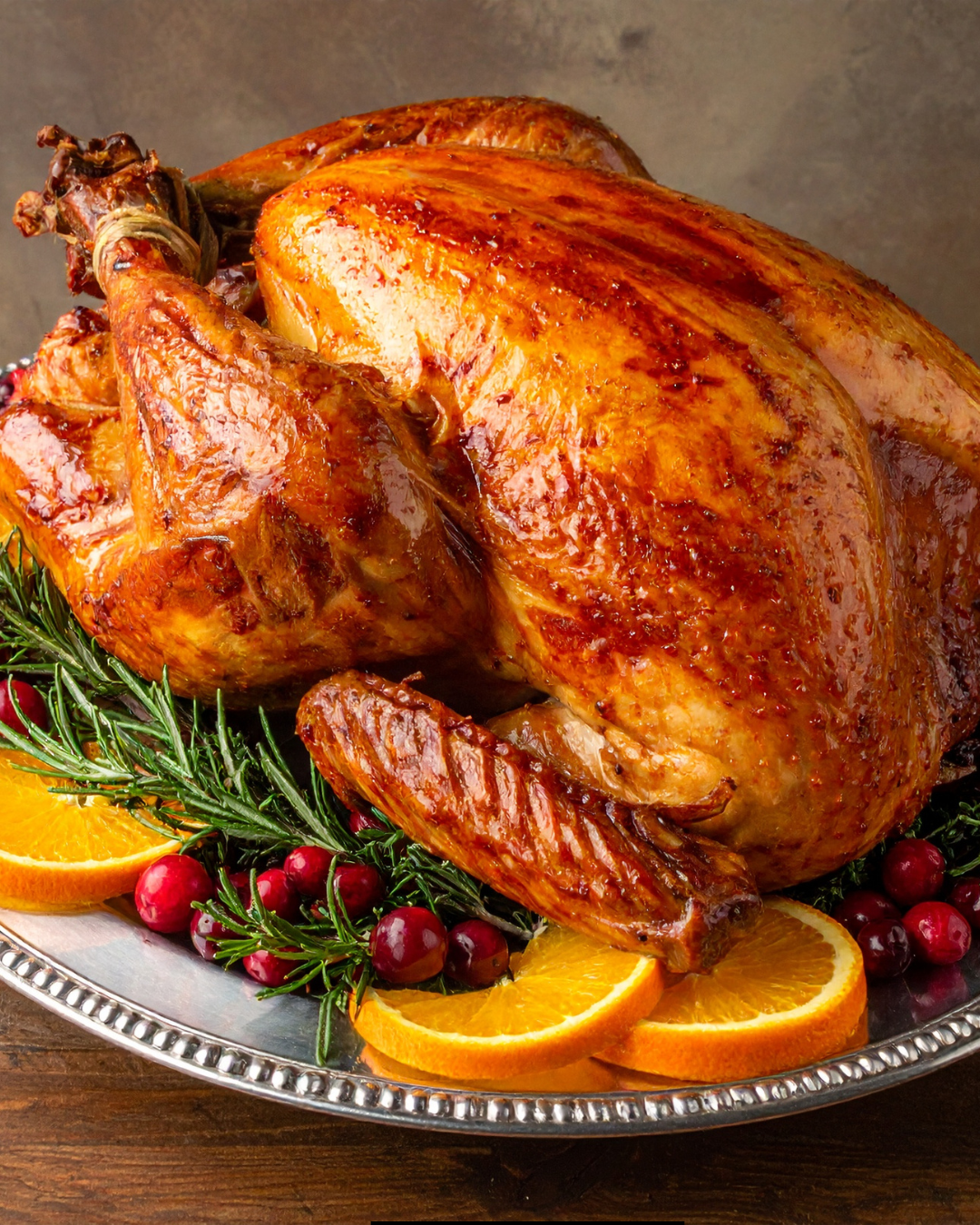
Gordon Ramsay Thanksgiving Turkey recipe is a foolproof method designed to give you tender, juicy meat with irresistible flavors.
Let’s be honest—nailing the perfect turkey can feel a little intimidating. If you’ve ever worried about dry meat or a flavorless bird, you’re not alone. Lucky for you, one of the world’s most celebrated chefs, Gordon Ramsay, has a turkey recipe that turns holiday stress into culinary triumph.
Table of Contents
How to make Gordon Ramsay Thanksgiving Turkey
Gordon Ramsay Thanksgiving Turkey is a Thanksgiving-style roast turkey prepared using cooking techniques typically focused on making the turkey moist, flavorful, and well-seasoned.
Ingredients
For the Turkey:
- 1 whole turkey (about 11–12 lbs / 5–5.5 kg) – adjust for the size of your gathering
- Sea salt and freshly ground black pepper
- 1 large onion, peeled and quartered
- 1 lemon, halved
- 1 bulb of garlic, cut in half crosswise
- A small bunch of fresh bay leaves (or substitute with sage/rosemary if unavailable)
For the Herb Butter:
- 7 tbsp (100g) unsalted butter, softened
- Zest and juice of 2 lemons
- 3 garlic cloves, finely minced
- 1 small bunch of fresh parsley, finely chopped
Optional for Topping:
- Strips of smoked streaky bacon (for extra moisture and flavor while roasting)
Optional for Gravy:
- Pan drippings (for a flavorful gravy after roasting)
Instructions
1. Prepare the Turkey
- Preheat the oven to 425°F (220°C).
- Let your turkey come to room temperature before cooking. This ensures more even cooking.
- Remove the giblets and neck from inside the turkey cavity if present, and thoroughly pat the turkey dry with paper towels.
2. Make the Herb Butter
- In a bowl, combine the softened butter, lemon zest, lemon juice, chopped parsley, and minced garlic. Mix well until all the ingredients are evenly incorporated.
- Generously season the herb butter with salt and freshly ground black pepper to taste.
3. Apply the Herb Butter
- Gently lift the skin of the turkey breast by inserting your fingers between the skin and the flesh to create space (take care not to tear the skin).
- Spread about 2/3 of the prepared butter directly under the skin, over the turkey breast, massaging it evenly for moist and flavorful meat.
- Rub the remaining butter over the outside of the skin, ensuring the entire bird is evenly coated.
4. Season the Turkey Cavity
- Season the inside of the cavity with salt and pepper.
- Stuff the cavity with the quartered onion, lemon halves, garlic bulb, and fresh bay leaves. These aromatics will infuse the turkey with additional flavor as it roasts.
5. Roast the Turkey
- Place the turkey on a roasting rack or directly on a large baking tray breast-side up.
- Optionally, lay strips of smoked bacon over the turkey breast to keep it moist and flavorful during cooking.
- Roast the turkey in the preheated oven at 425°F (220°C) for 10–15 minutes, allowing the skin to turn golden brown and crisp up.
6. Reduce the Heat and Continue Roasting
- Reduce the oven temperature to 350°F (175°C) and continue roasting. The general guideline is 13–15 minutes per pound (or about 3 hours for an 11–12 lb turkey). Use a meat thermometer to check for doneness—the thickest part of the turkey (not touching the bone) should register 165°F (74°C).
7. Baste Throughout Roasting
- Every 30 minutes, baste the turkey with the pan juices to ensure it stays moist and flavorful. If you used bacon, you can baste over the bacon. The frequent basting adds richness and prevents the turkey from drying out.
8. Rest the Turkey
- Once the turkey is cooked, transfer it to a cutting board or serving platter and let it rest for 30–45 minutes, loosely covered with foil. Resting allows the juices to redistribute and keeps the meat juicy when carved.
Tips for Success
- Make Ahead: You can prepare the herb butter a day in advance and refrigerate it. Soften it just before applying.
- Use a Meat Thermometer: To ensure your Gordon Ramsay Thanksgiving Turkey isn’t undercooked or dry, a digital meat thermometer is your best friend. Aim for 165°F (74°C) in the thickest part of the breast and 175°F (79°C) in the thigh.
- Don’t Skip the Basting: Regular basting prevents the turkey from drying out and enhances the flavor.
- Customize the Aromatics: Feel free to experiment with the cavity stuffing. Add herbs like rosemary, thyme, or sage, or even celery and carrots for more depth.
- Make Gravy with Pan Drippings: After the turkey finishes roasting, use the flavorful pan juices to make a quick gravy by deglazing the pan with wine or stock and thickening it with flour.
Ingredients Substitutes
Substituting ingredients can be necessary when you’re working with dietary restrictions, availability challenges, or simply looking to experiment while staying true to Gordon Ramsay Thanksgiving Turkey recipe.
1. Turkey Substitutes
If turkey isn’t easily accessible or you’re cooking for a smaller group, here’s what you can try:
- Chicken: Chicken works well as a substitute, especially for smaller gatherings. Choose a whole roasting chicken and follow the recipe as is, though the cooking time will generally be shorter (around 1.5–2 hours for a 4–6 lb chicken).
- Cornish Game Hens: These miniature birds are perfect for individual servings. Adjust ingredient quantities accordingly and reduce roast times.
- Duck: Duck offers richer, fattier meat and cooks slightly differently. Reduce butter usage for duck, and consider a citrus-forward flavor profile like orange or balsamic glaze.
2. Butter Substitutes
For those seeking dairy-free options or alternatives to butter in the herb butter mix:
- Plant-Based Butter: Use vegan or dairy-free butter replacements made from olive oil or coconut oil. Look for one labeled unsalted to avoid oversalting the turkey.
- Olive Oil: Extra virgin olive oil can be used to create the herb mixture. It won’t mimic butter’s creaminess, but it will still deliver moisture and infuse flavors.
- Ghee: This clarified butter has a richer taste and higher smoke point, making it a great stand-in for traditional butter.
- Coconut Oil: For a slightly sweet profile, use refined coconut oil (so it doesn’t taste distinctly of coconut).
3. Lemon Substitutes
If you don’t have lemons on hand or want to change up the citrus profile:
- Limes: Lime zest and juice will provide a tangy, sharp flavor close to lemon. Use equal amounts.
- Oranges: Orange zest offers softer, sweeter citrus notes. Pair it with the garlic and parsley for a slightly different, but complementary, flavor.
- Vinegar: If citrus is unavailable, a splash of apple cider vinegar, white wine vinegar, or rice vinegar can bring bright acidity. Reduce quantities (about 1 tsp per lemon called for) to avoid overpowering.
- Citrus Extract: Lemon or orange extract can replicate the essence of citrus without fresh fruit. Use sparingly (around ½ tsp) to avoid an overly concentrated flavor.
4. Fresh Herbs Substitutes
Parsley and bay leaves are key components in the herb butter and cavity stuffing, but there are excellent alternatives if needed:
Parsley:
- Cilantro: Offers similar brightness, though it has a more distinct flavor.
- Chervil: Slightly milder but close to parsley in taste.
- Dried Parsley: If fresh parsley isn’t available, use dried—1 tsp dried equals 1 tbsp fresh.
Bay Leaves:
- Sage: Aromatic and earthy, sage easily replaces bay leaves for poultry recipes.
- Rosemary: More pine-like and robust, rosemary works well for infusing the cavity.
- Thyme: A milder alternative with a subtle herbaceous flavor.
5. Garlic Substitutes
Whole garlic cloves play a big role in flavoring the Gordon Ramsay Thanksgiving Turkey, but there are other ways to achieve a garlicky profile:
- Garlic Powder: Substitute ¼ tsp garlic powder for every clove. Mix it straight into the butter or sprinkle it over the turkey before roasting.
- Shallots: Shallots have a milder, sweeter garlic-like flavor and can be roasted along with the turkey or mixed into the herb butter.
- Onions: Yellow or white onions work well for roasting inside the cavity, replacing the garlic’s aromatics.
- Roasted Garlic Paste: Roast garlic ahead of time for a caramelized, mellow substitute. Spread it under the turkey skin or fold it into the herb mix.
Final Thoughts
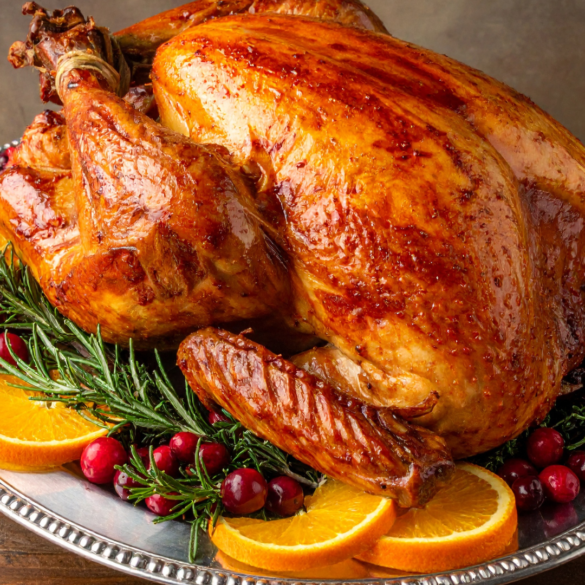
Gordon Ramsay Thanksgiving Turkey recipe might be a little more effort than your usual roast, but the results are undeniably worth it. The lemony, garlicky butter, the bountiful aromatics, and the simple yet strategic roasting method come together to produce a show-stopping centerpiece.
Ingredients
For the Turkey:
- 1 whole turkey (about 11–12 lbs / 5–5.5 kg)
- Sea salt and freshly ground black pepper
- 1 large onion, peeled and quartered
- 1 lemon, halved
- 1 bulb of garlic, cut in half crosswise
- A small bunch of fresh bay leaves
For the Herb Butter:
- 7 tbsp (100g) unsalted butter, softened
- Zest and juice of 2 lemons
- 3 garlic cloves, finely minced
- 1 small bunch of fresh parsley, finely chopped
Optional for Topping:
- Strips of smoked streaky bacon
Optional for Gravy:
- Pan drippings (for a flavorful gravy after roasting)
Instructions
1. Prepare the Turkey
- Preheat the oven to 425°F (220°C).
- Let your turkey come to room temperature before cooking. This ensures more even cooking.
- Remove the giblets and neck from inside the turkey cavity if present, and thoroughly pat the turkey dry with paper towels.
2. Make the Herb Butter
- In a bowl, combine the softened butter, lemon zest, lemon juice, chopped parsley, and minced garlic. Mix well until all the ingredients are evenly incorporated.
- Generously season the herb butter with salt and freshly ground black pepper to taste.
3. Apply the Herb Butter
- Gently lift the skin of the turkey breast by inserting your fingers between the skin and the flesh to create space (take care not to tear the skin).
- Spread about 2/3 of the prepared butter directly under the skin, over the turkey breast, massaging it evenly for moist and flavorful meat.
- Rub the remaining butter over the outside of the skin, ensuring the entire bird is evenly coated.
4. Season the Turkey Cavity
- Season the inside of the cavity with salt and pepper.
- Stuff the cavity with the quartered onion, lemon halves, garlic bulb, and fresh bay leaves. These aromatics will infuse the turkey with additional flavor as it roasts.
5. Roast the Turkey
- Place the turkey on a roasting rack or directly on a large baking tray breast-side up.
- Optionally, lay strips of smoked bacon over the turkey breast to keep it moist and flavorful during cooking.
- Roast the turkey in the preheated oven at 425°F (220°C) for 10–15 minutes, allowing the skin to turn golden brown and crisp up.
6. Reduce the Heat and Continue Roasting
- Reduce the oven temperature to 350°F (175°C) and continue roasting. The general guideline is 13–15 minutes per pound (or about 3 hours for an 11–12 lb turkey). Use a meat thermometer to check for doneness—the thickest part of the turkey (not touching the bone) should register 165°F (74°C).
7. Baste Throughout Roasting
- Every 30 minutes, baste the turkey with the pan juices to ensure it stays moist and flavorful. If you used bacon, you can baste over the bacon. The frequent basting adds richness and prevents the turkey from drying out.
8. Rest the Turkey
- Once the turkey is cooked, transfer it to a cutting board or serving platter and let it rest for 30–45 minutes, loosely covered with foil. Resting allows the juices to redistribute and keeps the meat juicy when carved.
Discover more from Gordon Ramsay Dish
Subscribe to get the latest posts sent to your email.