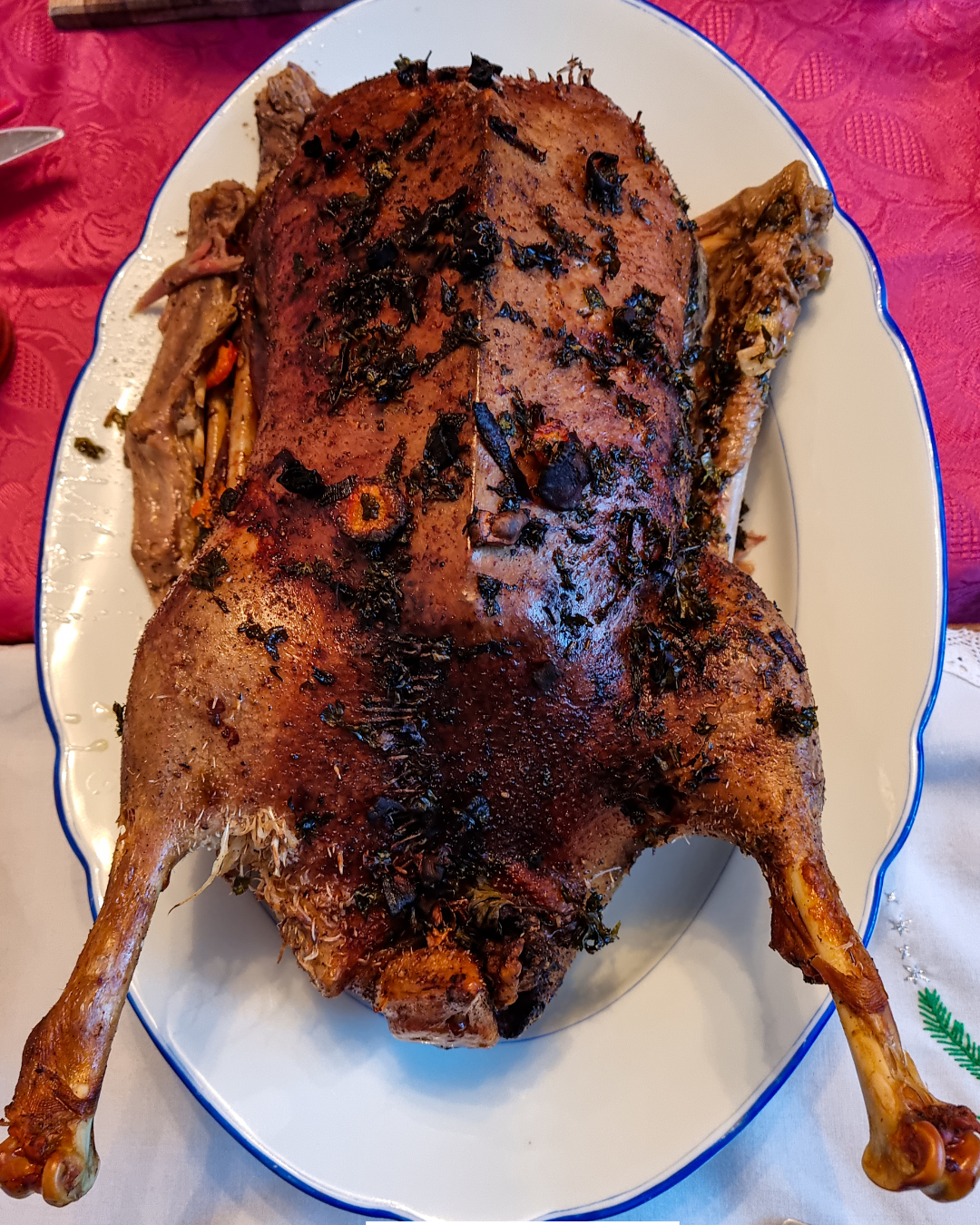
Goose is often overlooked next to more familiar poultry choices like turkey or chicken, but its rich flavor and succulent texture make it a crown jewel at the table. With Ramsay’s confident yet approachable style guiding us, you’ll find it’s surprisingly achievable to create a Gordon Ramsay Goose dish that looks, smells, and tastes like your kitchen just earned a Michelin star.
Table of Contents
How to make Gordon Ramsay Goose
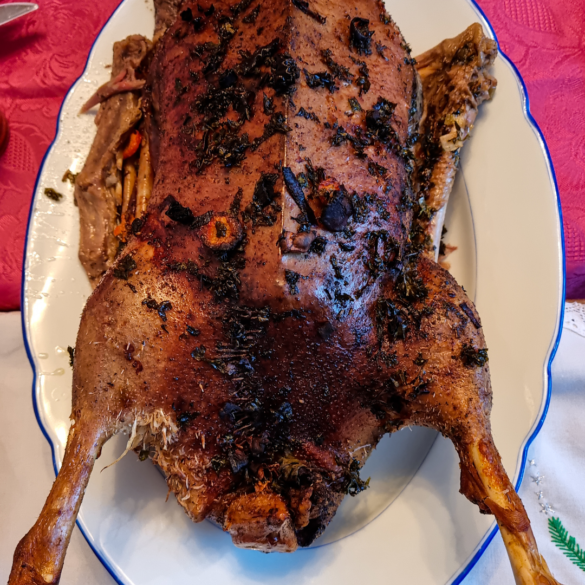
Gordon Ramsay goose is a roast goose dish created or popularized by British chef Gordon Ramsay, typically featuring a whole goose seasoned with herbs and spices, roasted until the skin is crispy and the meat is tender.
Ingredients
For the Goose:
- 1 whole goose (about 4-5 kg / 9-11 lbs)
- Sea salt for seasoning
- Freshly ground black pepper
- 2 oranges (zested and quartered)
- 1 lemon (zested and halved)
- 4 sprigs of fresh rosemary
- 4 sprigs of fresh thyme
For the Garlic and Herb Butter (optional for basting):
- 100g (7 tbsp) unsalted butter, softened
- 6 garlic cloves, minced
- 1 tbsp fresh thyme, finely chopped
- 1 tbsp fresh rosemary, finely chopped
- Zest of 1 orange
For the Gravy:
- Goose giblets (neck, liver, and heart)
- 1 onion, roughly chopped
- 2 carrots, roughly chopped
- 1 stick of celery, roughly chopped
- 250ml (1 cup) chicken or vegetable stock
- 125ml (½ cup) dry white wine
- 1 tbsp plain flour
Instructions
Preparing the Goose:
- Prep the bird: Remove the giblets (reserve them for the gravy) and pat the goose dry with paper towels—dry skin is key to achieving that beautiful crispy finish.
- Trim excess fat around the cavity and neck, but leave some intact to baste the meat as it roasts. Goose is naturally fatty, so it stays moist.
- Season thoroughly: Rub the goose with sea salt, black pepper, and citrus zest. This adds flavor while helping the skin crisp. Stuff the cavity with the quartered oranges, lemon halves, rosemary, and thyme.
- Prick the skin: Use a sharp knife or skewer to poke shallow holes all over the skin (especially on the legs and breast), but avoid piercing the meat. This allows excess fat to render out during cooking, leaving the skin crispy and the meat flavorful.
Roasting:
- Start low and slow: Preheat your oven to 170°C (325°F). Place the goose breast, skin-side up, on a roasting rack in a large pan to catch the fat as it renders—Roast for 2½–3 hours, basting occasionally with the melted goose fat.
- Finish at high heat: Increase oven temperature to 200°C (400°F) for the final 20–30 minutes. This step ensures an ultra-crispy golden skin. Watch it closely to avoid over-browning. The goose is done when its internal temperature reaches 75°C (165°F) at the thickest part of the breast.
Making the Gravy:
- Create the base: Place the giblets, chopped onion, carrot, and celery in a saucepan and sauté until slightly caramelized. Add 1 tablespoon plain flour and stir until well coated.
- Simmer: Pour in chicken or vegetable stock and dry white wine, scraping up any browned bits. Simmer gently for 30–40 minutes. Strain the mixture, then skim off excess fat from the surface before serving.
Tips for Success
- Goose creates a generous amount of fat as it roasts, so make sure you use a deep roasting pan to catch it all. Don’t throw the fat away—it’s perfect for roasting potatoes, vegetables, or making pastries.
- After roasting, let your goose rest for 20–30 minutes under a loose sheet of foil. Resting allows the juices to redistribute in the meat, preventing dryness.
- For extra-crispy skin, brush the goose with a light glaze of honey, soy sauce, and orange juice during the final 10 minutes of roasting.
- Pair with roasted potatoes (especially cooked in goose fat), braised red cabbage, and caramelized carrots for a stunning feast.
What to serve with Gordon Ramsay Goose
Gordon Ramsay Goose has a rich, luxurious flavor profile with crispy skin and succulent meat, making it the centerpiece of any special meal. To bring out the best in your dish, you need equally impressive, complementary sides.
Complete the Meal: Additional Ideas
- Cranberry Sauce: The tartness of cranberry sauce adds bright flavor to complement the rich goose meat.
- Green Beans with Garlic Almonds: Add a fresh, crisp green side to balance the richness of the Gordon Ramsay Goose.
- Stuffing: A citrus-and-herb stuffing made with breadcrumbs, sage, and orange zest pairs perfectly with the bird.
- Salad: Try a fresh, seasonal salad with arugula, pomegranate seeds, and shaved parmesan dressed in a simple vinaigrette.
Beverage Pairings
- White Wine: A crisp Riesling, Chenin Blanc, or Chardonnay pairs well with the richness of Gordon Ramsay Goose.
- Red Wine: A medium-bodied Pinot Noir or light Bordeaux blend complements the flavors wonderfully.
- Spiced Mulled Wine or Cider: Perfect for the festive atmosphere, the warmth and spices enhance the entire meal.
Ingredient Substitutes
Cooking a roast goose inspired by Gordon Ramsay’s recipes may seem like an intricate task, but you don’t need to worry too much about specific ingredients. In fact, you can substitute ingredients based on dietary needs, availability, or your preferences.
Substitutes for Goose
The star of the dish is, of course, the goose, but it’s not always readily available. Here are alternatives:
- Duck: If goose isn’t available or feels too large for your gathering, duck is a fantastic alternative. Its meat is equally rich and fatty, similar to goose, but smaller. Adjust roasting times accordingly (duck takes less time to cook).
- Turkey: While turkey is leaner than goose, it’s more accessible for many home cooks and works as a substitute for large gatherings. Baste the turkey frequently or add butter under the skin to emulate the fatty richness of goose.
- Chicken: If you’re cooking for a smaller group or want an easier alternative, chicken works well. Opt for a free-range or corn-fed chicken for better flavor and texture.
Substitutes for Citrus (Orange/Lemon Zests)
Citrus zests add brightness and aromatic depth to the goose, but you can swap or adjust them based on availability or preference.
- Lime Zest: Lime has a slightly tangier flavor than lemon but works as a great substitute for either orange or lemon zest.
- Grapefruit Zest: Grapefruit zest adds a mildly bitter, sweet citrus note that can enhance the flavor of goose.
- Citrus Extracts or Oils: If fresh citrus isn’t available, you can use small amounts of citrus oils (orange or lemon essential oil for culinary use) or extracts to achieve similar aromas.
Substitutes for Fresh Herbs (Thyme and Rosemary)
Fresh rosemary and thyme bring earthy flavors to the goose. Here are alternatives:
- Dried Herbs: Dried rosemary and thyme work just as well, though they tend to have a slightly more concentrated flavor. Use 1/3 as much dried herb as fresh.
- Oregano: For a similar earthy, slightly peppery flavor, dried or fresh oregano can replace thyme or rosemary.
- Sage: Fresh sage leaves can replace either rosemary or thyme. Sage has an intense, warm flavor that works beautifully with roast goose.
- Bay Leaves: While different in texture, bay leaves impart a similar herbaceous, aromatic quality when added to the cavity of the goose or to the gravy.
Substitutes for Goose Fat (for Roasting Vegetables)
Goose fat is prized for its flavor and ability to crisp up vegetables. If you don’t have rendered goose fat, here are alternatives:
- Duck Fat: Duck fat is the closest match, offering similar richness and crisping properties. Bonus: it’s also widely available in grocery stores.
- Butter: Unsalted butter works well in roasting vegetables but won’t crisp them quite as much.
- Olive Oil: For a healthier option, you can use olive oil instead, though it has a lighter flavor.
- Vegetable Oil: A neutral oil like canola or sunflower oil will work for roasting, though it lacks the characteristic fatty flavor.
Substitutes for White Wine (in Gravy)
White wine enhances the gravy’s depth and acidity, but you can easily use substitutes:
- Chicken Stock or Vegetable Stock: A rich, high-quality stock can replace wine entirely. Add a splash of lemon juice for acidity.
- Apple Cider Vinegar + Water: A mix of 1 tablespoon apple cider vinegar and 4 tablespoons water can mimic the tanginess of wine.
- Dry Vermouth or White Grape Juice: Dry vermouth (used in cocktails) or white grape juice are sweeter alternatives for wine in gravy, though you may need to add a touch of vinegar to balance the sugar.
Substitutes for Butter (in Herb Butter)
Butter makes the herb butter rich and creamy, but here are alternatives:
- Olive Oil: For a dairy-free alternative, use olive oil. It won’t create the creamy texture, but it still infuses herbs and garlic beautifully.
- Duck Fat or Goose Fat: Rendered fat from duck or goose mimics the rich mouthfeel of butter while adding its own savory layer of flavor.
- Coconut Oil: While unconventional, refined coconut oil can serve as a plant-based butter alternative. Choose a neutral-flavored option to avoid overpowering the dish.
Final Thoughts
Cooking roast goose the Gordon Ramsay way is truly a culinary experience—it’s indulgent, impressive, and packed with unforgettable flavors. While this Gordon Ramsay Goose recipe takes time and attention to detail, the results will undoubtedly be worth it.
More Recipes:
Ingredients
For the Goose:
- 1 whole goose (about 4-5 kg / 9-11 lbs)
- Sea salt for seasoning
- Freshly ground black pepper
- 2 oranges (zested and quartered)
- 1 lemon (zested and halved)
- 4 sprigs of fresh rosemary
- 4 sprigs of fresh thyme
For the Garlic and Herb Butter (optional for basting):
- 100g (7 tbsp) unsalted butter, softened
- 6 garlic cloves, minced
- 1 tbsp fresh thyme, finely chopped
- 1 tbsp fresh rosemary, finely chopped
- Zest of 1 orange
For the Gravy:
- Goose giblets (neck, liver, and heart)
- 1 onion, roughly chopped
- 2 carrots, roughly chopped
- 1 stick of celery, roughly chopped
- 250ml (1 cup) chicken or vegetable stock
- 125ml (½ cup) dry white wine
- 1 tbsp plain flour
Instructions
Preparing the Goose:
- Prep the bird: Remove the giblets (reserve them for the gravy) and pat the goose dry with paper towels—dry skin is key to achieving that beautiful crispy finish.
- Trim excess fat around the cavity and neck, but leave some intact to baste the meat as it roasts. Goose is naturally fatty, so it stays moist.
- Season thoroughly: Rub the goose with sea salt, black pepper, and citrus zest. This adds flavor while helping the skin crisp. Stuff the cavity with the quartered oranges, lemon halves, rosemary, and thyme.
- Prick the skin: Use a sharp knife or skewer to poke shallow holes all over the skin (especially on the legs and breast), but avoid piercing the meat. This allows excess fat to render out during cooking, leaving the skin crispy and the meat flavorful.
Roasting:
- Start low and slow: Preheat your oven to 170°C (325°F). Place the goose breast, skin-side up, on a roasting rack in a large pan to catch the fat as it renders—Roast for 2½–3 hours, basting occasionally with the melted goose fat.
- Finish at high heat: Increase oven temperature to 200°C (400°F) for the final 20–30 minutes. This step ensures an ultra-crispy golden skin. Watch it closely to avoid over-browning. The goose is done when its internal temperature reaches 75°C (165°F) at the thickest part of the breast.
Making the Gravy:
- Create the base: Place the giblets, chopped onion, carrot, and celery in a saucepan and sauté until slightly caramelized. Add 1 tablespoon plain flour and stir until well coated.
- Simmer: Pour in chicken or vegetable stock and dry white wine, scraping up any browned bits. Simmer gently for 30–40 minutes. Strain the mixture, then skim off excess fat from the surface before serving.
Discover more from Gordon Ramsay Dish
Subscribe to get the latest posts sent to your email.