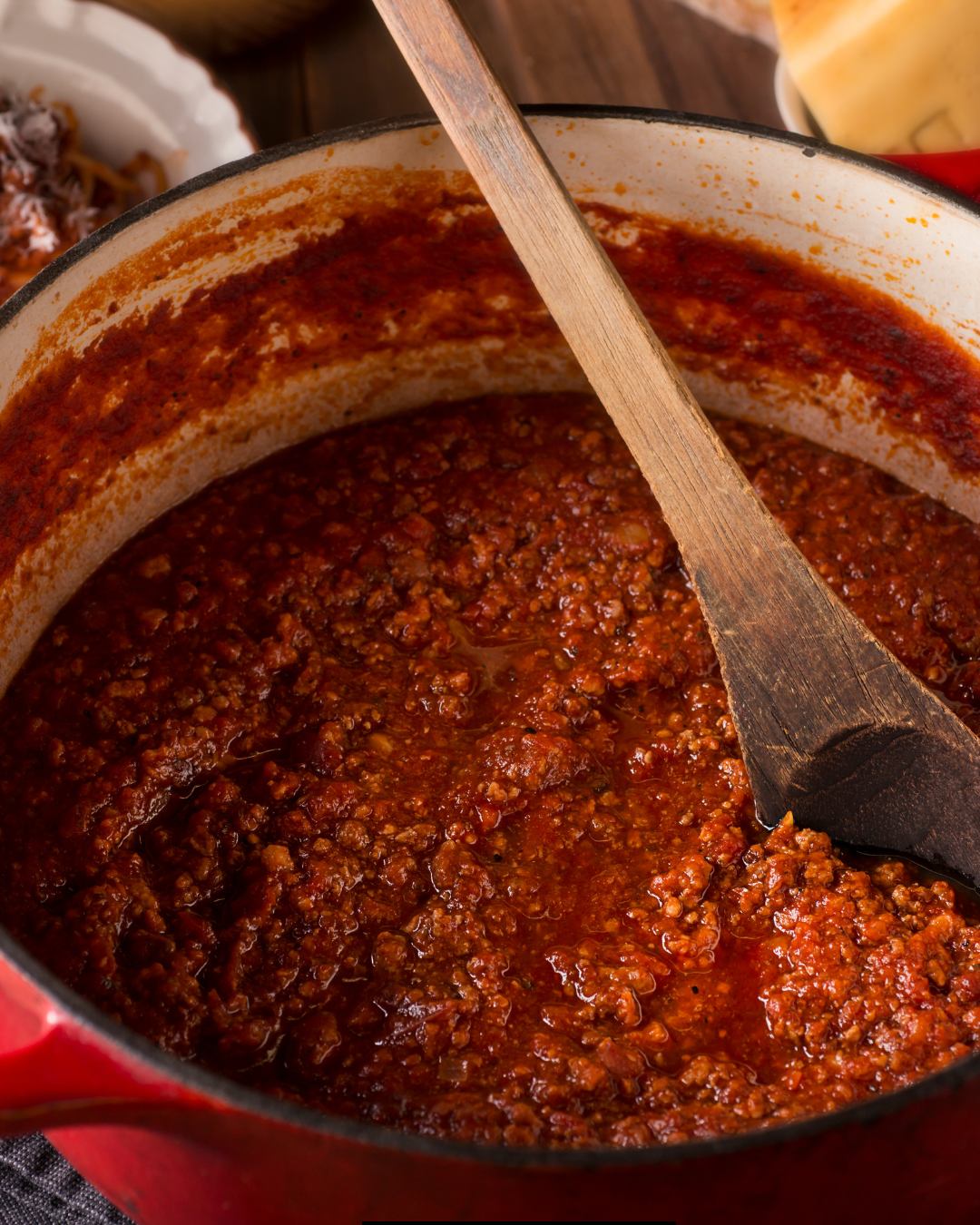
When I first tried Gordon Ramsay Bolognese Sauce recipe, I was amazed at how small details—like deglazing with red wine or that final splash of milk—can dramatically transform the sauce into something restaurant-worthy.
If there’s one dish that can warm the heart and soul, it’s a bowl of pasta smothered in rich, flavorful Bolognese sauce. But when the recipe comes from none other than Gordon Ramsay, you know you’re in for something truly special.
Table of Contents
How to make Gordon Ramsay Bolognese Sauce
Gordon Ramsay Bolognese Sauce is a rich, slow-simmered Italian-style meat sauce inspired by the classic ragù alla bolognese.
Ingredients
- 2 tbsp olive oil
- 1 medium onion, finely chopped
- 2 medium carrots, finely diced
- 2 celery sticks, finely diced
- 2–3 garlic cloves, minced
- 500g ground beef (or a 50/50 mix of ground beef and pork for richer flavor)
- 200ml red wine (dry red wine works best)
- 250ml beef stock (homemade is ideal, but store-bought works too)
- 2 tbsp tomato paste
- 1 can (400g) chopped tomatoes or 250ml passata
- 100ml whole milk or double cream
- 1 bay leaf
- 1 tsp fresh thyme leaves
- Salt and freshly ground black pepper, to taste
- Parmesan cheese, for garnish (optional)
Instructions
Step 1: Prepare the Soffritto (Base Vegetables)
- Heat the olive oil in a large, heavy-bottomed saucepan or Dutch oven over medium heat.
- Add the finely chopped onion, carrot, and celery (known as a soffritto in Italian cooking) to the pan. Sauté gently for 5–7 minutes, stirring occasionally, until the vegetables are softened and translucent. Be careful not to brown them—they should sweat rather than fry.
- Add the minced garlic and cook for another minute until fragrant.
Step 2: Brown the Meat
- Add the ground beef (or beef-pork mix) to the pan, breaking it up with the back of a spoon or spatula.
- Brown the meat evenly until it’s fully cooked, and let it caramelize on the bottom of the pan—these will add depth of flavor. This should take about 7–10 minutes.
Step 3: Deglaze the Pan with Red Wine
- Once the meat is browned, pour in the red wine to deglaze the pan.
- Scrape up all the browned bits stuck to the bottom of the pan with a wooden spoon—this is where a lot of flavor is hiding.
- Let the wine simmer and reduce for about 3–4 minutes, allowing the alcohol to evaporate and the flavors to concentrate.
Step 4: Build the Sauce
- Stir in the tomato paste and cook for a minute to caramelize slightly.
- Add the chopped tomatoes (or passata) and stir to combine.
- Pour in the beef stock, add the bay leaf, and sprinkle in the fresh thyme leaves.
- Gently stir and bring the sauce to a gentle simmer.
Step 5: Simmer Low and Slow
- Reduce the heat to low and cover the pan partially with a lid (leaving a small gap for steam to escape).
- Simmer the sauce gently for 1–2 hours, stirring occasionally. The long cooking time allows the flavors to meld together and deepen. If the sauce gets too thick, you can add a splash of water or extra stock to loosen it up.
Step 6: Add Milk for Creaminess
- About 10 minutes before the sauce is ready, add the milk (or double cream) to the pot. This helps to balance the acidity of the tomatoes and gives the sauce a silky, creamy texture. Stir well.
Step 7: Season and Serve
- Remove the bay leaf and taste the sauce. Adjust the seasoning with salt and freshly ground black pepper if needed.
- Serve over al dente pasta, such as tagliatelle, pappardelle, or even a baked lasagna.
- Finish with freshly grated Parmesan cheese, a drizzle of olive oil, or a pinch of fresh parsley if desired.
Pro Tips for the Best Gordon Ramsay Bolognese Sauce
- Use Fresh Ingredients: The quality of your meat, vegetables, tomatoes, and wine will make a huge difference. Always opt for fresh and high-quality ingredients.
- Deglazing is Key: Scraping up the browned bits while deglazing with wine is crucial for adding depth to your sauce. Don’t skip this step!
- Simmer Slowly: While it’s tempting to rush the process, letting the sauce simmer for a long time allows the flavors to meld and deepen. Patience is key.
- Go Beyond Spaghetti: Traditional Italian Bolognese is served with wide, flat pasta like tagliatelle, as it holds the dense sauce better than spaghetti. Try it with different pasta shapes for variety.
- Add a Twist: If you want to experiment, try adding a pinch of nutmeg for warmth or a splash of balsamic vinegar toward the end for an extra layer of complexity.
- Make Ahead: Bolognese tastes even better the next day, so consider making it ahead of time for even richer flavor. It also freezes well for up to 3 months.
Ingredients Substitutes
Gordon Ramsay Bolognese sauce recipe is all about using fresh, high-quality ingredients to create a rich and delicious sauce. However, if you’re missing a particular ingredient or want to tailor the recipe to your dietary preferences or pantry availability, you can easily swap out ingredients without compromising the dish’s flavor.
1. Olive Oil
Substitute:
- Vegetable Oil or Canola Oil: Works as a neutral alternative.
- Butter: Adds a richer flavor to the soffritto.
Why Substitute? If you don’t have olive oil, vegetable oil, or butter, you can still use them to sauté the base vegetables.
2. Ground Meat (Beef and Pork)
Substitute:
- Ground Turkey or Chicken: A leaner option.
- Plant-Based Meat Alternatives: Perfect for vegetarians/vegans (e.g., Beyond Meat or lentils).
- Ground Lamb: For a stronger, gamier flavor.
- Mushrooms (Finely Chopped): For a vegetarian umami flavor.
Why Substitute? Adjusting the type of protein allows you to modify the richness or accommodate dietary restrictions. For vegan/vegetarian Bolognese, use mushrooms combined with lentils for texture and flavor.
3. Red Wine
Substitute:
- Beef Stock or Vegetable Broth: Adds depth without alcohol.
- Balsamic Vinegar: A tart and complex alternative. Use sparingly (1–2 tbsp).
- Grape Juice or Pomegranate Juice: Mimics the sweetness of wine without the alcohol.
Why Substitute? If you prefer a non-alcoholic version or don’t have wine on hand, these substitutes provide acidity and depth.
4. Beef Stock
Substitute:
- Vegetable Stock: Ideal for vegetarian or vegan versions.
- Chicken Stock: Use if beef stock isn’t available.
- Water with Bouillon Cubes: Dissolve bouillon in water to mimic stock flavor.
- Mushroom Broth: Adds a deep, earthy flavor, especially for vegetarian versions.
Why Substitute? Adjusting the stock allows you to play with richness while keeping the taste balanced.
5. Tomato Paste
Substitute:
- Tomato Purée: Slightly thinner, so reduce it to concentrate the flavor.
- Ketchup: Adds sweetness and tang but use sparingly (about 1 tbsp per 2 tbsp of tomato paste).
- Mashed Roasted Tomatoes: Mash roasted tomatoes to concentrate their flavor.
Why Substitute? Tomato paste adds a concentrated flavor and richness, but other substitutes can still bring a similar element to your Gordon Ramsay Bolognese Sauce.
6. Canned Tomatoes/Passata
Substitute:
- Fresh Tomatoes (Blanched and Diced): Use well-ripened tomatoes for flavor.
- Tomato Sauce: Adds a smoother consistency.
- Sun-Dried Tomatoes: Blend with water or stock to create a paste-like texture.
Why Substitute? If you prefer fresher flavors or don’t have canned options, fresh tomatoes or other tomato-based ingredients can do the job.
Final Thoughts
Gordon Ramsay Bolognese sauce is the ultimate comfort food. It’s hearty, flavorful, and an absolute classic that’s worth the time and effort to make.
More Sauce Recipes:
- Gordon Ramsay Bearnaise Sauce Recipe
- Gordon Ramsay Steak Marinade Recipe
- Gordon Ramsay Chimichurri Recipe
Ingredients
- 2 tbsp olive oil
- 1 medium onion, finely chopped
- 2 medium carrots, finely diced
- 2 celery sticks, finely diced
- 2–3 garlic cloves, minced
- 500g ground beef
- 200ml red wine (dry red wine works best)
- 250ml beef stock
- 2 tbsp tomato paste
- 1 can (400g) chopped tomatoes or 250ml passata
- 100ml whole milk or double cream
- 1 bay leaf
- 1 tsp fresh thyme leaves
- Salt and freshly ground black pepper, to taste
- Parmesan cheese, for garnish (optional)
Instructions
Step 1: Prepare the Soffritto (Base Vegetables)
- Heat the olive oil in a large, heavy-bottomed saucepan or Dutch oven over medium heat.
- Add the finely chopped onion, carrot, and celery (known as a soffritto in Italian cooking) to the pan. Sauté gently for 5–7 minutes, stirring occasionally, until the vegetables are softened and translucent. Be careful not to brown them—they should sweat rather than fry.
- Add the minced garlic and cook for another minute until fragrant.
Step 2: Brown the Meat
- Add the ground beef (or beef-pork mix) to the pan, breaking it up with the back of a spoon or spatula.
- Brown the meat evenly until it’s fully cooked, and let it caramelize on the bottom of the pan—these will add depth of flavor. This should take about 7–10 minutes.
Step 3: Deglaze the Pan with Red Wine
- Once the meat is browned, pour in the red wine to deglaze the pan.
- Scrape up all the browned bits stuck to the bottom of the pan with a wooden spoon—this is where a lot of flavor is hiding.
- Let the wine simmer and reduce for about 3–4 minutes, allowing the alcohol to evaporate and the flavors to concentrate.
Step 4: Build the Sauce
- Stir in the tomato paste and cook for a minute to caramelize slightly.
- Add the chopped tomatoes (or passata) and stir to combine.
- Pour in the beef stock, add the bay leaf, and sprinkle in the fresh thyme leaves.
- Gently stir and bring the sauce to a gentle simmer.
Step 5: Simmer Low and Slow
- Reduce the heat to low and cover the pan partially with a lid (leaving a small gap for steam to escape).
- Simmer the sauce gently for 1–2 hours, stirring occasionally. The long cooking time allows the flavors to meld together and deepen. If the sauce gets too thick, you can add a splash of water or extra stock to loosen it up.
Step 6: Add Milk for Creaminess
- About 10 minutes before the sauce is ready, add the milk (or double cream) to the pot. This helps to balance the acidity of the tomatoes and gives the sauce a silky, creamy texture. Stir well.
Step 7: Season and Serve
- Remove the bay leaf and taste the sauce. Adjust the seasoning with salt and freshly ground black pepper if needed.
- Serve over al dente pasta, such as tagliatelle, pappardelle, or even a baked lasagna.
- Finish with freshly grated Parmesan cheese, a drizzle of olive oil, or a pinch of fresh parsley if desired.
Discover more from Gordon Ramsay Dish
Subscribe to get the latest posts sent to your email.