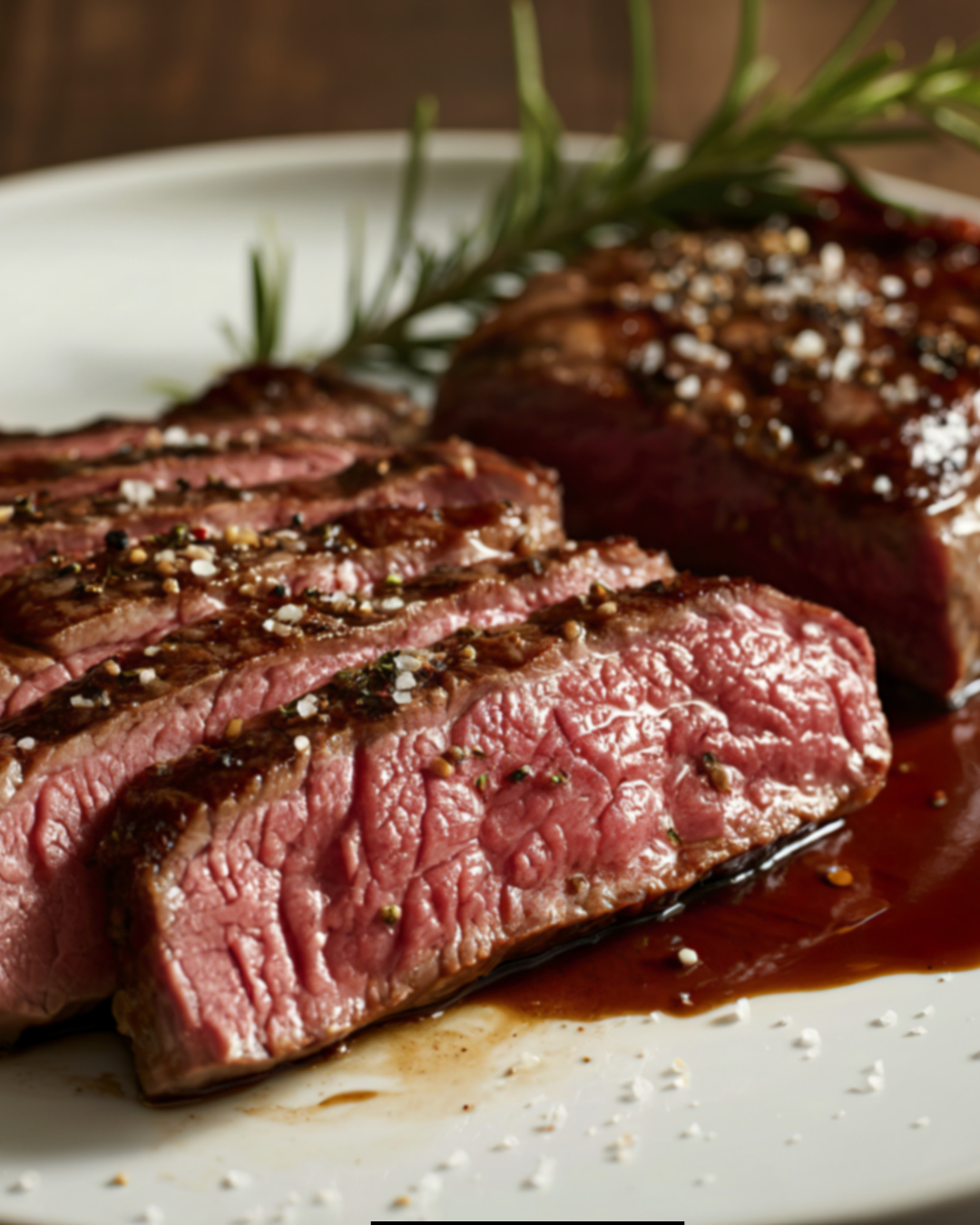
Known for his incredible attention to detail and impeccable techniques, Ramsay has turned the humble ribeye into a masterpiece, and the Gordon Ramsay Ribeye Steak recipe is surprisingly approachable for home cooks.
Table of Contents
How to make Gordon Ramsay Ribeye Steak
Gordon Ramsay Ribeye Steak is a premium beef ribeye steak prepared using cooking techniques popularized by Gordon Ramsay. The dish is known for its rich, juicy flavor, deep golden-brown crust, and aromatic butter basting.
Ingredients
Main Ingredients
- 1 ribeye steak (1–1½ inches thick, ideally well-marbled; about 10–12 oz or 280–350g)
- Sea salt (to taste)
- Freshly ground black pepper (to taste)
- 1–2 tablespoons olive oil or grapeseed oil (for high-heat cooking)
For Flavor Infusion
- 2 tablespoons unsalted butter
- 2–3 sprigs fresh thyme or rosemary (or both)
- 2 garlic cloves (lightly smashed with the side of a knife, skin on)
Instructions
1. Prepare the Steak
- Bring the Steak to Room Temperature: Take the ribeye steak out of the fridge at least 30 minutes before cooking. This helps the steak cook evenly.
- Pat it Dry: Use a paper towel to pat the steak completely dry. A dry surface ensures a better crust during searing.
- Season Generously: Sprinkle a generous amount of sea salt and freshly ground black pepper on both sides of the steak. Ramsay always stresses that seasoning is key to maximizing flavor.
2. Heat the Pan
- Use a cast-iron skillet or a heavy-bottom stainless steel pan for consistent heat.
- Place the pan over high heat and let it heat up until it’s smoking hot. A properly heated skillet is essential for creating that perfect caramelized crust.
3. Sear the Steak
- Add Oil: Pour in the olive or grapeseed oil, swirling the pan to coat the surface evenly.
- Sear the Steak: Place the steak into the hot pan. You should hear an audible sizzle—this is a good sign!
- Let the steak sear undisturbed for 2–3 minutes on one side until a golden crust forms. Avoid moving or pressing the steak during this time.
- Flip and cook the other side for another 2–3 minutes.
4. Add Butter and Aromatics
- Lower the heat slightly. Add butter, thyme/rosemary sprigs, and the smashed garlic cloves to the pan.
- As the butter melts, tilt the pan slightly and use a spoon to baste the steak by scooping the melted butter and drizzling it over the top. Repeat this process frequently for about 1–2 minutes to infuse the steak with rich, herb-infused flavors.
5. Check for Doneness
- Use a meat thermometer to ensure your steak is cooked to your preferred doneness:
- Rare: 120–125°F (49–52°C)
- Medium-rare: 130–135°F (54–57°C)
- Medium: 140–145°F (60–63°C)
- Medium-well: 150–155°F (65–68°C)
- Well-done: 160°F (71°C)
- For Gordon Ramsay’s touch, aim for medium-rare to preserve the ribeye’s juicy, tender texture.
6. Rest the Steak
- Transfer the steak to a cutting board or plate.
- Cover it loosely with foil and let it rest for 5–10 minutes. Resting ensures the juices redistribute throughout the steak, resulting in tender, juicy bites.
7. Slice and Serve
- Slice the steak against the grain into thick, juicy strips.
- Optionally, drizzle the warm, buttery pan juices over the steak for extra flavor.
- Pair it with your favorite sides such as mashed potatoes, roasted vegetables, or a simple salad for a complete meal.
Expert Tips for Perfect Ribeye Steak
- Choose Quality Meat: Opt for a well-marbled cut of ribeye steak for maximum flavor. Prime or choice-grade beef works best.
- Don’t Overcrowd the Pan: If cooking multiple steaks, cook one at a time or use a large pan to ensure each steak gets proper heat without steaming.
- Use High Heat for a Perfect Sear: A hot skillet is crucial for that golden, caramelized crust. Be patient and avoid flipping too early.
- Don’t Skip Resting: Cutting into the steak too soon will cause the juices to run out, making the meat less tender. Resting seals in the juices.
- Experiment with Aromatics: If you love bold flavors, add additional herbs such as sage or oregano to the pan, or experiment with flavored compound butter for basting.
- Resist the Temptation to press the Steak: Pressing down on the steak while cooking causes the juices to escape and diminishes the flavor.
What to serve with
A perfectly cooked Gordon Ramsay Ribeye Steak is undoubtedly the star of any meal, but pairing it with well-matched sides and accompaniments can elevate the dining experience to a whole new level.
1. Classic Potato Dishes
Potatoes are a timeless companion to steak, and Gordon Ramsay’s recipes often feature them as elegant yet comforting sides.
- Creamy Mashed Potatoes: Smooth and buttery mashed potatoes pair beautifully with the richness of ribeye steak. Enhance mashed potatoes with the addition of cream, unsalted butter, and a touch of garlic or fresh chives for added flavor.
- Crispy Roasted Potatoes: For contrast in textures, serve the steak with roasted baby potatoes tossed in olive oil, garlic, rosemary, and a sprinkle of sea salt. Roast until golden and crispy.
- Potato Dauphinoise: If you want to take things up a notch, create a decadent potato dauphinoise by layering thinly sliced potatoes with cream, garlic, and grated Gruyère cheese. Bake until bubbling and golden.
2. Vegetables: Seasonal and Fresh
Gordon Ramsay frequently incorporates seasonal vegetables to balance the richness of steak, ensuring a well-rounded plate.
- Sautéed Greens: Serve your ribeye with lightly sautéed greens such as spinach, Swiss chard, or kale. Sauté them with olive oil, minced garlic, and a squeeze of lemon for brightness.
- Roasted Asparagus: Asparagus is a classic steakhouse pairing, adored for its slightly earthy flavor. Toss with olive oil, sea salt, and black pepper, and roast or grill until tender with lightly crispy edges.
- Glazed Carrots: For sweetness, try honey-glazed carrots. Cook baby carrots with butter, a touch of honey, and fresh thyme for a caramelized finish that complements the savory steak.
Ingredients Substitutes
Not everyone has every ingredient on hand, and that’s okay! Cooking is all about adaptability, and with a few smart substitutions, you can still achieve incredible results while making Gordon Ramsay ribeye steak.
1. Ribeye Steak
The Gordon Ramsay Ribeye Steak is an essential part of Gordon Ramsay’s recipe due to its rich marbling, tenderness, and flavor. However, if ribeye isn’t available or doesn’t fit your budget, you can try other meat options.
Substitutes:
- Striploin (NY Strip): A leaner cut compared to ribeye, but still flavorful and tender with a good fat cap.
- Sirloin Steak: A wallet-friendly option with a beefy flavor, though it’s not as tender as ribeye. For extra juiciness, look for “top sirloin.”
- Filet Mignon: Super tender but much leaner. To compensate, baste heavily with butter during cooking.
- T-Bone or Porterhouse: These cuts offer a mix of striploin and filet and are excellent for special occasions with a larger portion size.
- Chuck Eye Steak: Often referred to as the “poor man’s ribeye,” this cut offers great marbling and flavor at a lower price point.
For plant-based options:
- Portobello Mushrooms: Large, meaty mushrooms make an excellent vegan substitute. Grilled or pan-seared with garlic and seasoning, they mimic the hearty texture of Gordon Ramsay Ribeye Steak.
- Cauliflower Steaks: Thick slabs of cauliflower roasted or grilled can serve as a unique, plant-forward alternative.
2. Olive Oil (or Grapeseed Oil)
Gordon Ramsay typically uses olive oil for its light flavor and ability to withstand high heat. However, other cooking oils can work just as well.
Substitutes:
- Avocado Oil: A great alternative with a high smoke point and neutral flavor.
- Canola Oil or Vegetable Oil: Cost-effective and widely available; avoid overheating as they can burn.
- Coconut Oil: Works well but may add a slight hint of coconut flavor, which might not complement all steak recipes.
- Butter (alone): If you don’t have oil, you can solely use butter, but keep the heat low to avoid burning.
- Rendered Animal Fat: Duck fat, tallow, or lard can be used for added richness.
3. Sea Salt
Sea salt enhances the natural flavors of the ribeye. If you’re out of sea salt, don’t worry—many alternatives can work.
Substitutes:
- Kosher Salt: A chef’s favorite for evenly seasoning steaks. Use it in the same quantity as sea salt.
- Himalayan Pink Salt: Provides a similar coarse texture and flavor profile.
- Regular Table Salt: A fine substitute, but use slightly less since it’s more concentrated than coarse sea salt.
4. Freshly Ground Black Pepper
Fresh black pepper adds depth and aroma to the steak. However, any form of pepper or spice blend can be used to achieve a similar effect.
Substitutes:
- White Pepper: Offers a mild peppery flavor with less heat.
- Crushed Red Chili Flakes: Adds a touch of spice; use sparingly.
- Garlic Pepper Seasoning: Combines black pepper with garlic for added complexity.
- Pre-ground Black Pepper: Widely available and convenient, though it lacks the aroma of freshly ground pepper.
5. Unsalted Butter
Butter is a key ingredient for basting the steak, as it enhances flavor and adds richness. If you’re out of butter or need a dairy-free option, the following substitutes will work.
Substitutes:
- Ghee: Clarified butter with a nutty flavor that doesn’t burn as easily as regular butter.
- Plant-Based Butter or Margarine: Ideal for vegans or those avoiding dairy; ensure you choose a product that can handle high heat.
- Olive Oil or Avocado Oil: While not as rich as butter, these oils are great for basting. Add fresh herbs to mimic the infused flavors.
- Coconut Oil: A dairy-free substitute that works well, though it may lend a coconut undertone.
Final Thoughts
The essence of Gordon Ramsay ribeye steak lies in cooking technique—like proper seasoning, a hot skillet, and basting the steak with aromatics. While certain ingredients enhance the overall flavor, none are truly irreplaceable.
More Steak Recipes:
Ingredients
Main Ingredients
- 1 ribeye steak
- Sea salt (to taste)
- Freshly ground black pepper (to taste)
- 1–2 tablespoons olive oil or grapeseed oil
For Flavor Infusion
- 2 tablespoons unsalted butter
- 2–3 sprigs fresh thyme or rosemary (or both)
- 2 garlic cloves
Instructions
1. Prepare the Steak
- Bring the Steak to Room Temperature: Take the ribeye steak out of the fridge at least 30 minutes before cooking. This helps the steak cook evenly.
- Pat it Dry: Use a paper towel to pat the steak completely dry. A dry surface ensures a better crust during searing.
- Season Generously: Sprinkle a generous amount of sea salt and freshly ground black pepper on both sides of the steak. Ramsay always stresses that seasoning is key to maximizing flavor.
2. Heat the Pan
- Use a cast-iron skillet or a heavy-bottom stainless steel pan for consistent heat.
- Place the pan over high heat and let it heat up until it's smoking hot. A properly heated skillet is essential for creating that perfect caramelized crust.
3. Sear the Steak
- Add Oil: Pour in the olive or grapeseed oil, swirling the pan to coat the surface evenly.
- Sear the Steak: Place the steak into the hot pan. You should hear an audible sizzle—this is a good sign!
- Let the steak sear undisturbed for 2–3 minutes on one side until a golden crust forms. Avoid moving or pressing the steak during this time.
- Flip and cook the other side for another 2–3 minutes.
4. Add Butter and Aromatics
- Lower the heat slightly. Add butter, thyme/rosemary sprigs, and the smashed garlic cloves to the pan.
- As the butter melts, tilt the pan slightly and use a spoon to baste the steak by scooping the melted butter and drizzling it over the top. Repeat this process frequently for about 1–2 minutes to infuse the steak with rich, herb-infused flavors.
5. Check for Doneness
- Use a meat thermometer to ensure your steak is cooked to your preferred doneness:
- Rare: 120–125°F (49–52°C)
- Medium-rare: 130–135°F (54–57°C)
- Medium: 140–145°F (60–63°C)
- Medium-well: 150–155°F (65–68°C)
- Well-done: 160°F (71°C)
- For Gordon Ramsay's touch, aim for medium-rare to preserve the ribeye’s juicy, tender texture.
6. Rest the Steak
- Transfer the steak to a cutting board or plate.
- Cover it loosely with foil and let it rest for 5–10 minutes. Resting ensures the juices redistribute throughout the steak, resulting in tender, juicy bites.
7. Slice and Serve
- Slice the steak against the grain into thick, juicy strips.
- Optionally, drizzle the warm, buttery pan juices over the steak for extra flavor.
- Pair it with your favorite sides such as mashed potatoes, roasted vegetables, or a simple salad for a complete meal.
Discover more from Gordon Ramsay Dish
Subscribe to get the latest posts sent to your email.