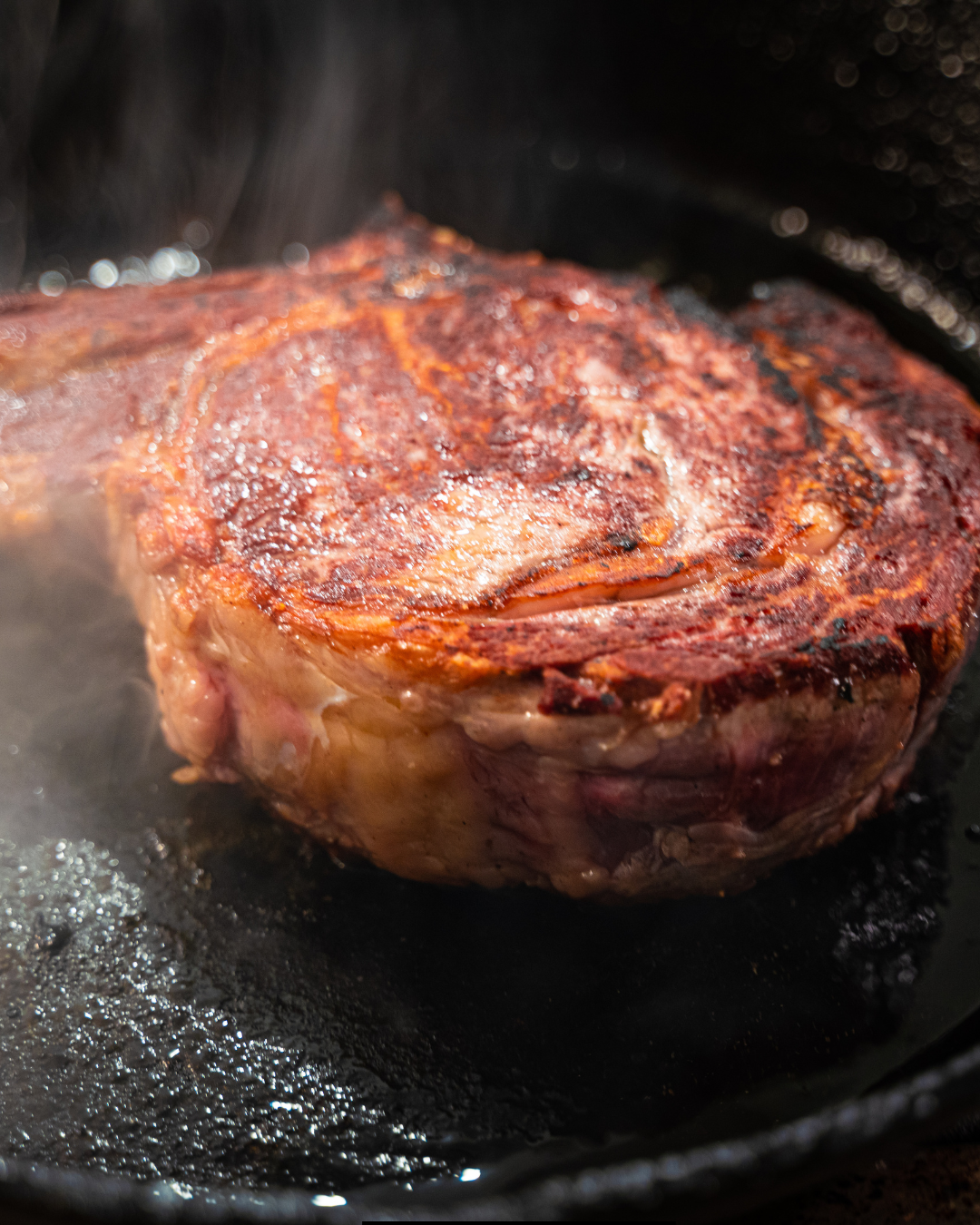
Cooking steak can feel intimidating—I know I’ve had my fair share of overcooked or under-seasoned attempts in the past. But Gordon Ramsay Cast Iron Steak is foolproof, transforming what could be just another dinner into an unforgettable experience. With the help of a trusty cast iron pan, a few simple ingredients, and some pro-chef tips, you’ll not only make a steak that’s better than any you’ve had in a restaurant—you’ll also impress yourself (and anyone lucky enough to share your table).
That golden-brown crust, the juicy center, and the melt-in-your-mouth tenderness—it’s pure culinary artistry. And when it comes to mastering steak, who better to turn to than Gordon Ramsay?
Table of Contents
Why This Method Works
The secret to Gordon Ramsay Cast Iron Steak perfection lies in the balance of high heat for searing and gentle basting for flavor infusion. The combination of robust seasoning, buttery aromatics, and precise cooking steps guarantees a steak that is crispy on the outside and tender on the inside.
How to make Gordon Ramsay Cast Iron Steak
Gordon Ramsay Cast Iron Steak is a restaurant-style steak prepared in a hot cast-iron skillet using Gordon Ramsay’s signature cooking method. The steak is seared over high heat to develop a rich, golden-brown crust, then basted with butter, garlic, and fresh herbs such as thyme or rosemary to add flavor and keep it juicy.
Ingredients
- Steak: Choose a high-quality cut like Ribeye, New York Strip, or Filet Mignon. Aim for a steak that’s about 1–1.5 inches thick for the best results.
- Salt and Black Pepper: Generously season the steak for bold flavor.
- Olive Oil: A drizzle for the initial sear.
- Unsalted Butter: A knob or two to baste the steak and add richness.
- Garlic: 2–3 cloves, smashed with the skin left on.
- Fresh Herbs: Sprigs of rosemary and thyme for an aromatic burst.
Optional Sides:
- Pair the steak with mashed potatoes, roasted vegetables, or a bright salad to round out the meal.
Instructions to Make Gordon Ramsay Cast Iron Steak
1. Choose Your Steak and Bring It to Room Temperature: Before you even fire up the pan, let your steak rest at room temperature for about 20–30 minutes. This ensures the steak cooks evenly, preventing a cold center.
2. Season Generously: Generously sprinkle salt and freshly ground black pepper on both sides of the steak. Don’t be shy—this step helps create that mouthwatering crust.
3. Heat the Cast Iron Pan: Place your cast iron skillet over high heat and let it get blazing hot. You want the pan to be smoking lightly before adding anything. A properly heated pan is the secret to a golden-brown, caramelized crust.
4. Sear the Steak: Add a drizzle of olive oil to the cast iron pan. Lay the steak carefully into the pan (away from you to avoid oil splatter) and let it sizzle. Resist the urge to move the steak; let it sear for 2–3 minutes on one side without touching it. This creates that signature crust. Flip the steak and sear the other side for another 2–3 minutes. It’s normal for a bit of smoke to form—make sure your kitchen is well-ventilated.
5. Add Butter and Aromatics: Once both sides have been seared, lower the heat slightly. Add your butter, smashed garlic cloves, and fresh sprigs of rosemary and thyme to the pan. Tilt the pan slightly so the melted butter pools on one side, then use a spoon to baste the steak repeatedly with the garlic- and herb-infused butter. This not only intensifies the flavor but also helps finish cooking the steak evenly.
6. Check for Doneness
- Insert a meat thermometer into the thickest part of the steak to measure its internal temperature. Here’s a quick guide:
- Rare: 120–125°F
- Medium-Rare: 130–135°F
- Medium: 140–145°F
- Medium-Well: 150–155°F
- Well-Done: 160°F and above
- If the steak needs more cooking, you can continue basting and flipping it for 30-second intervals until it reaches your desired doneness.
7. Rest the Steak: Remove the steak from the pan and place it on a cutting board. Cover it lightly with foil and allow it to rest for 5–10 minutes. This step is crucial—it allows the juices to redistribute, keeping your steak juicy and flavorful.
8. Slice and Serve: Slice the steak against the grain (this ensures tenderness), and serve it immediately. For extra flavor, drizzle the pan drippings over the slices.
Pro Tips for Gordon Ramsay Cast Iron Steak
- Start with a well-marbled steak from a trusted butcher. The quality of the steak is half the battle when aiming for restaurant-worthy results.
- Make sure the cast iron skillet is properly preheated. A hot pan equals a great crust and locks in the juices.
- Use a meat thermometer to hit your preferred level of doneness precisely. If you overcook the steak, even the best searing techniques won’t save it.
- Fresh garlic, rosemary, and thyme add an elegant depth of flavor to the butter baste that dried herbs cannot replicate.
- If you slice the steak immediately after cooking, the juices will run out, leaving the meat dry. Resting it ensures tenderness in every bite.
- While the classic method is irresistible, you might try finishing the steak with a splash of balsamic vinegar, a sprinkle of flaky sea salt, or even a dollop of chimichurri sauce for variety.
Ingredients Substitutes
Gordon Ramsay cast iron steak recipe is beloved for its simplicity and rich flavors, but what if you don’t have access to all the ingredients listed? No worries—you can easily adapt the recipe while still achieving phenomenal results.
1. Steak
The centerpiece of this Gordon Ramsay Cast Iron Steak recipe is, of course, the steak—but that doesn’t mean you’re tied to one specific cut!
Recommended Cuts for Substitution:
- Ribeye: If Ribeye isn’t available, try New York Strip, Sirloin, or Filet Mignon for similar results.
- Budget-Friendly Alternatives: Flank steak and skirt steak are great options if you’re looking for cheaper cuts. These cuts will still produce good results but cook more quickly because they’re thinner and leaner. Be sure to slice them against the grain for tenderness.
- Thick vs. Thin Steaks: If your steak is thinner than 1 inch, reduce the cooking time accordingly. For cuts thicker than 1.5 inches, consider finishing them in the oven after searing.
- Plant-Based Options: Love the technique but don’t eat meat? Try this method with a high-quality, thick plant-based steak alternative like Beyond Steak. The cast iron sear will still create a flavorful exterior.
2. Salt and Black Pepper
These simple seasonings are critical to bringing out the natural flavors of the steak.
Substitutes for Salt:
- Kosher Salt Alternative: Sea salt or Himalayan pink salt works just as well.
- Low-Sodium Option: Reduce salt and add a sprinkle of garlic or onion powder to enhance flavor without overloading on sodium.
Substitutes for Black Pepper:
- Use white pepper for a milder spice alternative.
- Crushed red pepper flakes can add a hint of spice if you’re feeling adventurous.
- A peppercorn blend (e.g., black, pink, green, white peppercorns) offers a unique depth of flavor.
3. Olive Oil
Olive oil is used as the base for searing the steak, but you can swap it out for other oils.
Oil Substitutes:
- Neutral Oils: Canola, vegetable, sunflower, or grapeseed oil works perfectly. These have high smoke points and impart no additional flavor to the steak.
- Butter Only: If you prefer a deeper flavor, you can skip the olive oil and go straight for butter. Just be careful to monitor the heat closely to prevent burning the butter during searing.
- Avocado Oil: Another great replacement due to its high smoke point and mild flavor.
- Ghee or Clarified Butter: With a higher smoke point than regular butter, these options offer a rich, nutty flavor and handle high heat well.
4. Unsalted Butter
Butter is crucial for basting the steak and adding rich, nutty flavor. Without it, you’d lose the classic indulgence Ramsay’s recipe is known for—so don’t leave this out!
Substitutes for Butter:
- Salted Butter: You can use salted butter if that’s all you have; reduce the amount of added salt in the recipe.
- Ghee or Clarified Butter: These have a similar taste and a higher smoke point, making them ideal for basting without burning.
- Plant-Based Butter: For vegans or those avoiding dairy, use a high-quality plant-based butter. Check for options designed for high-heat cooking.
- Go Dairy-Free: If butter isn’t an option at all, you can use an oil with a rich flavor like avocado oil or even coconut oil (though it will change the flavor profile).
5. Garlic
Fresh garlic adds a punch of flavor to the butter baste. If you don’t have fresh garlic, some alternatives can still pack a flavorful punch.
Substitutes for Garlic:
- Minced Garlic or Garlic Paste: Use a small spoonful of ready-made minced garlic or garlic paste in the pan.
- Garlic Powder: If you don’t have fresh garlic, a sprinkle of garlic powder works in a pinch. Add it to the butter while basting, but use less (½ teaspoon) as it has a more concentrated flavor.
- Shallots or Onions: For a slightly sweeter, milder flavor, toss in thinly sliced shallots or onions instead.
- Garlic Oil: Drizzle a small amount directly into the pan for a subtle garlic essence.
6. Fresh Herbs (Rosemary or Thyme)
Fresh rosemary and thyme provide the steak with a fragrant, herbaceous aroma—one of the hallmarks of Ramsay’s recipe. Yet, if you don’t have these on hand, other herbs can step in.
Herb Substitutes:
- Dried Herbs: Use dried rosemary or thyme in place of fresh, but remember to use sparingly—about ⅓ the amount of fresh rosemary or thyme. Add them to the butter in the pan so the heat releases their aromas.
Other Fresh Herbs:
- Sage: Its earthy aroma works well with steak for a slightly different flavor.
- Oregano: Adds a strong and slightly peppery taste.
- Tarragon: Provides a delicate, anise-like flavor that pairs beautifully with rich meat.
- Parsley or Basil: Great for a milder, Mediterranean twist.
- Substitute Blends: Use an Italian seasoning mix or Herbs de Provence for a more complex flavor blend.
Final Thoughts
With this Gordon Ramsay Cast Iron Steak recipe, there’s no limit to what you can achieve in your kitchen. Trust the process, don’t rush the steps, and channel your inner Gordon Ramsay—you’ll end up with a steak that’s nothing short of spectacular.
More Steak Recipes:
Ingredients
- Steak
- Salt and Black Pepper: Generously season the steak for bold flavor.
- Olive Oil: A drizzle for the initial sear.
- Unsalted Butter: A knob or two to baste the steak and add richness.
- Garlic: 2–3 cloves, smashed with the skin left on.
- Fresh Herbs
Instructions
1. Choose Your Steak and Bring It to Room Temperature: Before you even fire up the pan, let your steak rest at room temperature for about 20–30 minutes. This ensures the steak cooks evenly, preventing a cold center.
2. Season Generously: Generously sprinkle salt and freshly ground black pepper on both sides of the steak. Don’t be shy—this step helps create that mouthwatering crust.
3. Heat the Cast Iron Pan: Place your cast iron skillet over high heat and let it get blazing hot. You want the pan to be smoking lightly before adding anything. A properly heated pan is the secret to a golden-brown, caramelized crust.
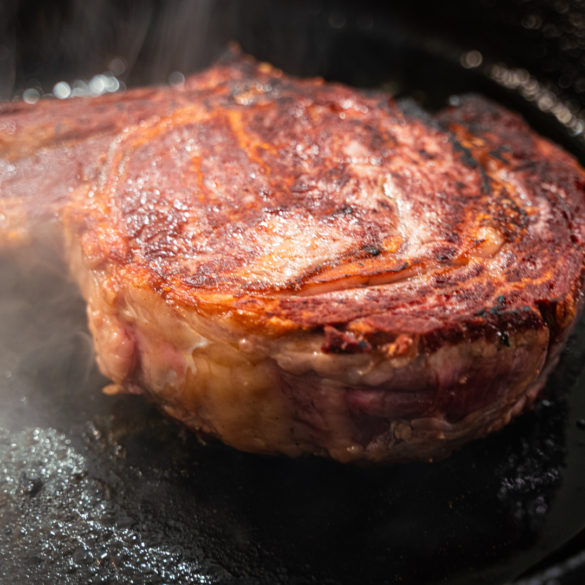
4. Sear the Steak: Add a drizzle of olive oil to the cast iron pan. Lay the steak carefully into the pan (away from you to avoid oil splatter) and let it sizzle. Resist the urge to move the steak; let it sear for 2–3 minutes on one side without touching it. This creates that signature crust. Flip the steak and sear the other side for another 2–3 minutes. It’s normal for a bit of smoke to form—make sure your kitchen is well-ventilated.
5. Add Butter and Aromatics: Once both sides have been seared, lower the heat slightly. Add your butter, smashed garlic cloves, and fresh sprigs of rosemary and thyme to the pan. Tilt the pan slightly so the melted butter pools on one side, then use a spoon to baste the steak repeatedly with the garlic- and herb-infused butter. This not only intensifies the flavor but also helps finish cooking the steak evenly.
6. Check for Doneness
- Insert a meat thermometer into the thickest part of the steak to measure its internal temperature. Here’s a quick guide:
- Rare: 120–125°F
- Medium-Rare: 130–135°F
- Medium: 140–145°F
- Medium-Well: 150–155°F
- Well-Done: 160°F and above
- If the steak needs more cooking, you can continue basting and flipping it for 30-second intervals until it reaches your desired doneness.
7. Rest the Steak: Remove the steak from the pan and place it on a cutting board. Cover it lightly with foil and allow it to rest for 5–10 minutes. This step is crucial—it allows the juices to redistribute, keeping your steak juicy and flavorful.
8. Slice and Serve: Slice the steak against the grain (this ensures tenderness), and serve it immediately. For extra flavor, drizzle the pan drippings over the slices.
Discover more from Gordon Ramsay Dish
Subscribe to get the latest posts sent to your email.