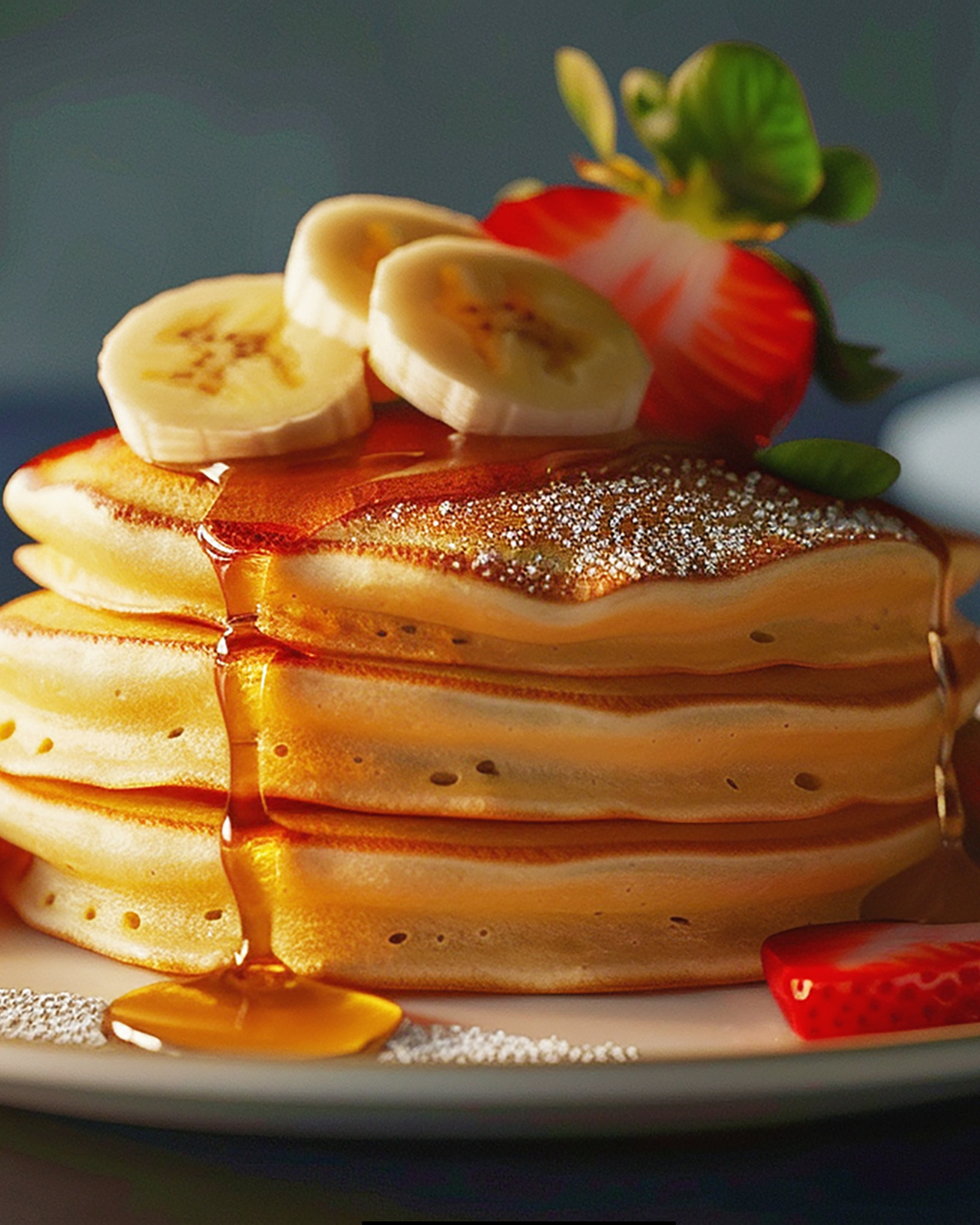
You’ve probably spent countless Sunday mornings in pursuit of the perfect pancake. Maybe you’ve tried endless recipes, but they’ve always either turned out too dense, too flat, or stuck to the pan like glue. Well, it’s time to finally turn the tables… or rather, flip the pancakes! Gordon Ramsay Pancake recipe will transform your pancake game for good.
I’m sharing one of my favorite pancake recipes inspired by Gordon Ramsay – because, let’s be honest, the man knows his way around a kitchen better than almost anyone.
Table of Contents
How to make Gordon Ramsay Pancake
Gordon Ramsay Pancakes are light, fluffy, and buttery pancakes inspired by the cooking style of celebrity chef Gordon Ramsay.
Ingredients
To make a batch of Gordon Ramsay pancakes, you’ll need the following:
Dry Ingredients
- 1 ½ cups (190g) plain flour
- 1 tsp baking powder
- ½ tsp baking soda
- 2 tbsp granulated sugar
- A pinch of salt
Wet Ingredients
- 1 cup (240ml) buttermilk (essential for adding tanginess and fluffy texture!)
- 1 large egg
- 3 tbsp unsalted butter (melted and cooled slightly)
- 1 tsp vanilla extract
Optional Toppings
- Fresh fruit (e.g., berries, bananas, or caramelized pineapple)
- Maple syrup, honey, or whipped cream
- Chopped nuts or chocolate chips
Instructions
Follow these steps to create buttery, golden pancakes worthy of Gordon Ramsay’s approval:
1. Prepare the Dry Ingredients: In a large mixing bowl, sift together the flour, baking powder, baking soda, sugar, and salt. Sifting helps prevent clumps and ensures the pancakes are light and fluffy.
2. Mix the Wet Ingredients: In a separate bowl, whisk the buttermilk, egg, melted butter, and vanilla extract until fully combined. The buttermilk is key to creating tender pancakes with a slight tang.
3. Combine the Wet & Dry Ingredients: Gradually add the wet mixture into the dry ingredients. Use a spatula to gently fold the batter together. Be careful not to overmix—some lumps are perfectly fine! Overmixing can result in dense pancakes.
4. Rest the Batter: Let the batter rest for 5–10 minutes. This step allows the baking soda to activate with the acid in the buttermilk, leading to fluffy results.
5. Heat the Pan: Place a non-stick or cast-iron skillet over medium heat and allow it to heat up properly. Add a small dab of butter or oil to coat the surface. When the pan is hot enough, but not smoking, it’s ready for the batter. (Test with a small droplet—if it sizzles gently, you’re good to go!)
6. Cook the Pancakes: Scoop about ¼ cup of batter into the pan for each pancake. Use the back of a spoon to spread the batter slightly if needed. Let the pancake cook for 2–3 minutes, or until bubbles form on the surface and the edges start to look set. Flip carefully and cook for another 1–2 minutes on the other side, until golden brown.
7. Serve Warm: Transfer cooked pancakes to a plate and keep warm by covering with a clean towel or placing in a low oven (set to 200°F/90°C). Serve immediately with your favorite toppings.
Gordon Ramsay’s Pancake Tips
- Don’t Overwork the Batter: A little mixing goes a long way. Overmixing can break down the air pockets needed for fluffy pancakes.
- Use Buttermilk: The acidity in the buttermilk reacts with the baking soda, making the pancakes rise beautifully and giving them a unique tang.
- Control the Pan Heat: Always cook pancakes on medium heat. A pan that’s too hot will burn the outside before the inside cooks through.
- Test One Pancake First: To adjust the heat and batter consistency, cook one pancake as a “tester” before proceeding with the rest.
- Upgrade Toppings: Gordon often pairs pancakes with more refined toppings. For example, he loves caramelizing fruits like pineapple or apples to add a depth of flavor.
What to serve with Gordon Ramsay Pancake
Gordon Ramsay pancakes are indulgent and delicious on their own, but pairing them with the right accompaniments can elevate your meal to new heights.
1. Maple Syrup or Honey
The classic pancake pairing! Use high-quality, 100% pure maple syrup for its deep, caramel-like flavor. Alternatively, a drizzle of local wildflower honey can add a floral sweetness.
2. Fresh Fruits
Adding fruit provides a vibrant, natural sweetness and a pop of color:
- Berries: Strawberries, blueberries, raspberries, or blackberries (serve fresh or macerated in sugar and lemon juice).
- Bananas: Sliced bananas pair wonderfully with syrup or a drizzle of Nutella.
- Caramelized Pineapple or Apples: Gordon Ramsay is a fan of caramelized fruit—cook fruit slices with a bit of butter and brown sugar for a sticky, delicious topping.
3. Whipped Cream or Yogurt
- Add a dollop of freshly whipped cream to make the pancakes feel like dessert.
- For a lighter option, try Greek yogurt or vanilla-flavored yogurt for a creamy and slightly tangy counterpart to the pancakes.
4. Nuts and Seeds
Sprinkle toasted almonds, pecans, walnuts, pistachios, or chia seeds for texture and crunch. These pair beautifully with fresh fruits and syrups.
5. Chocolate & Nut Butter
- Chocolate Sauce or Nutella: Drizzle warm chocolate sauce or spread a layer of Nutella for a gooey, chocolatey treat.
- Peanut Butter, Almond Butter, or Hazelnut Spread: Add a dollop of nut butter for richness and protein. A sprinkle of sea salt can enhance the flavors.
Ingredients Substitutes
If you’re craving Gordon Ramsay pancakes but find yourself short on a few ingredients, don’t worry—there are plenty of substitutes you can use without compromising the flavor or texture.
1. Flour Substitutes
The classic Gordon Ramsay Pancake Recipe recipe calls for plain (all-purpose) flour, which forms the base of the pancakes. If you don’t have plain flour or need a gluten-free option, here’s what you can use:
- Gluten-Free All-Purpose Flour: Use a store-bought gluten-free blend in a one-to-one ratio. Look for one that includes xanthan gum to mimic the binding properties of gluten.
- Whole Wheat Flour: For a healthier twist, replace plain flour with whole wheat flour. This might result in a denser texture, so consider using half whole wheat and half all-purpose flour to maintain the fluffiness.
- Oat Flour: Blend oats in a food processor to create oat flour. Substituting with oat flour will add a nutty flavor and softer texture but might make the pancakes a little more delicate. Add an extra egg to help bind the batter.
- Almond Flour: For a gluten-free, low-carb option, use almond flour. You may need to reduce the amount slightly (start with 1 ¼ cups for every 1 ½ cups of plain flour) and add an extra egg or more liquid to maintain consistency.
- Coconut Flour: A great gluten-free option but extremely absorbent. Replace with 1/3 of the required amount of plain flour, and increase your wet ingredients (such as buttermilk or eggs).
2. Buttermilk Substitutes
Gordon Ramsay Pancake Reciperelies on buttermilk for a tangy flavor and a light, fluffy texture. If you don’t have buttermilk on hand, here are some easy substitutes:
- Milk + Lemon Juice or Vinegar: Add 1 tablespoon of lemon juice or white vinegar to 1 cup of regular milk (whole milk is best), then let it sit for 5–10 minutes. This creates a similar tartness and acidity to buttermilk.
- Yogurt or Greek Yogurt: Thin 1 cup of plain yogurt or Greek yogurt with 2–4 tablespoons of water or milk until it reaches a buttermilk-like consistency.
- Milk + Cream of Tartar: Mix 1 cup of milk with 1 ½ teaspoons of cream of tartar for a quick, effective buttermilk substitute.
- Sour Cream: Mix equal parts sour cream and water or milk to mimic the thickness and tanginess of buttermilk.
- Non-Dairy Milk + Acid: For vegan or dairy-free options, add 1 tablespoon of apple cider vinegar or lemon juice to 1 cup of almond milk, soy milk, or oat milk. Let it sit for a few minutes to curdle slightly.
3. Egg Substitutes
The Gordon Ramsay Pancake recipe calls for 1 large egg, which acts as a binder and helps create fluffy pancakes. If you’re out of eggs or need a vegan replacement, consider these options:
- Flaxseed Egg: Mix 1 tablespoon of ground flaxseed with 2 ½ tablespoons of water. Let it sit for 5–10 minutes until it forms a gel-like consistency. This works well as a binder and is perfect for vegan pancakes.
- Chia Seed Egg: Similar to flaxseed, mix 1 tablespoon of chia seeds with 2 ½ tablespoons of water and let it thicken.
- Applesauce: Replace 1 egg with ¼ cup of unsweetened applesauce. This adds moisture and a hint of sweetness.
- Mashed Banana: Replace 1 egg with ¼ cup of mashed banana. It will add a subtle banana flavor and natural sweetness to your pancakes.
- Silken Tofu: Blend ¼ cup of silken tofu until smooth to replace 1 egg. This works especially well in savory pancakes.
- Vinegar + Baking Soda: Mix 1 tablespoon of vinegar (white or apple cider) with 1 teaspoon of baking soda. The reaction creates bubbles that mimic the leavening effect of eggs.
4. Sugar Substitutes
Gordon Ramsay’s recipe uses granulated sugar to sweeten the pancakes lightly. If you’re out of sugar or want a healthier option, try these substitutes:
- Brown Sugar: Swap in an equal amount of brown sugar for a deeper, molasses-like flavor.
- Honey: Use 1 ½ tablespoons of honey to replace 2 tablespoons of granulated sugar. Reduce other liquid ingredients slightly to compensate.
- Maple Syrup: Replace with an equal amount of pure maple syrup for a natural sweetener. Again, reduce the liquid in the recipe slightly.
- Coconut Sugar: A healthier, unrefined option, coconut sugar can replace granulated sugar one-to-one.
- Stevia or Monk Fruit Sweetener: For a low-carb or sugar-free version, use these sweeteners. Check the packaging for the conversion ratio, as they’re much sweeter than sugar.
- Agave Syrup: A vegan-friendly liquid sweetener that can work well in pancakes. Use slightly less (about ¾ the amount) since it’s sweeter than sugar.
5. Butter Substitutes
The recipe calls for 3 tablespoons of melted unsalted butter to add richness and moisture. If you’re out of butter or need a dairy-free alternative, try these options:
- Vegetable Oil: Replace melted butter with an equal amount of neutral oil, such as canola or vegetable oil.
- Coconut Oil: Use coconut oil for a slightly sweet, nutty flavor. Melt it first to ensure even mixing.
- Olive Oil: For savory or slightly fruity pancakes, extra-virgin olive oil can be a great substitute. Use slightly less (about 2 ½ tablespoons) to avoid overpowering the flavor.
- Applesauce: Replace butter with unsweetened applesauce for a low-fat option. This works especially well in sweet pancake recipes.
- Ghee: Use ghee (clarified butter) for a richer, nuttier flavor while retaining the buttery essence.
- Non-Dairy Butter: Use vegan butter spreads such as Earth Balance in the same quantity for a dairy-free alternative.
6. Baking Powder and Baking Soda Substitutes
Baking powder and baking soda are essential for fluffiness. However, if you run out, you can make quick substitutions:
- Baking Powder Substitute: Combine 1 teaspoon of baking soda with 2 teaspoons of cream of tartar to create your own baking powder.
- Baking Soda Substitute: If no baking soda is available, increase the baking powder in the recipe to compensate. For 1 teaspoon of baking soda, use 3 teaspoons of baking powder.
- Self-Rising Flour: If you have self-rising flour on hand, you can skip the baking powder altogether. Just use self-rising flour as a direct replacement for plain flour.
Final Thoughts
Making Gordon Ramsay pancakes isn’t just about the ingredients—it’s about attention to detail and patience.
More Recipes:
Ingredients
Dry Ingredients
- 1 ½ cups (190g) plain flour
- 1 tsp baking powder
- ½ tsp baking soda
- 2 tbsp granulated sugar
- A pinch of salt
Wet Ingredients
- 1 cup (240ml) buttermilk
- 1 large egg
- 3 tbsp unsalted butter
- 1 tsp vanilla extract
Optional Toppings
- Fresh fruit
- Maple syrup, honey, or whipped cream
- Chopped nuts or chocolate chips
Instructions
1. Prepare the Dry Ingredients: In a large mixing bowl, sift together the flour, baking powder, baking soda, sugar, and salt. Sifting helps prevent clumps and ensures the pancakes are light and fluffy.
2. Mix the Wet Ingredients: In a separate bowl, whisk the buttermilk, egg, melted butter, and vanilla extract until fully combined. The buttermilk is key to creating tender pancakes with a slight tang.
3. Combine the Wet & Dry Ingredients: Gradually add the wet mixture into the dry ingredients. Use a spatula to gently fold the batter together. Be careful not to overmix—some lumps are perfectly fine! Overmixing can result in dense pancakes.
4. Rest the Batter: Let the batter rest for 5–10 minutes. This step allows the baking soda to activate with the acid in the buttermilk, leading to fluffy results.
5. Heat the Pan: Place a non-stick or cast-iron skillet over medium heat and allow it to heat up properly. Add a small dab of butter or oil to coat the surface. When the pan is hot enough, but not smoking, it’s ready for the batter. (Test with a small droplet—if it sizzles gently, you’re good to go!)
6. Cook the Pancakes: Scoop about ¼ cup of batter into the pan for each pancake. Use the back of a spoon to spread the batter slightly if needed. Let the pancake cook for 2–3 minutes, or until bubbles form on the surface and the edges start to look set. Flip carefully and cook for another 1–2 minutes on the other side, until golden brown.
7. Serve Warm: Transfer cooked pancakes to a plate and keep warm by covering with a clean towel or placing in a low oven (set to 200°F/90°C). Serve immediately with your favorite toppings.
Discover more from Gordon Ramsay Dish
Subscribe to get the latest posts sent to your email.