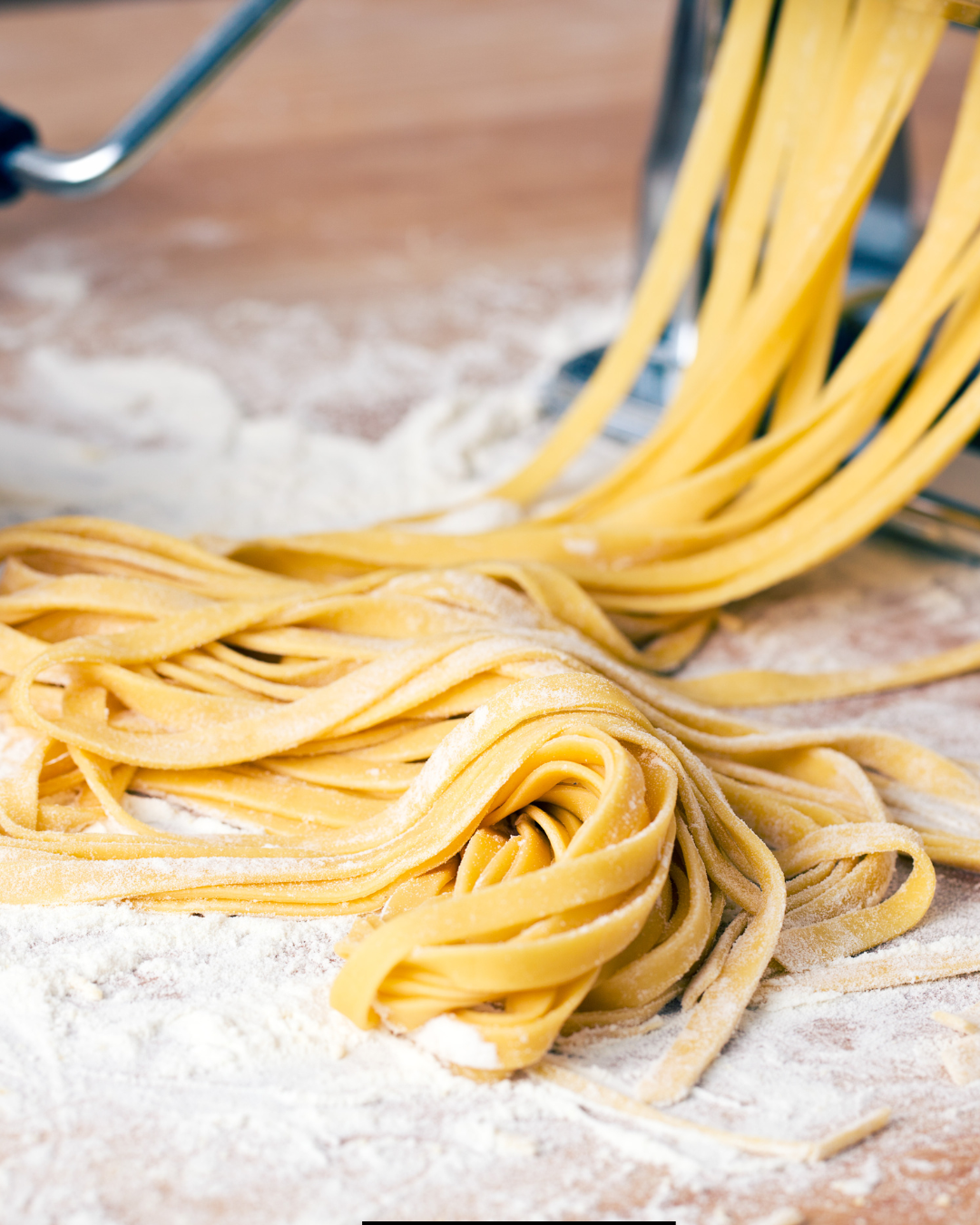
For me, there’s something deeply satisfying about making pasta from scratch—the tactile joy of kneading dough, the pride of watching it come together, and the heavenly aroma that fills the kitchen as it cooks. It’s the kind of magic that transforms flour and eggs into a comforting bowl of deliciousness. With Gordon Ramsay Pasta Dough recipe, I’ve discovered how simple ingredients, paired with a bit of patience and passion, can yield restaurant-worthy pasta right in your own home.
Famous for his fiery passion and unmatched culinary skills, Ramsay’s recipes are tailored not just for perfection on the plate but for an experience in the kitchen. And when it comes to fresh, homemade pasta, his approach is both inspiring and achievable for home cooks like us.
Table of Contents
Why This Recipe Works
Gordon Ramsay pasta dough recipe is rooted in simplicity and technique. Using just a handful of ingredients and focusing on the fundamentals (kneading, resting, and rolling), this recipe guarantees you’ll get smooth, tender, and perfectly elastic pasta every time. Whether you’re a pasta novice or a seasoned home cook, this recipe is a game-changer.
How to make Gordon Ramsay Pasta Dough
Gordon Ramsay Pasta Dough is a simple, fresh pasta dough recipe inspired by Gordon Ramsay’s cooking style, using just a few basic ingredients—typically 00 flour (or all-purpose flour), eggs, egg yolks, olive oil, and a pinch of salt.
Ingredients
- Flour: Use Tipo “00” flour (Italian double-zero flour) for best results. This finely ground flour creates silky, delicate pasta with a smooth texture.
- Eggs: Fresh, high-quality large eggs are key. Eggs not only bind the dough but also enrich it with flavor and a golden-yellow hue.
Optional Ingredients:
- A pinch of salt (adds a subtle flavor to the dough but can be omitted if you’re salting the boiling water).
- A drizzle of olive oil (optional but helps with elasticity and prevents drying out).
Proportions:
- For 2 servings, use 2 cups (250g) of flour and 3 large eggs.
- Adjust the ratio based on how many servings you need, maintaining the balance of roughly 1 egg per 80–100g of flour.
Instructions
Step 1: Prepare the Flour
Start by sifting the flour onto a clean countertop or large wooden board. Use your hands to form the flour into a mound, then create a well in the center. This well will look like a crater and is where you’ll add your eggs. This traditional technique ensures the ingredients are incorporated gradually.
Step 2: Add the Eggs
Crack the eggs into the well. If you’re using olive oil or salt, you can add them here. Using a fork, whisk the eggs gently, gradually incorporating a small amount of flour from the edges of the well. The goal is to combine the wet and dry ingredients slowly.
Tip: Be mindful not to let the walls of the flour well collapse while you’re mixing—this keeps the eggs from spilling over.
Step 3: Combine and Knead
Once the mixture begins to thicken and the dough starts to come together, ditch the fork and knead it with your hands. Scrape up any remaining flour bits to ensure everything is incorporated. Knead the dough for about 8–10 minutes, pushing it away from you with the heel of your hand and folding it back over.
How Do You Know the Dough is Ready?
- It should be smooth, elastic, and slightly tacky but not sticky.
- If the dough feels too dry or crumbly, add a tiny amount of water (a few drops at a time). If it’s too sticky, sprinkle in a small amount of flour.
Step 4: Rest the Dough
Form the dough into a ball, wrap it tightly in plastic wrap (or cover it with a damp kitchen towel), and let it rest for at least 30 minutes at room temperature. This step is crucial as it allows the gluten to relax, making the dough easier to roll out and shape.
Pro Tip: Resting for longer—up to 1 hour—can improve the texture even further.
Step 5: Roll and Shape
Once the dough has rested, divide it into smaller portions for easier handling. Using a rolling pin or pasta machine, roll out each portion as thin as possible. If using a pasta machine, start on the widest setting and gradually work your way to thinner settings, folding the dough in half occasionally to keep it smooth and even.
Dust the pasta lightly with flour to prevent sticking, then cut or shape it into your desired style—whether it’s spaghetti, tagliatelle, fettuccine, or ravioli.
Ingredients Substitutes
Fresh pasta is a culinary delight, and Gordon Ramsay Pasta Dough recipe is simple yet elegant. However, life happens—you might not have the exact ingredients on hand or want to adapt the recipe for dietary needs.
1. Flour Substitutes
The type of flour you use plays a significant role in the texture and quality of your pasta dough. While Gordon Ramsay typically recommends Italian Tipo “00” flour for its fine grind and smooth texture, there are plenty of substitutes and blends you can use if it’s not available.
Common Substitutes:
Best For: Standard pasta dough.
All-purpose flour is the easiest and most affordable alternative to Tipo “00.” It’s slightly coarser, so your dough might not be quite as smooth, but it will still produce delicious pasta with a slightly chewier texture.
Semolina Flour:
Best For: A firmer pasta with more bite (e.g., fettuccine, spaghetti).
Semolina is a coarser flour made from durum wheat. It adds a nutty flavor and firm texture, making it ideal for long noodles or shapes where structural integrity is important. It’s also a great addition to an AP or Tipo “00” blend.
Whole Wheat Flour:
Best For: Healthier pasta with a nuttier flavor.
Whole wheat flour can be used for a more nutritious option. Keep in mind it may result in denser, less elastic dough. Blending it with all-purpose or Tipo “00” flour (50:50 ratio) can balance the texture.
Gluten-Free Flour:
Best For: Gluten-intolerant or celiac-friendly pasta.
To make gluten-free pasta, look for gluten-free flour blends specifically made for kneading. Add a binding agent, such as xanthan gum (about 1 teaspoon per cup of flour), to replicate the elasticity of wheat-based dough.
Spelt Flour:
Best For: A delicate texture with a hint of nuttiness.
Spelt, an ancient grain, has slightly weaker gluten, so it yields softer pasta but provides a rich flavor. Use it alone or mixed with semolina or Tipo “00” flour.
2. Egg Substitutes (Vegan and Other Alternatives)
Eggs are a crucial component in traditional pasta dough recipes—they provide structure, richness, and flavor. However, if you’re out of eggs, have dietary restrictions, or want to try something different, there are several effective substitutes.
Vegan Egg Substitutes:
Water + Olive Oil:
Ratio: For 1 egg, use 2 tablespoons of water + 1 tablespoon of olive oil.
This mixture helps replicate some of the richness and moisture eggs provide. It’s ideal for basic vegan pasta dough.
Aquafaba (Chickpea Brine):
Ratio: Use 3 tablespoons of aquafaba to replace 1 egg.
Aquafaba is the liquid found in canned chickpeas. It’s an amazing vegan substitute that provides moisture and binding properties similar to eggs.
Flaxseed or Chia Egg:
Ratio: Mix 1 tablespoon of flaxseed meal or chia seeds with 2.5 tablespoons of water. Let it sit for 5–10 minutes until it forms a gel-like consistency.
This works well as a binding substitute. It gives pasta dough a slightly nutty flavor and firmer texture.
Other Egg Substitutes:
Silken Tofu:
Ratio: Use 2 tablespoons of blended silken tofu per egg.
Tofu adds creaminess and works well as a binder in egg-free recipes. It’s also a good source of protein.
Vegetable Purees (Spinach, Beetroot, Pumpkin):
Ratio: Add the same weight/volume of puree as the eggs specified in the original recipe.
These purees not only serve as moisture providers but also add color and subtle flavors to the dough.
Dairy Milk or Plant-Based Milk:
Ratio: Use 2–3 tablespoons of milk (dairy or plant-based) per egg.
Milk substitutes the liquid content of eggs while making the final pasta softer and more delicate.
3. Olive Oil Substitutes
Olive oil is optional in most pasta dough recipes, but if you’re out of it or want an alternative, consider these options:
- Vegetable or Neutral Oil (e.g., Canola, Sunflower): These work as a direct substitute for olive oil if you’re not looking for a strong flavor.
- Butter (Melted): Using melted butter provides a richer flavor, similar to an egg-enriched dough.
- Avocado Oil: A premium alternative to olive oil, avocado oil has a light, buttery flavor and similar properties.
- Coconut Oil: Choose unrefined for a slight coconut hint or refined for a neutral flavor.
4. Salt Substitutes
Adding salt to Gordon Ramsay Pasta Dough enhances flavor but isn’t required (since you can add plenty of salt to the boiling water). If you’re looking for alternatives for health reasons or preference:
- Seaweed Powder (Kombu or Wakame): Adds umami while keeping the sodium low.
- Nutritional Yeast: Brings a cheesy, nutty undertone that works wonderfully in Gordon Ramsay Pasta Dough.
- Herbs and Spices: For a unique twist, add finely chopped thyme, basil, or even garlic powder directly to the dough for a flavorful pasta.
- Low-Sodium Salt Alternatives: Products like potassium chloride can replace table salt with lower sodium content.
Final Thoughts
By experimenting with these ingredient substitutes, you can customize Gordon Ramsay pasta dough recipe to suit your pantry, preferences, or dietary needs—all while making pasta that’s flavorful, supple, and satisfying.
More Pasta Recipes:
Ingredients
- Flour: Use Tipo “00” flour
- Eggs
Optional Ingredients:
- A pinch of salt
- A drizzle of olive oil
Instructions
Step 1: Prepare the Flour
Start by sifting the flour onto a clean countertop or large wooden board. Use your hands to form the flour into a mound, then create a well in the center. This well will look like a crater and is where you’ll add your eggs. This traditional technique ensures the ingredients are incorporated gradually.
Step 2: Add the Eggs
Crack the eggs into the well. If you’re using olive oil or salt, you can add them here. Using a fork, whisk the eggs gently, gradually incorporating a small amount of flour from the edges of the well. The goal is to combine the wet and dry ingredients slowly.
Tip: Be mindful not to let the walls of the flour well collapse while you’re mixing—this keeps the eggs from spilling over.
Step 3: Combine and Knead
Once the mixture begins to thicken and the dough starts to come together, ditch the fork and knead it with your hands. Scrape up any remaining flour bits to ensure everything is incorporated. Knead the dough for about 8–10 minutes, pushing it away from you with the heel of your hand and folding it back over.
How Do You Know the Dough is Ready?
- It should be smooth, elastic, and slightly tacky but not sticky.
- If the dough feels too dry or crumbly, add a tiny amount of water (a few drops at a time). If it’s too sticky, sprinkle in a small amount of flour.
Step 4: Rest the Dough
Form the dough into a ball, wrap it tightly in plastic wrap (or cover it with a damp kitchen towel), and let it rest for at least 30 minutes at room temperature. This step is crucial as it allows the gluten to relax, making the dough easier to roll out and shape.
Pro Tip: Resting for longer—up to 1 hour—can improve the texture even further.
Step 5: Roll and Shape
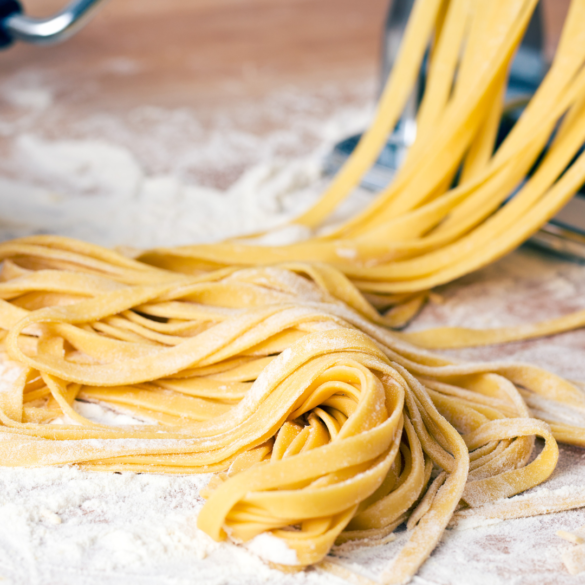
Once the dough has rested, divide it into smaller portions for easier handling. Using a rolling pin or pasta machine, roll out each portion as thin as possible. If using a pasta machine, start on the widest setting and gradually work your way to thinner settings, folding the dough in half occasionally to keep it smooth and even.
Dust the pasta lightly with flour to prevent sticking, then cut or shape it into your desired style—wheth
Discover more from Gordon Ramsay Dish
Subscribe to get the latest posts sent to your email.