Gordon Ramsay Spaghetti Bolognese recipe captures the heart of traditional Italian flavors while adding bold ingredients and professional techniques to make it unforgettable.
Now imagine elevating this classic dish with the unmistakable flair of world-renowned chef Gordon Ramsay.
How to make Gordon Ramsay Spaghetti Bolognese
Gordon Ramsay Spaghetti Bolognese is a rich, comforting pasta dish inspired by the classic Italian meat sauce known as ragù alla bolognese. While it is not a traditional recipe from Bologna, Gordon Ramsay’s version puts a modern spin on the beloved favorite by emphasizing bold flavors, fresh ingredients, and proper cooking techniques.
Ingredients
For the Bolognese Sauce:
- 2 tbsp olive oil (extra virgin is ideal)
- 1 large onion, finely chopped
- 2 garlic cloves, minced
- 1 large carrot, finely diced
- 1 celery stalk, finely diced
- 500g (1 lb) minced beef (you can also mix with pork mince for extra flavor)
- 2 tbsp tomato puree (paste)
- 400g (14oz) canned chopped tomatoes or passata
- 150ml red wine (optional, for deglazing and flavor)
- 150ml beef or chicken stock
- 1-2 tsp dried oregano
- 1-2 tsp fresh thyme leaves (or dried)
- 1 bay leaf
- Salt and freshly ground black pepper, to taste
- A splash of milk (optional, for a creamier texture)
For the Pasta:
- 300g (10oz) spaghetti
- Water, for boiling
- 1 tsp salt, for boiling water
For Garnish:
- Fresh basil leaves, to garnish
- Grated Parmesan cheese
Instructions
Follow these steps to create your masterpiece:
Step 1: Prepare the Ingredients
- Finely dice your onions, garlic, carrot, and celery—these vegetables form the flavorful base of the sauce. Ensure they’re finely chopped for a smooth consistency.
- Measure out your minced meat, tomato puree, red wine, and stock.
Step 2: Sauté the Vegetables
- In a deep, wide pan or skillet, heat 2 tablespoons of olive oil over medium heat.
- Add the onions, garlic, carrot, and celery. Sauté for about 5-7 minutes until softened but not browned. Stir occasionally.
Step 3: Brown the Meat
- Push the vegetables to the side of the pan and add the minced beef (and pork, if using) to the center.
- Break the meat apart with a wooden spoon and cook until browned evenly. This should take about 5 minutes.
Step 4: Add Wine and Tomato Paste
- Once the meat is browned, pour in the red wine to deglaze the pan, scraping up any bits stuck to the bottom—this adds tons of flavor!
- Let the wine reduce for 2-3 minutes until mostly evaporated.
- Stir in the tomato puree and mix well with the meat and vegetables.
Step 5: Build the Sauce
- Add the canned chopped tomatoes (or passata), beef stock, oregano, thyme, and bay leaf to the pan. Stir everything together.
- Season generously with salt and freshly ground black pepper to taste.
Step 6: Simmer the Sauce
- Reduce the heat to low and let the sauce simmer gently for 45 minutes to 1 hour. Stir occasionally to prevent sticking. This slow cooking allows the flavors to meld and the sauce to thicken.
- Optional: Add a splash of milk during the last 10 minutes of cooking. This helps mellow the acidity of the tomatoes and creates a smoother sauce.
Step 7: Cook the Spaghetti
- While the sauce simmers, bring a large pot of salted water to a boil.
- Add the spaghetti and cook according to the package instructions (usually 8-10 minutes) until al dente.
- Drain the pasta and reserve a small cup of pasta water in case you need to adjust the sauce.
Step 8: Combine and Serve
- Remove the bay leaf from the sauce and check seasoning, adjusting if necessary.
- Toss the drained spaghetti into the sauce, mixing well to coat each strand. You can add a splash of reserved pasta water if the sauce is too thick.
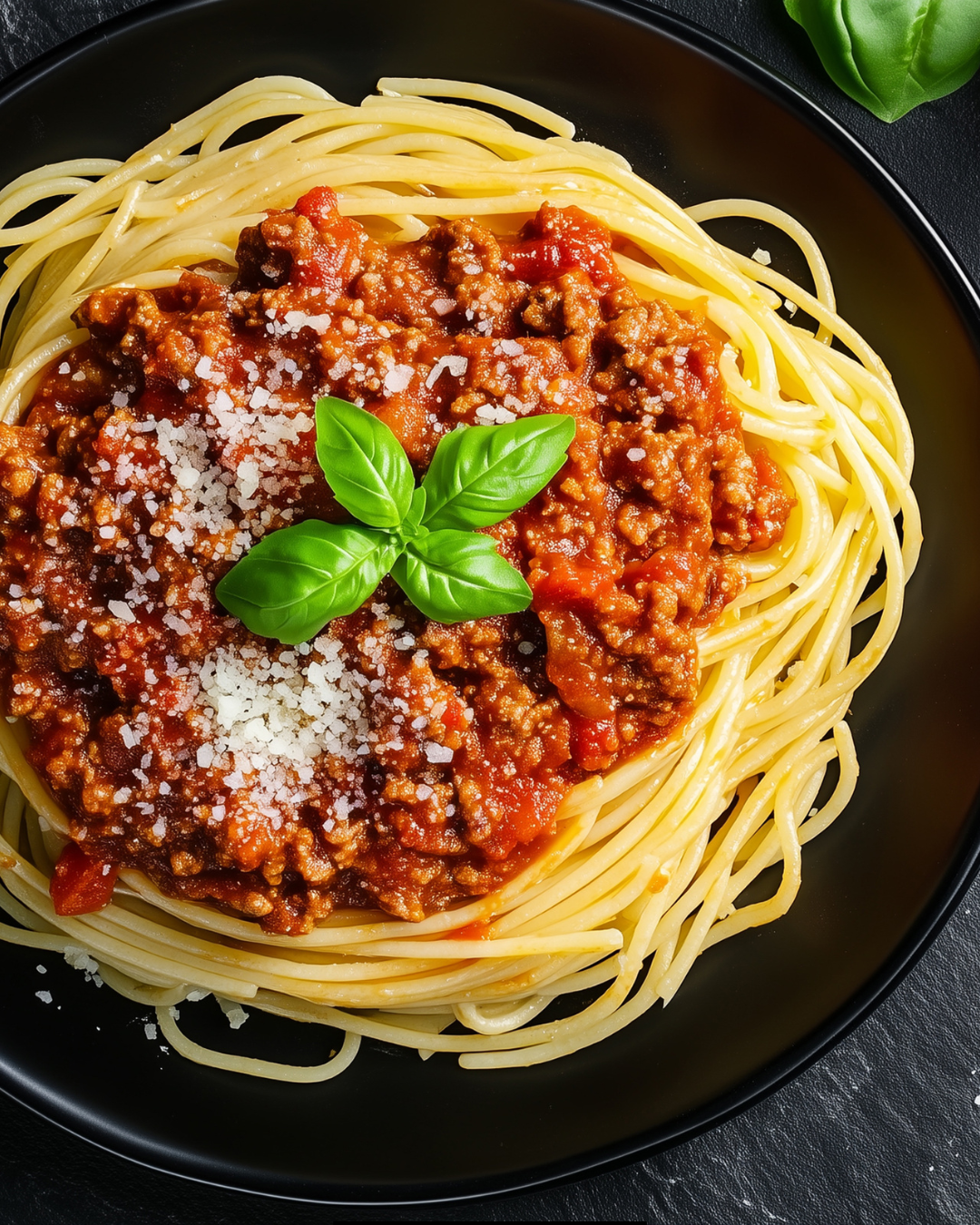
- Serve immediately, topped with fresh basil leaves and a generous sprinkle of grated Parmesan cheese.
Tips for Success
- Use Fresh Ingredients: Whenever possible, use fresh herbs, garlic, and high-quality meat for better flavor.
- Don’t Skip the Slow Simmer: Letting the sauce simmer for 45 minutes to an hour is crucial. The longer it cooks, the richer and deeper the flavors become.
- Deglaze the Pan Properly: The red wine not only adds flavor but also helps release browned bits from the pan, making the sauce even tastier.
- Balance Acidity: If your sauce tastes a bit acidic, a splash of milk or a pinch of sugar can help balance it.
- Cook Pasta Al Dente: Avoid overcooking your spaghetti. Al dente pasta holds up better when mixed with the sauce.
- Make It Your Own: Feel free to tweak the recipe. You can use pancetta or bacon for extra depth, or even mushrooms for a twist!
What to serve with Gordon Ramsay Spaghetti Bolognese
If you’re preparing Gordon Ramsay Spaghetti Bolognese, the rich, hearty flavors of the dish deserve the right accompaniments to elevate the entire meal.
1. Bread Options: For Dipping and Dunking
A good bread can create the perfect balance for the bold Bolognese flavors—the crisp exterior and soft interior pair beautifully with the sauce. Try one of the following:
- Garlic Bread: Served warm, garlic bread is a classic choice. Toast slices of crusty Italian or French bread brushed with garlic-infused butter and sprinkle with parsley or Parmesan. The crunch and the garlic flavor elevate the meal.
- Focaccia: A soft, flavorful bread infused with olive oil, rosemary, and seasoning—a fantastic side for soaking up the leftover sauce on your plate.
- Ciabatta or Rustic Artisan Bread: Serve plain or lightly toasted, drizzled with olive oil for simplicity.
2. Salads: Light and Fresh Accompaniments
A fresh salad will cut through the richness of the Bolognese sauce, adding texture and acidity. Here are a few popular options:
- Classic Caesar Salad: Crisp romaine lettuce tossed in a creamy Caesar dressing, topped with shaved Parmesan, crunchy croutons, and a sprinkle of freshly ground black pepper. It’s simple yet luxurious.
- Mixed Greens with Lemon Vinaigrette: Combine leafy greens (e.g., arugula, spinach, and baby kale) with sliced cucumbers, cherry tomatoes, and red onions. Drizzle with a light lemon vinaigrette to add a refreshing tang.
- Caprese Salad: Pair fresh mozzarella, thick-sliced tomatoes, and fresh basil leaves with a drizzle of balsamic glaze and olive oil. This salad is visually stunning and complements the Italian flavors perfectly.
3. Side Vegetables: For Nutritional Balance
For those who want to add a veggie-forward component to the meal, these cooked vegetable sides work wonderfully with Gordon Ramsay Spaghetti Bolognese:
- Roasted Vegetables: Roast a medley of zucchini, bell peppers, red onions, and cherry tomatoes with olive oil, garlic, and Italian seasonings. Roasting brings out their natural sweetness while maintaining a savory profile.
- Sautéed Spinach: A simple sauté of spinach with garlic and olive oil adds a healthy, light side that balances the richness of the Bolognese.
- Grilled Asparagus: Toss asparagus spears with olive oil, salt, and pepper, and grill or roast until tender. The smoky flavor pairs well with the meaty sauce.
Ingredients Substitutes
If you’re planning to make Gordon Ramsay Spaghetti Bolognese but don’t have access to some of the ingredients or need to make substitutions due to dietary restrictions, personal preferences, or availability, fret not!
1. Olive Oil
Original: Olive oil is used to sauté the vegetables and as a base for the sauce, imparting a rich, Mediterranean flavor.
Substitutes:
- Vegetable Oil or Canola Oil: Neutral oils that work for sautéing. They lack the fruity flavor of olive oil but serve the purpose well.
- Butter: Adds richness, but be mindful as it burns easily at higher heat.
- Coconut Oil (use sparingly): Adds a slight sweetness, which can work if you balance it with more spices or acidity.
2. Onion
Original: Onions provide a sweet, savory base for the sauce.
Substitutes:
- Shallots: These have a milder, sweeter flavor but work well as a replacement.
- Leeks: Use the white and light green parts. They add a subtle, sweet onion-like flavor.
- Scallions/Spring Onions: Use the white part for cooking. They’re milder but effective.
3. Garlic
Original: Minced garlic adds depth and aroma to the sauce.
Substitutes:
- Garlic Powder: Use 1/2 teaspoon of garlic powder for every fresh clove.
- Jarred Minced Garlic: Ready-made garlic paste or minced garlic jars can replace fresh cloves.
- Onion Powder: If garlic isn’t an option, onion powder offers a similar savory complexity.
4. Carrots
Original: Carrots add natural sweetness to balance the acidity of the tomatoes.
Substitutes:
- Parsnips: Similar sweetness with an earthier flavor.
- Sweet Potatoes: Use sparingly as they are sweeter than carrots.
- Bell Peppers (yellow or orange): Slightly different flavor profile, but they provide some sweetness and color.
5. Celery
Original: Provides depth and a subtle bitterness to balance the sweet and savory flavors.
Substitutes:
- Fennel: Adds a slight anise flavor, which can complement the sauce.
- Zucchini: Mild and adds texture, though lacks the bitterness of celery.
- Green Bell Pepper (in small amounts): Adds a slightly bitter, earthy flavor.
Final Thoughts
Gordon Ramsay Spaghetti Bolognese is more than just a meal—it’s an experience. From the rich, savory sauce to the perfectly cooked spaghetti, each bite is a testament to the magic of simple yet effective cooking techniques.
More Pasta Recipes:
Ingredients
For the Bolognese Sauce:
- 2 tbsp olive oil (extra virgin is ideal)
- 1 large onion, finely chopped
- 2 garlic cloves, minced
- 1 large carrot, finely diced
- 1 celery stalk, finely diced
- 500g (1 lb) minced beef
- 2 tbsp tomato puree (paste)
- 400g (14oz) canned chopped tomatoes or passata
- 150ml red wine (optional, for deglazing and flavor)
- 150ml beef or chicken stock
- 1-2 tsp dried oregano
- 1-2 tsp fresh thyme leaves (or dried)
- 1 bay leaf
- Salt and freshly ground black pepper, to taste
- A splash of milk (optional, for a creamier texture)
For the Pasta:
- 300g (10oz) spaghetti
- Water, for boiling
- 1 tsp salt, for boiling water
For Garnish:
- Fresh basil leaves, to garnish
- Grated Parmesan cheese
Instructions
Step 1: Prepare the Ingredients
- Finely dice your onions, garlic, carrot, and celery—these vegetables form the flavorful base of the sauce. Ensure they’re finely chopped for a smooth consistency.
- Measure out your minced meat, tomato puree, red wine, and stock.
Step 2: Sauté the Vegetables
- In a deep, wide pan or skillet, heat 2 tablespoons of olive oil over medium heat.
- Add the onions, garlic, carrot, and celery. Sauté for about 5-7 minutes until softened but not browned. Stir occasionally.
Step 3: Brown the Meat
- Push the vegetables to the side of the pan and add the minced beef (and pork, if using) to the center.
- Break the meat apart with a wooden spoon and cook until browned evenly. This should take about 5 minutes.
Step 4: Add Wine and Tomato Paste
- Once the meat is browned, pour in the red wine to deglaze the pan, scraping up any bits stuck to the bottom—this adds tons of flavor!
- Let the wine reduce for 2-3 minutes until mostly evaporated.
- Stir in the tomato puree and mix well with the meat and vegetables.
Step 5: Build the Sauce
- Add the canned chopped tomatoes (or passata), beef stock, oregano, thyme, and bay leaf to the pan. Stir everything together.
- Season generously with salt and freshly ground black pepper to taste.
Step 6: Simmer the Sauce
- Reduce the heat to low and let the sauce simmer gently for 45 minutes to 1 hour. Stir occasionally to prevent sticking. This slow cooking allows the flavors to meld and the sauce to thicken.
- Optional: Add a splash of milk during the last 10 minutes of cooking. This helps mellow the acidity of the tomatoes and creates a smoother sauce.
Step 7: Cook the Spaghetti
- While the sauce simmers, bring a large pot of salted water to a boil.
- Add the spaghetti and cook according to the package instructions (usually 8-10 minutes) until al dente.
- Drain the pasta and reserve a small cup of pasta water in case you need to adjust the sauce.
Step 8: Combine and Serve
- Remove the bay leaf from the sauce and check seasoning, adjusting if necessary.
- Toss the drained spaghetti into the sauce, mixing well to coat each strand. You can add a splash of reserved pasta water if the sauce is too thick.
- Serve immediately, topped with fresh basil leaves and a generous sprinkle of grated Parmesan cheese.
Discover more from Gordon Ramsay Dish
Subscribe to get the latest posts sent to your email.