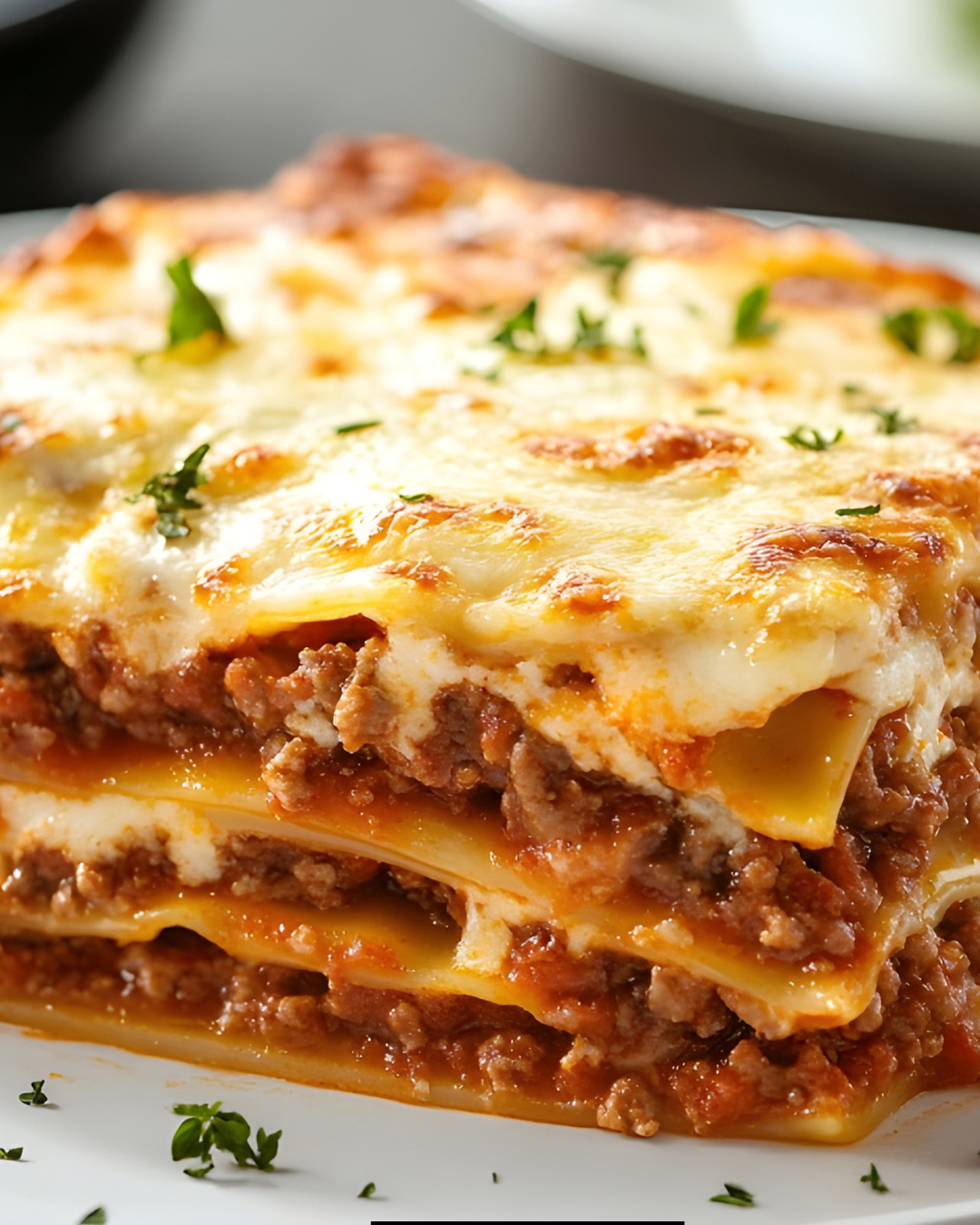
Gordon Ramsay Lasagna recipe isn’t just food; it’s a celebration of bold, authentic flavors and the art of cooking. When I first tried it, I couldn’t believe the difference simple techniques and fresh ingredients could make.
Table of Contents
How to make Gordon Ramsay Lasagna
Gordon Ramsay lasagna is his take on the classic Italian baked pasta dish, featuring layers of rich meat ragù, creamy béchamel sauce, lasagna sheets, and cheese, baked until golden and bubbling.
Ingredients
For the Meat Sauce:
- 2 tablespoons olive oil
- 1 large onion, finely chopped
- 2 garlic cloves, minced
- 2 celery sticks, finely chopped
- 2 carrots, finely chopped
- 500g (1 lb) ground beef (or a mix of beef and pork)
- 2 tablespoons tomato puree (tomato paste)
- 1 cup red wine (optional but adds depth)
- 1½ cups canned chopped tomatoes (or passata)
- 1 teaspoon dried oregano
- 1 teaspoon dried thyme
- 1 bay leaf
- Salt and pepper to taste
For the Béchamel Sauce:
- 4 tablespoons unsalted butter
- 4 tablespoons all-purpose flour
- 3½ cups whole milk (warm)
- A small pinch of ground nutmeg
- Salt and white pepper to taste
For the Assembly:
- Fresh lasagna sheets (or dried, pre-cooked according to package instructions)
- 1½ cups grated Parmesan cheese
- 1 cup grated mozzarella or Cheddar cheese
- Fresh basil leaves (optional, for garnish)
Instructions
Step 1: Prepare the Meat Sauce
- Heat the olive oil in a large skillet or saucepan over medium heat.
- Add the chopped onion, garlic, celery, and carrots. Sauté until softened, about 5-7 minutes. The vegetables should be fragrant and slightly caramelized.
- Add the ground beef (or beef and pork mixture) to the skillet. Break it up with a wooden spoon as it browns evenly. Cook for 8-10 minutes, or until fully browned and cooked through.
- Stir in the tomato puree, cooking for 2-3 minutes to remove any raw tomato flavor.
- Pour in the red wine (if using) and let it simmer for 5 minutes to reduce slightly. This intensifies the flavor.
- Add the chopped tomatoes, oregano, thyme, bay leaf, and a generous pinch of salt and pepper. Reduce the heat to low and let the sauce simmer for 30-40 minutes, stirring occasionally, until thick and rich. Remove the bay leaf before assembling the lasagna.
Step 2: Make the Béchamel Sauce
- In a medium saucepan, melt the butter over low heat.
- Whisk in the flour and cook for 1-2 minutes to form a roux, ensuring the raw flour taste is cooked out.
- Gradually add the warm milk in small increments, whisking constantly to avoid lumps. Continue until all the milk is incorporated and the sauce thickens.
- Season the sauce with nutmeg, salt, and white pepper to taste. Remove from heat and set aside. If the sauce thickens too much, you can whisk in a splash of milk to loosen it.
Step 3: Assemble the Lasagna
- Preheat your oven to 375°F (190°C).
- In a baking dish (approximately 9×13 inches), spread a thin layer of meat sauce on the bottom. This prevents the pasta sheets from sticking.
- Place a layer of lasagna sheets over the meat sauce, ensuring they slightly overlap.
- Spread a generous layer of meat sauce over the pasta, followed by a layer of béchamel sauce. Sprinkle Parmesan cheese over the béchamel.
- Repeat the layers (pasta → meat sauce → béchamel → cheese) until all ingredients are used, finishing with a layer of béchamel and topped with a mix of Parmesan and mozzarella (or Cheddar).
- Cover the dish loosely with foil and bake in the preheated oven for 25 minutes.
- Remove the foil and bake for an additional 10-15 minutes, or until the top is golden and bubbling.
- Let the lasagna rest for 10 minutes before slicing to allow the layers to settle.
Tips for Success
- Use Fresh Ingredients: Gordon Ramsay emphasizes fresh vegetables, high-quality meat, and flavorful cheeses for the best Gordon Ramsay Lasagna.
- Simmer the Sauce: Allowing the meat sauce to simmer for 30-40 minutes enhances its depth of flavor. Don’t rush this step.
- Don’t Skip the Béchamel: The creamy béchamel balances the acidity of the tomato sauce and ties the dish together.
- Layer with Care: Make sure the sauces fully cover each sheet of pasta to prevent it from drying out while baking.
- Let It Rest: Give the Gordon Ramsay Lasagna time to set after baking. This prevents it from falling apart when you slice into it.
Ingredients Substitutes
Gordon Ramsay lasagna recipe is a timeless classic, but whether you’re working with dietary restrictions, ingredient availability, or personal preferences, it’s completely adaptable.
Meat Sauce Substitutes
1. Ground Meat Alternatives
- Ground Turkey or Chicken: If you prefer leaner options, ground turkey or chicken can replace ground beef or pork. These meats are milder in flavor, so try adding a splash of Worcestershire sauce or smoked paprika for depth.
- Vegetarian Option – Mushroom and Lentil Mix: For a vegetarian twist, finely chop portobello or cremini mushrooms and toss them with cooked lentils for a meaty texture and earthy flavor.
- Plant-Based Meat: Use store-bought plant-based ground meat (like Beyond Meat or Impossible) for a vegan-friendly alternative that maintains the texture of traditional lasagna.
2. Wine Substitutes
- Beef or Vegetable Stock: Use stock in place of wine for richness. Add 1 teaspoon of balsamic vinegar or red wine vinegar for a hint of acidity.
- Pomegranate Juice: A surprising substitute, pomegranate juice offers sweetness and a bit of tang akin to red wine.
3. Tomato Puree and Chopped Tomatoes
- Fresh Tomatoes: If canned tomatoes aren’t available, use fresh tomatoes. Blanch, peel, and chop them, then simmer them down to create your own sauce.
- Sun-Dried Tomatoes: Blend sun-dried tomatoes with water or stock to create a concentrated tomato base.
- Marinara Sauce: Premade marinara or pasta sauce can replace both tomato puree and chopped tomatoes for convenience.
4. Seasoning Adjustments
- Fresh Herbs in Place of Dried: Swap dried oregano and thyme for fresh versions, doubling the quantity for a similar impact. Basil is also a great alternative with complementary flavors.
Béchamel Sauce Substitutes
1. Butter Substitutes
- Olive Oil: Use olive oil for a lighter béchamel. It’s particularly great for those looking for dairy-free options.
- Plant-Based Butter: Vegan butters work well to replicate the creamy richness of traditional butter.
2. Milk Alternatives
- Dairy-Free Milk: Almond milk, oat milk, or soy milk can replace whole milk. Opt for unsweetened and unflavored varieties to avoid distracting flavors.
- Cream or Half-and-Half: For extra richness, substitute part of the milk with heavy cream or half-and-half.
3. Nutmeg Alternatives
- Cinnamon or Allspice: If nutmeg is unavailable, use a very small pinch of cinnamon or allspice for warmth. Keep it subtle, as these spices can overpower the sauce.
4. Flour Substitutes for the Roux
- Gluten-Free Flour: Use a high-quality gluten-free all-purpose flour blend to make a gluten-free béchamel.
- Cornstarch or Arrowroot Powder: Create a slurry with cornstarch or arrowroot powder and milk to thicken the sauce without flour.
Pasta Substitutes
1. Lasagna Sheets Alternatives
- Fresh Pasta: For those who make homemade pasta, fresh pasta sheets work beautifully as a substitute for store-bought ones.
- Gluten-Free Lasagna Sheets: Use store-bought gluten-free pasta sheets (made from rice or corn flour) to accommodate dietary needs.
- Vegetable Sheets: Thinly slice vegetables like zucchini, eggplant, or butternut squash lengthwise into sheet-like strips. These make low-carb, gluten-free lasagna layers that are both healthy and delicious.
2. No-Boil Pasta Hack
- If you only have traditional lasagna sheets but don’t want to pre-cook them, add an extra splash of water or milk to the béchamel sauce. This ensures sufficient moisture to hydrate the pasta while baking.
Final Thoughts
Gordon Ramsay lasagna is a true labor of love, combining simple ingredients with expert techniques to create a dish that’s both hearty and elegant.
More Recipes:
Ingredients
For the Meat Sauce:
- 2 tablespoons olive oil
- 1 large onion, finely chopped
- 2 garlic cloves, minced
- 2 celery sticks, finely chopped
- 2 carrots, finely chopped
- 500g (1 lb) ground beef (or a mix of beef and pork)
- 2 tablespoons tomato puree (tomato paste)
- 1 cup red wine (optional but adds depth)
- 1½ cups canned chopped tomatoes (or passata)
- 1 teaspoon dried oregano
- 1 teaspoon dried thyme
- 1 bay leaf
- Salt and pepper to taste
For the Béchamel Sauce:
- 4 tablespoons unsalted butter
- 4 tablespoons all-purpose flour
- 3½ cups whole milk (warm)
- A small pinch of ground nutmeg
- Salt and white pepper to taste
For the Assembly:
- Fresh lasagna sheets
- 1½ cups grated Parmesan cheese
- 1 cup grated mozzarella or Cheddar cheese
- Fresh basil leaves (optional, for garnish)
Instructions
Step 1: Prepare the Meat Sauce
- Heat the olive oil in a large skillet or saucepan over medium heat.
- Add the chopped onion, garlic, celery, and carrots. Sauté until softened, about 5-7 minutes. The vegetables should be fragrant and slightly caramelized.
- Add the ground beef (or beef and pork mixture) to the skillet. Break it up with a wooden spoon as it browns evenly. Cook for 8-10 minutes, or until fully browned and cooked through.
- Stir in the tomato puree, cooking for 2-3 minutes to remove any raw tomato flavor.
- Pour in the red wine (if using) and let it simmer for 5 minutes to reduce slightly. This intensifies the flavor.
- Add the chopped tomatoes, oregano, thyme, bay leaf, and a generous pinch of salt and pepper. Reduce the heat to low and let the sauce simmer for 30-40 minutes, stirring occasionally, until thick and rich. Remove the bay leaf before assembling the lasagna.
Step 2: Make the Béchamel Sauce
- In a medium saucepan, melt the butter over low heat.
- Whisk in the flour and cook for 1-2 minutes to form a roux, ensuring the raw flour taste is cooked out.
- Gradually add the warm milk in small increments, whisking constantly to avoid lumps. Continue until all the milk is incorporated and the sauce thickens.
- Season the sauce with nutmeg, salt, and white pepper to taste. Remove from heat and set aside. If the sauce thickens too much, you can whisk in a splash of milk to loosen it.
Step 3: Assemble the Lasagna
- Preheat your oven to 375°F (190°C).
- In a baking dish (approximately 9x13 inches), spread a thin layer of meat sauce on the bottom. This prevents the pasta sheets from sticking.
- Place a layer of lasagna sheets over the meat sauce, ensuring they slightly overlap.
- Spread a generous layer of meat sauce over the pasta, followed by a layer of béchamel sauce. Sprinkle Parmesan cheese over the béchamel.
- Repeat the layers (pasta → meat sauce → béchamel → cheese) until all ingredients are used, finishing with a layer of béchamel and topped with a mix of Parmesan and mozzarella (or Cheddar).
- Cover the dish loosely with foil and bake in the preheated oven for 25 minutes.
- Remove the foil and bake for an additional 10-15 minutes, or until the top is golden and bubbling.
- Let the lasagna rest for 10 minutes before slicing to allow the layers to settle.
Discover more from Gordon Ramsay Dish
Subscribe to get the latest posts sent to your email.