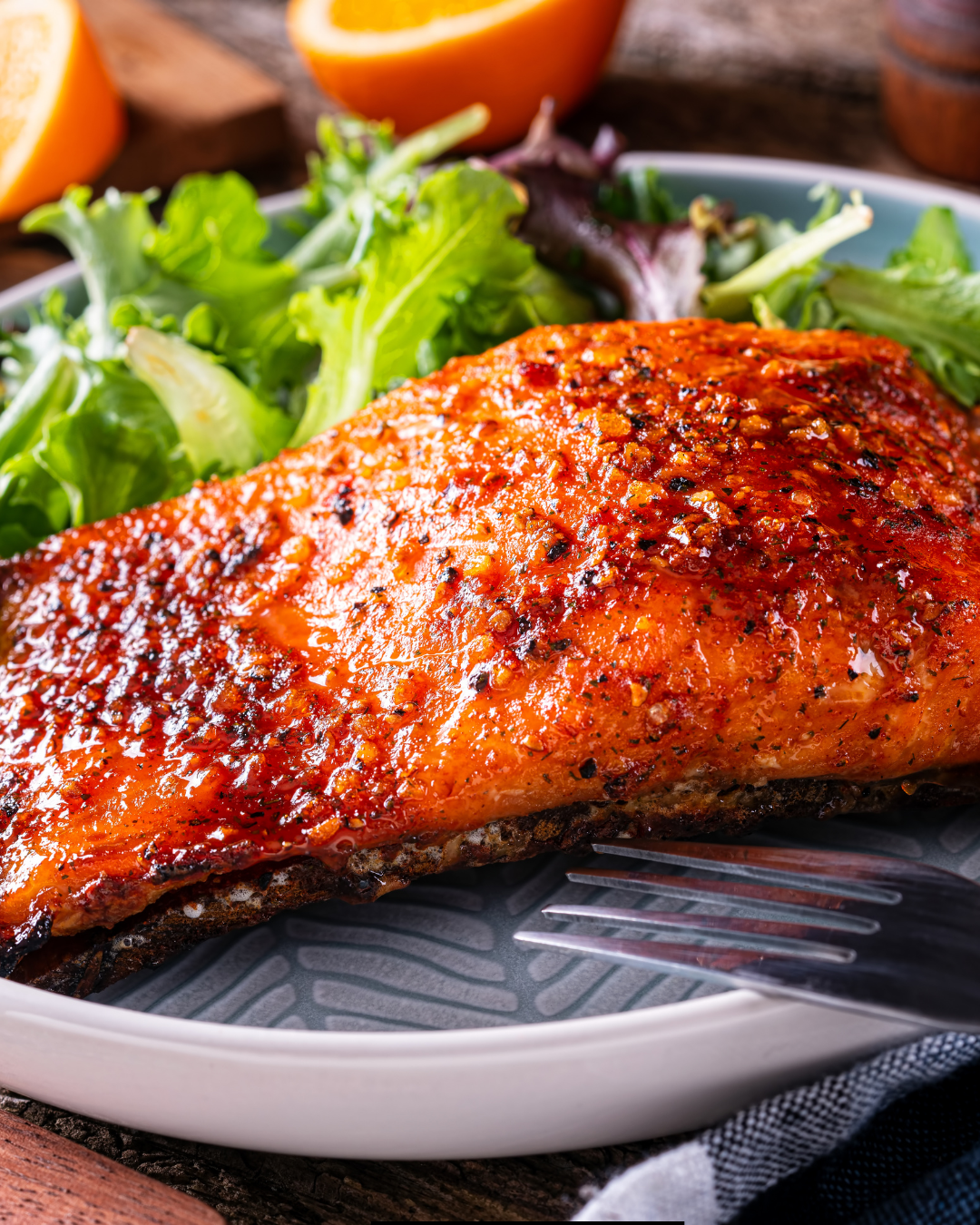
I’ve always been drawn to Ramsay’s techniques. Gordon Ramsay Salmon recipe strikes the perfect balance between simplicity and sophistication.
Table of Contents
How to make Gordon Ramsay Salmon
Gordon Ramsay Salmon is a style of salmon dish popularized by celebrity chef Gordon Ramsay, typically made by pan-searing or roasting salmon fillets with simple seasonings, butter, herbs, garlic, and lemon to create crispy skin and tender, flavorful fish.
Ingredients
For the Salmon
- 2 salmon fillets (skin-on, about 6 oz or 170g each — fresh is preferred, but frozen can work if properly thawed)
- Salt and freshly ground black pepper (to taste)
- Olive oil or vegetable oil (1-2 tbsp for pan-searing)
For the Aromatics and Flavor
- 2 tbsp unsalted butter
- 2 cloves garlic (crushed or minced)
- Fresh thyme leaves (or use rosemary — about 2-3 sprigs)
- Lemon slices or lemon juice (for finishing and garnish)
Optional Garnishes
- Chopped parsley or dill (for serving)
- Lemon zest (for additional brightness)
Instructions
- Dry the Fillets: Use paper towels to pat the salmon fillets completely dry. This step is essential for achieving a golden, crispy skin.
- Season Generously: Liberally sprinkle both sides of the salmon fillets with salt and freshly ground black pepper. Ramsay’s recipes emphasize seasoning to bring out the best in the fish.
- Place a large non-stick skillet or heavy-bottomed pan over medium-high heat.
- Add olive oil and heat until shimmering but not smoking. A properly heated pan prevents the salmon from sticking and ensures a gorgeous sear.
- Start Skin-Side Down: Place the salmon into the pan skin-side down. Lay it away from you to avoid splattering.
- Press Down: Use a spatula to press the fillets for the first 30 seconds gently. This prevents the skin from curling up and ensures an even sear.
- Cook for 4-5 minutes skin-side down, until the skin becomes crispy and golden. The fish will cook mostly on this side.
- Carefully flip the salmon fillets and cook on the flesh side for 2-3 minutes.
- Add butter to the pan, along with the crushed garlic and thyme (or rosemary). As the butter melts, use a spoon to baste the fillets by drizzling the butter and herbs over them. This adds rich flavor and moisture.
- Salmon is done when the flesh easily flakes with a fork and reaches an internal temperature of:
- 125°F (52°C) for medium-rare.
- 135°F (57°C) for well-done, but avoid overcooking to retain juiciness.
- Remove the salmon from the pan and let it rest for 1-2 minutes.
- Squeeze fresh lemon juice over the fillets or garnish with lemon slices for brightness. Sprinkle with chopped parsley if desired.
Cooking Tips
- Choose the Right Salmon: Opt for fresh, high-quality salmon fillets. Wild-caught varieties (such as sockeye or king salmon) generally have more flavor, while farmed salmon is milder and often fattier.
- Don’t Overcrowd the Pan: If making more than 2 fillets, cook them in batches to ensure even searing.
- Use Medium-High Heat: Cooking at the right temperature ensures crispy skin and tender flesh without burning.
- Let the Salmon Rest: Just like steak, salmon benefits from resting a few minutes after cooking. This allows juices to redistribute inside the fillet.
- Experiment with Herbs: While fresh thyme is a classic option, you can try dill, parsley, or cilantro for a different flavor profile.
What to serve with
Pair your Gordon Ramsay salmon with light and complementary sides to create a balanced meal:
- Garlic Mashed Potatoes: Creamy and comforting, perfect to soak up buttery sauce.
- Roasted Asparagus or Broccoli: Fresh veggies add color and nutrition.
- Quinoa or Rice Pilaf: A neutral grain side complements the salmon beautifully.
- Side Salad: A crisp and tangy salad with vinaigrette pairs wonderfully.
- White Wine Pairing: A dry, citrusy Sauvignon Blanc or Chardonnay works great.
Ingredients Substitutes
The beauty of Gordon Ramsay salmon recipe lies in its simplicity and versatility. While the recipe works best with fresh, quality ingredients, you can easily substitute various components to fit your dietary preferences, ingredient availability, or flavor profile.
1. Salmon Fillets
Original Ingredient: Fresh salmon fillets, typically skin-on.
Substitutes:
- Trout: Trout has a similar mild, buttery flavor and flaky texture. Skin-on trout offers the same crispy skin effect as salmon.
- Steelhead: Similar to salmon but slightly leaner. A great replacement in recipes like pan-seared fish dishes.
- Other Fish Fillets (Cod, Halibut, or Arctic Char): While not as rich, these fish work with the same pan-searing techniques but won’t have the same fat content as salmon.
- Chicken Breast (for Non-Seafood Options): If you don’t eat fish, substitute with skin-on chicken breast. Cook slowly to get a crispy skin and juicy center.
2. Olive Oil
Original Ingredient: Olive oil for searing the salmon.
Substitutes:
- Vegetable Oil: Neutral-tasting and ideal for high-heat cooking. Works particularly well with pan-seared dishes.
- Avocado Oil: A healthier option with a high smoke point, making it great for searing.
- Butter: Can replace olive oil, though it has a lower smoke point. You’ll need to pay extra attention while cooking to avoid burning.
- Coconut Oil: For a slightly sweeter flavor profile, coconut oil can be used sparingly.
3. Unsalted Butter
Original Ingredient: Butter is added for basting and flavor.
Substitutes:
- Ghee (Clarified Butter): Offers a rich, nutty flavor similar to butter and is less likely to burn.
- Margarine: A dairy-free alternative to butter. Choose a high-quality brand for better flavor.
- Olive Oil: You can completely replace butter with olive oil for basting, but the richness will be different.
- Coconut Oil: Use in small quantities for a tropical twist, though it changes the flavor profile.
4. Garlic
Original Ingredient: Fresh garlic cloves (crushed or minced).
Substitutes:
- Garlic Powder: Use 1/4 tsp garlic powder per clove of garlic. Add it during the cooking process instead of basting.
- Shallots or onions: Both offer a milder, slightly sweeter alternative to garlic. Finely chop and sauté for a similar aromatic depth.
- Black Garlic: Adds a sweeter, fermented flavor that complements salmon beautifully.
- Ginger: Grated fresh ginger can be a unique substitute if you’re aiming for an Asian-inspired twist.
5. Fresh Thyme
Original Ingredient: Fresh thyme sprigs are added during basting.
Substitutes:
- Dried Thyme: Use ½ tsp dried thyme for every 3-4 fresh sprigs. Add in small quantities as dried herbs are more concentrated.
- Fresh Rosemary: Rosemary offers a slightly stronger, earthy flavor. Be cautious, as it can overpower lighter flavors.
- Fresh Dill: Dill pairs beautifully with salmon and is a great substitute for thyme in seafood dishes.
- Parsley or Cilantro: Both work for a milder herbal note, though they don’t add the same depth of flavor as thyme.
6. Lemon
Original Ingredient: Fresh lemon juice and slices for brightness and acidity.
Substitutes:
- Lime: Lime provides a similar tangy acidity and works especially well if you’re aiming for a tropical or citrus-forward profile.
- White Wine: A splash of dry white wine, such as Sauvignon Blanc, can provide acidity and complexity in place of lemon.
- Vinegar: Apple cider vinegar or white wine vinegar can mimic lemon’s acidity when used sparingly.
- Orange Zest or Juice: While sweeter, orange brings a unique citrus flavor complementary to Gordon Ramsay Salmon.
Final Thoughts
This Gordon Ramsay Salmon dish combines simplicity with restaurant-quality results. It’s quick to prepare (ready in under 20 minutes!), healthy, and absolutely delicious. The buttery garlic and herb infusion ensures every bite melts in your mouth, while the crispy skin provides satisfying texture contrast.
More Recipes:
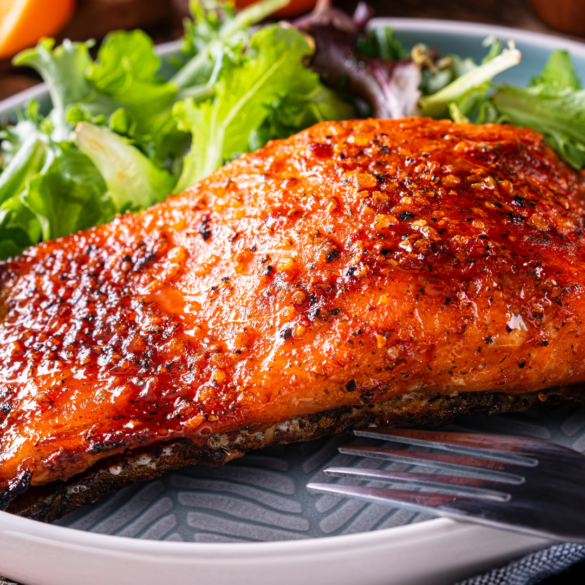
Ingredients
For the Salmon
- 2 salmon fillets
- Salt and freshly ground black pepper (to taste)
- Olive oil or vegetable oil (1-2 tbsp for pan-searing)
For the Aromatics and Flavor
- 2 tbsp unsalted butter
- 2 cloves garlic (crushed or minced)
- Fresh thyme leaves (or use rosemary — about 2-3 sprigs)
- Lemon slices or lemon juice (for finishing and garnish)
Optional Garnishes
- Chopped parsley or dill (for serving)
- Lemon zest (for additional brightness)
Instructions
- Dry the Fillets: Use paper towels to pat the salmon fillets completely dry. This step is essential for achieving a golden, crispy skin.
- Season Generously: Liberally sprinkle both sides of the salmon fillets with salt and freshly ground black pepper. Ramsay’s recipes emphasize seasoning to bring out the best in the fish.
- Place a large non-stick skillet or heavy-bottomed pan over medium-high heat.
- Add olive oil and heat until shimmering but not smoking. A properly heated pan prevents the salmon from sticking and ensures a gorgeous sear.
- Start Skin-Side Down: Place the salmon into the pan skin-side down. Lay it away from you to avoid splattering.
- Press Down: Use a spatula to press the fillets for the first 30 seconds gently. This prevents the skin from curling up and ensures an even sear.
- Cook for 4-5 minutes skin-side down, until the skin becomes crispy and golden. The fish will cook mostly on this side.
- Carefully flip the salmon fillets and cook on the flesh side for 2-3 minutes.
- Add butter to the pan, along with the crushed garlic and thyme (or rosemary). As the butter melts, use a spoon to baste the fillets by drizzling the butter and herbs over them. This adds rich flavor and moisture.
- Salmon is done when the flesh easily flakes with a fork and reaches an internal temperature of:
- 125°F (52°C) for medium-rare.
- 135°F (57°C) for well-done, but avoid overcooking to retain juiciness.
- Remove the salmon from the pan and let it rest for 1-2 minutes.
- Squeeze fresh lemon juice over the fillets or garnish with lemon slices for brightness
Discover more from Gordon Ramsay Dish
Subscribe to get the latest posts sent to your email.