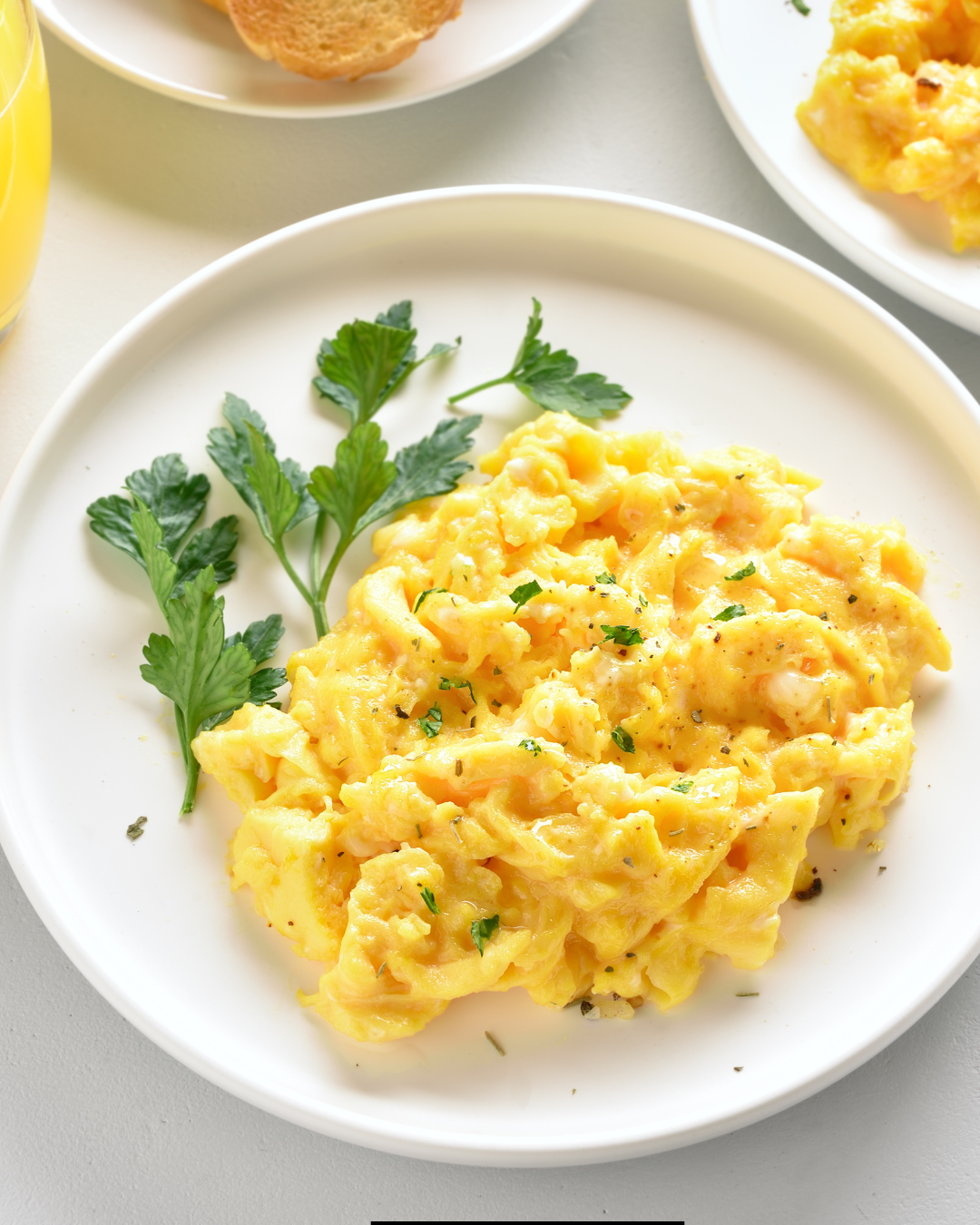
This isn’t the dry, rubbery scramble most of us grew up with. Gordon Ramsay Scrambled Eggs is rich, velvety, and almost luxurious, the kind of breakfast that makes a plain piece of toast feel like something from a hotel brunch. The magic isn’t in any complicated technique; it’s in small details that you and I can easily copy at home: starting in a cold pan, taking the eggs on and off the heat, seasoning at the right moment, and finishing with a cool, creamy touch.
Table of Contents
How to make Gordon Ramsay Scrambled Eggs
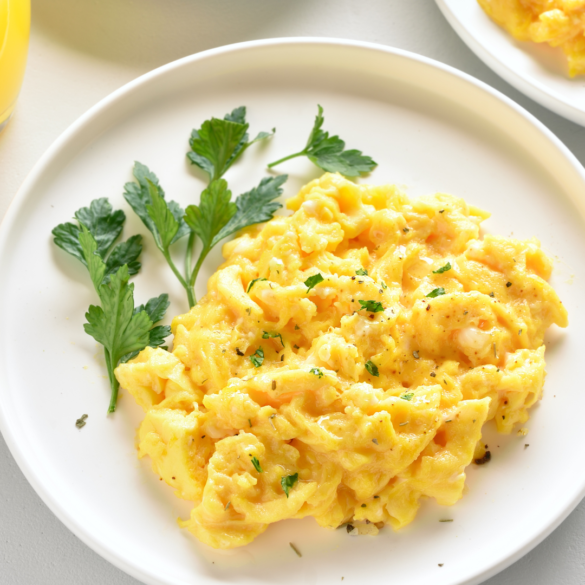
Gordon Ramsay scrambled eggs are a creamy, soft-style egg dish famous for their rich texture and slow cooking method. Unlike traditional scrambled eggs that are cooked quickly until firm, Ramsay’s version is gently stirred over medium heat to create silky, custard-like eggs.
Ingredients
- 6 large eggs
- 2–3 tablespoons unsalted butter
- 2–3 tablespoons crème fraîche
Substitutes (if you don’t have crème fraîche):
- Sour cream
- Thick Greek yogurt
- A splash of heavy cream (though it won’t cool as effectively)
- Salt, to taste
- Freshly ground black pepper, to taste
Optional garnishes
- Finely chopped chives (classic Gordon Ramsay style)
- Parsley, dill, or other mild herbs
To serve (optional but recommended)
- 2–4 slices of sourdough, brioche, or any crusty bread
- A little butter or olive oil for the toast
Equipment
- Small non-stick saucepan or deep non-stick skillet
- Silicone or rubber spatula (for gentle, continuous stirring)
- Small bowl (optional, for cracking eggs to avoid shells)
Instructions
1. Prepare the eggs and the pan
- Crack 6 eggs into a bowl to check for shells (or directly into the pan if you’re confident).
- Transfer eggs into a cold non-stick pan if they’re in a bowl.
- Add 2–3 tbsp of butter to the pan with the eggs.
- Do not whisk the eggs yet.
- Why: Ramsay doesn’t pre-beat the eggs. Mixing happens as they cook, which helps create a creamy texture instead of fluffy, airy eggs.
2. Start from cold and gently heat
- Place the pan with the cold eggs and butter onto the stove.
- Turn the heat to medium (or medium-low if your stove runs hot).
- As the butter begins to melt, start stirring.
3. Stir constantly
- Using a silicone spatula, stir continuously from the moment the heat goes on:
- Scrape the bottom and sides of the pan.
- Keep the eggs moving so no part sits and sets too long.
- You’re looking to create small, soft curds in a thick, creamy base.
- What you’ll see: The mixture will move from raw and runny → thickening → forming glossy, soft curds.
4. Use the “on and off the heat” method
- This is the signature technique.
- When the eggs start to thicken and you see curds forming, lift the pan off the heat.
- Continue stirring while it’s off the heat for about 20–30 seconds.
- The residual heat keeps cooking the eggs gently.
- Put the pan back on the heat and keep stirring.
- Repeat this on/off cycle 2–4 times:
- On the heat: 20–30 seconds
- Off the heat: 20–30 seconds
- Why:
- Continuous heat can overcook eggs in seconds.
- This technique lets you slow things down and control the texture.
5. Stop cooking slightly early
- When the eggs look just a bit looser than you actually want, remove the pan from the heat completely.
- The eggs should be:
- Soft and creamy
- Shiny and slightly flowing
- Not dry, not runny like raw egg
- Important: Eggs keep cooking from the residual heat in the pan. If they look “perfect” while still on the heat, they’ll end up overcooked on the plate.
6. Add crème fraîche
- Off the heat, immediately add 2–3 tablespoons of crème fraîche.
- Stir gently until it’s fully incorporated.
- Why:
- It cools the eggs just enough to stop further cooking.
- It adds a rich, slightly tangy creaminess and enhances the silky texture.
7. Season at the very end
- Now add salt and freshly ground black pepper to taste.
- Fold the seasoning in gently with the spatula.
- Why not earlier?
- Adding salt too early can draw moisture out of the eggs and make them watery.
- Ramsay seasons at the end to protect the texture.
8. Serve immediately
- Spoon the scrambled eggs onto warm toast or a plate.
- Sprinkle with chopped chives or other herbs if using.
- Serve right away while they’re still hot and soft.
What to serve with
Serving Gordon Ramsay’s scrambled eggs is all about complementing their rich, creamy texture and buttery flavor with simple, high-quality components.
Classic Choices:
- Sourdough toast: Choose thick slices toasted until golden brown. Its tangy flavor complements the richness of the eggs.
- Brioche or croissant: These buttery, slightly sweet bread options pair beautifully with Ramsay-style scrambled eggs’ creamy profile.
- English muffin: Toasted English muffins provide a slightly crisp texture and neutral flavor that works well with savory eggs.
Elevated Options:
- Bagel slices (toasted): Pair a lightly buttered bagel with smoked salmon (see below) and Gordon Ramsay Scrambled Eggs for a gourmet touch.
- Artisan bread: Rustic, crusty bread with seeds or herbs adds texture and a subtle nuttiness.
Ingredients Substitutes
Making Gordon Ramsay scrambled eggs requires a few specific ingredients, but substitutions can help maintain a similar creamy, luxurious texture and flavor when you don’t have the exact items on hand.
1. Eggs
The foundation of the Gordon Ramsay Scrambled Eggs is fresh, high-quality eggs. However, there are specific situations where substitutes may be needed.
Substitutes:
- Pasteurized Liquid Egg Product: If fresh eggs are unavailable, you can use liquid whole eggs from a carton. Ensure they include both yolks and whites without additives.
- Egg Replacements for Allergies or Dietary Needs: Use a plant-based egg replacement made specifically for scrambled eggs (e.g., JUST Egg or Follow Your Heart VeganEgg).
2. Unsalted Butter
Butter is essential in Gordon Ramsay’s method. It adds richness, prevents sticking, and aids the creamy, glossy texture. If you don’t have unsalted butter, here are some alternatives.
Substitutes:
- Salted Butter: You can use salted butter, but reduce or skip adding salt at the end of cooking. Taste before seasoning.
- Ghee (Clarified Butter): Ghee works well due to its high-fat content and rich, buttery flavor, but use slightly less, as it’s more concentrated than standard butter.
- Olive Oil: Use high-quality extra virgin olive oil. While not as rich as butter, it adds a fruity note that complements the eggs.
- Coconut Oil: While not traditional, coconut oil is an option. However, keep in mind its sweeter, nuttier flavor may alter the dish’s taste. Choose refined coconut oil for a neutral flavor.
- Vegan Butter or Margarine (for plant-based diets): Many plant-based butters mimic the creamy feel of traditional butter, but check for unsalted options. Adjust seasoning after cooking.
3. Crème Fraîche
Crème fraîche is a signature addition in Gordon Ramsay’s recipe, offering tanginess and creaminess while cooling the eggs to halt overcooking. If you don’t have crème fraîche, try these substitutes.
Substitutes:
- Sour Cream: Use sour cream in equal amounts as you would crème fraîche.
- Thick Greek Yogurt: Greek yogurt works well for a lighter, tangy alternative. Choose plain, unsweetened varieties.
- Mascarpone Cheese: Mascarpone is a great option for adding creaminess with a rich, subtle sweetness. Use sparingly—its sweetness may affect the dish if overused.
- Heavy Cream or Double Cream: While not tangy, heavy cream stops the cooking and adds richness. Use about 1–2 tablespoons and stir in gently off the heat.
- Cream Cheese (Softened): Whisk softened cream cheese into the eggs off the heat. This delivers a creamy texture, though the flavor will be slightly heavier and richer.
- Plant-Based Yogurt or Sour Cream (for vegan diets): Choose unsweetened, dairy-free alternatives made from cashew, almond, or coconut. These are excellent if you want to mimic the tang and creaminess of crème fraîche.
4. Salt
Gordon Ramsay advises adding salt after cooking to preserve the texture and prevent drawing out moisture. If you need substitutes for table salt, here are some options:
Substitutes:
- Kosher Salt: A standard substitute. Use slightly more since it’s less dense than table salt.
- Sea Salt Flakes: Adds a delicate crunch and clean flavor. Sprinkle after plating for texture and a subtle saline boost.
- Herb Salt or Infused Salts: Use sparingly. These can add a unique, subtle flavor to your scrambled eggs.
Final Thoughts
By pairing Gordon Ramsay scrambled eggs with high-quality, thoughtfully chosen sides, you’ll have a breakfast that feels indulgent and restaurant-worthy.
More Recipes:
Ingredients
- 6 large eggs
- 2–3 tablespoons unsalted butter
- 2–3 tablespoons crème fraîche
Substitutes (if you don’t have crème fraîche):
- Sour cream
- Thick Greek yogurt
- A splash of heavy cream
- Salt, to taste
- Freshly ground black pepper, to taste
Optional garnishes
- Finely chopped chives
- Parsley, dill, or other mild herbs
To serve (optional but recommended)
- 2–4 slices of sourdough, brioche, or any crusty bread
- A little butter or olive oil for the toast
Instructions
1. Prepare the eggs and the pan
- Crack 6 eggs into a bowl to check for shells (or directly into the pan if you’re confident).
- Transfer eggs into a cold non-stick pan if they’re in a bowl.
- Add 2–3 tbsp of butter to the pan with the eggs.
- Do not whisk the eggs yet.
- Why: Ramsay doesn’t pre-beat the eggs. Mixing happens as they cook, which helps create a creamy texture instead of fluffy, airy eggs.
2. Start from cold and gently heat
- Place the pan with the cold eggs and butter onto the stove.
- Turn the heat to medium (or medium-low if your stove runs hot).
- As the butter begins to melt, start stirring.
3. Stir constantly
- Using a silicone spatula, stir continuously from the moment the heat goes on:
- Scrape the bottom and sides of the pan.
- Keep the eggs moving so no part sits and sets too long.
- You’re looking to create small, soft curds in a thick, creamy base.
- What you’ll see: The mixture will move from raw and runny → thickening → forming glossy, soft curds.
4. Use the “on and off the heat” method
- This is the signature technique.
- When the eggs start to thicken and you see curds forming, lift the pan off the heat.
- Continue stirring while it’s off the heat for about 20–30 seconds.
- The residual heat keeps cooking the eggs gently.
- Put the pan back on the heat and keep stirring.
- Repeat this on/off cycle 2–4 times:
- On the heat: 20–30 seconds
- Off the heat: 20–30 seconds
- Why:
- Continuous heat can overcook eggs in seconds.
- This technique lets you slow things down and control the texture.
5. Stop cooking slightly early
- When the eggs look just a bit looser than you actually want, remove the pan from the heat completely.
- The eggs should be:
- Soft and creamy
- Shiny and slightly flowing
- Not dry, not runny like raw egg
- Important: Eggs keep cooking from the residual heat in the pan. If they look “perfect” while still on the heat, they’ll end up overcooked on the plate.
6. Add crème fraîche
- Off the heat, immediately add 2–3 tablespoons of crème fraîche.
- Stir gently until it’s fully incorporated.
- Why:
- It cools the eggs just enough to stop further cooking.
- It adds a rich, slightly tangy creaminess and enhances the silky texture.
7. Season at the very end
- Now add salt and freshly ground black pepper to taste.
- Fold the seasoning in gently with the spatula.
- Why not earlier?
- Adding salt too early can draw moisture out of the eggs and make them watery.
- Ramsay seasons at the end to protect the texture.
8. Serve immediately
- Spoon the scrambled eggs onto warm toast or a plate.
- Sprinkle with chopped chives or other herbs if using.
- Serve right away while they’re still hot and soft.
Discover more from Gordon Ramsay Dish
Subscribe to get the latest posts sent to your email.