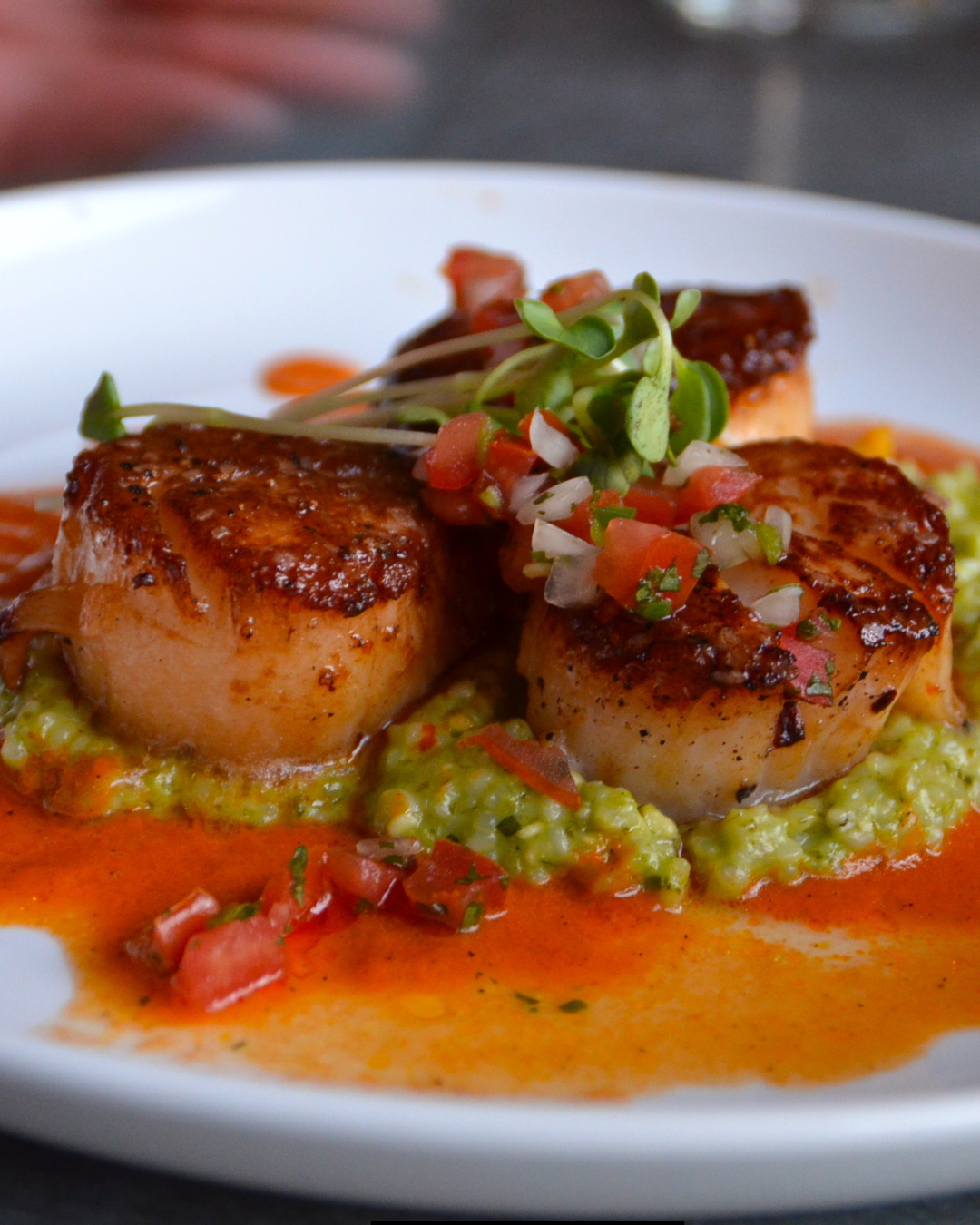
I remember the first time I watched Ramsay effortlessly sear scallops on one of his cooking shows—it felt like culinary alchemy. The golden crust, the tender interior, and the delicate balance of flavors left me inspired but also slightly intimidated. However, once I learned the secrets behind his technique, I realized that creating this Gordon Ramsay Scallop dish is far more approachable than I thought.
Table of Contents
How to make Gordon Ramsay Scallop
Gordon Ramsay scallops is his signature style of cooking pan-seared sea scallops with a deep golden crust and a tender, buttery center.
Ingredients
For the Scallops:
- Fresh Sea Scallops (large): 8–12 pieces (approx. 4 scallops per person)
- Unsalted Butter: 2–3 tablespoons
- Olive Oil: 2 tablespoons
- Salt: To taste
- Black Pepper: To taste
For a Cauliflower Purée (Optional but Recommended):
- Cauliflower: 1 medium-sized head (cut into florets)
- Heavy Cream: ½ cup
- Unsalted Butter: 1 tablespoon
- Salt: To taste
For Garnish and Flavor:
- Lemon Zest: ½ teaspoon
- Fresh Parsley or Microgreens: For garnish
- Balsamic Reduction or Apple Vinaigrette: Optional drizzle for acidity
- Crispy Bacon or Pancetta: Optional for extra texture
Instructions
Step 1: Preparing the Scallops
- Rinse and Pat Dry: Rinse the scallops under cold water and pat them dry thoroughly using a paper towel. Dry scallops are key to achieving a beautiful golden crust.
- Seasoning: Lightly season both sides of the scallops with salt and pepper. You want to enhance the natural sweetness, not overpower it.
Step 2: Making the Cauliflower Purée (Optional)
- In a medium saucepan, bring water to a boil and cook the cauliflower florets until tender (about 10–15 minutes).
- Drain the cauliflower and transfer it to a blender or food processor.
- Add heavy cream, butter, and salt. Blend until smooth and creamy. Taste and adjust seasoning if necessary.
- Keep warm until ready to plate.
Step 3: Searing the Scallops
- Preheat Your Pan: Use a heavy-bottomed skillet or non-stick pan to get even heat distribution. Add olive oil and butter over medium-high heat, allowing them to melt together until foaming slightly.
- Cooking: Place scallops gently into the hot pan, ensuring they’re spaced apart to avoid overcrowding (overcrowding leads to steaming instead of searing). You should hear a satisfying sizzle as they hit the pan.
- Timing Matters: Cook the scallops for 1½–2 minutes per side. Do not disturb or flip until the first side forms a golden crust.
- Once the scallops are golden brown, flip them and cook the other side for another 1–2 minutes. They should be firm with no translucent spots.
- Remove scallops from the pan and set aside.
Step 4: Plating
- On the plate, spoon a generous amount of the smooth cauliflower purée to act as the base.
- Arrange the seared scallops delicately on top of the purée.
- Drizzle with balsamic reduction, apple vinaigrette, or garnish with a hint of lemon zest, microgreens, and crispy bacon for added texture.
- Serve immediately while the scallops are warm and juicy.
Pro Tips for Perfect Scallops
- Dry Scallops Are Key: Ensure the scallops are dry before cooking for the best crust. Use a paper towel to remove all excess moisture.
- Don’t Overcook: Scallops only need 1½–2 minutes per side. Overcooking can make them rubbery.
- Pan Temperature: The pan must be hot enough to sear, but not so hot that the scallops burn. Medium-high heat is ideal.
- Fresh Ingredients Matter: Always opt for sea scallops over bay scallops for their size, sweetness, and ability to sear beautifully. Freshness is critical as scallops have a naturally delicate flavor.
- Experiment with Garnish: While Ramsay often keeps recipes minimal to highlight the scallops, you can play around with bacon, vinaigrettes, or herb oils for personal flair.
What to serve with
Gordon Ramsay scallops are already a stunning centerpiece, but pairing them with the right sides and accompaniments takes the dish to the next level. Since scallops have a rich, sweet flavor with a delicate, buttery texture, they pair wonderfully with sides that balance their richness with freshness, acidity, and texture.
1. Elegant Purees
Purees are a classic accompaniment to seared scallops because they provide a silky texture that allows the Gordon Ramsay Scallop to shine. Choose flavors that are mild but complementary.
Top Choices:
- Cauliflower Purée (the classic Ramsay pairing): Smooth, buttery, and neutral, cauliflower purée brings a luxurious creaminess without overpowering the scallops.
- Parsnip Purée: Slightly sweet and earthy, parsnips work beautifully with the natural sweetness of scallops.
- Pea Purée: If you want to add a pop of color and brightness, pea purée is a fantastic choice. The vibrant green pairs nicely with Gordon Ramsay Scallop and adds a hint of sweetness.
2. Lively Vegetables
Lightly sautéed or roasted vegetables help balance the richness of the scallops by bringing texture and freshness to the dish.
Top Choices:
- Asparagus: Grilled or roasted asparagus spears add a slightly nutty flavor and a crisp bite.
- Baby Carrots: Glaze them with honey or balsamic vinegar for a sweet touch, which complements the scallops’ flavor.
- Zucchini or Summer Squash: Tossed in olive oil and lightly charred, zucchini adds a mild, earthy element to the plate.
- Sauteed Spinach: A quick sauté with garlic and olive oil provides a tender and slightly tangy green to balance the dish.
Ingredients Substitutes
Gordon Ramsay’s scallop recipe is all about high-quality ingredients and simple yet effective techniques. However, it’s not always possible to source or use his exact recommended ingredients.
1. Scallops
The star of the dish is, of course, the scallops. However, if fresh sea scallops are unavailable or if you’re looking for alternatives, here are some options:
Substitutes:
- Prawns or Shrimp: Large prawns or shrimp work as a great seafood alternative thanks to their similar sweetness and ability to sear beautifully.
- Seafood Medallions: Monkfish medallions or lobster tail chunks provide a similar tender texture and mild flavor.
- Bay Scallops: A smaller variety of scallops, bay scallops, are sweeter and more delicate. You may need to adjust the searing time as they cook more quickly than large sea scallops.
- Firm White Fish: Fillets of cod, halibut, or haddock can be sliced into small portions and seared to replicate the look and mild flavor of scallops.
- Vegetarian Alternative: Thick slices of king oyster mushrooms work as a plant-based substitute. They have a similar texture to scallops when cooked and can be seared in a similar fashion.
2. Olive Oil
Olive oil is used for searing the scallops, but other cooking fats or oils can perform just as well.
Substitutes:
- Grapeseed Oil: A neutral oil with a high smoke point, perfect for searing scallops without overpowering their delicate flavor.
- Canola or Sunflower Oil: Neutral cooking oils that can handle high heat.
- Avocado Oil: A heart-healthy option with a mild flavor and a very high smoke point.
- Clarified Butter (Ghee): For a richer, buttery flavor in the sear, ghee provides the best of both worlds.
3. Unsalted Butter
Butter adds richness and helps achieve a beautiful golden crust on the scallops during cooking.
Substitutes:
- Ghee (Clarified Butter): Pure butterfat that won’t burn at higher temperatures.
- Coconut Oil: A dairy-free substitute for those following vegan or lactose-free diets. Use refined coconut oil for a neutral flavor.
- Margarine (Non-Dairy): Works as a dairy-free alternative, though it won’t add the same rich flavor as butter.
4. Cauliflower (for Purée)
Cauliflower purée is a classic side often served with scallops in Ramsay’s recipes. However, if you’re looking for alternatives, many other vegetables and starches can replicate this creamy base.
Substitutes:
- Potatoes: Use mashed potatoes or creamy potato purée for a hearty and comforting alternative.
- Parsnips: Create a slightly sweet purée similar to cauliflower in texture and flavor.
- Celeriac (Celery Root): This vegetable blends into a smooth purée with mild, nutty flavors.
- Butternut Squash: Offers a slightly sweet and vibrant orange-colored base for your scallops.
- Sweet Potatoes: A great option for those looking to introduce a sweeter, more nutrient-dense vegetable.
Final Thoughts
Gordon Ramsay scallop recipe is all about balance—keeping the flavors simple to let the scallops shine. The golden crust achieved through proper searing provides texture, while the creamy purée and optional garnishes add depth to the dish.
More Seafood Recipes:
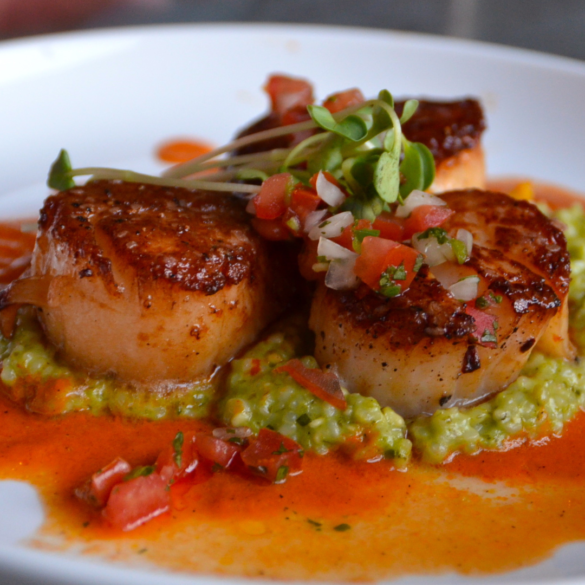
Ingredients
For the Scallops:
- Fresh Sea Scallops (large): 8–12 pieces
- Unsalted Butter: 2–3 tablespoons
- Olive Oil: 2 tablespoons
- Salt: To taste
- Black Pepper: To taste
For a Cauliflower Purée:
- Cauliflower: 1 medium-sized head
- Heavy Cream: ½ cup
- Unsalted Butter: 1 tablespoon
- Salt: To taste
For Garnish and Flavor:
- Lemon Zest: ½ teaspoon
- Fresh Parsley or Microgreens: For garnish
- Balsamic Reduction
- Crispy Bacon or Pancetta: Optional for extra texture
Instructions
Step 1: Preparing the Scallops
- Rinse and Pat Dry: Rinse the scallops under cold water and pat them dry thoroughly using a paper towel. Dry scallops are key to achieving a beautiful golden crust.
- Seasoning: Lightly season both sides of the scallops with salt and pepper. You want to enhance the natural sweetness, not overpower it.
Step 2: Making the Cauliflower Purée (Optional)
- In a medium saucepan, bring water to a boil and cook the cauliflower florets until tender (about 10–15 minutes).
- Drain the cauliflower and transfer it to a blender or food processor.
- Add heavy cream, butter, and salt. Blend until smooth and creamy. Taste and adjust seasoning if necessary.
- Keep warm until ready to plate.
Step 3: Searing the Scallops
- Preheat Your Pan: Use a heavy-bottomed skillet or non-stick pan to get even heat distribution. Add olive oil and butter over medium-high heat, allowing them to melt together until foaming slightly.
- Cooking: Place scallops gently into the hot pan, ensuring they’re spaced apart to avoid overcrowding (overcrowding leads to steaming instead of searing). You should hear a satisfying sizzle as they hit the pan.
- Timing Matters: Cook the scallops for 1½–2 minutes per side. Do not disturb or flip until the first side forms a golden crust.
- Once the scallops are golden brown, flip them and cook the other side for another 1–2 minutes. They should be firm with no translucent spots.
- Remove scallops from the pan and set aside.
Step 4: Plating
- On the plate, spoon a generous amount of the smooth cauliflower purée to act as the base.
- Arrange the seared scallops delicately on top of the purée.
- Drizzle with balsamic reduction, apple vinaigrette, or garnish with a hint of lemon zest, microgreens, and crispy bacon for added texture.
- Serve immediately while the scallops are warm and juicy.
Discover more from Gordon Ramsay Dish
Subscribe to get the latest posts sent to your email.