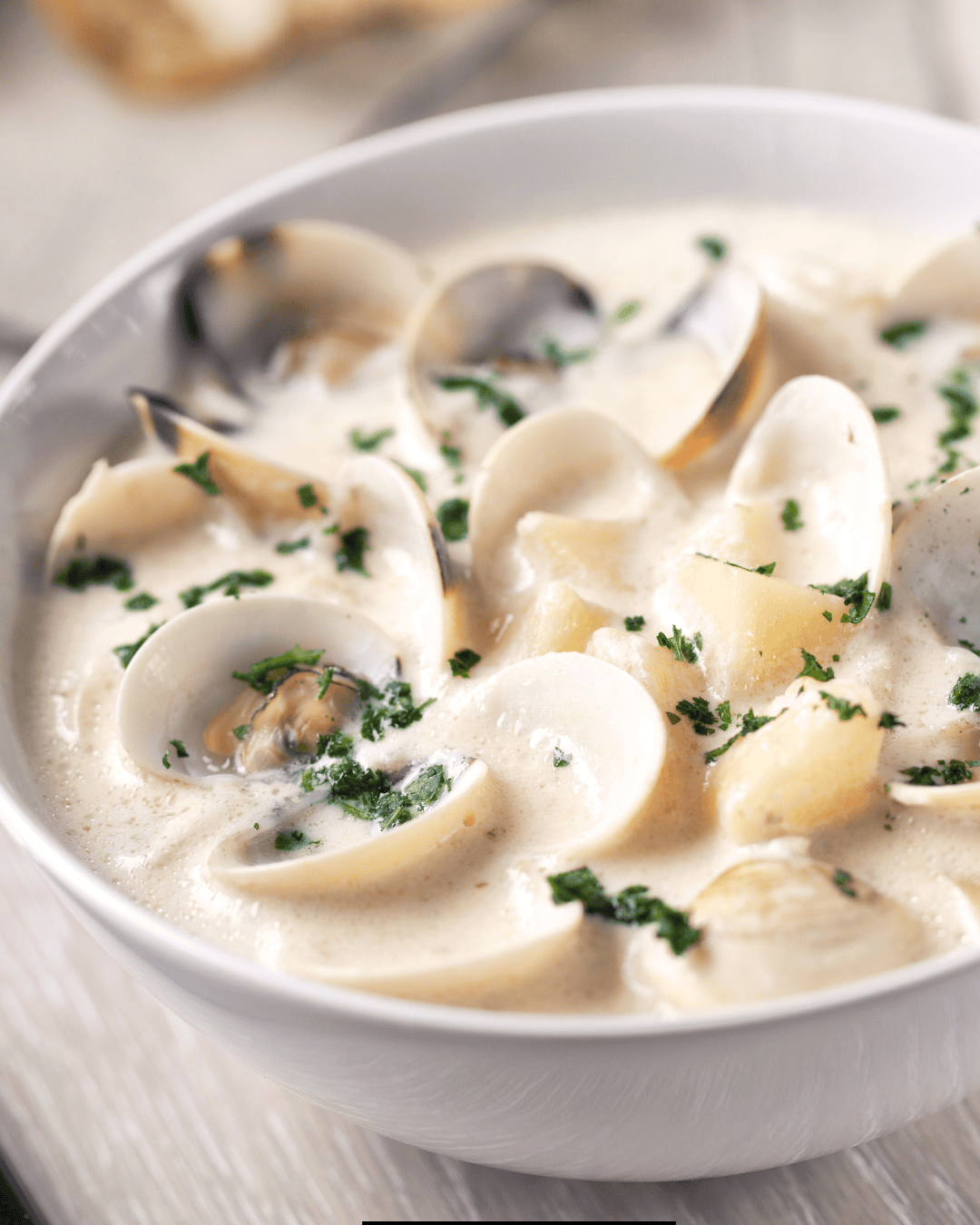
When I first set out to try this Gordon Ramsay Lobster Bisque recipe, I’ll admit—I was intimidated. Lobster bisque sounds like something you’d only ever order at a five-star restaurant, preferably while sipping a glass of wine by candlelight. But as I discovered, making this luxurious dish at home is not only possible but also incredibly rewarding. This recipe allows you to step into Ramsay’s kitchen (figuratively, of course) and bring restaurant-quality sophistication to your own dining table.
How to make Gordon Ramsay Lobster Bisque
Gordon Ramsay Lobster Bisque is a rich, creamy seafood soup inspired by classic French cuisine. It’s known for its deep lobster flavor, velvety texture, and restaurant-style presentation.
Ingredients
For the Lobster Stock:
- 2 medium-sized whole lobsters (about 1.5–2 pounds each)
- 2 tablespoons olive oil
- 1 onion, roughly chopped
- 2 carrots, roughly chopped
- 2 celery stalks, roughly chopped
- 2 garlic cloves, crushed
- 2 tablespoons tomato paste
- 1 cup dry white wine
- 2 cups fish stock or water
- 1 bay leaf
- 2–3 sprigs thyme
- 1 teaspoon paprika or cayenne pepper (optional, for a slight kick)
For the Bisque:
- 2 tablespoons butter
- 1/4 cup all-purpose flour
- 1/2 cup heavy cream
- 2 tablespoons cognac or brandy
- Salt and pepper, to taste
- Chopped chives or parsley, for garnishing
Instructions
Step 1: Cook the Lobster
- Bring a large pot of salted water to a boil. Add the whole lobsters and cook for 8–10 minutes, or until they turn bright red and are fully cooked.
- Remove the lobsters and allow them to cool slightly. Crack open the shells, remove the meat, and set it aside. Reserve the shells for the stock.
- Pro Tip: Chop the lobster meat into bite-sized pieces and refrigerate. This will be used later for garnishing the bisque.
Step 2: Prepare the Lobster Stock
- Heat the olive oil in a large, heavy-bottomed pot over medium heat. Add the lobster shells and cook for 5–7 minutes, stirring frequently. The shells should caramelize slightly and release their aroma.
- Add the onion, carrots, celery, and garlic to the pot. Cook for 5 minutes, stirring occasionally, until the vegetables soften.
- Stir in the tomato paste and cook for 2 more minutes to let it caramelize and deepen the flavor.
- Deglaze the pot with the white wine, scraping up the browned bits on the bottom. Let it simmer for a few minutes until the alcohol evaporates.
- Add the fish stock (or water), bay leaf, thyme, and paprika (if using). Simmer the stock uncovered for 30–40 minutes to extract the flavors.
- Strain the stock through a fine-mesh sieve or cheesecloth into a clean pot or bowl, pressing down on the solids to extract every bit of flavor. Discard the solids.
Step 3: Make the Bisque
- In a large saucepan or pot, melt the butter over medium heat. Stir in the flour to form a roux, cooking for 1–2 minutes to remove the raw flour taste.
- Gradually add the strained lobster stock, whisking constantly to prevent lumps. Bring the mixture to a gentle simmer and let it thicken slightly.
- Stir in the heavy cream and cognac (or brandy) for a silky, rich texture and flavor. Let the bisque simmer for another 5–10 minutes, stirring occasionally.
- Use an immersion blender to puree the bisque directly in the pot, or transfer it to a high-speed blender in batches. Ensure the soup is smooth and velvety.
- Taste and adjust seasoning with salt and pepper as needed.
Step 4: Serve and Garnish
- Reheat the reserved lobster meat by briefly warming it in a small pan with a splash of butter.
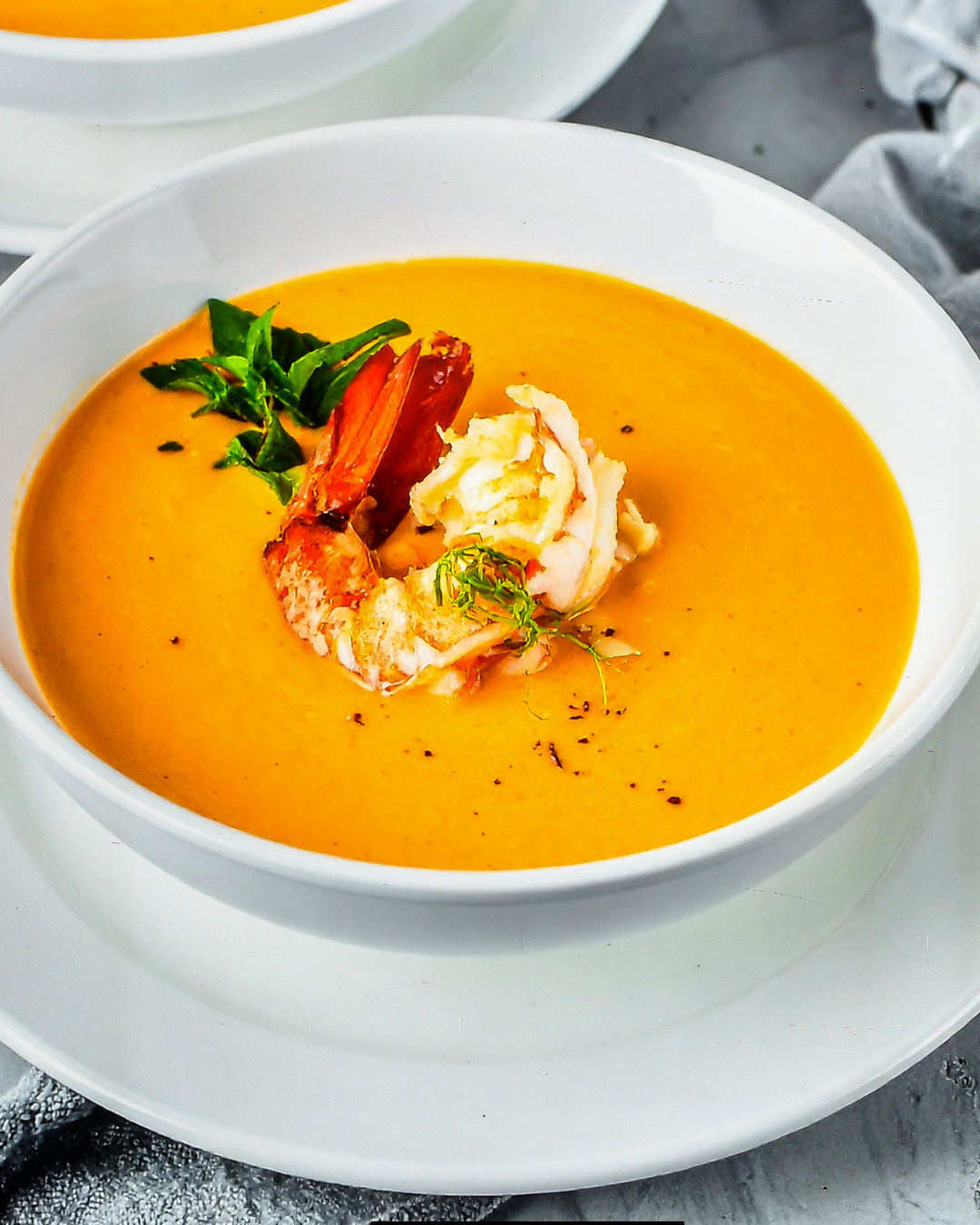
- Ladle the bisque into bowls and top each serving with a few pieces of lobster meat.
- Garnish with chopped chives, parsley, or a light drizzle of olive oil for added elegance.
- Serve hot, accompanied by crusty bread or a glass of wine for a truly indulgent experience.
Tips for Success
- Choosing Lobster: Use the freshest lobster you can find for the best flavor. Frozen lobster can work in a pinch, but nothing beats fresh seafood.
- Don’t Skip the Shells: The shells are the heart and soul of your lobster stock, so take the time to sauté and caramelize them properly.
- Cream Consistency: If the bisque is too thick, thin it out with a bit of extra fish stock or water. If it’s too thin, let it simmer slightly longer to reduce.
- Strain for Smoothness: Straining the soup ensures you get the creamy, homogenous texture that’s essential for a bisque.
- Add a Touch of Luxury: For an extra touch of decadence, drizzle a bit of truffle oil over the bisque before serving.
What to serve with
Gordon Ramsay lobster bisque is a luxurious dish that typically takes center stage on its own. With its rich, velvety texture and deep seafood flavor, it doesn’t need much to shine.
1. Freshly Baked Bread
A classic yet perfect accompaniment to Gordon Ramsay Lobster Bisque, bread serves as an ideal vessel for soaking up the soup’s creamy flavors.
Options to try:
- Crusty French baguette: Sliced into rounds and served warm with butter.
- Sourdough bread: Slight tanginess complements the buttery bisque.
- Garlic bread or crostini: Adds a flavorful, crispy element to each bite.
- Parmesan breadsticks: A lovely, crispy, cheesy addition.
2. Light Salads
To balance the richness of the bisque, a light, refreshing salad provides contrast with its crisp texture and tangy, citrusy notes.
Salad ideas:
- Arugula and fennel salad: Toss arugula, shaved fennel, and orange slices with a simple vinaigrette for a zesty pairing.
- Baby greens with citrus vinaigrette: A mix of greens like spinach and romaine, dressed with lemon or orange vinaigrette, complements the creamy bisque.
- Caprese salad: Slices of fresh mozzarella, tomatoes, and basil drizzled with balsamic glaze offer a vibrant contrast to the bisque.
Ingredients Substitutes
Gordon Ramsay Lobster Bisque is a luxurious dish with rich flavors and a creamy texture, but the ingredients can sometimes be a bit challenging to source or expensive.
1. Lobster
Purpose: Lobster is the star of the dish, providing the signature seafood flavor. Both the meat and shells are integral to the bisque.
Substitutes for Whole Lobster:
- Shrimp: Use large, fresh shrimp. The shrimp shells and heads can also be used to create a flavorful stock.
- Crab: Blue crab or Dungeness crab are solid alternatives, offering a rich and slightly sweeter flavor.
- Prawns: Similar to shrimp, prawns make a suitable substitute and work well for both the stock and garnishing.
- Langoustines: Sometimes referred to as “Norwegian lobster,” they’re slightly smaller but provide a similar flavor profile.
- Crawfish: These can add depth to the bisque, particularly for a Cajun-inspired twist.
2. Tomato Paste
Purpose: Adds depth, umami, and a touch of sweetness to the stock.
Substitutes:
- Tomato sauce: Use it in slightly larger quantities (1.5 to 2 times the amount of tomato paste) and reduce the liquid elsewhere.
- Canned tomatoes (crushed): Blend them into a smooth consistency before adding, though you may need to simmer the bisque slightly longer to thicken it.
- Ketchup: Use sparingly (only in a pinch), as it has added sweetness.
- Sun-dried tomatoes: Puree a few pieces to create a paste-like consistency.
3. Dry White Wine
Purpose: Adds brightness, acidity, and depth of flavor to balance the richness of the Gordon Ramsay Lobster Bisque.
Substitutes:
- Chicken or seafood stock: Offers a non-alcoholic option with a savory base.
- White grape juice: Mimics the sweetness and acidity of wine; balance it with a splash of white vinegar or lemon juice.
- Apple cider vinegar: Dilute it slightly to avoid overpowering the dish.
- Lemon juice: Use sparingly for acidity, though it won’t replicate the depth of wine.
- Non-alcoholic cooking wine: Available at most grocery stores and replicates the flavor minus the alcohol.
4. Heavy Cream
Purpose: The cream gives the bisque its velvety, rich texture.
Substitutes:
- Half-and-half: Lighter than heavy cream but still provides a creamy texture.
- Evaporated milk: A great option for lighter bisque, with a similar creaminess.
- Coconut cream: Adds a slightly sweeter, tropical twist, especially if pairing with spice (e.g., cayenne pepper).
- Cashew cream: Blend soaked cashews and water into a smooth paste—a great dairy-free alternative.
- Greek yogurt or sour cream: Mix them with a splash of milk to thin them out, but temper carefully to prevent curdling.
5. Fish Stock
Purpose: Provides the foundation of the seafood flavor.
Substitutes:
- Chicken stock or broth: A readily available option, though it won’t offer the same briny seafood taste.
- Vegetable stock: Lighter and more neutral, ideal for vegetarian adaptations (if omitting seafood altogether).
- Clam juice (bottled): An excellent replacement for fish stock with an authentic oceanic flavor.
- Seaweed broth (kombu dashi): Simmer dried seaweed in water to create a vegetarian-friendly liquid with mild marine flavors.
Final Thoughts
This Gordon Ramsay lobster bisque is a culinary delight. While it takes some effort, the result is a bowl of rich, creamy soup that’s perfect for impressing family, friends, or even just yourself.
More Gordon Ramsay Recipes:
Ingredients
For the Lobster Stock:
- 2 medium-sized whole lobsters (about 1.5–2 pounds each)
- 2 tablespoons olive oil
- 1 onion, roughly chopped
- 2 carrots, roughly chopped
- 2 celery stalks, roughly chopped
- 2 garlic cloves, crushed
- 2 tablespoons tomato paste
- 1 cup dry white wine
- 2 cups fish stock or water
- 1 bay leaf
- 2–3 sprigs thyme
- 1 teaspoon paprika or cayenne pepper
For the Bisque:
- 2 tablespoons butter
- 1/4 cup all-purpose flour
- 1/2 cup heavy cream
- 2 tablespoons cognac or brandy
- Salt and pepper, to taste
- Chopped chives or parsley, for garnishing
Instructions
Step 1: Cook the Lobster
- Bring a large pot of salted water to a boil. Add the whole lobsters and cook for 8–10 minutes, or until they turn bright red and are fully cooked.
- Remove the lobsters and allow them to cool slightly. Crack open the shells, remove the meat, and set it aside. Reserve the shells for the stock.
- Pro Tip: Chop the lobster meat into bite-sized pieces and refrigerate. This will be used later for garnishing the bisque.
Step 2: Prepare the Lobster Stock
- Heat the olive oil in a large, heavy-bottomed pot over medium heat. Add the lobster shells and cook for 5–7 minutes, stirring frequently. The shells should caramelize slightly and release their aroma.
- Add the onion, carrots, celery, and garlic to the pot. Cook for 5 minutes, stirring occasionally, until the vegetables soften.
- Stir in the tomato paste and cook for 2 more minutes to let it caramelize and deepen the flavor.
- Deglaze the pot with the white wine, scraping up the browned bits on the bottom. Let it simmer for a few minutes until the alcohol evaporates.
- Add the fish stock (or water), bay leaf, thyme, and paprika (if using). Simmer the stock uncovered for 30–40 minutes to extract the flavors.
- Strain the stock through a fine-mesh sieve or cheesecloth into a clean pot or bowl, pressing down on the solids to extract every bit of flavor. Discard the solids.
Step 3: Make the Bisque
- In a large saucepan or pot, melt the butter over medium heat. Stir in the flour to form a roux, cooking for 1–2 minutes to remove the raw flour taste.
- Gradually add the strained lobster stock, whisking constantly to prevent lumps. Bring the mixture to a gentle simmer and let it thicken slightly.
- Stir in the heavy cream and cognac (or brandy) for a silky, rich texture and flavor. Let the bisque simmer for another 5–10 minutes, stirring occasionally.
- Use an immersion blender to puree the bisque directly in the pot, or transfer it to a high-speed blender in batches. Ensure the soup is smooth and velvety.
- Taste and adjust seasoning with salt and pepper as needed.
Step 4: Serve and Garnish
- Reheat the reserved lobster meat by briefly warming it in a small pan with a splash of butter.
- Ladle the bisque into bowls and top each serving with a few pieces of lobster meat.
- Garnish with chopped chives, parsley, or a light drizzle of olive oil for added elegance.
- Serve hot, accompanied by crusty bread or a glass of wine for a truly indulgent experience.
Discover more from Gordon Ramsay Dish
Subscribe to get the latest posts sent to your email.