I remember the first time I decided to take on this dish in my own kitchen. I was both intimidated and excited—after all, Gordon Ramsay’s name comes with a high bar! But don’t worry, you don’t have to be a Michelin-star chef to pull this off. Thanks to Ramsay’s straightforward approach, this Gordon Ramsay Crab Risotto recipe is one you can absolutely master.
Known for his precise techniques and a passion for elevating simple ingredients, Ramsay’s Crab Risotto has become a signature favorite for food enthusiasts around the globe.
How to make Gordon Ramsay Crab Risotto
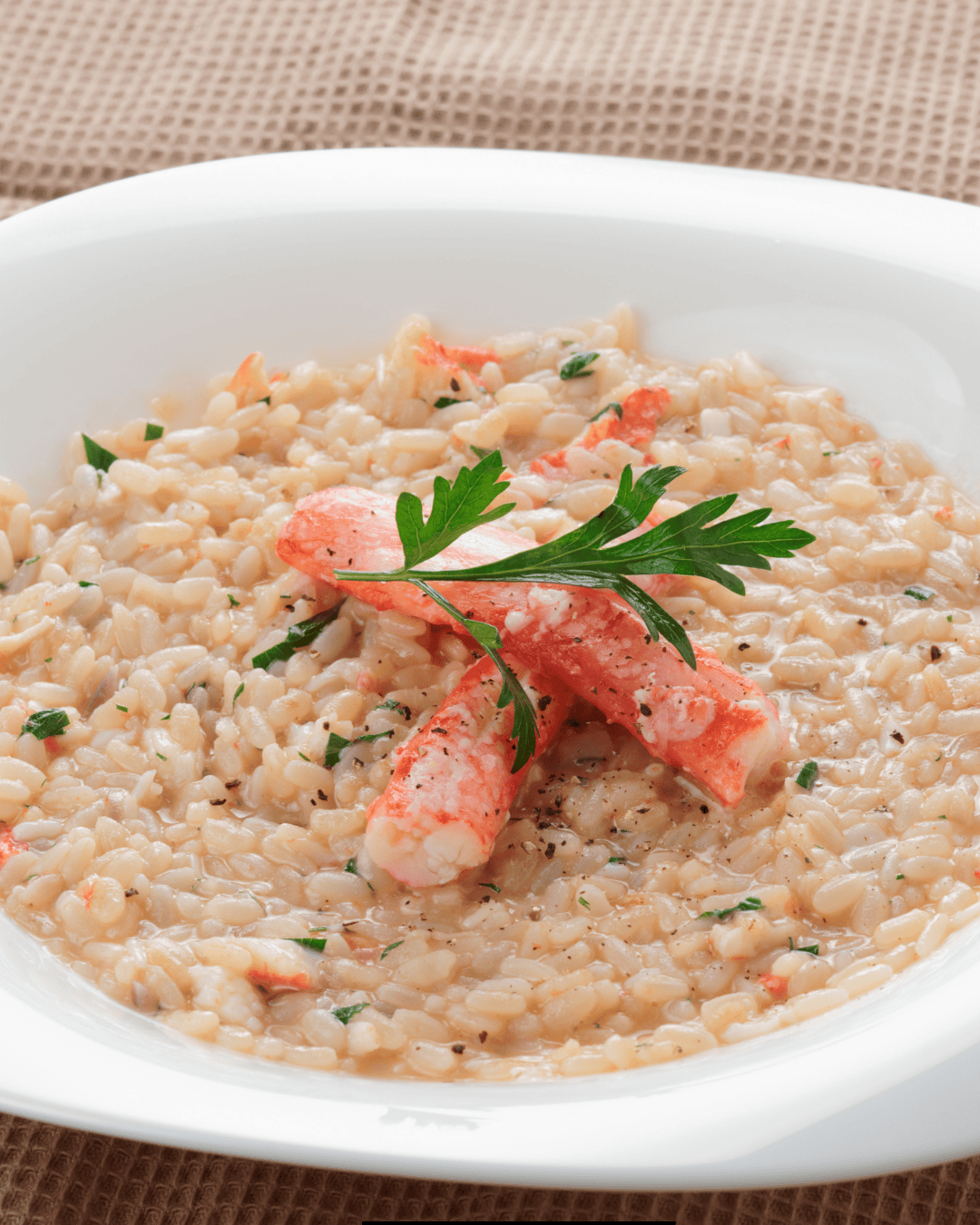
Gordon Ramsay Crab Risotto is a creamy Italian rice dish made with crab meat, risotto rice, seafood stock, white wine, and seasonings, usually finished with ingredients such as butter, lemon, and herbs.
Ingredients
Core Ingredients
- Arborio or Carnaroli rice – 1 cup
- Fish stock or seafood stock – 1 liter (4–5 cups), kept warm
- Fresh crab meat – 200–250g (white or brown meat, or a combination)
- Fresh crab meat is essential for the best flavour. Lump crab or freshly cooked crab ensures sweetness.
Aromatics and Flavor Builders
- Shallot or onion – 1, finely chopped
- Garlic – 1 clove, minced (optional)
- Dry white wine – 1/2 cup
- Lemon zest – 1 teaspoon, and juice of 1/2 a lemon
Finishing Ingredients
- Unsalted butter – 2 tablespoons
- Parmesan cheese – 1/2 cup, freshly grated
- Fresh parsley or chives – minced, for garnish
- Olive oil – 2 tablespoons
- Salt and freshly ground black pepper – to taste
Instructions
Step 1: Prepare the Stock
Heat your fish or seafood stock in a saucepan over medium-low heat. It’s crucial to keep the stock warm while making risotto—cold stock will interfere with the cooking process.
Step 2: Cook the Aromatics and Toast the Rice
- Heat 1 tablespoon of olive oil in a large, shallow skillet or pan over medium heat.
- When the oil is hot, add the finely chopped shallots (and garlic, if using). Sauté them lightly until softened, fragrant, and translucent, but not browned.
- Add the Arborio or Carnaroli rice to the pan. Stir the rice for about 2 minutes, making sure each grain is coated in the oil. Toasting the rice helps enhance its flavor.
Step 3: Deglaze the Pan with White Wine
Pour in the white wine and stir until it has mostly evaporated. The wine adds acidity and cuts through the richness of the dish.
Step 4: Gradually Cook the Risotto
- Begin adding the warm stock to the rice, one ladle at a time. Stir frequently to prevent sticking and ensure the rice absorbs the stock evenly.
- Allow the liquid to nearly evaporate before adding the next ladle of stock. Repeat this process for about 18–20 minutes, or until the rice is creamy and cooked al dente (tender with a slight bite).
Step 5: Stir in the Crab Meat
Once the rice has absorbed most of the liquid and is fully cooked, gently fold in the crab meat. Be careful not to break it up too much—you want chunks of crab throughout. Cook for 1–2 minutes to warm the crab.
Step 6: Add the Finishing Touches
- Stir in the butter, Parmesan cheese, and lemon zest. Mix until everything is well combined and the risotto has a luscious, creamy texture.
- Taste and adjust seasoning with salt, pepper, and a squeeze of lemon juice, if needed.
Step 7: Plate and Garnish
- Spoon the hot risotto into bowls or plates.
- Garnish with fresh parsley or chives, a drizzle of olive oil, and perhaps an extra sprinkling of Parmesan for presentation. Serve immediately!
Pro Tips for Perfect Gordon Ramsay Crab Risotto
- Whenever possible, use fresh crab meat and a good-quality fish or seafood stock. The flavor of the risotto largely depends on these key ingredients.
- Warm stock ensures the rice cooks evenly and doesn’t cool down partway through cooking. This small detail makes a big difference in texture.
- Stirring frequently helps release the starch from the rice, creating the creamy texture risotto is known for. However, avoid over-stirring to maintain the integrity of the rice grains.
- Add the crab meat at the very end so it stays tender and doesn’t lose its delicate sweetness.
- Risotto waits for no one! Serve it right away to enjoy it at the perfect temperature and consistency. If it sits too long, the rice will continue soaking up the liquid and become overly thick.
- While the classic recipe is simple and elegant, you can always add personal touches. Consider including some chili flakes for a bit of heat, fresh peas for a pop of color, or asparagus for a seasonal twist.
What to serve with
Gordon Ramsay Crab Risotto is a standout dish that can hold its own as a main course. It’s creamy, indulgent, and packed with the delicate, sweet flavors of fresh crab.
1. Fresh, Light Salads
A crisp, acidic salad is the perfect way to cut through the richness of the Gordon Ramsay Crab Risotto and refresh your palate. Choose simple, fresh greens dressed with light and zesty vinaigrettes—something that won’t overpower the star dish.
Salad Suggestions
- Arugula Salad with Lemon Dressing: Toss together some peppery arugula, cherry tomatoes, shaved Parmesan, and a zesty lemon vinaigrette. The peppery notes and citrus zing beautifully balance the creamy risotto.
- Cucumber and Dill Salad: Thinly slice cucumbers and dress them with fresh dill, lemon juice, olive oil, and a pinch of salt. This light and herby side is an excellent match for seafood.
- Fennel and Orange Salad: Thinly sliced fennel paired with orange segments, olive oil, and a touch of sea salt offers a bright, refreshing crunch that pairs wonderfully with rich crab dishes.
2. Vegetable Sides
Lightly cooked vegetables provide both color and texture without clashing with the creamy, fragrant risotto. Opt for fresh, seasonal veggies that are prepared.
Vegetable Suggestions
- Steamed Asparagus: Drizzle olive oil, sprinkle a little sea salt, and finish with a touch of lemon zest. The bright flavors work perfectly alongside Gordon Ramsay Crab Risotto.
- Sautéed Spinach or Swiss Chard: Quickly sauté fresh spinach with garlic and olive oil for a healthy, slightly earthy side that contrasts with the sweetness of the crab.
- Roasted Broccolini: Roast broccolini till crispy, and squeeze with lemon juice for a nutty, charred side with a hint of acidity.
Ingredients Substitutes
Gordon Ramsay Crab Risotto is a dish that highlights indulgent flavors and premium ingredients. However, you may sometimes find it challenging to access certain ingredients or need to adjust the recipe for dietary restrictions, availability, or personal preference.
1. Substituting Arborio or Carnaroli Rice
The first key ingredient in any risotto is a starchy short-grain rice, such as Arborio or Carnaroli, which gives risotto its signature creamy texture. However, if you can’t find these, there are alternatives you can try.
Substitute Options:
- Sushi Rice: This short-grain rice also has a high starch content and is the closest substitute for risotto rice. Be mindful of cooking times, as they may vary slightly.
- Pearl Barley: For a nutty and slightly chewy texture, barley makes a great risotto base. This is often referred to as “barlotto.”
- Couscous or Orzo Pasta: These can mimic the consistency of risotto but won’t have the same creaminess. If using couscous or orzo, you can enhance the creaminess by incorporating extra butter and Parmesan.
- Long-Grain Rice (Basmati or Jasmine): If short-grain rice isn’t available, you can use long-grain rice, but the texture will be less creamy. Add extra butter or cheese to help mimic the risotto consistency.
2. Substituting Fresh Crab Meat
The star of the Gordon Ramsay Crab Risotto is fresh crab meat, known for its tender, sweet flavor. If crab isn’t available in your area or you’re looking for a substitute, here are some ideas:
Substitute Options:
- Canned Crab Meat: While not as flavorful as fresh crab, canned crab is a convenient option. Look for good-quality, lump crab meat and drain it well before using.
- Imitation Crab (Surimi): This affordable alternative is made from fish paste and has a crab-like texture and flavor. It doesn’t compare to fresh crab but can work in a pinch.
- Shrimp: Chopped or shredded cooked shrimp is a fantastic substitute, offering a similar sweet ocean flavor and meaty texture.
- Lobster or Langoustine: If you want to preserve the upscale feel of the dish and have access to lobster, this is a luxurious alternative.
- Clams or Mussels: Shelled clams or mussels can add a briny seafood flavor, though they’re more tender and less sweet than crab.
- Vegetarian Option: For a plant-based substitute, use diced hearts of palm or artichoke hearts. They have a texture that’s somewhat reminiscent of crab meat.
3. Substituting Fish or Seafood Stock
Fish or seafood stock enhances the risotto’s flavor by adding an umami-rich base that complements the crab. If you can’t access seafood stock, try these substitutes:
Substitute Options:
- Chicken Stock: If seafood stock isn’t available, chicken stock is the next best option. While it doesn’t have the brininess of seafood stock, it still adds depth.
- Vegetable Stock: A flavorful vegetable stock works well, especially for vegetarian or vegan adjustments to the recipe.
- Make-Your-Own Stock: If you have access to shrimp shells or fish bones, you can simmer them with herbs, onions, and garlic for a quick homemade seafood stock.
- Water with Aromatics: For a lighter option, use water and season it with herbs like bay leaves, parsley, and thyme, as well as vegetables like onion and fennel. A splash of fish sauce or miso paste can add depth.
4. Substituting White Wine
Dry white wine adds acidity and brightness to the risotto, cutting through its richness. However, if you’re cooking for someone who doesn’t consume alcohol or you don’t have white wine on hand, here are some alternatives:
Substitute Options:
- White Grape Juice (Unsweetened): Dilute it with water to reduce the sweetness, and add a splash of lemon juice for acidity.
- Apple Cider Vinegar or White Wine Vinegar: Use sparingly (just 1–2 teaspoons), as they’re more acidic than wine. Mix with water if needed.
- Chicken or Vegetable Stock: While it won’t replicate the acidity of wine, a splash of flavorful stock can enhance the dish.
- Lemon Juice: For a non-alcoholic but acidic adjustment, use 1–2 teaspoons of fresh lemon juice.
- Sparkling Water with Lemon Zest: This unique option gives the risotto a light, bubbly twist that mimics wine’s brightness.
5. Substituting Parmesan Cheese
Parmesan cheese gives the risotto a rich, nutty, and umami-packed depth. If you’d like to make some dietary substitutions, check below.
Substitute Options:
- Pecorino Romano: Slightly saltier and tangier than Parmesan, this is one of the best substitutes for a creamy risotto. Use it sparingly to avoid overpowering the dish.
- Grana Padano: A milder cousin of Parmesan, it replicates the creamy texture beautifully.
- Nutritional Yeast (Vegan Option): For a dairy-free version, use 2–3 tablespoons of nutritional yeast. It will bring a cheesy flavor to the risotto without any dairy.
- Cashew Cream or Vegan Cheese: Blend raw cashews with water and nutritional yeast to create a creamy, vegan “cheese” to stir into the risotto.
Final Thoughts
While making risotto might sound intimidating, this Gordon Ramsay Crab Risotto is absolutely worth the effort. The combination of creamy rice, sweet crab, bright lemon zest, and a touch of Parmesan creates a balance that is both refined and satisfying.
More Seafood Recipes:
Ingredients
Core Ingredients
- Arborio or Carnaroli rice – 1 cup
- Fish stock or seafood stock – 1 liter (4–5 cups), kept warm
- Fresh crab meat – 200–250g
Aromatics and Flavor Builders
- Shallot or onion – 1, finely chopped
- Garlic – 1 clove, minced (optional)
- Dry white wine – 1/2 cup
- Lemon zest – 1 teaspoon, and juice of 1/2 a lemon
Finishing Ingredients
- Unsalted butter – 2 tablespoons
- Parmesan cheese – 1/2 cup, freshly grated
- Fresh parsley or chives – minced, for garnish
- Olive oil – 2 tablespoons
- Salt and freshly ground black pepper – to taste
Instructions
Step 1: Prepare the Stock
Heat your fish or seafood stock in a saucepan over medium-low heat. It’s crucial to keep the stock warm while making risotto—cold stock will interfere with the cooking process.
Step 2: Cook the Aromatics and Toast the Rice
- Heat 1 tablespoon of olive oil in a large, shallow skillet or pan over medium heat.
- When the oil is hot, add the finely chopped shallots (and garlic, if using). Sauté them lightly until softened, fragrant, and translucent, but not browned.
- Add the Arborio or Carnaroli rice to the pan. Stir the rice for about 2 minutes, making sure each grain is coated in the oil. Toasting the rice helps enhance its flavor.
Step 3: Deglaze the Pan with White Wine
Pour in the white wine and stir until it has mostly evaporated. The wine adds acidity and cuts through the richness of the dish.
Step 4: Gradually Cook the Risotto
- Begin adding the warm stock to the rice, one ladle at a time. Stir frequently to prevent sticking and ensure the rice absorbs the stock evenly.
- Allow the liquid to nearly evaporate before adding the next ladle of stock. Repeat this process for about 18–20 minutes, or until the rice is creamy and cooked al dente (tender with a slight bite).
Step 5: Stir in the Crab Meat
Once the rice has absorbed most of the liquid and is fully cooked, gently fold in the crab meat. Be careful not to break it up too much—you want chunks of crab throughout. Cook for 1–2 minutes to warm the crab.
Step 6: Add the Finishing Touches
- Stir in the butter, Parmesan cheese, and lemon zest. Mix until everything is well combined and the risotto has a luscious, creamy texture.
- Taste and adjust seasoning with salt, pepper, and a squeeze of lemon juice, if needed.
Step 7: Plate and Garnish
- Spoon the hot risotto into bowls or plates.
- Garnish with fresh parsley or chives, a drizzle of olive oil, and perhaps an extra sprinkling of Parmesan for presentation. Serve immediately!
Discover more from Gordon Ramsay Dish
Subscribe to get the latest posts sent to your email.