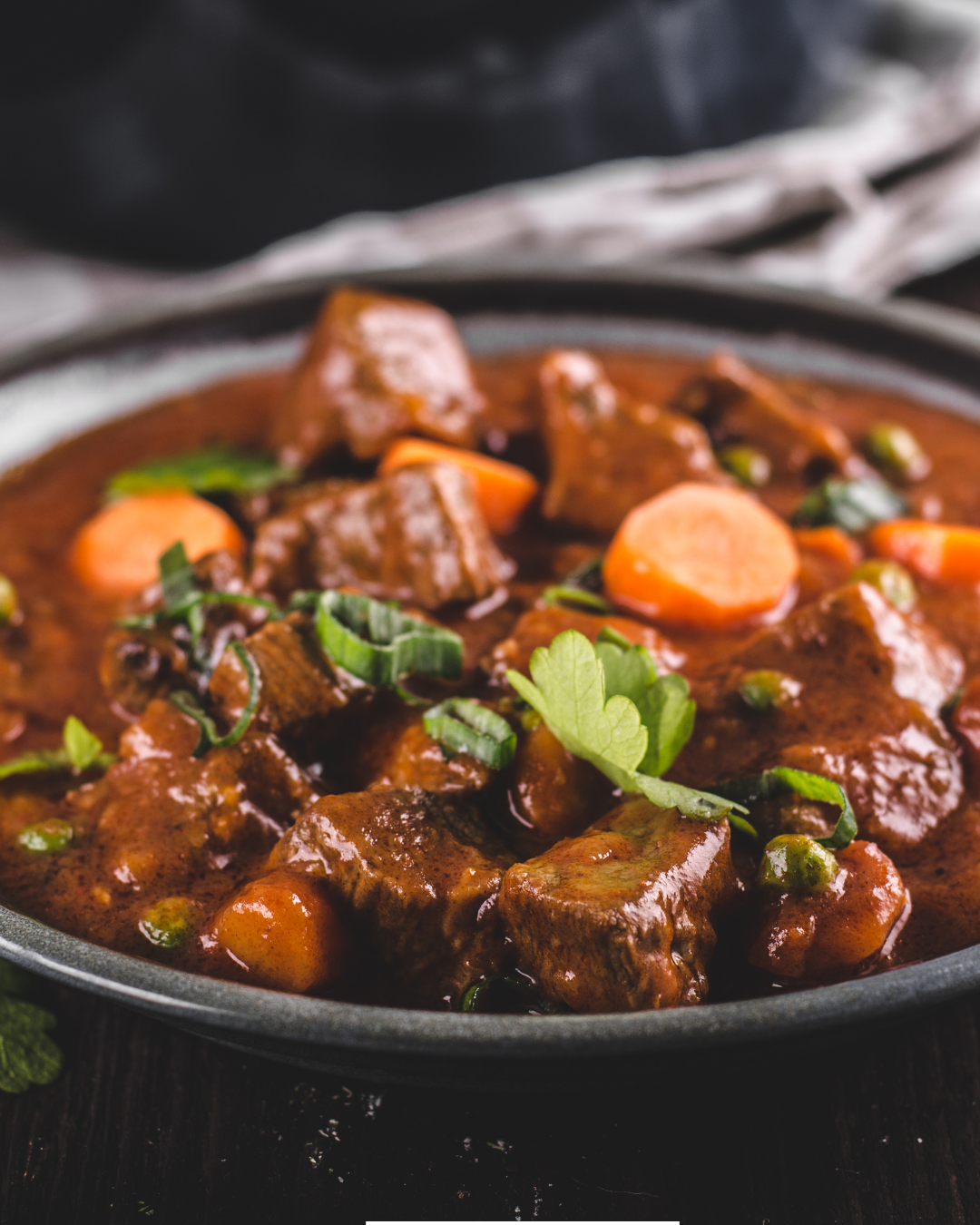
I love dishes that feel like a warm hug on a cold evening, Gordon Ramsay Beef and Ale Stew is about to become your new go-to comfort meal.
This traditional British classic is made to perfection by Ramsay’s signature approach—focusing on simple ingredients, thoughtful preparation, and layering flavors.
Table of Contents
How to make Gordon Ramsay Beef and Ale Stew
Gordon Ramsay Beef and Ale Stew is a classic British-style beef stew made with chunks of beef slowly braised in ale, along with onions and vegetables. The ale gives the gravy a deep, malty flavor, while long, gentle cooking makes the beef very tender.
Ingredients
Main Ingredients:
- 700g (1.5 lbs) beef stew meat (chuck or braising beef, cut into bite-sized chunks)
- 2 tbsp plain flour (for coating the beef and thickening the stew)
- 3-4 tbsp olive oil (for browning the beef and cooking the vegetables)
- 2 onions (finely chopped)
- 2-3 garlic cloves (minced)
- 2 medium carrots (peeled and cut into chunks)
- 2 celery sticks (chopped)
- 1 medium parsnip (peeled and diced)
- 2 medium potatoes (optional, peeled and diced if you want a starch component in the stew)
- 500ml (2 cups) good-quality dark ale (such as Guinness, Newcastle Brown Ale, or any English ale)
- 500ml (2 cups) beef stock (preferably homemade or low-sodium if store-bought)
Herbs & Seasoning:
- 2-3 sprigs fresh thyme (or 1 tsp dried thyme)
- 2-3 bay leaves
- 2 tsp Worcestershire sauce (for added depth)
- Salt and freshly ground black pepper (to taste)
For Garnish:
- Optional: Fresh parsley, chopped (for a vibrant finishing touch)
- Crusty bread or mashed potatoes (to serve)
Instructions
1. Prepare the Beef:
- Place the beef chunks in a mixing bowl. Season generously with salt and freshly ground black pepper.
- Add 2 tablespoons of plain flour to the bowl and toss the beef until evenly coated. This helps form a flavorful crust while browning and also thickens the stew.
2. Brown the Beef:
- Heat 2 tablespoons of olive oil in a heavy-bottomed pot or Dutch oven over medium-high heat. When the oil is hot, add the beef in batches (do not overcrowd the pan) and sear on all sides until nicely browned.
- Remove the beef from the pot and set it aside. This step locks in the juices and develops rich flavors for the dish.
3. Sauté the Vegetables:
- In the same pot, add a little more oil if needed, then add the chopped onions, carrots, celery, and parsnip. Sauté for about 5-7 minutes, stirring occasionally, until the vegetables soften and start to caramelize slightly.
- Add the minced garlic and cook for another minute until fragrant.
4. Deglaze the Pan:
- Increase the heat and pour in the ale, letting it simmer for 2-3 minutes. Use a wooden spoon to scrape up any flavorful browned bits stuck to the bottom of the pot—this is where the magic happens!
- Add the Worcestershire sauce and stir well.
5. Simmer the Stew:
- Lower the heat to medium and return the browned beef (and any juices it released) to the pot.
- Pour in the beef stock, ensuring the beef and vegetables are fully covered. Add the thyme sprigs and bay leaves.
- Bring the stew to a gentle simmer, then reduce the heat to low, cover the pot with a lid, and let it cook for 2-3 hours, stirring occasionally. The longer it cooks, the more tender and flavorful the stew becomes.
6. Adjust the Seasoning:
- About 15 minutes before serving, taste the stew and adjust the seasoning with salt, black pepper, or a splash more Worcestershire sauce, if desired.
7. Serving Suggestion:
- Remove the thyme sprigs and bay leaves before serving. Garnish with fresh parsley if you like.
- Serve hot over mashed potatoes, or with crusty bread to mop up the rich gravy.
Tips for Success
- Use cuts like chuck, brisket, or shin, which are ideal for slow cooking. These cuts have enough fat and connective tissue to break down during cooking, resulting in melt-in-your-mouth tenderness.
- Properly browning the meat develops the deep, caramelized flavors that form the foundation of the stew. Allow the beef to sear without moving it around too much in the pan.
- A dark, malty ale works best for this recipe. Avoid overly hoppy beers, as their bitterness can overpower the flavor of the stew. Guinness, Newcastle Brown Ale, or even a local porter are great options.
- Don’t rush the cooking process. Slow cooking on low heat ensures the beef becomes tender while the flavors meld beautifully.
- Feel free to customize the vegetables to your taste. Turnips, leeks, or pearl onions can add more variety to the stew.
- Like most stews, this dish only gets better with time! Make it a day in advance, then reheat gently to let the flavors deepen even further.
- If the gravy isn’t thick enough for your liking, mix 1 teaspoon flour or cornstarch with a few tablespoons water to make a slurry. Stir it into the stew and let it cook for 5-10 more minutes to thicken.
What to serve with Gordon Ramsay Beef and Ale Stew
Gordon Ramsay Beef and Ale Stew is rich, hearty, and full of bold flavors, making it the perfect comfort food.
- Rice or Barley: Fluffy white rice or nutty barley provides a neutral base to soak up the stew’s flavorful sauce. Barley, in particular, has a chewy texture that complements the heartiness of the Gordon Ramsay Beef and Ale Stew.
- Roasted Root Vegetables: Beef and ale stew pairs beautifully with roasted vegetables like parsnips, carrots, turnips, and sweet potatoes. The caramelized sweetness of the roasted veggies adds depth and complements the savory elements of the Gordon Ramsay Beef and Ale Stew.
Ingredients Substitutes
The right substitutions let you still enjoy the depth and richness of Gordon Ramsay Beef and Ale Stew.
1. Beef Substitutes
Beef is the star of this stew, but not everyone has access to the ideal cuts or may want to try alternative proteins. Here’s how you can substitute:
For Beef Cuts:
- Lamb (Shoulder or Neck Fillet): Lamb’s slightly gamey and rich flavor pairs beautifully with ale. It will result in a stew that is more rustic and robust.
- Pork (Shoulder or Pork Belly): Pork offers a sweeter and milder flavor compared to beef. Works wonderfully if paired with cider instead of ale.
- Chicken Thighs or Legs (Bone-In, Skin-On): For a lighter protein, use chicken thighs or legs. Use chicken stock and a light ale or white wine in place of the dark ale for a fresher taste.
- Venison (Shoulder or Stew Cuts): If you’re a fan of game meats, venison adds a new depth with its lean, hearty texture. Trim excess fat and cook it gently to avoid dryness.
- Vegetarian/Vegan Protein (Mushrooms or Plant-Based Meat): Use hearty mushrooms, such as portobello, cremini, or shiitake, to replicate the meaty texture. Alternatively, you can cook plant-based meat (like Beyond Meat or similar brands) similarly to beef.
2. Ale Substitutes
Ale is a key ingredient in beef and ale stew, providing richness, maltiness, and complexity. If ale isn’t available or desired, try one of these substitutes:
Alcohol-Based Options:
- Stout or Porter (e.g., Guinness): A darker and richer alternative to ale, stout adds almost chocolaty and coffee-like notes. Use the same quantity (500ml/2 cups).
- Red Wine: A robust red wine like Cabernet Sauvignon or Merlot can substitute for ale. It will shift the flavor toward something more like a French-inspired beef stew (Boeuf Bourguignon). Add a teaspoon of brown sugar to simulate the ale’s malty sweetness.
- Dry Cider: Especially good with pork or chicken, cider adds a slight tang and subtle sweetness. Pair with a lighter broth for softer flavors.
Non-Alcoholic Substitutes:
- Alcohol-Free Beer or Ale: Many brands offer zero-alcohol beers or ales that maintain the malty flavor without the alcohol. Use as you would regular ale.
- Beef Broth + Apple Juice: Mix ¾ beef broth with ¼ apple juice or unsweetened grape juice. The juices mimic the sweetness of ale, but keep them from getting too sweet by adding acidity with a squeeze of lemon or vinegar.
3. Flour or Thickener Substitutes
Flour is traditionally used to coat the beef before browning to help sear and thicken the stew’s gravy. If you’re out of flour or require a gluten-free option, there are excellent alternatives:
Gluten-Free Options:
- Cornstarch (Cornflour): Instead of flour, use cornstarch to thicken the sauce. Dissolve 1–2 tablespoons of cornstarch in cold water to make a slurry and stir it into the stew during the last 10–15 minutes of cooking.
- Arrowroot Powder: Similar to cornstarch, but it produces a slightly clearer gravy. Use the same method (slurry) as with cornstarch.
- Potato Starch: A great gluten-free alternative that thickens well. Use it as a slurry or to coat the meat before browning.
Other Substitutes:
- Roux (Butter + Flour): If you forgot to coat the beef, you can make a roux midway through cooking. Combine equal amounts of butter and flour in a pan, cook until light brown, then whisk into the simmering stew.
- Mashed Potatoes or Potato Flakes: For an easy thickener, stir in mashed potatoes or instant potato flakes to thicken the stew. They also add a creamy texture.
4. Vegetable Substitutes
If you’re missing some of the vegetables or want to add variety, here’s how to swap them creatively:
Onions:
- Shallots: Milder and sweeter, they work perfectly as a substitute for yellow onions.
- Leeks: Their delicate sweetness and soft texture enhance the dish. Slice and sauté thoroughly.
- Red Onions: Slightly sweeter and more colorful but equally delicious.
Carrots:
- Sweet Potatoes: Sweet, earthy, and hearty—add in chunks.
- Butternut Squash: Adds a creamy, slightly nutty sweetness as it breaks down.
Celery:
- Celeriac (Celery Root): Has a milder flavor and adds nice depth—Dice finely for even cooking.
- Fennel: Use sparingly, as it can add a hint of licorice flavor.
Potatoes:
- Turnips or Swedes (Rutabagas): Slightly peppery and earthy, turnips make a great substitute for regular potatoes.
- White Beans (like Cannellini): A protein-rich option that adds creaminess as they absorb stew flavors.
5. Worcestershire Sauce Substitute
Worcestershire sauce adds depth and umami to the stew. If you’re out of it:
- Soy Sauce + Vinegar: Combine 1 tablespoon soy sauce with 1 teaspoon vinegar (malt, red wine, or apple cider).
- Balsamic Vinegar: Adds sweetness and acidity. Use sparingly (1 teaspoon at a time).
- Fish Sauce: A pinch can mimic the savory umami kick of Worcestershire sauce.
Final Thoughts
Gordon Ramsay Beef and Ale Stew is a showstopper on its own, but the right accompaniments can turn your meal into a truly unforgettable experience.
More Beef Recipes:
Ingredients
Main Ingredients:
- 700g (1.5 lbs) beef stew meat
- 2 tbsp plain flour (for coating the beef and thickening the stew)
- 3-4 tbsp olive oil (for browning the beef and cooking the vegetables)
- 2 onions (finely chopped)
- 2-3 garlic cloves (minced)
- 2 medium carrots (peeled and cut into chunks)
- 2 celery sticks (chopped)
- 1 medium parsnip (peeled and diced)
- 2 medium potatoes
- 500ml (2 cups) good-quality dark ale
- 500ml (2 cups) beef stock
Herbs & Seasoning:
- 2-3 sprigs fresh thyme (or 1 tsp dried thyme)
- 2-3 bay leaves
- 2 tsp Worcestershire sauce (for added depth)
- Salt and freshly ground black pepper (to taste)
For Garnish:
- Optional: Fresh parsley, chopped (for a vibrant finishing touch)
- Crusty bread or mashed potatoes (to serve)
Instructions
1. Prepare the Beef:
- Place the beef chunks in a mixing bowl. Season generously with salt and freshly ground black pepper.
- Add 2 tablespoons of plain flour to the bowl and toss the beef until evenly coated. This helps form a flavorful crust while browning and also thickens the stew.
2. Brown the Beef:
- Heat 2 tablespoons of olive oil in a heavy-bottomed pot or Dutch oven over medium-high heat. When the oil is hot, add the beef in batches (do not overcrowd the pan) and sear on all sides until nicely browned.
- Remove the beef from the pot and set it aside. This step locks in the juices and develops rich flavors for the dish.
3. Sauté the Vegetables:
- In the same pot, add a little more oil if needed, then add the chopped onions, carrots, celery, and parsnip. Sauté for about 5-7 minutes, stirring occasionally, until the vegetables soften and start to caramelize slightly.
- Add the minced garlic and cook for another minute until fragrant.
4. Deglaze the Pan:
- Increase the heat and pour in the ale, letting it simmer for 2-3 minutes. Use a wooden spoon to scrape up any flavorful browned bits stuck to the bottom of the pot—this is where the magic happens!
- Add the Worcestershire sauce and stir well.
5. Simmer the Stew:
- Lower the heat to medium and return the browned beef (and any juices it released) to the pot.
- Pour in the beef stock, ensuring the beef and vegetables are fully covered. Add the thyme sprigs and bay leaves.
- Bring the stew to a gentle simmer, then reduce the heat to low, cover the pot with a lid, and let it cook for 2-3 hours, stirring occasionally. The longer it cooks, the more tender and flavorful the stew becomes.
6. Adjust the Seasoning:
- About 15 minutes before serving, taste the stew and adjust the seasoning with salt, black pepper, or a splash more Worcestershire sauce, if desired.
7. Serving Suggestion:
- Remove the thyme sprigs and bay leaves before serving. Garnish with fresh parsley if you like.
- Serve hot over mashed potatoes, or with crusty bread to mop up the rich gravy.
Discover more from Gordon Ramsay Dish
Subscribe to get the latest posts sent to your email.