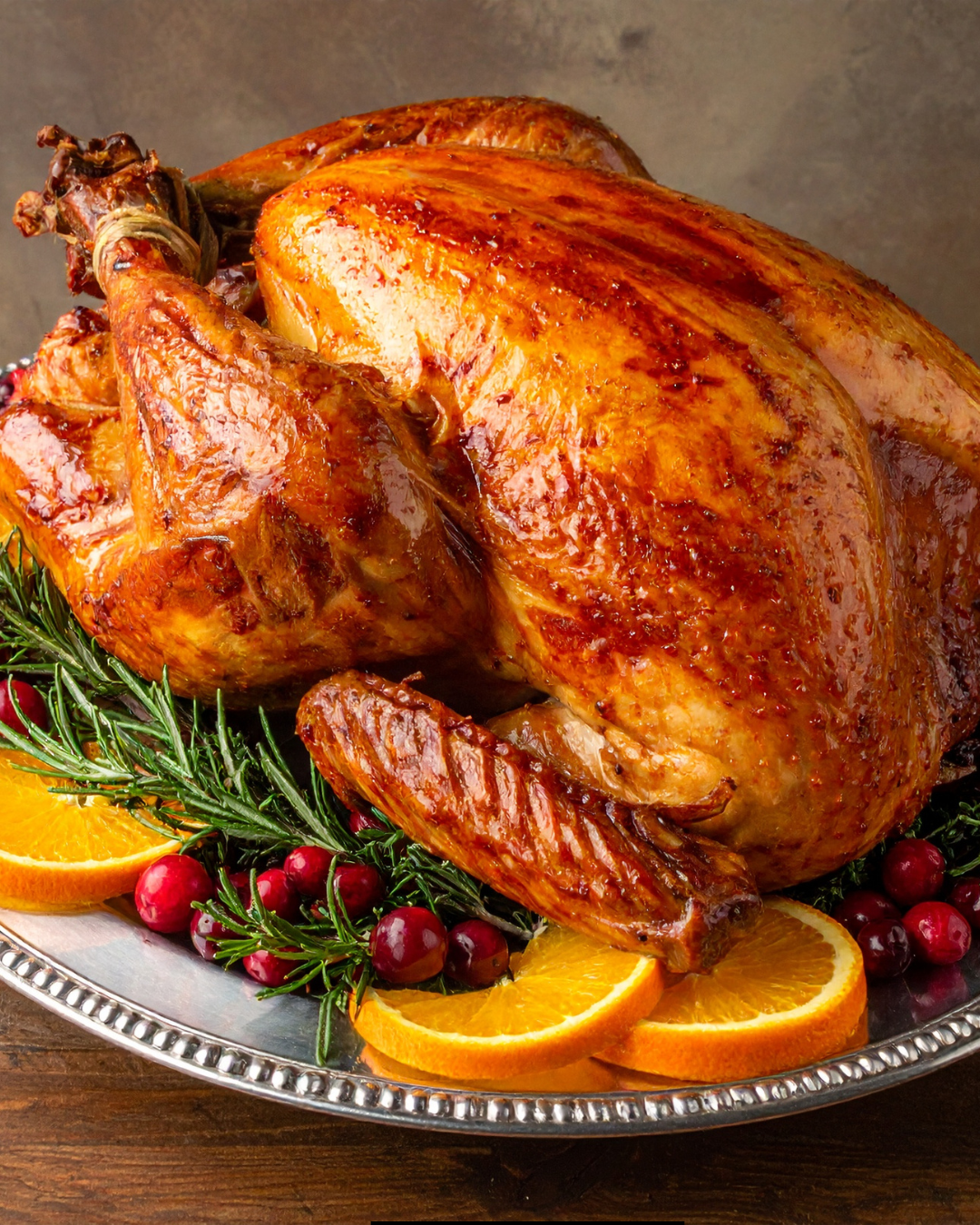
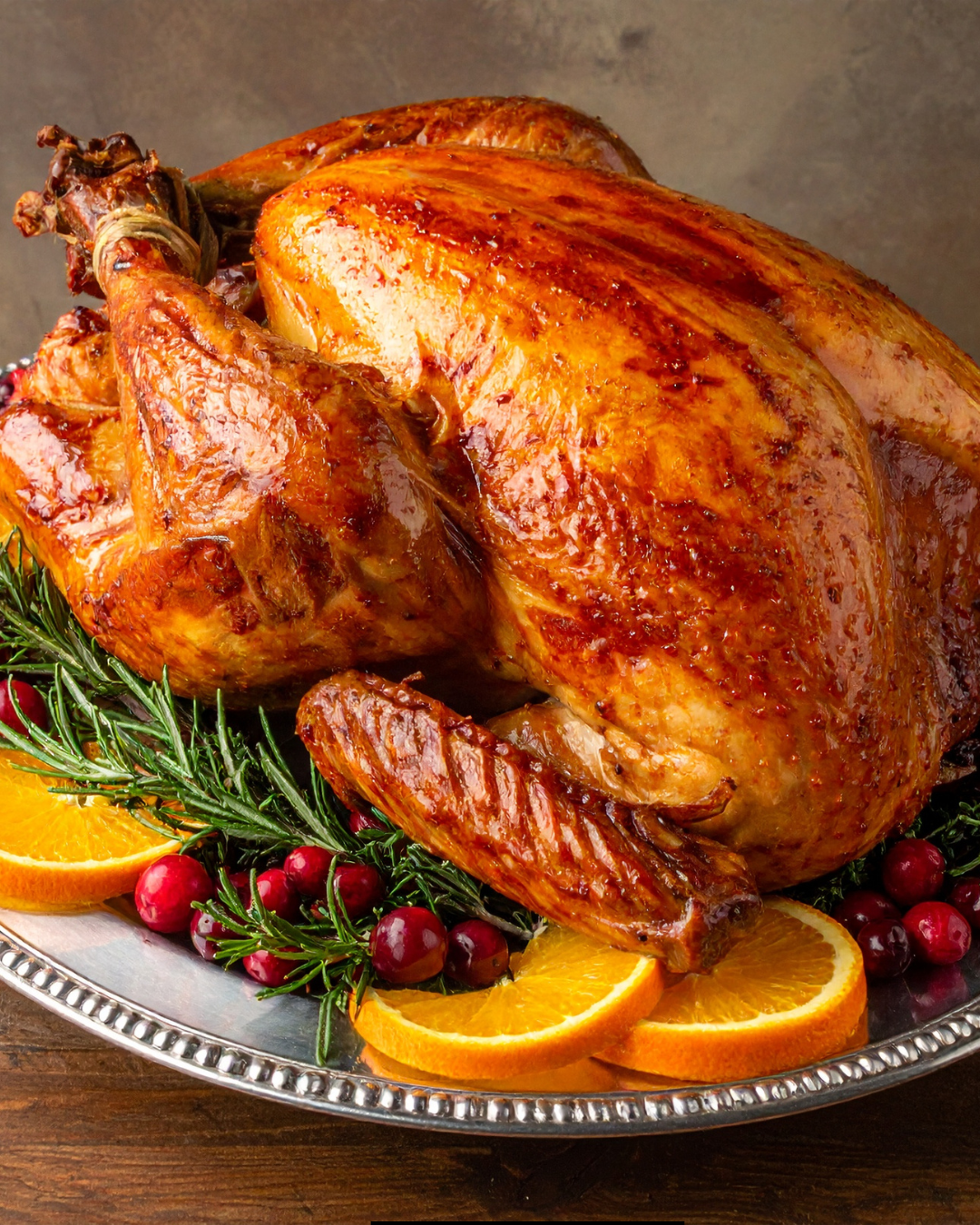
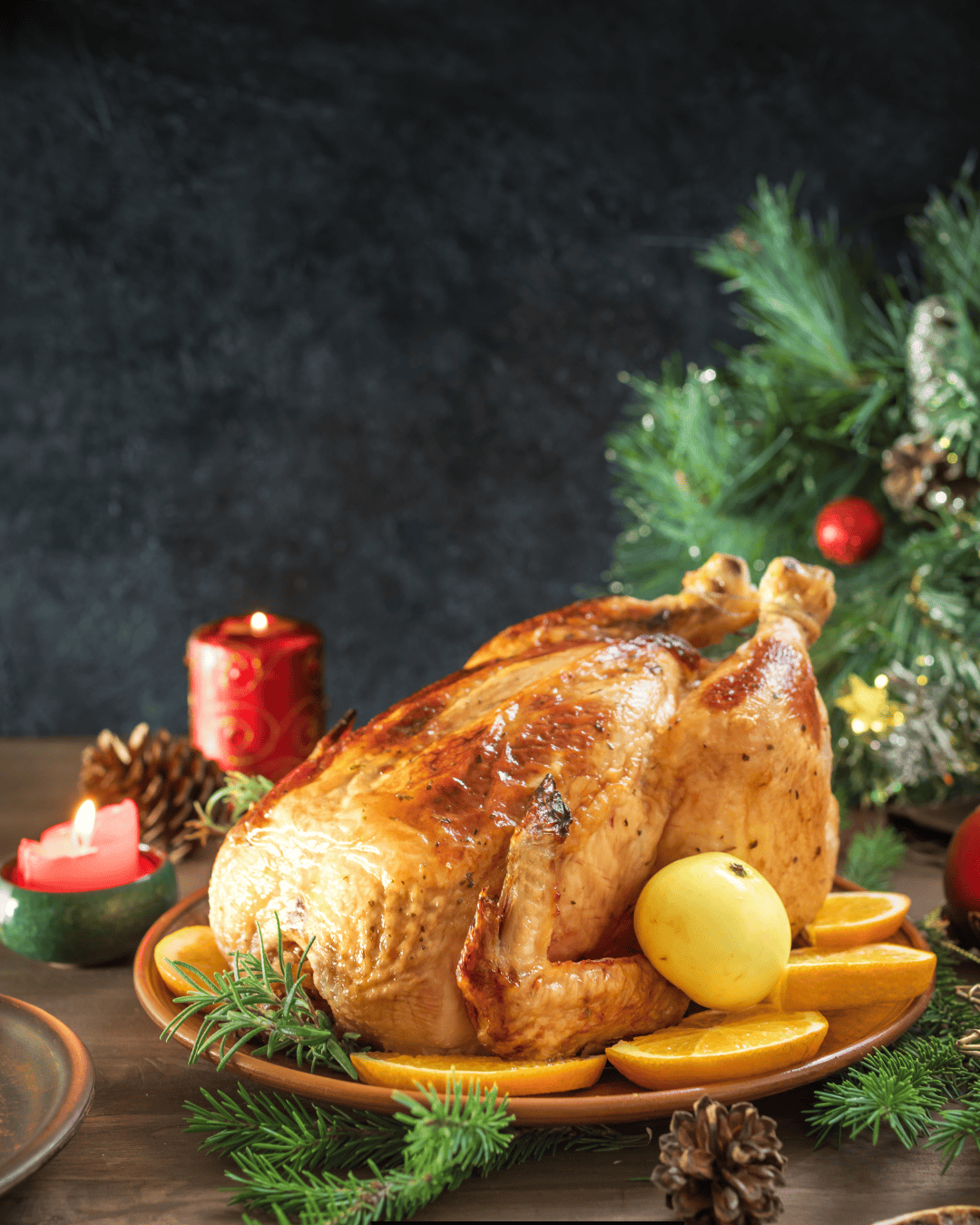
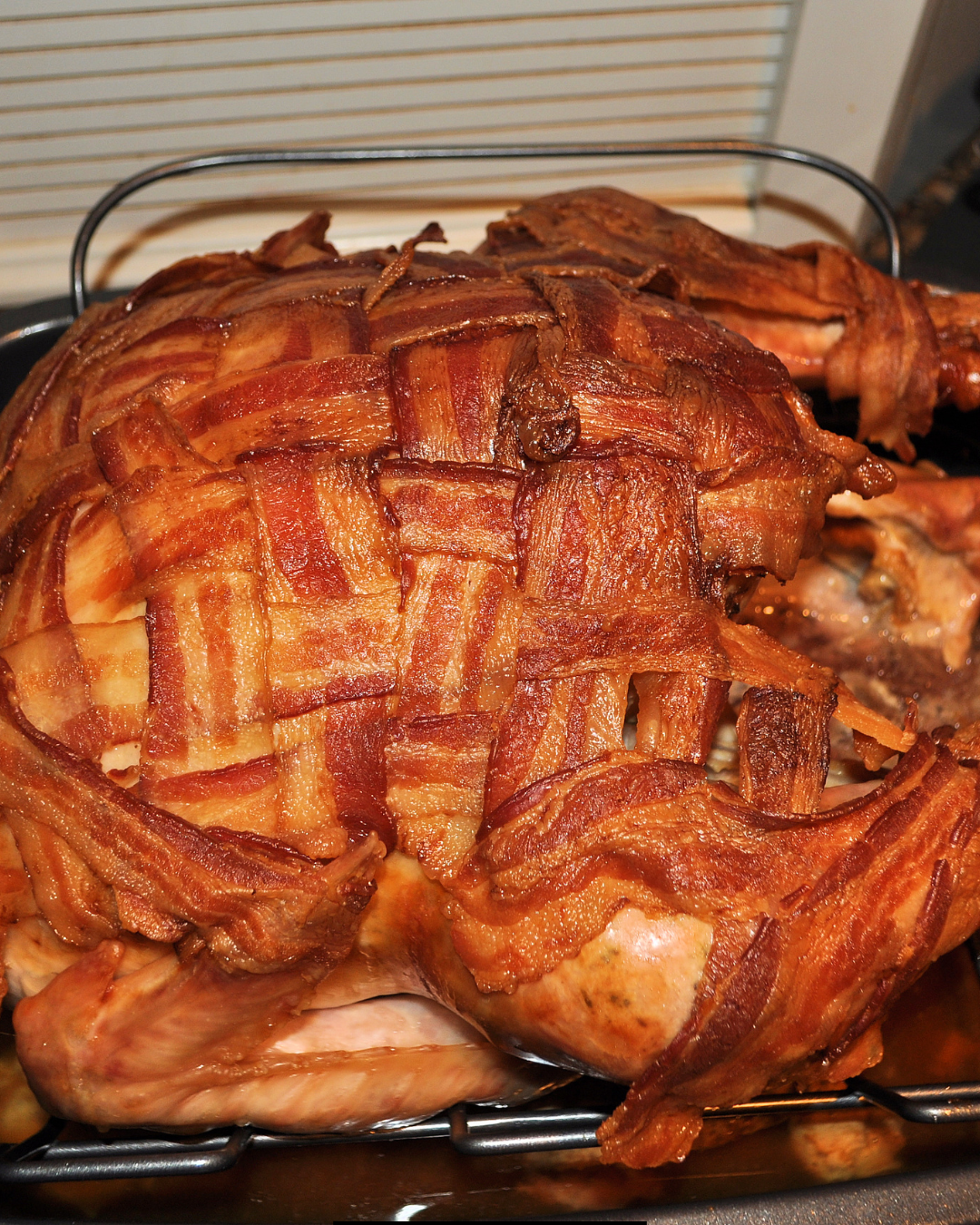
Let’s be honest, nobody wants a dry bird on the holiday table, and that’s why Gordon Ramsay Turkey Recipe with Bacon shines. By wrapping the turkey in streaky bacon and slathering it with herb-infused butter, every bite of this dish is packed with juicy, savory goodness.
When it comes to creating a show-stopping holiday centerpiece, there’s one name we can always trust—Gordon Ramsay. His turkey recipe with bacon has become a modern classic, combining bold flavors, flawless technique, and a touch of indulgence to produce a turkey that’s tender, mouthwatering, and absolutely unforgettable.
How to make Gordon Ramsay Turkey with Bacon
Gordon Ramsay Turkey with Bacon is a signature roast turkey style popularized by Gordon Ramsay where the turkey is kept extra juicy by using flavored herb butter under the skin and smoked streaky bacon laid across the breast while roasting.
Ingredients
For the Turkey:
- 1 whole turkey (4–6 kg / 8–12 lbs)
- 500 g (1 lb) streaky bacon or pancetta (thinly sliced)
- Salt and freshly ground black pepper
For the Herb Butter:
- 200 g (7 oz) unsalted butter, softened
- Zest of 2 lemons
- 4 garlic cloves, minced
- A handful of fresh parsley, finely chopped
- 1–2 tbsp olive oil
- Optional: A few sprigs of fresh thyme, leaves chopped
- Optional: A few sprigs of fresh rosemary, leaves chopped
For Additional Flavor (Optional):
- 1 lemon, halved (to stuff inside the turkey)
- A handful of fresh thyme sprigs, rosemary, or bay leaves (to stuff inside the cavity)
For the Gravy (Optional):
- Turkey drippings (from the roasting pan)
- 1 cup white wine or chicken stock
- 1 tbsp flour or cornstarch (to thicken)
Instructions
Step 1: Prepare the Herb Butter
- In a medium-sized bowl, combine the softened butter, lemon zest, minced garlic, and chopped parsley.
- Add a drizzle of olive oil for a smooth, spreadable texture.
- If desired, mix in additional chopped thyme and rosemary for a more aromatic flavor profile. Set the herb butter aside.
Step 2: Prepare the Turkey
- Preheat the oven: Set your oven to 220°C (425°F).
- Clean and dry the turkey: Remove any giblets from the cavity, rinse the turkey under cold water, and pat it dry with paper towels.
- Season the cavity: Generously season the inside of the turkey cavity with salt and black pepper. If desired, stuff it with lemon halves, fresh thyme sprigs, and rosemary for added flavor.
Step 3: Cover the Turkey with Herb Butter
- Carefully loosen the skin of the turkey breast by sliding your fingers under it, being careful not to tear the skin.
- Take a handful of herb butter and spread it evenly underneath the skin, covering as much of the breast as possible. This keeps the turkey breast moist and enhances its flavor.
- Use the remaining herb butter to rub over the outside of the turkey, coating the legs, wings, and back.
Step 4: Wrap the Turkey with Bacon
- Lay the streaky bacon across the turkey breast in a crisscross or overlapping pattern, ensuring the entire breast is covered. This bacon layer acts as a self-basting shield, keeping the breast juicy and tender.
Step 5: Roast the Turkey
- Initial roasting: Place the turkey in a roasting pan and roast in the preheated oven at 220°C (425°F) for 10–15 minutes. This high heat helps the bacon start to crisp up.
- Lower the temperature: Reduce the oven to 180°C (350°F) and continue roasting.
- Use the rule of thumb: 20 minutes per pound (or 40 minutes per kg), plus an extra 20 minutes at the end to ensure it’s fully cooked.
- While roasting, baste the turkey occasionally using the pan drippings. This helps keep the meat moist and boosts flavor.
Step 6: Check for Doneness
- The turkey is fully cooked when a meat thermometer reads:
- 74°C (165°F) in the thickest part of the breast, and
- 82°C (180°F) in the thickest part of the thigh.
- If the bacon starts to brown too early, loosely cover the bird with aluminum foil and remove it 10–15 minutes before the end of cooking.
Step 7: Rest the Turkey
- Once cooked, remove the turkey from the oven and carefully transfer it to a carving board.
- Tent it loosely with foil and let it rest for 30–45 minutes before carving. Resting allows the juices to redistribute, making the meat more tender and flavorful.
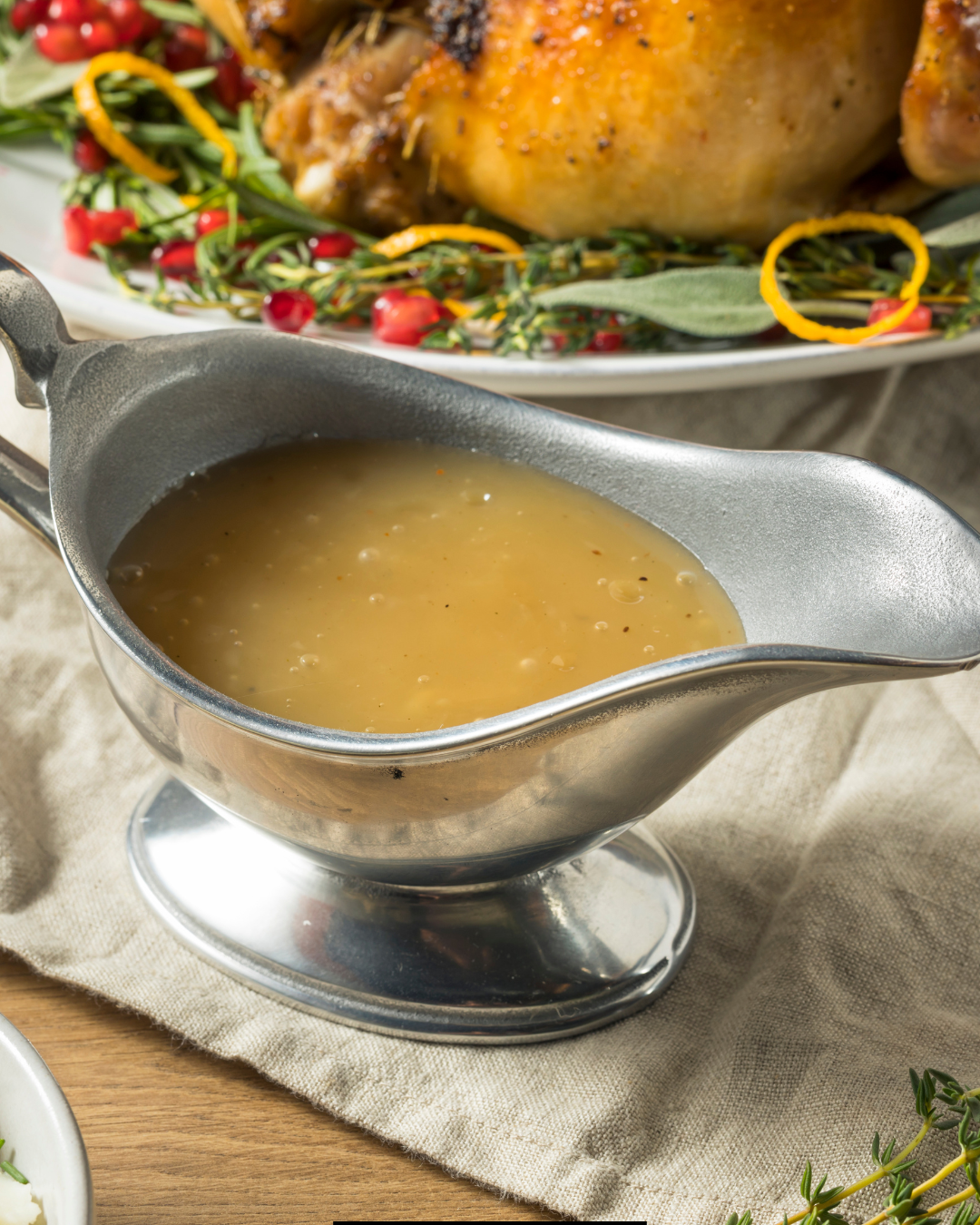
- Optional: Make the Gravy
- Collect the pan drippings: While the turkey rests, pour off the drippings from the roasting pan. Skim off excess fat.
- Deglaze the pan: Place the roasting pan on the stove, add white wine or chicken stock, and scrape up the browned bits from the bottom.
- Thicken the gravy: Stir in 1 tbsp of flour or cornstarch, then simmer until it thickens. Season with salt and pepper as needed. Strain if desired.
Tips for The Best Gordon Ramsay Turkey with Bacon
- If using a frozen turkey, ensure it’s completely defrosted before cooking. Allow 24 hours of defrosting time in the fridge for every 4–5 lbs (1.8–2.3 kg) of turkey.
- Avoid overcooking by using a meat thermometer. This is the most reliable way to ensure perfectly cooked turkey every time.
- If the bacon isn’t crispy enough after cooking, remove it from the turkey and place it under the broiler/grill for 2–3 minutes before serving.
- The herb butter can be made a day in advance. You can also season the turkey and prepare the bacon layer the night before.
- Store any leftover Gordon Ramsay Turkey with Bacon in an airtight container in the refrigerator. Use the turkey for sandwiches, soups, or casseroles within 3–4 days.
Ingredients Substitutes
If you’re eager to try Gordon Ramsay turkey with bacon recipe but are missing a key ingredient or dealing with dietary preferences, don’t worry! This recipe is versatile, and there are plenty of substitutes you can use without compromising on flavor.
Turkey Substitutes
If you can’t find a whole turkey or if turkey isn’t your preferred protein, consider these alternatives:
- Chicken: A whole chicken is a smaller and more manageable substitute for turkey. Adjust cooking times accordingly (about 20 minutes per pound), as it cooks more quickly.
- Duck: Duck offers a richer, gamier flavor. It’s smaller and naturally fattier, which keeps it moist without the need for bacon. Be mindful of its higher fat content when adjusting the herb butter.
- Turkey Breast Only: If cooking for a smaller group, use a boneless or bone-in turkey breast. Wrap it in bacon and follow the same seasoning and roasting steps, adjusting the cooking time (around 45–60 minutes for a 2-3 lb breast).
- Vegetarian/Vegan Roast: For a plant-based option, use a vegan roast (like those from Tofurky or Field Roast) and baste it with the herb butter substitutes outlined below. You can use vegan bacon or thinly sliced eggplant/aubergine as a bacon alternative (see more details below).
Bacon Substitutes
- Turkey Bacon: If pork isn’t an option, turkey bacon is a leaner, flavorful alternative. It crisps up well and still provides a protective layer over the turkey.
- Beef or Lamb Bacon: For a red meat alternative, beef or lamb bacon works well. It’s slightly denser in texture but still delivers a savory, fatty flavor.
- Vegan/Plant-Based Bacon: Several brands now offer plant-based bacon made from soy, tempeh, or coconut. These provide a smoky flavor and work great for a vegan or vegetarian version.
- Eggplant or Zucchini Strips (Vegetarian): Thinly slice eggplant or zucchini into long strips, brush them with olive oil and smoked paprika, and lay them across the turkey. They may not crisp up like bacon, but they will add flavor and a protective layer to the breast.
- No Bacon Alternative: You can skip the bacon entirely and use an extra layer of butter and seasoning to keep the turkey moist. Baste it more frequently during roasting.
Herb Butter Substitutes
The herb butter is a key component of this Gordon Ramsay Turkey with Bacon recipe as it infuses the meat with flavor and keeps it tender during cooking. If you need to replace or adjust it, here are some options:
- Dairy-Free Butter (Vegan Option): Replace traditional butter with a high-quality dairy-free butter, such as Earth Balance or another plant-based spread. Add olive oil for a creamier texture and richness.
- Ghee or Clarified Butter: If you’re avoiding regular butter due to lactose intolerance, ghee makes an excellent substitute. It has the buttery flavor without the lactose and adds richness.
- Olive Oil or Coconut Oil: For a healthier fat, use olive oil for a Mediterranean twist or coconut oil for a subtly sweet aroma. Both work well as herb butter substitutes, though olive oil is more neutral.
- Seasoning Packet: If fresh herbs aren’t available, use a pre-made herb seasoning blend, such as Italian or poultry seasoning, combined with your butter or oil of choice.
- Avocado or Yogurt-Based Sauce (Alternative Approach): Spread an avocado-based cream (mashed avocado mixed with garlic and olive oil) or a Greek yogurt mixture seasoned with lemon zest and herbs under the turkey skin as a lower-fat option.
Lemon Substitutes
Lemon zest and juice add brightness and freshness to the herb butter and turkey cavity. If you don’t have lemons on hand, here are some substitutes:
- Lime Zest and Juice: Lime offers a more tangy citrus flavor but can still enhance the dish beautifully.
- Orange Zest and Juice: For a slightly sweeter option, use oranges. The orange pairs beautifully with the herb butter and complements the turkey’s flavors.
- Vinegar: A small splash of white wine vinegar, apple cider vinegar, or champagne vinegar can mimic the acidity of lemon, though you won’t get the citrusy aroma.
- Lemon Extract or Concentrate: Use a drop of lemon extract or a teaspoon of lemon concentrate if you need a shelf-stable substitute.
Final Thoughts
Gordon Ramsay turkey with bacon recipe brings elegance, flavor, and reliability to your holiday table. The combination of crisp bacon, rich herb butter, and perfectly roasted turkey takes this dish to a whole new level.
More Turkey Recipes:
Ingredients
For the Turkey:
- 1 whole turkey (4–6 kg / 8–12 lbs)
- 500 g (1 lb) streaky bacon or pancetta (thinly sliced)
- Salt and freshly ground black pepper
For the Herb Butter:
- 200 g (7 oz) unsalted butter, softened
- Zest of 2 lemons
- 4 garlic cloves, minced
- A handful of fresh parsley, finely chopped
- 1–2 tbsp olive oil
- Optional: A few sprigs of fresh thyme, leaves chopped
- Optional: A few sprigs of fresh rosemary, leaves chopped
For Additional Flavor (Optional):
- 1 lemon, halved (to stuff inside the turkey)
- A handful of fresh thyme sprigs, rosemary, or bay leaves
For the Gravy (Optional):
- Turkey drippings (from the roasting pan)
- 1 cup white wine or chicken stock
- 1 tbsp flour or cornstarch (to thicken)
Instructions
Step 1: Prepare the Herb Butter
- In a medium-sized bowl, combine the softened butter, lemon zest, minced garlic, and chopped parsley.
- Add a drizzle of olive oil for a smooth, spreadable texture.
- If desired, mix in additional chopped thyme and rosemary for a more aromatic flavor profile. Set the herb butter aside.
Step 2: Prepare the Turkey
- Preheat the oven: Set your oven to 220°C (425°F).
- Clean and dry the turkey: Remove any giblets from the cavity, rinse the turkey under cold water, and pat it dry with paper towels.
- Season the cavity: Generously season the inside of the turkey cavity with salt and black pepper. If desired, stuff it with lemon halves, fresh thyme sprigs, and rosemary for added flavor.
Step 3: Cover the Turkey with Herb Butter
- Carefully loosen the skin of the turkey breast by sliding your fingers under it, being careful not to tear the skin.
- Take a handful of herb butter and spread it evenly underneath the skin, covering as much of the breast as possible. This keeps the turkey breast moist and enhances its flavor.
- Use the remaining herb butter to rub over the outside of the turkey, coating the legs, wings, and back.
Step 4: Wrap the Turkey with Bacon
- Lay the streaky bacon across the turkey breast in a crisscross or overlapping pattern, ensuring the entire breast is covered. This bacon layer acts as a self-basting shield, keeping the breast juicy and tender.
Step 5: Roast the Turkey
- Initial roasting: Place the turkey in a roasting pan and roast in the preheated oven at 220°C (425°F) for 10–15 minutes. This high heat helps the bacon start to crisp up.
- Lower the temperature: Reduce the oven to 180°C (350°F) and continue roasting.
- Use the rule of thumb: 20 minutes per pound (or 40 minutes per kg), plus an extra 20 minutes at the end to ensure it’s fully cooked.
- While roasting, baste the turkey occasionally using the pan drippings. This helps keep the meat moist and boosts flavor.
Step 6: Check for Doneness
- The turkey is fully cooked when a meat thermometer reads:
- 74°C (165°F) in the thickest part of the breast, and
- 82°C (180°F) in the thickest part of the thigh.
- If the bacon starts to brown too early, loosely cover the bird with aluminum foil and remove it 10–15 minutes before the end of cooking.
Step 7: Rest the Turkey
- Once cooked, remove the turkey from the oven and carefully transfer it to a carving board.
- Tent it loosely with foil and let it rest for 30–45 minutes before carving. Resting allows the juices to redistribute, making the meat more tender and flavorful.
- Optional: Make the Gravy
- Collect the pan drippings: While the turkey rests, pour off the drippings from the roasting pan. Skim off excess fat.
- Deglaze the pan: Place the roasting pan on the stove, add white wine or chicken stock, and scrape up the browned bits from the bottom.
- Thicken the gravy: Stir in 1 tbsp of flour or cornstarch, then simmer until it thickens. Season with salt and pepper as needed. Strain if desired.
Discover more from Gordon Ramsay Dish
Subscribe to get the latest posts sent to your email.