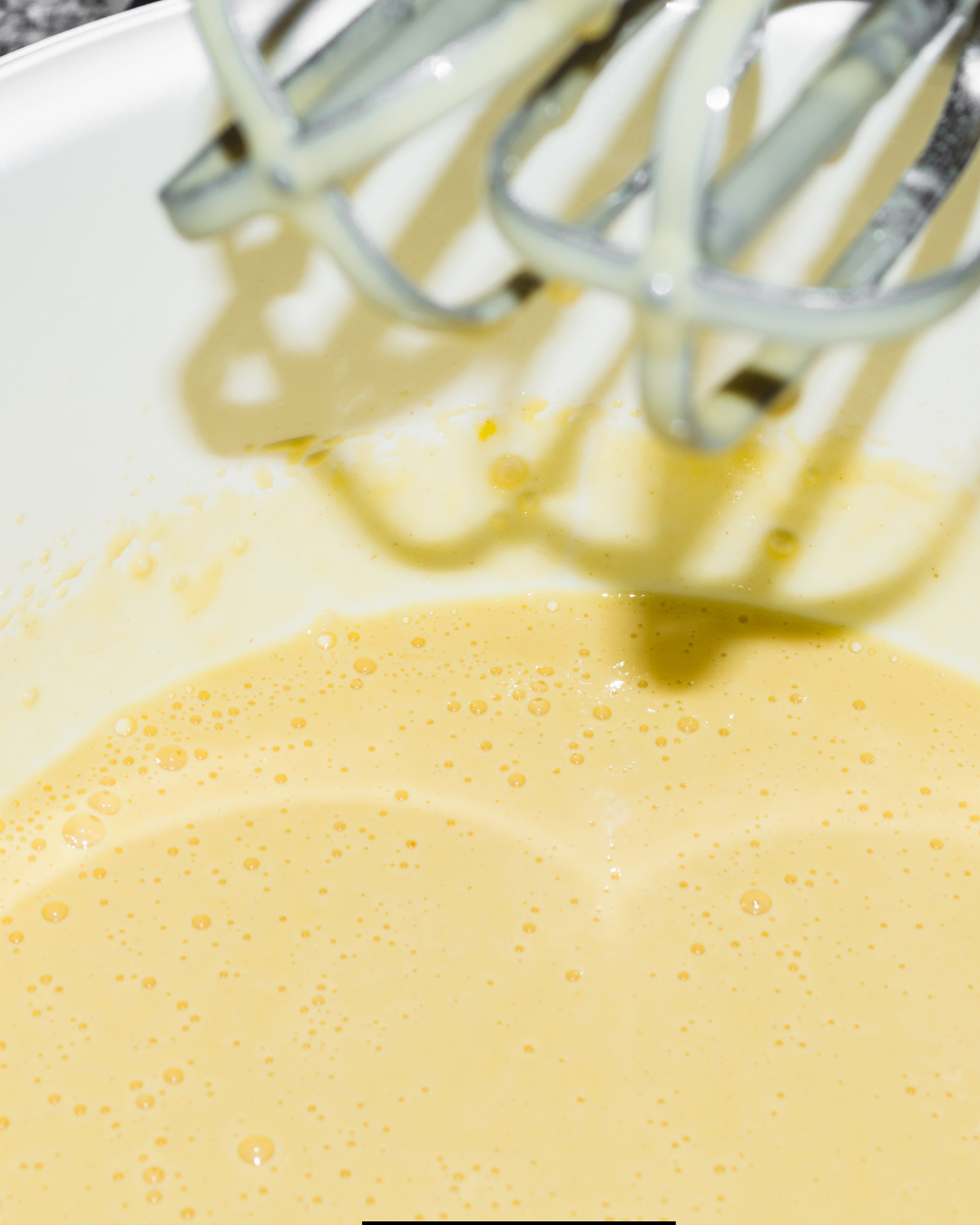
This Gordon Ramsay Steak Marinade isn’t just a quick soak for your steak—it’s a flavor infusion. The combination of tangy balsamic vinegar, savory soy sauce, aromatic garlic, and fresh herbs works together to not only tenderize your meat but also create complex layers of taste that will wow your guests (and maybe even yourself!).
When it comes to crafting the perfect steak, it’s no surprise that Gordon Ramsay—culinary mastermind and Michelin-starred chef—has a few tricks up his sleeve. One of his secrets? A dynamic and flavor-packed steak marinade that promises to elevate your steaks from ordinary to extraordinary.
How to make Gordon Ramsay Steak Marinade
Gordon Ramsay Steak Marinade is a flavorful mixture of ingredients associated with recipes and cooking methods inspired by Gordon Ramsay that is used to season and enhance steak before cooking.
Ingredients
- 2 tablespoons balsamic vinegar: Adds a tangy, slightly sweet kick that helps tenderize the meat.
- 2 tablespoons soy sauce: Provides a salty, umami flavor base.
- 2 tablespoons olive oil: Acts as a binder and helps the marinade penetrate the meat.
- 2 teaspoons Worcestershire sauce: Adds depth with its rich, savory flavor.
- 3 cloves garlic, minced: Brings a bold, aromatic element to the marinade.
- 1 tablespoon Dijon mustard (optional): For a subtle sharpness and creamy texture.
- 1 teaspoon brown sugar (optional): Balances the tanginess and adds a hint of sweetness.
- Juice of ½ a lemon: Enhances the acidity and adds freshness.
- 2 sprigs fresh rosemary: Infuses the marinade with earthy, herbal notes.
- Salt and freshly cracked black pepper (to taste): For seasoning and enhancing flavors.
Instructions
Follow these simple yet effective steps to prepare and use Gordon Ramsay steak marinade:
- In a medium bowl, whisk together the balsamic vinegar, soy sauce, olive oil, Worcestershire sauce, and Dijon mustard (if using). Stir in the minced garlic, lemon juice, brown sugar, and rosemary. Season generously with salt and freshly cracked black pepper. Mix well until all the ingredients are fully combined.
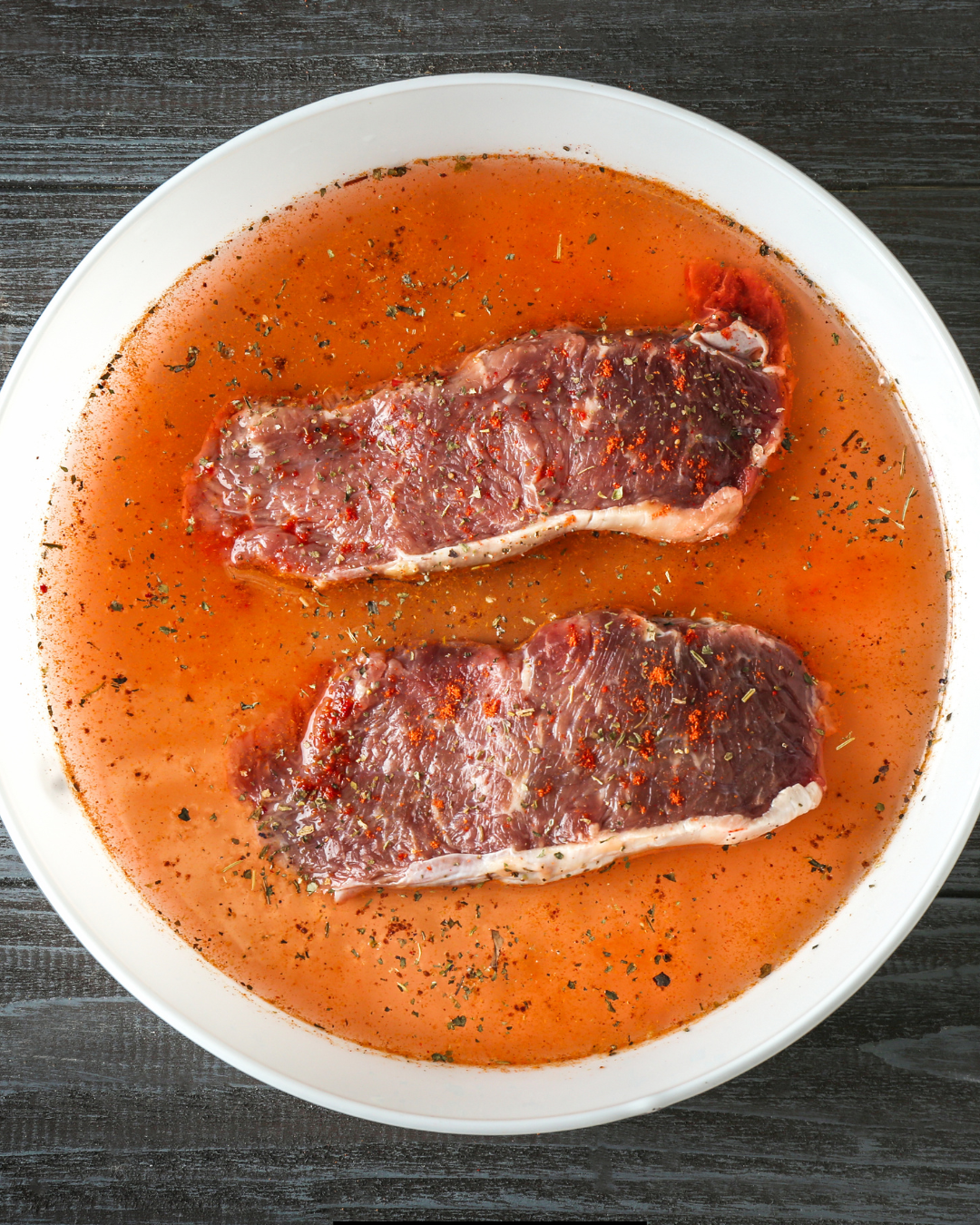
- Place your selected cut of steak (ribeye, sirloin, or filet mignon work great) into a zip-top bag or a shallow dish. Pour the marinade over the steak, ensuring it is coated evenly on all sides. If using a dish, cover with plastic wrap.
- Refrigerate the marinated steak for at least 30 minutes to allow the flavors to penetrate the meat. For best results, marinate the steak for 2–4 hours, but avoid going beyond 12 hours, as too much acid can alter the texture of the meat.
- Remove the steak from the marinade and let it rest at room temperature for about 20 minutes before cooking. Pat it dry with a paper towel, as excess moisture can impact searing. Cook your steak using your preferred method—grilling, pan-searing, or broiling—until it reaches your desired level of doneness.
- As the steak cooks, you can periodically baste it with melted butter and rosemary for extra flavor. Chef Ramsay often recommends this step as it gives the steak a rich, restaurant-quality finish.
Tips for Making the Perfect Gordon Ramsay Steak Marinade
- Fresh rosemary, garlic, and lemon juice make a huge difference in the flavor of your marinade. Avoid dried herbs if possible, as they don’t pack the same punch.
- Opt for high-quality cuts like ribeye, strip steak, or filet mignon for the best texture and flavor. Thicker cuts hold marinade better and result in juicier steaks.
- After marinating, always pat the steak dry before cooking to ensure a beautiful crust when searing.
- If you enjoy sweeter marinades, add a touch more brown sugar. Prefer more tang? Increase the balsamic vinegar or lemon juice slightly.
- Serve your steak with complementary side dishes, like mashed potatoes, grilled asparagus, or a fresh green salad, to create an unforgettable meal.
Ingredients Substitutes
Sometimes you don’t have every ingredient on hand—or maybe you’re looking to tweak Gordon Ramsay steak marinade to suit your personal tastes or dietary needs. The good news is that this recipe is flexible, and there are plenty of substitutions that can deliver equally delicious flavors without compromising the marinade’s effectiveness.
Balsamic Vinegar
If you don’t have balsamic vinegar, consider one of the following:
- Apple Cider Vinegar: Provides a milder tangy flavor with a hint of fruitiness.
- Red Wine Vinegar: Offers a similar acidic profile but lacks the sweetness of balsamic.
- Rice Vinegar: A lighter option with less acidity, perfect for a subtle flavor.
- Sherry Vinegar: Adds depth and complexity, with a slightly nutty undertone.
Soy Sauce
For a soy-free or gluten-free version, try:
- Tamari: A gluten-free alternative with a rich umami flavor similar to soy sauce.
- Coconut Aminos: A soy-free and slightly sweeter substitute, perfect for those avoiding soy products.
- Liquid Aminos: Another soy sauce replacement that packs a similar savory punch.
- Misopaste diluted with water: A creative option to mimic the salty and fermented notes of soy sauce.
Olive Oil
If you’re out of olive oil or want to try something different:
- Avocado Oil: A high-smoke-point oil with a mild buttery flavor.
- Grapeseed Oil: Neutral in flavor and ideal for marinades.
- Vegetable Oil or Canola Oil: These work well but lack the richness of olive oil.
- Sesame Oil (toasted): Adds a nutty flavor that enhances the marinade’s profile (use sparingly).
Worcestershire Sauce
If Worcestershire sauce isn’t available or if you’re vegetarian:
- Soy Sauce and Lemon Juice Blend: Mimics some of Worcestershire’s salty and tangy flavors.
- Balsamic Vinegar and a Splash of Molasses: Helps replicate the sweetness and acidity.
- Vegetarian Worcestershire Sauce: Many brands now offer plant-based alternatives.
- Anchovy Paste with Vinegar (if you’re not vegetarian): Anchovies are one of Worcestershire’s primary ingredients.
Garlic (Minced)
What to use if you’re out of fresh garlic:
- Garlic Powder: Use about ½ teaspoon as a substitute for every clove of fresh garlic.
- Granulated Garlic: Slightly less potent but works well in marinades.
- Shallots or Onion Powder: Offers a milder alternative in case of a garlic shortage.
Dijon Mustard (Optional)
If mustard isn’t your thing or you don’t have Dijon:
- Yellow Mustard: Milder but adds a similar tangy profile.
- Honey Mustard: Sweet and slightly tangy, useful for balancing intense flavors.
- Whole Grain Mustard: Adds texture and a richer mustard flavor.
Brown Sugar (Optional)
Sweeteners make a big difference in balancing the acidity. Substitutes include:
- Honey: A natural sweetener that blends well into marinades.
- Maple Syrup: Adds sweetness with a hint of smokiness.
- Agave Nectar: A lighter sweetener with neutral taste.
- Molasses: Use sparingly as it has a rich, bold sweetness.
Lemon Juice
If you’re missing fresh lemons:
- Lime Juice: Slightly sharper and zestier but still works well.
- White Vinegar: A more acidic option that adds tang without citrus notes.
- Orange Juice: Adds mild acidity with a touch of sweetness.
- Apple Cider Vinegar: A fruity, tangy alternative.
Fresh Rosemary
If fresh rosemary isn’t available:
- Dried Rosemary: Use half the amount of the fresh herb since dried rosemary is more concentrated.
- Thyme (Fresh or Dried): Offers a slightly different herbal flavor profile but works well in marinades.
- Oregano: A bold substitute that pairs nicely with steak.
- Parsley with a Touch of Sage: If you’re looking for a milder herb combination.
Final Thoughts
Gordon Ramsay steak marinade is your ticket to achieving steakhouse-quality results from the comfort of your own kitchen. With its perfect balance of tangy, savory, and aromatic flavors, this marinade tenderizes and enhances your steak, creating a dish that’s truly unforgettable.
More Sauce Recipes:
Ingredients
- 2 tablespoons balsamic vinegar
- 2 tablespoons soy sauce: Provides a salty, umami flavor base.
- 2 tablespoons olive oil
- 2 teaspoons Worcestershire sauce
- 3 cloves garlic, minced
- 1 tablespoon Dijon mustard (optional)
- 1 teaspoon brown sugar (optional)
- Juice of ½ a lemon: Enhances the acidity and adds freshness.
- 2 sprigs fresh rosemary: Infuses the marinade with earthy, herbal notes.
- Salt and freshly cracked black pepper (to taste)
Instructions
- In a medium bowl, whisk together the balsamic vinegar, soy sauce, olive oil, Worcestershire sauce, and Dijon mustard (if using). Stir in the minced garlic, lemon juice, brown sugar, and rosemary. Season generously with salt and freshly cracked black pepper. Mix well until all the ingredients are fully combined.
- Place your selected cut of steak (ribeye, sirloin, or filet mignon work great) into a zip-top bag or a shallow dish. Pour the marinade over the steak, ensuring it is coated evenly on all sides. If using a dish, cover with plastic wrap.
- Refrigerate the marinated steak for at least 30 minutes to allow the flavors to penetrate the meat. For best results, marinate the steak for 2–4 hours, but avoid going beyond 12 hours, as too much acid can alter the texture of the meat.
- Remove the steak from the marinade and let it rest at room temperature for about 20 minutes before cooking. Pat it dry with a paper towel, as excess moisture can impact searing. Cook your steak using your preferred method—grilling, pan-searing, or broiling—until it reaches your desired level of doneness.
- As the steak cooks, you can periodically baste it with melted butter and rosemary for extra flavor. Chef Ramsay often recommends this step as it gives the steak a rich, restaurant-quality finish.
Discover more from Gordon Ramsay Dish
Subscribe to get the latest posts sent to your email.