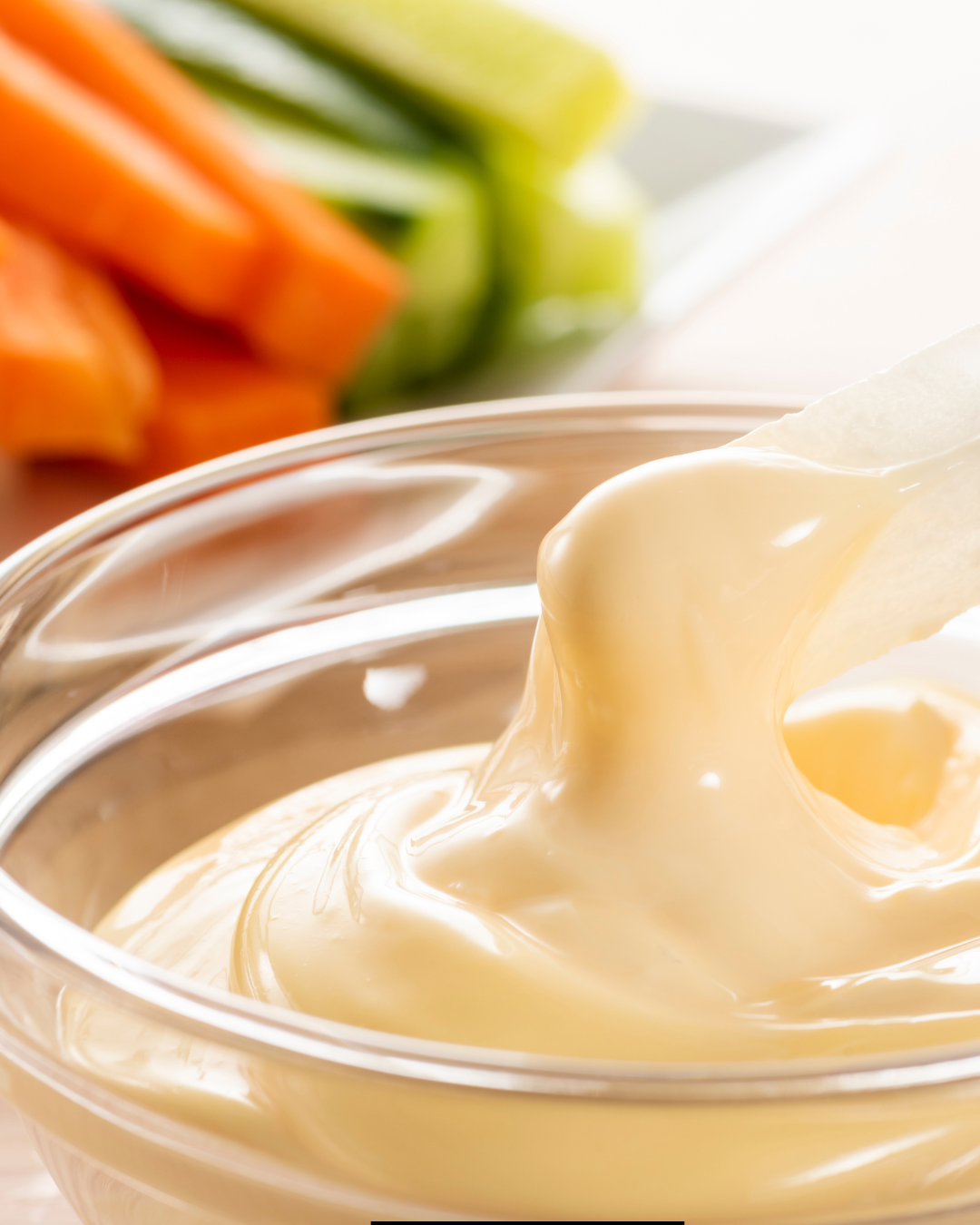
I was intrigued (and slightly nervous) to try Gordon Ramsay mayonnaise recipe. After all, mayonnaise isn’t just a condiment—it’s an art form. But following his foolproof method turned out to be a game-changer. The creamy texture, the tangy flavor, and the sheer simplicity of making it from scratch left me wondering why I hadn’t tried this sooner.
Table of Contents
How to make Gordon Ramsay Mayonnaise
Gordon Ramsay Mayonnaise is a rich, creamy homemade mayonnaise made from basic ingredients such as egg yolks, oil, mustard, lemon juice or vinegar, and seasoning.
Ingredients
Here’s what you’ll need to make approximately 1 cup of mayonnaise:
- 2 large egg yolks – Room temperature for better emulsification.
- 1 teaspoon Dijon mustard – Adds flavor and binds the emulsion.
- 1 cup vegetable oil – Neutral oils like sunflower, grapeseed, or canola work best. Avoid olive oil as its strong flavor might overpower the mayo.
- 1 teaspoon white wine vinegar – For a hint of tanginess and balance.
- 1–2 teaspoons fresh lemon juice – Provides acidity and brightness.
- Salt – To taste, for seasoning.
- Freshly ground white pepper – Optional, for a touch of spice.
Instructions
- Gather all your ingredients and ensure they’re at room temperature.
- Select a sturdy mixing bowl and a whisk (or a food processor/blender if you prefer).
- Place the egg yolks in the mixing bowl.
- Add the Dijon mustard and whisk until combined and slightly thickened. The mustard acts as an emulsifier, helping bind the oil and yolks.
- Begin adding the vegetable oil very slowly, drop by drop, while whisking constantly.
- This step is crucial for creating the emulsion. If you add the oil too quickly, the mixture may separate or fail to combine properly.
- Once the mixture begins to thicken, you can increase the speed of oil addition to a steady stream, but keep whisking vigorously to maintain the emulsion.
- Once all the oil has been incorporated, add the white wine vinegar and lemon juice.
- Whisk to combine thoroughly and taste the mayonnaise. Adjust with more lemon juice or vinegar if needed for tanginess.
- Add salt to taste and a pinch of freshly ground white pepper (optional).
- Give it a final whisk or mix until the seasoning is evenly distributed.
- Transfer the mayonnaise to an airtight container and refrigerate if not using immediately.
- Homemade Gordon Ramsay Mayonnaise can be stored in the fridge for up to 3–4 days.
Tips for Making Perfect Mayonnaise
- Room temperature ingredients are key: Cold egg yolks or oil can hinder the emulsification process, causing your mayo to separate.
- Start slow: Adding oil too quickly is the most common mistake. Begin with small drops and gradually increase the amount as the mixture thickens.
- Use neutral oil: Strong-flavored oils like olive oil can make the mayonnaise taste bitter or overpowering. Stick to lighter oils for a more balanced flavor.
- Acid matters: Both vinegar and lemon juice play a major role in balancing the richness of the egg yolks and oil. Taste as you go to ensure it’s not too acidic or bland.
- Save a broken mayonnaise: If your mixture separates, don’t panic. Start over with a fresh egg yolk in a clean bowl, and carefully add the broken mayonnaise mixture back into the bowl while whisking.
Ingredients Substitutes
Homemade mayonnaise, based on Gordon Ramsay’s recipe, is flexible enough to accommodate substitutions when you’re short on specific ingredients or looking to customize it for dietary preferences.
1. Egg Yolks Substitute
Egg yolks are the foundation of Gordon Ramsay Mayonnaise, as they create the emulsion that blends the oil and liquid ingredients seamlessly. If you need to replace them:
Aquafaba (Chickpea Water):
Why substitute? This is a great option for vegans or those avoiding eggs.
Ratio: Use 3 tablespoons of aquafaba per egg yolk.
Impact: It creates a lighter and slightly less creamy mayonnaise, but still holds the emulsion when whisked properly.
Why substitute? Another vegan-friendly option that adds creaminess.
Ratio: Blend ¼ cup silken tofu as an equivalent to 2 egg yolks.
Impact: Slightly heavier texture but works well with added acidity for flavor balancing.
Store-Bought Vegan Egg Replacements:
Products like JUST Egg can sometimes work as a substitute in mayonnaise recipes.
Follow the instructions for replacing yolks provided by the brand.
2. Dijon Mustard Substitute
Dijon mustard is not only a flavor enhancer but also acts as a stabilizer for the emulsion. If you don’t have Dijon mustard:
Yellow Mustard:
Why substitute? It’s a common pantry staple and works similarly as a stabilizer.
Impact: Provides a milder flavor compared to Dijon but won’t drastically affect texture.
Spicy Brown Mustard:
Why substitute? Adds complexity with a slightly more robust flavor.
Impact: May result in a spicier mayonnaise, so use less.
Whole Grain Mustard:
Why substitute? Creates a rustic texture and brings in bold flavor.
Impact: Excellent if you don’t mind bits of mustard seeds in your mayo.
Ground Mustard Powder:
Why substitute? If fresh mustard options aren’t available, dry mustard powder can deliver the essential flavor and stability for the emulsion.
Ratio: Use ½ teaspoon added directly to the yolks.
3. Vegetable Oil Substitute
The choice of oil dramatically impacts the flavor of mayonnaise. A neutral-flavored oil is usually preferred, but if you’re looking for alternatives:
Olive Oil:
Why substitute? For those who love a richer and more robust flavor.
Impact: Avoid extra-virgin olive oil as it can taste bitter; use light olive oil instead. Note that the result will be stronger than Gordon Ramsay’s original mayonnaise.
Avocado Oil:
Why substitute? Adds healthy fats and a mild, buttery flavor.
Impact: Creates a lighter and creamier texture while staying neutral in flavor.
Coconut Oil:
Why substitute? Use refined coconut oil to avoid the coconut flavor if desired.
Impact: Produces a slightly thicker result due to its solidifying properties at cooler temperatures.
4. White Wine Vinegar Substitute
White wine vinegar provides acidity and tang in the original recipe. If you’re out or prefer something different:
Apple Cider Vinegar:
Why substitute? It’s an excellent all-purpose acidic substitute.
Impact: Adds subtle sweetness and fruitiness to the mayo.
Rice Vinegar:
Why substitute? Ideal for a lighter, slightly sweeter tang.
Impact: Creates a smooth and subtle flavor profile.
Distilled White Vinegar:
Why substitute? A budget-friendly option often found in most kitchens.
Impact: Harsher acidity, so use slightly less to avoid overpowering the flavors.
5. Lemon Juice Substitute
Lemon juice brightens the mayonnaise by adding tang. When replacing it:
Lime Juice:
Why substitute? Lime juice lends a similar acidity level but with a more citrusy tang.
Impact: Slightly sharper acidity compared to lemon juice.
White Wine:
Why substitute? Enhances flavor complexity with mild acidity.
Impact: Creates a touch of sophistication but may lack the full brightness of lemon.
Cream of Tartar:
Why substitute? If you need the acidity and stabilization without citrus.
Ratio: Use ¼ teaspoon for every teaspoon of lemon juice.
Final Thoughts
Making Gordon Ramsay Mayonnaise at home not only gives you control over the ingredients but also unlocks an entirely new level of flavor. Gordon Ramsay’s simple yet refined method will help you achieve a creamy, tangy mayo that’s perfect for sandwiches, salads, or even dipping.
More Sauce Recipes:
Ingredients
- 2 large egg yolks – Room temperature for better emulsification.
- 1 teaspoon Dijon mustard – Adds flavor and binds the emulsion.
- 1 cup vegetable oil
- 1 teaspoon white wine vinegar
- 1–2 teaspoons fresh lemon juice
- Salt – To taste, for seasoning.
- Freshly ground white pepper
Instructions
- Gather all your ingredients and ensure they’re at room temperature.
- Select a sturdy mixing bowl and a whisk (or a food processor/blender if you prefer).
- Place the egg yolks in the mixing bowl.
- Add the Dijon mustard and whisk until combined and slightly thickened. The mustard acts as an emulsifier, helping bind the oil and yolks.
- Begin adding the vegetable oil very slowly, drop by drop, while whisking constantly.
- This step is crucial for creating the emulsion. If you add the oil too quickly, the mixture may separate or fail to combine properly.
- Once the mixture begins to thicken, you can increase the speed of oil addition to a steady stream, but keep whisking vigorously to maintain the emulsion.
- Once all the oil has been incorporated, add the white wine vinegar and lemon juice.
- Whisk to combine thoroughly and taste the mayonnaise. Adjust with more lemon juice or vinegar if needed for tanginess.
- Add salt to taste and a pinch of freshly ground white pepper (optional).
- Give it a final whisk or mix until the seasoning is evenly distributed.
- Transfer the mayonnaise to an airtight container and refrigerate if not using immediately.
- Homemade Gordon Ramsay Mayonnaise can be stored in the fridge for up to 3–4 days.
Discover more from Gordon Ramsay Dish
Subscribe to get the latest posts sent to your email.