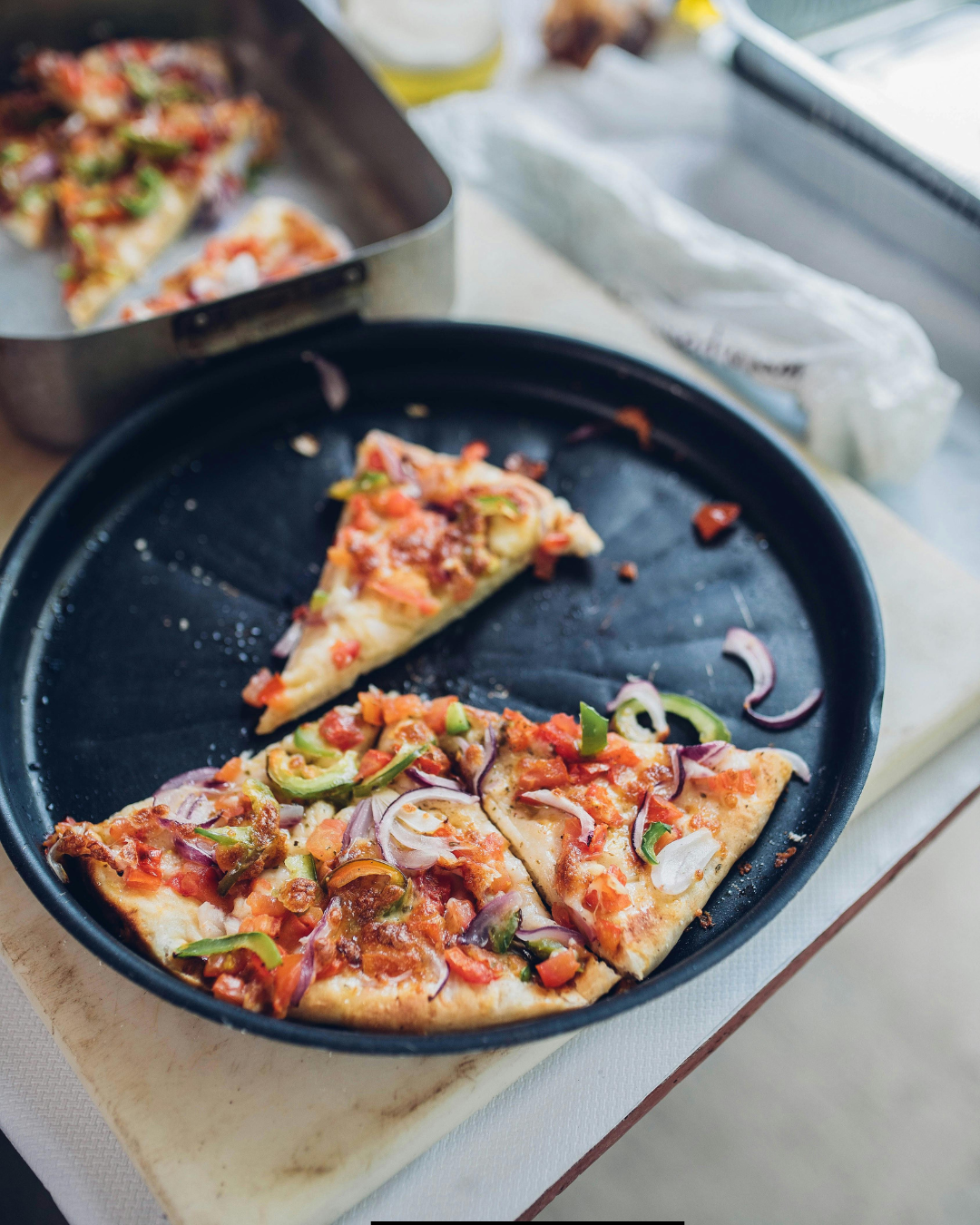
As I tried my hand at this Gordon Ramsay Pan Pizza, I realized it’s not just a recipe—it’s an experience. With Gordon Ramsay’s emphasis on quality ingredients and ensuring perfect texture, this pan pizza takes home cooking to gourmet heights.
Table of Contents
How to make Gordon Ramsay Pan Pizza
Gordon Ramsay Pan Pizza is a pizza recipe popularized by celebrity chef Gordon Ramsay.
Ingredients:
For the Dough:
- 2 ¼ teaspoons (1 packet) active dry yeast
- 1 teaspoon sugar
- 1 ½ cups warm water (around 100°F/38°C)
- 3 ½ cups all-purpose or bread flour (plus extra for kneading)
- 1 teaspoon salt
- 2 tablespoons olive oil
For the Pizza Sauce:
- 1 can (28 ounces) San Marzano tomatoes (or any high-quality canned tomatoes)
- 2 tablespoons olive oil
- 1 garlic clove, minced
- 1 teaspoon dried oregano
- Salt and pepper to taste
For the Toppings:
- 8 ounces fresh mozzarella (or burrata for extra creaminess)
- Fresh basil leaves
- 2 tablespoons grated Parmesan cheese
- Optional toppings: Pepperoni, caramelized onions, roasted bell peppers, spicy sausage, or black olives.
For Cooking:
- 2 tablespoons olive oil (for greasing the pan)
- Optional drizzle: Extra virgin olive oil for finishing.
Instructions:
Step 1: Make the Dough
- Activate the Yeast: In a small bowl, combine the yeast, sugar, and warm water. Let it sit for about 5–10 minutes, or until it forms a frothy layer. This means the yeast is activated.
- Prepare the Dough: In a large mixing bowl, combine the flour and salt. Slowly add the yeast mixture and olive oil, stirring with a wooden spoon until a dough begins to form.
- Knead the Dough: Transfer the dough to a lightly floured surface and knead for about 8–10 minutes until smooth and elastic.
- Let the Dough Rise: Place the dough in a lightly oiled bowl, cover it with a clean kitchen towel, and let it rise for 1–2 hours in a warm spot until doubled in size.
Step 2: Prepare the Pizza Sauce
- Simmer the Tomatoes: In a saucepan, heat olive oil over medium heat. Add the minced garlic and sauté for 30 seconds until fragrant.
- Blend for Smoothness: Add the canned tomatoes, oregano, salt, and pepper to the saucepan. Simmer for 10–15 minutes, stirring occasionally. Use an immersion blender or regular blender to puree the sauce until smooth.
Step 3: Shape and Cook the Dough
- Preheat the Oven: Preheat your oven to 475°F (245°C). If you have a pizza stone, place it in the oven to heat.
- Prepare the Pan: Coat a 12-inch cast-iron skillet or oven-safe pan with olive oil. Make sure the bottom and sides are thoroughly greased.
- Shape the Dough: Punch down the dough and roll it out into a circle that fits your skillet. Transfer the dough into the skillet, pressing it gently up the sides to create a slight edge.
Step 4: Add Toppings
- Spread the Sauce: Spoon an even layer of pizza sauce onto the dough. Don’t go overboard—less is more for the perfect balance.
- Top with Cheese: Tear the fresh mozzarella into chunks and scatter evenly over the sauce.
- Add Other Toppings: Arrange any additional toppings on the pizza, but avoid overcrowding to allow the dough to cook evenly.
Step 5: Cook the Pizza
- Start on the Stove: Place the skillet over medium heat for 3–5 minutes. This helps crisp up the bottom of the pizza.
- Transfer to the Oven: Move the skillet to the preheated oven and bake for about 12–15 minutes, or until the crust is golden brown and the cheese is bubbly.
Step 6: Finish and Serve
- Cool slightly: Let the pizza sit in the pan for about 2 minutes to make it easier to remove.
- Add Fresh Finishes: Sprinkle grated Parmesan cheese and fresh basil leaves on top. Drizzle with extra virgin olive oil if desired.
- Slice and Enjoy: Transfer to a cutting board, slice into wedges, and savor every bite!
Pro Tips for Gordon Ramsay’s Pan Pizza:
- Use Quality Ingredients: The flavor of your pizza depends heavily on the quality of your ingredients. Opt for fresh mozzarella, San Marzano tomatoes, and premium olive oil.
- Don’t Overload the Pizza: Too many toppings can weigh down the dough and prevent it from cooking evenly. Stick to 2–3 toppings for the best results.
- Preheat the Pan: If you want an extra-crispy crust, preheat the skillet on the stove before adding the dough.
- Experiment with Flavors: Try adding truffle oil, chili flakes, or garlic butter to enhance the flavors further.
- Cook in Batches: If you’re making multiple pizzas, let each one cook individually to ensure even browning.
What to serve with
Gordon Ramsay pan pizza is a masterpiece on its own—crisp crust, gooey cheese, and bold toppings create a dish that’s satisfying and flavorful.
1. Fresh Salads
A crisp, fresh salad complements the richness of Gordon Ramsay Pan Pizza perfectly, providing balance and a refreshing contrast. Here are a few salad ideas to consider:
Classic Caesar Salad
- Crisp romaine lettuce dressed in homemade Caesar dressing.
- Topped with crunchy croutons, shaved Parmesan, and freshly cracked black pepper.
- Optional: Add grilled chicken or bacon for a heartier option.
- Toss together fresh arugula, shaved Parmesan, and cherry tomatoes.
- Drizzle with olive oil and balsamic glaze to add tangy, peppery notes.
Mediterranean Salad
- A mix of greens with cucumber, Kalamata olives, red onion, and feta cheese.
- Top with a lemon vinaigrette for bright, zesty flavors.
2. Garlicky Appetizers
Since Gordon Ramsay Pan Pizza already has Italian-inspired flavors, garlic-based sides pair beautifully to enhance the overall meal.
Garlic Breadsticks
- Soft, homemade breadsticks brushed with garlic butter and baked until golden.
- Serve with marinara sauce or a creamy ranch dip on the side.
Roasted Garlic Dip
- Roast whole garlic bulbs until caramelized and sweet. Mash and mix with sour cream, Parmesan cheese, and a touch of lemon.
Ingredients Substitutes
Gordon Ramsay pan pizza recipe is all about using top-quality ingredients to create a masterpiece. However, sometimes you might not have access to certain items or need alternatives due to dietary restrictions, preferences, or simply what’s available in your pantry.
1. Dough Ingredients Substitutes
The dough is the foundation of any good pizza, and Ramsay emphasizes homemade over store-bought. However, here’s how you can adjust if you’re out of key dough ingredients:
Active Dry Yeast Substitute
Option 1: Instant Yeast: Use the same amount as active dry yeast. Instant yeast doesn’t require activation in warm water so that you can add it directly to your dry ingredients.
Option 2: Baking Powder and Greek Yogurt: For a yeast-free dough alternative, mix self-rising flour with Greek yogurt (e.g., 1 cup self-rising flour + 1/2 cup Greek yogurt). This creates a soft and pliable dough suitable for a quick pizza base.
Bread Flour Substitute
Option: All-Purpose Flour: Bread flour creates a chewier texture due to its higher protein content, but all-purpose flour works well for a softer crust.
Tip: If you want a texture closer to bread flour, you can add 1–2 teaspoons of vital wheat gluten to all-purpose flour and mix thoroughly.
Olive Oil Substitute
Option: Any Neutral Oil: Substitute olive oil with avocado oil, grapeseed oil, or vegetable oil for a slightly different flavor.
For Extra Flavor: Melt butter with a pinch of garlic powder or herbs for a richer taste.
2. Sauce Ingredients Substitutes
The homemade pizza sauce is simple but bursting with flavor. Here’s what to use if you don’t have specific ingredients on hand:
San Marzano Tomatoes Substitute
Option: Regular Canned Tomatoes: You can use high-quality canned tomatoes like Roma or plum tomatoes instead. To mimic the sweetness of San Marzano, add a pinch of sugar or drizzle honey.
Option: Fresh Tomatoes: Use ripe, juicy tomatoes. Roast them in the oven or simmer on the stovetop to deepen their flavor before blending.
Garlic Substitute
Option: Garlic Powder: 1 teaspoon of garlic powder roughly equals one clove of fresh garlic. It’s a great addition to the sauce if you’re out of fresh garlic.
For Extra Aroma: Substitute garlic with shallots or onions for a slightly milder, aromatic flavor.
Oregano Substitute
Option: Italian Seasoning: If you don’t have oregano, use Italian seasoning, which usually contains oregano along with basil, thyme, and rosemary.
Dried Basil: Basil can provide a sweeter aromatic hint instead of earthy oregano tones.
3. Cheese Substitutes
Cheese plays a crucial role in pizza, but there are many options depending on availability, dietary needs, or desired flavor.
Fresh Mozzarella Substitute
Option: Shredded Mozzarella: Use pre-shredded mozzarella if you don’t have access to fresh cheese.
Option: Provolone or Monterey Jack: These cheeses melt beautifully and can mimic mozzarella’s texture.
Burrata Substitute
Option: Ricotta Cheese: Ricotta offers a creamy and slightly sweet alternative to burrata—Dollop small spoonfuls for a soft texture.
Option: Goat Cheese or Cream Cheese: Both provide a rich, tangy flavor that pairs well with fresh basil and tomato sauce.
Parmesan Substitute
Option: Pecorino Romano: Slightly sharper in flavor, Pecorino Romano is a great substitute for Parmesan.
Option: Asiago Cheese: This nutty and slightly creamy cheese works well as a topping alternative.
For Vegan Substitutes: Try nutritional yeast or plant-based Parmesan cheese substitutes.
Final Thoughts
Making a Gordon Ramsay pan pizza at home is easier than you think! With buttery crust, melty cheese, and fresh toppings, this homemade treat is a guaranteed crowd-pleaser. Once you master it, you’ll never look at delivery pizza the same way again!
More Recipes:
Ingredients
For the Dough:
- 2 ¼ teaspoons (1 packet) active dry yeast
- 1 teaspoon sugar
- 1 ½ cups warm water (around 100°F/38°C)
- 3 ½ cups all-purpose or bread flour (plus extra for kneading)
- 1 teaspoon salt
- 2 tablespoons olive oil
For the Pizza Sauce:
- 1 can (28 ounces) San Marzano tomatoes
- 2 tablespoons olive oil
- 1 garlic clove, minced
- 1 teaspoon dried oregano
- Salt and pepper to taste
For the Toppings:
- 8 ounces fresh mozzarella (or burrata for extra creaminess)
- Fresh basil leaves
- 2 tablespoons grated Parmesan cheese
- Optional toppings: Pepperoni
For Cooking:
- 2 tablespoons olive oil (for greasing the pan)
- Optional drizzle: Extra virgin olive oil for finishing.
Instructions
Step 1: Make the Dough
- Activate the Yeast: In a small bowl, combine the yeast, sugar, and warm water. Let it sit for about 5–10 minutes, or until it forms a frothy layer. This means the yeast is activated.
- Prepare the Dough: In a large mixing bowl, combine the flour and salt. Slowly add the yeast mixture and olive oil, stirring with a wooden spoon until a dough begins to form.
- Knead the Dough: Transfer the dough to a lightly floured surface and knead for about 8–10 minutes until smooth and elastic.
- Let the Dough Rise: Place the dough in a lightly oiled bowl, cover it with a clean kitchen towel, and let it rise for 1–2 hours in a warm spot until doubled in size.
Step 2: Prepare the Pizza Sauce
- Simmer the Tomatoes: In a saucepan, heat olive oil over medium heat. Add the minced garlic and sauté for 30 seconds until fragrant.
- Blend for Smoothness: Add the canned tomatoes, oregano, salt, and pepper to the saucepan. Simmer for 10–15 minutes, stirring occasionally. Use an immersion blender or regular blender to puree the sauce until smooth.
Step 3: Shape and Cook the Dough
- Preheat the Oven: Preheat your oven to 475°F (245°C). If you have a pizza stone, place it in the oven to heat.
- Prepare the Pan: Coat a 12-inch cast-iron skillet or oven-safe pan with olive oil. Make sure the bottom and sides are thoroughly greased.
- Shape the Dough: Punch down the dough and roll it out into a circle that fits your skillet. Transfer the dough into the skillet, pressing it gently up the sides to create a slight edge.
Step 4: Add Toppings
- Spread the Sauce: Spoon an even layer of pizza sauce onto the dough. Don’t go overboard—less is more for the perfect balance.
- Top with Cheese: Tear the fresh mozzarella into chunks and scatter evenly over the sauce.
- Add Other Toppings: Arrange any additional toppings on the pizza, but avoid overcrowding to allow the dough to cook evenly.
Step 5: Cook the Pizza
- Start on the Stove: Place the skillet over medium heat for 3–5 minutes. This helps crisp up the bottom of the pizza.
- Transfer to the Oven: Move the skillet to the preheated oven and bake for about 12–15 minutes, or until the crust is golden brown and the cheese is bubbly.
Step 6: Finish and Serve
- Cool slightly: Let the pizza sit in the pan for about 2 minutes to make it easier to remove.
- Add Fresh Finishes: Sprinkle grated Parmesan cheese and fresh basil leaves on top. Drizzle with extra virgin olive oil if desired.
- Slice and Enjoy: Transfer to a cutting board, slice into wedges, and savor every bite!
Discover more from Gordon Ramsay Dish
Subscribe to get the latest posts sent to your email.