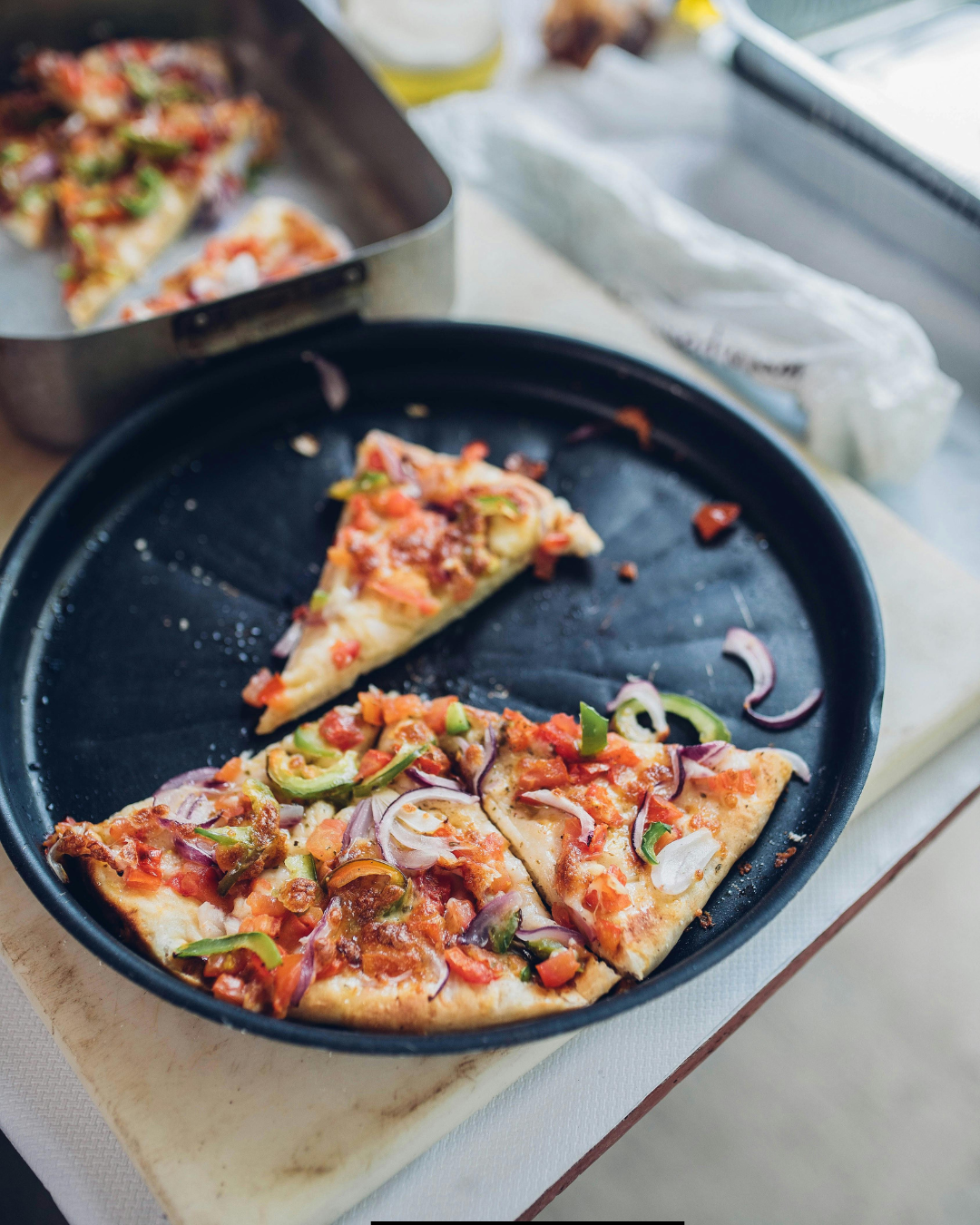
I’ll admit, the first time I tried making pizza dough from scratch, it felt intimidating. How much kneading is too much? What if the dough doesn’t rise properly? But after diving into this Gordon Ramsay pizza dough recipe, I realized that great pizza dough isn’t about fancy equipment or secret techniques. It’s about using high-quality ingredients, getting the basics right, and embracing the process, much like Ramsay himself would say.
How to make Gordon Ramsay Pizza Dough
Gordon Ramsay Pizza Dough is a chef-style pizza dough associated with recipes by Gordon Ramsay. It’s designed to create a pizza crust that’s light, chewy inside, crisp around the edges, and flavorful rather than thick and bready.
Ingredients:
Here’s what you’ll need to make Gordon Ramsay pizza dough:
- 500g (4 cups) bread flour (preferably strong bread flour, as it has a higher gluten content, which helps with elasticity)
- 1 tsp fine sea salt (enhances flavor)
- 1 packet (7g) dried yeast or 20g fresh yeast (yeast is the key for a soft, airy crust)
- 1 tsp sugar (feeds the yeast and helps with activating it)
- 325ml (1⅓ cups) warm water (not hot; around 38–40°C or 100–105°F, to activate the yeast without killing it)
- 2 tbsp olive oil (adds richness and helps keep the dough soft)
Instructions:
1. Prep the Yeast
- In a small bowl, combine the warm water and sugar, stirring until the sugar dissolves.
- Add the yeast (if you’re using fresh yeast, crumble it into the water).
- Let the mixture sit for 5–10 minutes until it becomes frothy. This shows the yeast is activated and ready to use.
2. Combine the Dry Ingredients
- In a large mixing bowl, sift the bread flour and stir in the sea salt. Make a well in the center of the flour.
3. Mix Wet and Dry
- Pour the activated yeast-water mixture into the well, along with the olive oil.
- Using your hands or a wooden spoon, mix until the ingredients start forming a sticky dough.
4. Knead the Dough
- Transfer the dough onto a clean, floured surface.
- Knead it for about 8–10 minutes, pushing it with the heel of your hand, folding it over, and turning it. You want the dough to be smooth, elastic, and slightly tacky, but not sticking to your fingers.
- Tip: If the dough feels too dry, add a small drizzle of water. If it feels too sticky, sprinkle a little more flour—but don’t overdo it, as excess flour will make the dough tough.
5. Let It Rise
- Lightly oil a large bowl and place the dough inside. Coat the dough lightly with oil to prevent it from drying out.
- Cover the bowl with a damp kitchen towel or cling film and let it rest in a warm place for about 1–2 hours, or until it doubles in size.
- Tip: If your kitchen is cold, place the dough in a slightly warm oven (preheated to about 30°C/85°F, then turned off).
6. Shape the Dough
- Once risen, punch down the dough to release excess air.
- Divide it into portions depending on the size of the pizzas you want to make (this recipe makes 2 large pizzas or 4 smaller ones).
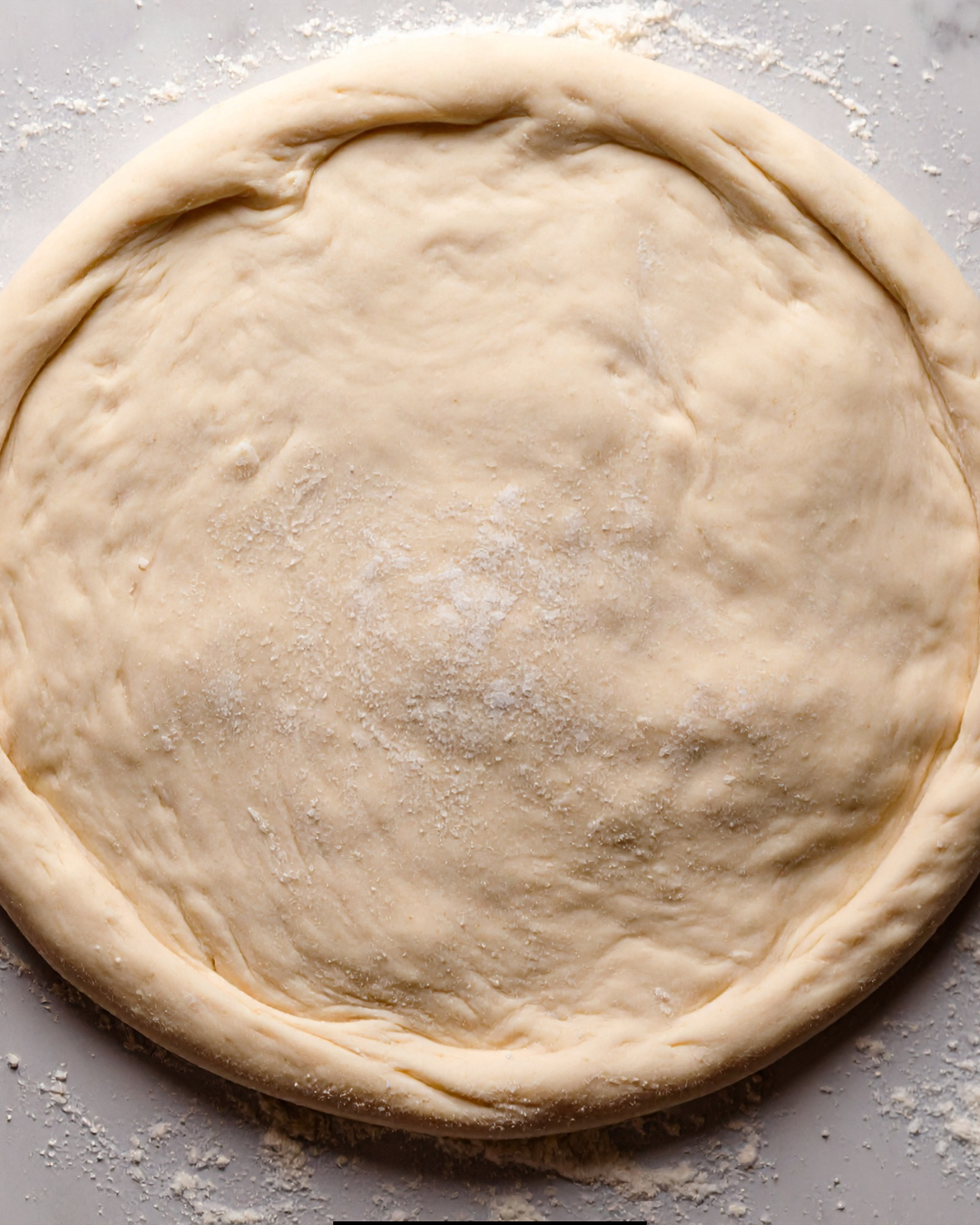
- Roll each piece out on a lightly floured surface, forming a thin, even circle or rectangle—depending on your preferred pizza shape.
Tips for Perfect Pizza Dough:
- Quality Flour Matters: Using strong bread flour makes a huge difference, as its high gluten content creates that stretchy texture perfect for pizza dough.
- Don’t Rush the Rise: Let the dough rise properly. Skipping or rushing this step will result in a dense, chewy crust rather than a light, airy one.
- Use a Pizza Stone: If you have one, it mimics the effect of cooking in a traditional pizza oven, giving you a beautifully crisp crust.
- Hydrate the Dough Properly: If the dough feels too tough, it’s often a sign that it’s too dry. Add water sparingly while kneading to get the perfect consistency.
- Dust with Semolina: For a more authentic taste and texture, dust your baking surface with a bit of semolina flour before placing the dough on it. It gives the crust a gorgeous crunch.
- Preheat Your Oven Properly: Make sure your oven is blazing hot before baking. A hot oven cooks the dough quickly, keeping the middle airy and soft while crisping the edges.
- Play with Toppings: While classic Margherita is always a winner, experiment with creative toppings, like caramelized onions, fresh arugula, goat cheese, or even truffle oil.
Ingredients Substitutes
Making Gordon Ramsay Pizza Dough is straightforward, but you might find yourself missing an ingredient or needing a substitution to adapt the recipe to dietary preferences, health concerns, or what you have on hand.
1. Bread Flour Substitute
Original Ingredient: Bread flour
Why Bread Flour? Bread flour is used because it has a high gluten content, which provides elasticity and chewiness while allowing the Gordon Ramsay Pizza Dough to stretch without tearing.
Substitutes:
- All-Purpose Flour: Swap 1:1 for bread flour. While it has a lower protein (gluten) content than bread flour, you can still achieve a tasty pizza crust. The dough might be less elastic, so be careful not to overwork it.
- 00 Flour (Double Zero Flour): Popular for traditional Italian pizza, 00 flour results in a thin and crispy crust. It’s finer than bread flour but still elastic. Use 1:1 as a substitute.
- Whole Wheat Flour: Whole wheat flour adds a nutty flavor and more fiber, but it’s denser. To avoid a dense crust, replace only 50% of the bread flour with whole wheat flour and combine with all-purpose or bread flour for a lighter texture.
2. Yeast Substitute
Original Ingredient: Active dry yeast or fresh yeast
Why Yeast? Yeast is essential for the dough to rise, creating a soft, airy crust.
Substitutes:
- Instant Yeast: Use in the same quantity as active dry yeast (7g packet) but note that it doesn’t need to be activated in warm water. Add it directly to the dry ingredients.
- No-Yeast Dough (Baking Powder): For a quick yeast-free option, replace 7g of yeast with 2 tsp of baking powder. The texture won’t be as airy—expect a denser, biscuit-like crust.
- Sourdough Starter: If you have a sourdough starter, use around 100–120g of starter instead of yeast and adjust water and flour accordingly. Sourdough adds flavor but needs additional time to proof/rise.
3. Olive Oil Substitute
Original Ingredient: Olive oil
Why Olive Oil? Olive oil softens the dough, adds richness, and prevents drying out.
Substitutes:
- Vegetable Oil: Any neutral oil like canola, sunflower, or vegetable oil can replace olive oil in equal amounts. You’ll lose some of the robust flavor olive oil provides, but it won’t affect the texture.
- Coconut Oil: Use melted coconut oil (unrefined for a slight coconut flavor, refined for a neutral flavor) as a substitute. Measure 1:1.
- Butter: Melted butter can be used for an extra-rich dough. Measure 1:1 but note that butter’s flavor is heavier than olive oil, so it may alter the overall taste.
4. Warm Water Substitute
Original Ingredient: Warm water (~38–40°C / 100–105°F)
Why Warm Water? Warm water activates the yeast, helping the dough rise properly.
Substitutes:
- Milk: Warm milk can be used as a liquid substitute for water. It makes the dough softer and enriches the flavor. Use 1:1 but warm it to the same temperature.
- Plant-Based Milk Alternatives: Unsweetened almond milk, soy milk, or oat milk work well as dairy-free options—warm them similarly to water before use.
- Whey From Yogurt or Cheese: Pour off the liquid from yogurt or fresh cheese-making. Whey contains proteins that will add richness and yield softer dough. Use 1:1 as a substitute.
Final Thoughts
When it comes to serving pizza made with Gordon Ramsay pizza dough recipe, the options are endless. From fresh salads and roasted vegetables to indulgent garlic bread and creative dips, the meal can cater to a variety of tastes and preferences.
More Pizza Recipes:
Ingredients
- 500g (4 cups) bread flour
- 1 tsp fine sea salt (enhances flavor)
- 1 packet (7g) dried yeast
- 1 tsp sugar (feeds the yeast and helps with activating it)
- 325ml (1⅓ cups) warm water
- 2 tbsp olive oil
Instructions
1. Prep the Yeast
- In a small bowl, combine the warm water and sugar, stirring until the sugar dissolves.
- Add the yeast (if you're using fresh yeast, crumble it into the water).
- Let the mixture sit for 5–10 minutes until it becomes frothy. This shows the yeast is activated and ready to use.
2. Combine the Dry Ingredients
- In a large mixing bowl, sift the bread flour and stir in the sea salt. Make a well in the center of the flour.
3. Mix Wet and Dry
- Pour the activated yeast-water mixture into the well, along with the olive oil.
- Using your hands or a wooden spoon, mix until the ingredients start forming a sticky dough.
4. Knead the Dough
- Transfer the dough onto a clean, floured surface.
- Knead it for about 8–10 minutes, pushing it with the heel of your hand, folding it over, and turning it. You want the dough to be smooth, elastic, and slightly tacky, but not sticking to your fingers.
- Tip: If the dough feels too dry, add a small drizzle of water. If it feels too sticky, sprinkle a little more flour—but don’t overdo it, as excess flour will make the dough tough.
5. Let It Rise
- Lightly oil a large bowl and place the dough inside. Coat the dough lightly with oil to prevent it from drying out.
- Cover the bowl with a damp kitchen towel or cling film and let it rest in a warm place for about 1–2 hours, or until it doubles in size.
- Tip: If your kitchen is cold, place the dough in a slightly warm oven (preheated to about 30°C/85°F, then turned off).
6. Shape the Dough
- Once risen, punch down the dough to release excess air.
- Divide it into portions depending on the size of the pizzas you want to make (this recipe makes 2 large pizzas or 4 smaller ones).
- Roll each piece out on a lightly floured surface, forming a thin, even circle or rectangle—depending on your preferred pizza shape.
Discover more from Gordon Ramsay Dish
Subscribe to get the latest posts sent to your email.