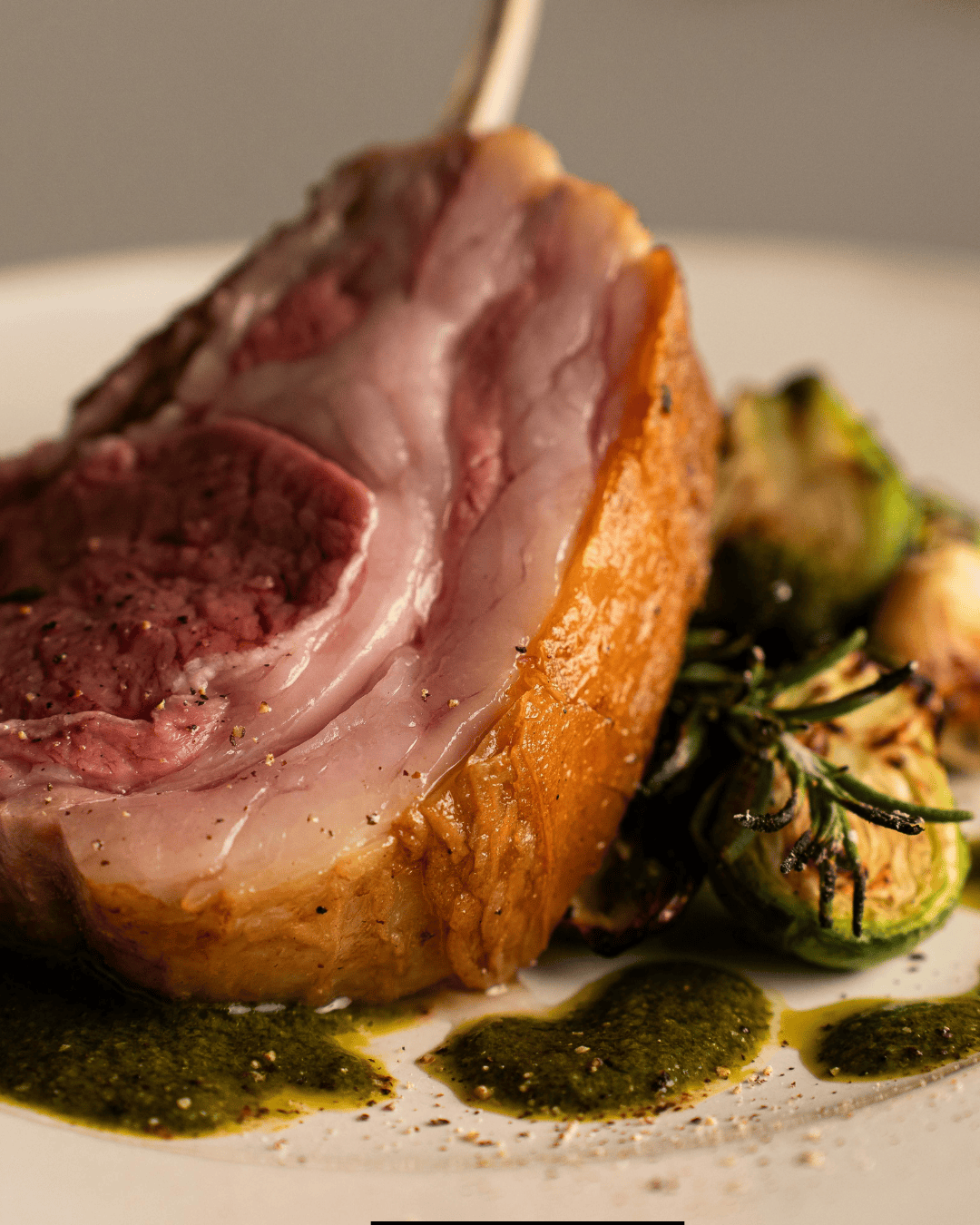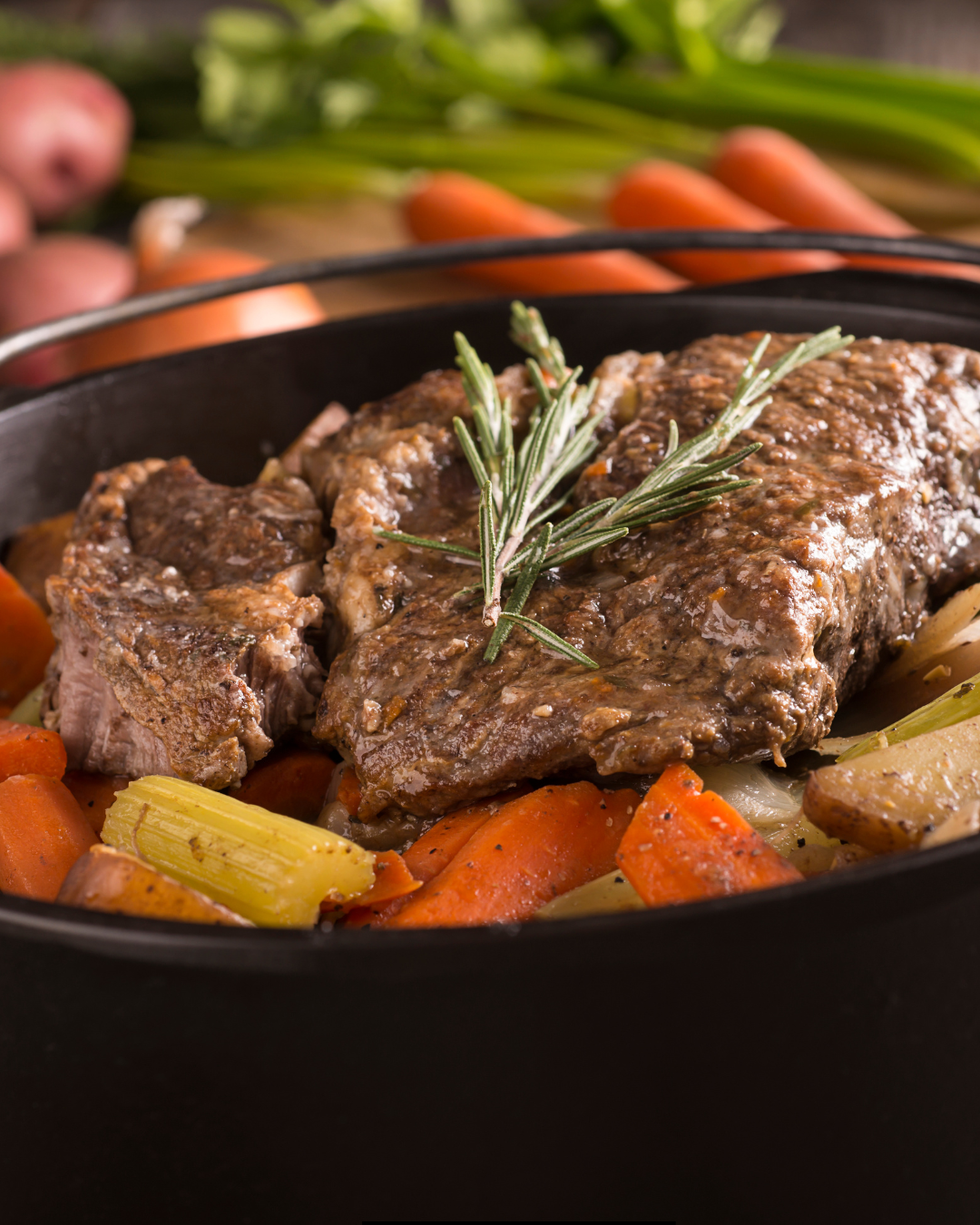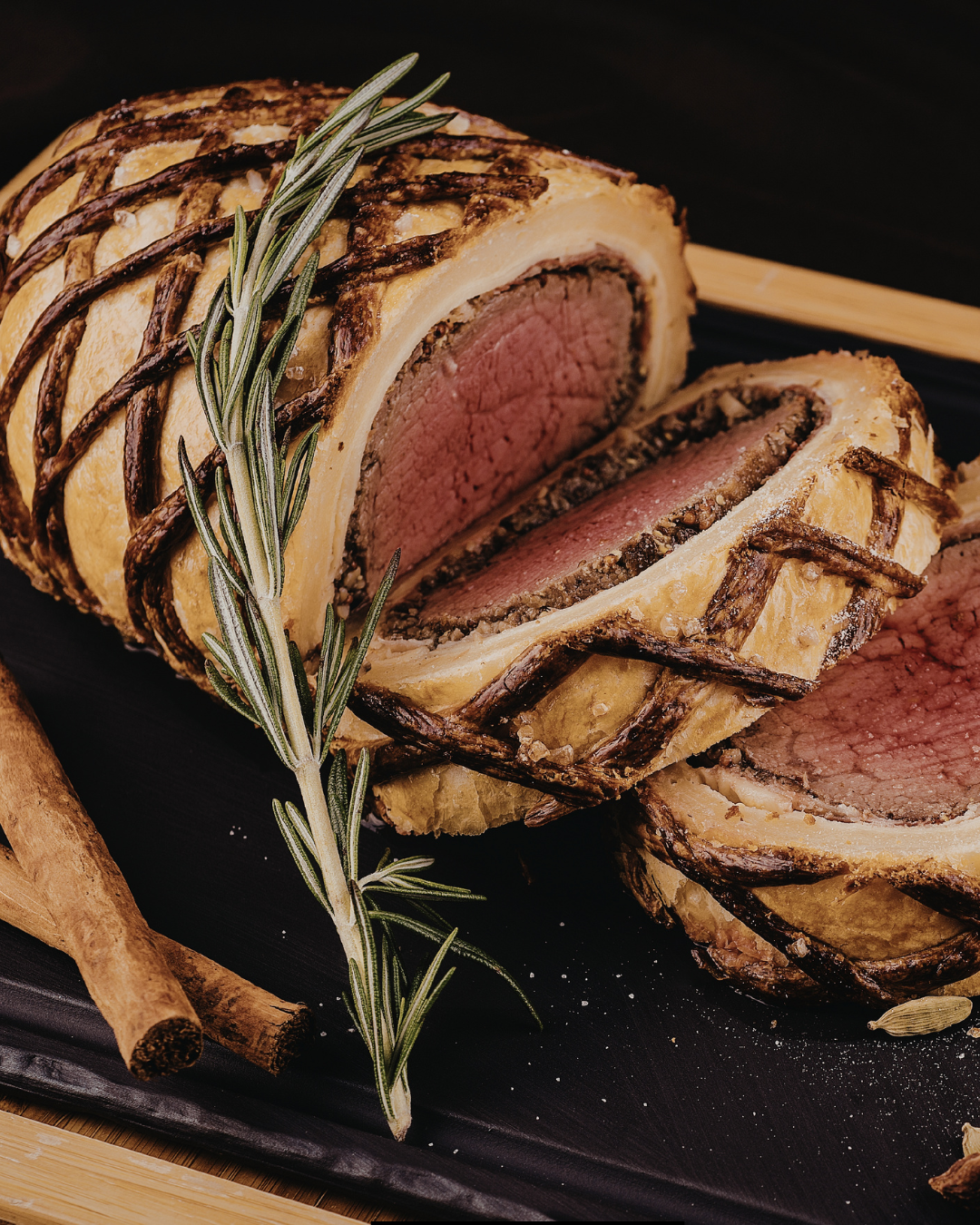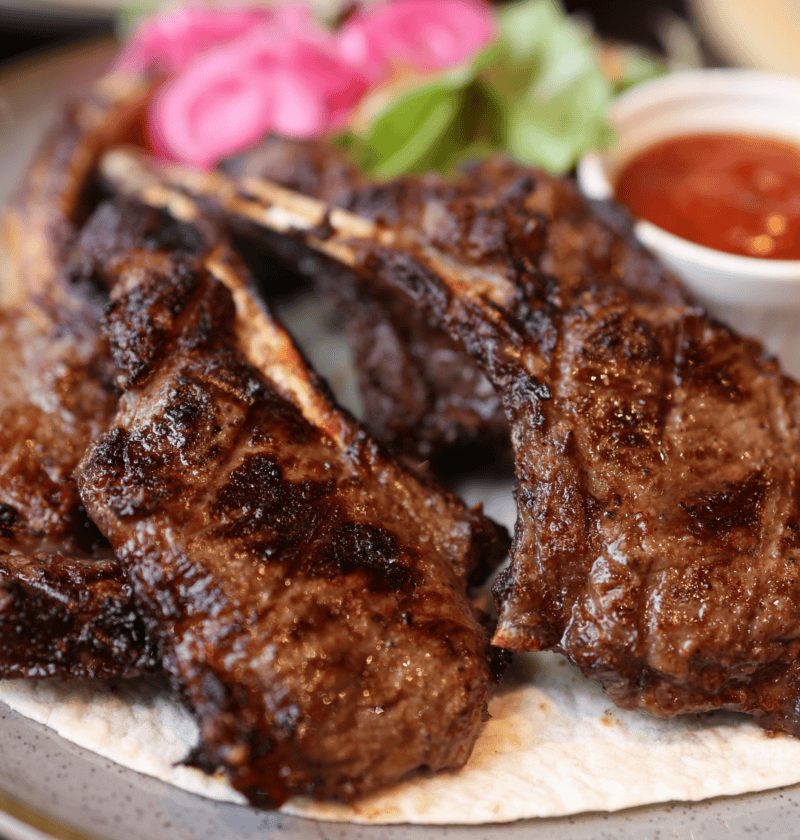
There are certain dishes you reserve for “special occasions only” – the ones that feel a bit theatrical, a bit luxurious, and guaranteed to impress absolutely anyone who walks through your door. A Gordon Ramsay lamb leg is one of those dishes.
I’ll walk you through a Gordon Ramsay-inspired lamb leg recipe that focuses on bold flavor, simple techniques, and a show-stopping result. We’ll cover how to get that perfect golden crust, season the meat so every slice is packed with flavor, and avoid the common mistake that turns lamb from tender and juicy to dry and disappointing.
How to make Gordon Ramsay Lamb Leg
Gordon Ramsay Lamb Leg is a tender cut of sheep meat from the hind leg, usually seasoned with herbs and spices and roasted until cooked.
Ingredients:
For the Lamb Leg:
- 1 whole leg of lamb (bone-in or boneless; approx. 4-5 pounds)
- 4-5 cloves of garlic, minced or sliced thinly
- 2-3 sprigs of fresh rosemary
- 2-3 sprigs of fresh thyme
- Zest of 1 lemon
- 2-3 tablespoons olive oil
- 1 teaspoon smoked paprika (optional for extra flavor)
- Kosher salt and freshly ground black pepper (to taste)
For the Vegetables (Optional Side):
- 2 large carrots, peeled and roughly chopped
- 1-2 large red onions, quartered
- 4-5 potatoes, cut into chunks
- 1 bulb of garlic, halved horizontally (optional for roasting)
- 2 tablespoons olive oil (for drizzling)
- Fresh sprigs of thyme and rosemary (optional, for extra aroma)
For the Gravy (Optional):
- Lamb drippings (from the roasting pan)
- 1 cup red wine or lamb stock
- 1 teaspoon Dijon mustard
- 1 tablespoon flour (to thicken)
Instructions
1. Preheat your oven.
- Preheat your oven to 375°F (190°C). This temperature roasts the lamb leg evenly without drying it out.
2. Prepare the lamb leg.
- Score the lamb: Using a sharp knife, make shallow diagonal cuts (about 1 inch apart) across the fat layer of the lamb. This lets the seasoning penetrate deeper into the meat.
- Season generously: Rub the entire lamb leg with a mixture of salt, pepper, and smoked paprika (optional). Don’t be shy with the seasoning!
- Garlic, herb, and olive oil paste: Mix the minced garlic, lemon zest, olive oil, and finely chopped rosemary and thyme. Massage this flavorful paste all over the lamb leg, pushing some into the scored cuts for maximum infusion.
3. Sear the lamb (optional but recommended).
- Heat a large, heavy-bottomed skillet or roasting pan on medium-high heat and add a drizzle of olive oil.
- Sear the lamb leg for 2-3 minutes on each side until it develops a golden-brown crust. This locks in flavor and juices during roasting.
4. Prepare the roasting dish.
- Place the chopped carrots, onions, and potatoes in the base of your roasting dish. Toss them with olive oil, a pinch of salt, and the halved bulb of garlic (cut-side up). Add sprigs of rosemary and thyme for an aromatic base.
5. Roast the lamb leg.
- Position the seared lamb leg on top of the vegetables in the roasting dish.
- Place the dish in the oven and roast for approximately:
- Rare: 20 minutes per pound (internal temp: 125°F / 52°C)
- Medium-rare: 25 minutes per pound (internal temp: 130-135°F / 54-57°C)
- Medium-well: 30 minutes per pound (internal temp: 140-145°F / 60-63°C)
- Use a meat thermometer to check the internal temperature in the thickest part of the meat for precision.
- 6. Rest the lamb.
- Once cooked, remove the lamb from the oven and place it on a cutting board. Cover loosely with aluminum foil and let it rest for 10-15 minutes. This ensures the juices redistribute and creates beautifully tender meat.
7. Prepare the gravy (optional).
- While the lamb is resting, make a quick gravy. Remove the roasted vegetables from the pan and spoon out excess fat, leaving behind the flavorful brown bits and juices.
- Place the pan over medium heat and deglaze with red wine or lamb stock, scraping up the browned bits from the pan.
- Whisk in Dijon mustard and a small amount of flour, cooking until thickened. Strain and serve alongside the lamb.
8. Slice and serve.
- Slice the lamb leg against the grain into serving portions. Serve with the roasted vegetables and drizzle with gravy for a complete meal.
Pro Tips for Success
- Opt for a fresh, high-quality leg of lamb from your butcher for the best flavor and tenderness.
- Before cooking, let the lamb sit out for at least 30 minutes. This helps it cook more evenly.
- Resting the meat is critical. Cutting into it too soon will result in dry meat as all the flavorful juices escape.
- This tool guarantees your lamb is cooked to perfection. It removes the guesswork and ensures the meat is safely cooked without being overdone.
- For additional flavor, you can marinade the lamb overnight with olive oil, lemon, garlic, and herbs like rosemary and thyme.
- You can season the lamb a day in advance and store it covered in the fridge. Let it come to room temperature before cooking.
What to serve with Gordon Ramsay Lamb Leg
Pairing the right drink with lamb enhances the flavors beautifully. Here are some suggestions to elevate your Gordon Ramsay Lamb Leg:
- Red Wine: A bold red wine like a Syrah, Merlot, or Malbec pairs well with the richness of lamb.
- White Wine: If you prefer white wine, a full-bodied Chardonnay can be an excellent choice.
- Beer: A robust ale or dark stout complements roasted lamb perfectly.
- Non-Alcoholic Options: Sparkling water with a slice of lemon or pomegranate juice adds a refreshing contrast.
Ingredients Substitute
If you’re inspired to make Gordon Ramsay lamb leg recipe but lack specific ingredients—or want alternatives—don’t worry! Cooking is all about being flexible and making the best of what’s available.
1. Lamb Leg
Alternative: Boneless Lamb Shoulder, Beef Chuck Roast, or Pork Leg
If lamb is unavailable or not preferred, boneless lamb shoulder is a great swap as it shares similar tenderness and flavor. For a non-lamb option, beef chuck roast or pork leg also work; however, cooking times and flavors will vary slightly.
Cooking Tip: Pork or beef may not have the same gaminess as lamb. Add extra rosemary and garlic to compensate for the flavor difference when substituting.
2. Fresh Rosemary
Alternative: Dried Rosemary or Other Herbs (Thyme, Tarragon, Sage, or Oregano)
Fresh rosemary is essential for its woody, pine-like aroma, but if you don’t have it, dried rosemary will do in a pinch (use half as much dried as fresh). Alternatively, thyme, sage, tarragon, or oregano can mimic its herbal warmth.
Cooking Tip: If using dried herbs, rub them gently between your fingers before adding them to release their oils and enhance their flavor.
3. Fresh Thyme
Alternative: Dried Thyme, Marjoram, or Italian Seasoning Blend
Fresh thyme adds a mild earthiness to the lamb. If you omit it, marjoram or a touch of dried thyme can deliver a similar flavor profile. Italian seasoning blends, though a mix of multiple herbs, are another great option.
4. Garlic
Alternative: Garlic Powder, Garlic Paste, Shallots, or Onion Powder
If fresh garlic isn’t available, use garlic powder or garlic paste as a quick substitute. Shallots or onion powder can also add a mild, savory edge.
Ratio: 1 garlic clove ≈ 1/2 teaspoon garlic powder or paste.
Cooking Tip: For depth, sauté garlic powder or paste slightly in olive oil before rubbing it on the lamb.
5. Lemon Zest
Alternative: Lime Zest, Orange Zest, or a Splash of Vinegar
Lemon zest adds a burst of freshness to the lamb. Lime zest or orange zest can deliver a similar citrusy brightness, though lime will be sharper and orange sweeter. If you don’t have citrus fruit on hand, a splash of vinegar (like white wine vinegar or apple cider vinegar) can mimic the tang.
Final Thoughts
Gordon Ramsay lamb leg is all about simplicity, bold flavors, and precise techniques. When prepared with care, this dish transforms into a stunning centerpiece for family dinners, Sunday roasts, or special occasions.
More Lamb Recipes:
- Gordon Ramsay Venison Loin Recipe
- Gordon Ramsay Surf and Turf Recipe
- Gordon Ramsay Roast Beef Recipe
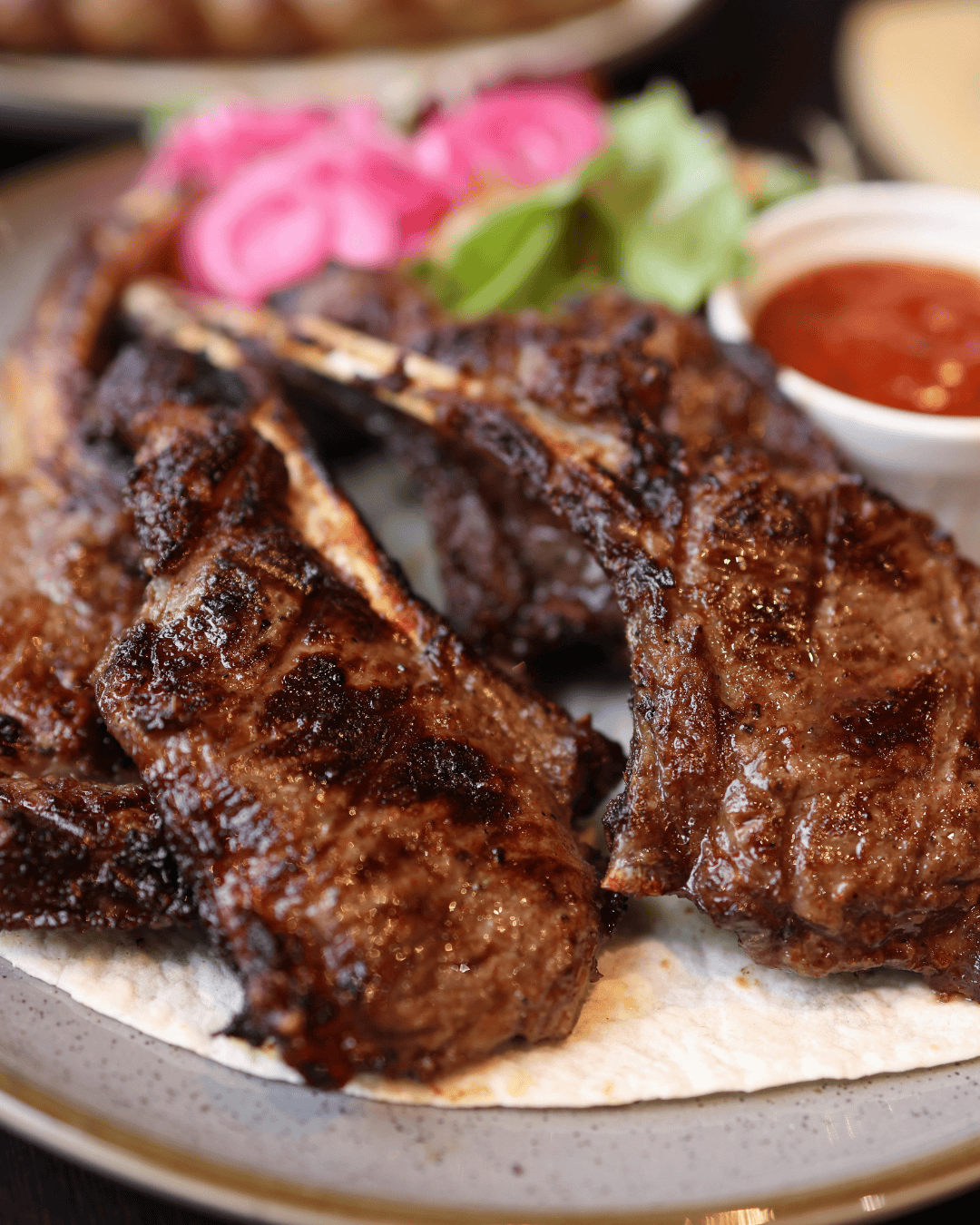
Ingredients
For the Lamb Leg:
- 1 whole leg of lamb (bone-in or boneless; approx. 4-5 pounds)
- 4-5 cloves of garlic, minced or sliced thinly
- 2-3 sprigs of fresh rosemary
- 2-3 sprigs of fresh thyme
- Zest of 1 lemon
- 2-3 tablespoons olive oil
- 1 teaspoon smoked paprika
- Kosher salt and freshly ground black pepper (to taste)
For the Vegetables (Optional Side):
- 2 large carrots, peeled and roughly chopped
- 1-2 large red onions, quartered
- 4-5 potatoes, cut into chunks
- 1 bulb of garlic, halved horizontally
- 2 tablespoons olive oil (for drizzling)
- Fresh sprigs of thyme and rosemary
For the Gravy (Optional):
- Lamb drippings (from the roasting pan)
- 1 cup red wine or lamb stock
- 1 teaspoon Dijon mustard
- 1 tablespoon flour (to thicken)
Instructions
1. Preheat your oven.
- Preheat your oven to 375°F (190°C). This temperature roasts the lamb leg evenly without drying it out.
2. Prepare the lamb leg.
- Score the lamb: Using a sharp knife, make shallow diagonal cuts (about 1 inch apart) across the fat layer of the lamb. This lets the seasoning penetrate deeper into the meat.
- Season generously: Rub the entire lamb leg with a mixture of salt, pepper, and smoked paprika (optional). Don't be shy with the seasoning!
- Garlic, herb, and olive oil paste: Mix the minced garlic, lemon zest, olive oil, and finely chopped rosemary and thyme. Massage this flavorful paste all over the lamb leg, pushing some into the scored cuts for maximum infusion.
3. Sear the lamb (optional but recommended).
- Heat a large, heavy-bottomed skillet or roasting pan on medium-high heat and add a drizzle of olive oil.
- Sear the lamb leg for 2-3 minutes on each side until it develops a golden-brown crust. This locks in flavor and juices during roasting.
4. Prepare the roasting dish.
- Place the chopped carrots, onions, and potatoes in the base of your roasting dish. Toss them with olive oil, a pinch of salt, and the halved bulb of garlic (cut-side up). Add sprigs of rosemary and thyme for an aromatic base.
5. Roast the lamb leg.
- Position the seared lamb leg on top of the vegetables in the roasting dish.
- Place the dish in the oven and roast for approximately:
- Rare: 20 minutes per pound (internal temp: 125°F / 52°C)
- Medium-rare: 25 minutes per pound (internal temp: 130-135°F / 54-57°C)
- Medium-well: 30 minutes per pound (internal temp: 140-145°F / 60-63°C)
- Use a meat thermometer to check the internal temperature in the thickest part of the meat for precision.
- 6. Rest the lamb.
- Once cooked, remove the lamb from the oven and place it on a cutting board. Cover loosely with aluminum foil and let it rest for 10-15 minutes. This ensures the juices redistribute and creates beautifully tender meat.
7. Prepare the gravy (optional).
- While the lamb is resting, make a quick gravy. Remove the roasted vegetables from the pan and spoon out excess fat, leaving behind the flavorful brown bits and juices.
- Place the pan over medium heat and deglaze with red wine or lamb stock, scraping up the browned bits from the pan.
- Whisk in Dijon mustard and a small amount of flour, cooking until thickened. Strain and serve alongside the lamb.
8. Slice and serve.
- Slice the lamb leg against the grain into serving portions. Serve with the roasted vegetables and drizzle with gravy for a complete meal.
Discover more from Gordon Ramsay Dish
Subscribe to get the latest posts sent to your email.