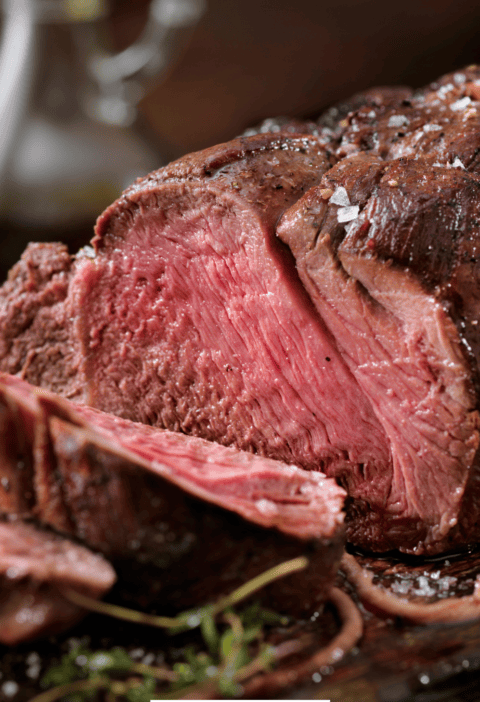
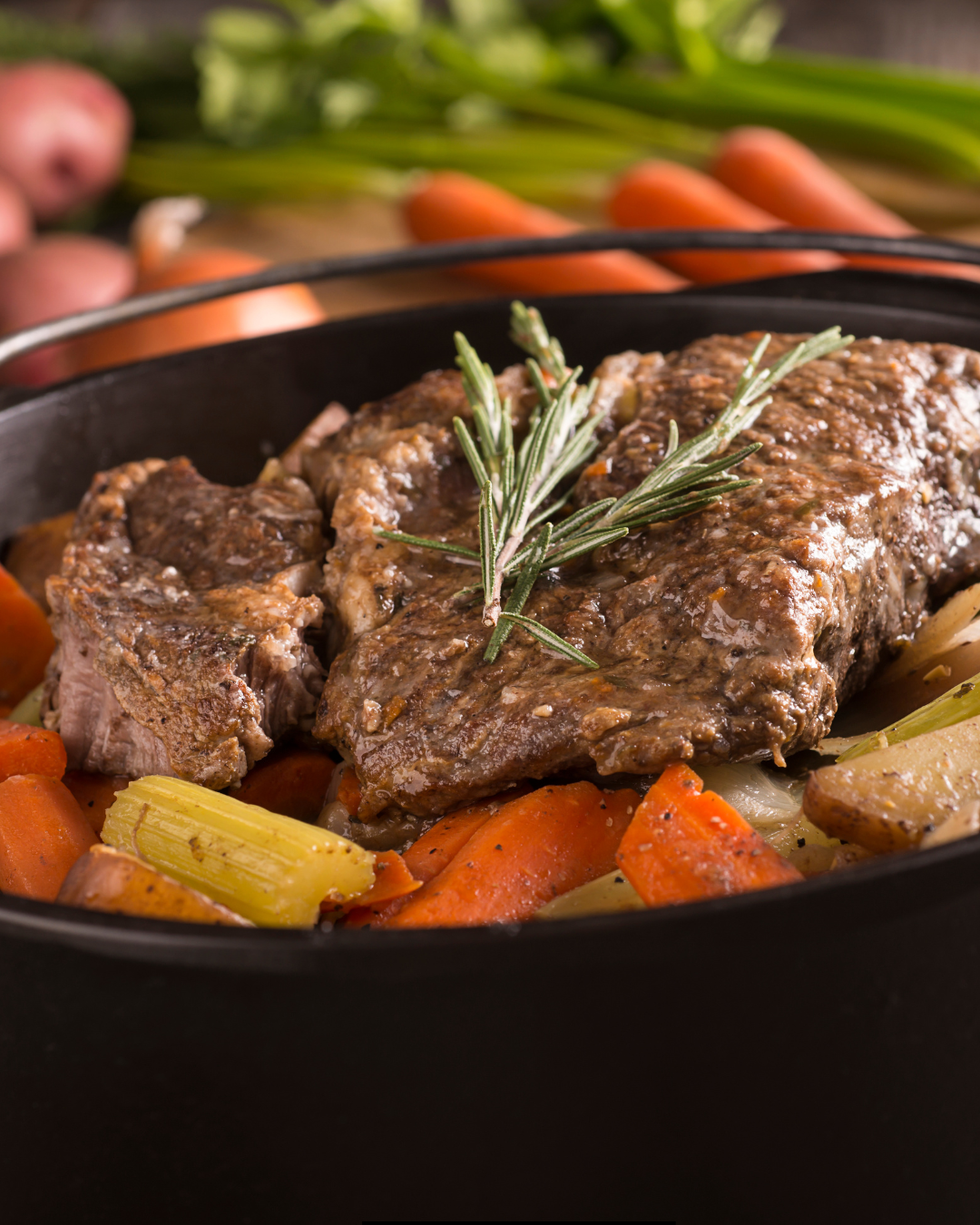
I still remember the first time I attempted one of Gordon Ramsay beef fillet recipes in my own kitchen—intimidation quickly gave way to excitement as I followed each precise step. The aroma of searing beef filled the air, and as I plated the final masterpiece, I finally understood why this cut of meat is considered the crown jewel of fine dining. If you’re reading this, chances are you’re ready to take on the challenge yourself, and trust me—you won’t regret it.
Chef Ramsay has created countless iconic dishes—but his beef fillet recipes are in a league of their own.
How to make Gordon Ramsay Beef Fillet
Gordon Ramsay beef fillet is a tender cut of beef, usually beef tenderloin or filet mignon, cooked using Gordon Ramsay’s style of seasoning, searing, and butter-basting with herbs and garlic.
Ingredients
For the Beef Fillet:
- 4 beef fillets (about 6–8 oz each)
- Salt and freshly ground black pepper to season
- 2 tbsp olive oil (or grapeseed oil for high heat)
- 2 tbsp unsalted butter
- 2 sprigs fresh rosemary
- 4 garlic cloves, smashed
For the Red Wine Sauce:
- 1 tbsp olive oil
- 1 small shallot, finely chopped
- 2 garlic cloves, minced
- 250ml (1 cup) red wine (use a good quality wine you’d enjoy drinking)
- 1 cup beef stock
- 2 tsp sugar (to balance the acidity of the wine)
- 1 tbsp balsamic vinegar (optional, for added depth)
- 1 tbsp cold butter (for finishing the sauce)
For Garnishes and Side Options:
- Mashed potatoes, roasted vegetables, or asparagus to serve alongside.
- Fresh herbs like parsley for garnishing.
Instructions
Now let’s turn those amazing ingredients into a stunning dish!
1. Prepare the Beef Fillet
- Season the Beef Fillets: Remove the fillets from the fridge 30 minutes before cooking to bring them to room temperature. Pat them dry with a paper towel and generously season both sides with salt and freshly cracked black pepper. The salt will help bring out the flavor of the beef and form a delicious crust when cooked.
- Preheat the Pan: Heat a heavy-bottomed skillet (like cast iron) over medium-high heat. Add 2 tablespoons of olive oil and let it heat until it’s shimmering but not smoking.
- Sear the Fillets: Place the fillets in the pan. Sear each side for about 2 minutes until a golden-brown crust forms. Don’t move the steaks while they’re searing to ensure they develop a deep caramelization.
- Add Aromatics and Butter: Lower the heat slightly and add butter, smashed garlic cloves, and sprigs of rosemary to the skillet. Allow the butter to melt and baste the beef by tilting the skillet and spooning the melted butter over the fillets as they continue to cook for another 1–2 minutes per side.
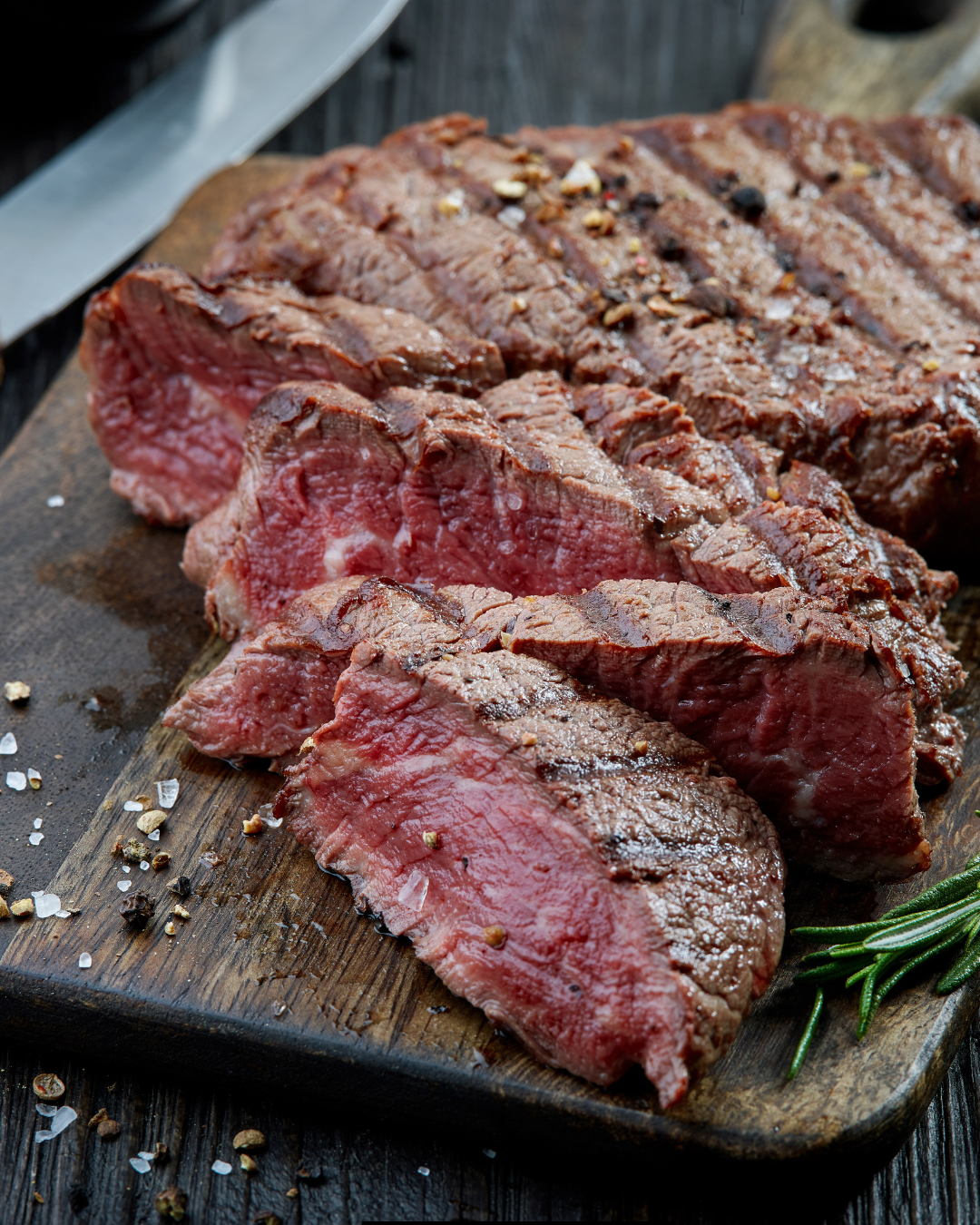
- Check for Doneness: Use a meat thermometer to check the internal temperature of the fillets:
- Rare: 120–125°F (49–52°C)
- Medium-rare: 130–135°F (54–57°C)
- Medium: 140–145°F (60–63°C)
- Transfer the fillets to a plate, cover with foil, and let them rest for 5–7 minutes while you prepare the sauce.
2. Prepare the Red Wine Sauce
- Sauté the Aromatics: In the same skillet (don’t wash it—you want those browned bits!), add 1 tablespoon of olive oil. Sauté the finely chopped shallot and minced garlic until softened and fragrant, about 2 minutes.
- Deglaze with Red Wine: Pour in the red wine, scraping up any browned bits from the bottom of the pan to add flavor to the sauce. Let the wine simmer for 5–7 minutes, reducing by half.
- Add the Stock and Balance Flavors: Stir in the beef stock, sugar, and balsamic vinegar (optional). Allow the mixture to simmer gently for another 5–7 minutes, until the sauce thickens slightly.
- Finish the Sauce: Once the sauce has reduced and developed flavor, stir in 1 tablespoon of cold butter to give it a glossy finish. Strain the sauce through a fine-mesh sieve if you prefer a smooth, elegant texture.
3. Plate the Dish
- Place a serving of mashed potatoes, roasted vegetables, or asparagus on each plate.
- Arrange the seared and rested beef fillet on top or next to the garnish.
- Pour the red wine sauce over the beef or drizzle it artistically around the plate.
- Sprinkle some fresh parsley or thyme as a final touch.
Pro Tips for a Successful Gordon Ramsay beef fillet
- Use High-Quality Beef: Go for USDA Prime/Choice or a trusted butcher for the best beef fillet. The quality of the meat makes all the difference.
- Room Temperature is Key: Always let the beef rest at room temperature for at least 30 minutes before cooking to ensure even cooking.
- Don’t Overcrowd the Pan: Cook the fillets in batches if necessary to avoid steaming them; overcrowding the pan will reduce caramelization.
- Invest in a Meat Thermometer: This eliminates any guesswork when cooking your fillets perfectly.
- Reduce the Sauce Slowly: Don’t rush the reduction process; lower heat helps concentrate the flavors without burning.
Ingredients Substitutes
Creating Gordon Ramsay beef fillet dish is an exciting journey, but sometimes you might not have every ingredient on hand or need alternatives to suit dietary restrictions, budget considerations, or personal taste. The good news is that many ingredients in this recipe can be substituted without compromising flavor or quality.
1. Substituting the Beef Fillet
The beef fillet (or tenderloin) is a premium cut known for its tenderness, but it can be expensive or unavailable. If you’re looking for a substitution, consider the following options:
Alternatives:
- Ribeye Steak: Ribeye has more marbling, giving it a richer and juicier flavor. It can hold up well to pan-searing or grilling.
- Sirloin Steak: A slightly leaner alternative that’s still tender and flavorful, making it a great value option.
- Flat Iron Steak: More affordable, with a deep beefy flavor. When cooked medium-rare, it’s nearly as tender as beef fillet.
- Pork Tenderloin: If you don’t eat beef or prefer a milder flavor, pork tenderloin is an excellent alternative.
- Veal Fillet: A tender, lean cut of veal that is similar in texture but with a milder flavor.
2. Substituting Red Wine (for the Sauce)
Red wine is essential for the sauce, adding depth and richness. However, if you don’t want to use alcohol or don’t have red wine on hand, there are great alternatives.
Alcohol-Free Alternatives:
- Beef Stock with a Splash of Vinegar: Simulate the acidic pop of wine by adding 1–2 tablespoons of red wine vinegar or balsamic vinegar to 1 cup of beef stock.
- Pomegranate Juice or Cranberry Juice: These juices have a rich color and provide a similar acidity. They’re slightly sweeter, so use moderately.
- Unsweetened Grape Juice: A non-alcoholic solution that mimics the flavor profile of wine nicely.
Other Alcoholic Substitutes:
- Marsala Wine: Slightly sweeter but works well as a replacement.
- Port Wine or Sherry: For a deeper, more caramelized flavor, these fortified wines are excellent alternatives.
3. Substituting Beef Stock (for the Sauce)
Beef stock is used in the Gordon Ramsay beef fillet recipe to enhance the savory and umami flavors in the sauce, but you can easily substitute it if needed.
Alternatives:
- Vegetable Stock: Works well for vegetarians or if you’re out of beef stock. Add a dash of soy sauce for additional umami depth.
- Chicken Stock: Although lighter than beef stock, it still adds a savory background to the sauce.
- Mushroom Stock: A great option for vegetarian diets, especially if you’re using mushrooms elsewhere in the Gordon Ramsay beef fillet. It mimics the meaty, earthy taste of beef stock.
4. Substituting Butter
Butter is used to add richness and a smooth finish to both the beef and the sauce. If you’re avoiding butter due to dietary restrictions, these options work as substitutes.
Alternatives:
- Ghee or Clarified Butter: Offers a similar rich flavor while being free of milk solids.
- Olive Oil: A healthier option that still provides silkiness to the sauce (although it lacks the creamy butter flavor).
- Coconut Oil: A good option if you’re dairy-free, but it will add a subtle coconut flavor, so use sparingly and avoid for traditional recipes like this one.
5. Substituting Shallots (for the Sauce)
Shallots are used in the red wine sauce for their sweet, mild onion-like flavor as a base for the sauce’s aromatics.
Alternatives:
- Yellow Onion: Use a finely chopped yellow onion if you don’t have shallots. The flavor will be a little sharper, so sauté it longer to mellow it out.
- Red Onion: A slightly sweeter, less pungent alternative.
- Scallions (White Part Only): Mild and delicate, scallions can work in place of shallots.
6. Substituting the Herbs (Rosemary and Thyme)
These fresh, earthy herbs play a vital role in enhancing the beef’s flavor. If you run out or need alternatives, try these options:
Alternatives:
- Dried Herbs: Use 1 teaspoon of dried rosemary or thyme for every tablespoon of fresh.
- Sage or Oregano: These herbs work well and provide a similar woody, earthy aroma.
- Herbes de Provence: A blend of Mediterranean herbs that includes rosemary and thyme—it can impart a bold herbaceous flavor.
- Italian Seasoning: Another mix of herbs (typically oregano, basil, thyme, and marjoram) that can work as a substitute.
Final Thoughts
There you have it—an elegant and flavorful Gordon Ramsay beef fillet dish that’s sure to impress!
More Beef Recipes:
Ingredients
For the Beef Fillet:
- 4 beef fillets (about 6–8 oz each)
- Salt and freshly ground black pepper to season
- 2 tbsp olive oil (or grapeseed oil for high heat)
- 2 tbsp unsalted butter
- 2 sprigs fresh rosemary
- 4 garlic cloves, smashed
For the Red Wine Sauce:
- 1 tbsp olive oil
- 1 small shallot, finely chopped
- 2 garlic cloves, minced
- 250ml (1 cup) red wine
- 1 cup beef stock
- 2 tsp sugar (to balance the acidity of the wine)
- 1 tbsp balsamic vinegar (optional, for added depth)
- 1 tbsp cold butter (for finishing the sauce)
For Garnishes and Side Options:
- Mashed potatoes
- Fresh herbs like parsley for garnishing.
Instructions
1. Prepare the Beef Fillet
- Season the Beef Fillets: Remove the fillets from the fridge 30 minutes before cooking to bring them to room temperature. Pat them dry with a paper towel and generously season both sides with salt and freshly cracked black pepper. The salt will help bring out the flavor of the beef and form a delicious crust when cooked.
- Preheat the Pan: Heat a heavy-bottomed skillet (like cast iron) over medium-high heat. Add 2 tablespoons of olive oil and let it heat until it’s shimmering but not smoking.
- Sear the Fillets: Place the fillets in the pan. Sear each side for about 2 minutes until a golden-brown crust forms. Don’t move the steaks while they’re searing to ensure they develop a deep caramelization.
- Add Aromatics and Butter: Lower the heat slightly and add butter, smashed garlic cloves, and sprigs of rosemary to the skillet. Allow the butter to melt and baste the beef by tilting the skillet and spooning the melted butter over the fillets as they continue to cook for another 1–2 minutes per side.
- Check for Doneness: Use a meat thermometer to check the internal temperature of the fillets:
- Rare: 120–125°F (49–52°C)
- Medium-rare: 130–135°F (54–57°C)
- Medium: 140–145°F (60–63°C)
- Transfer the fillets to a plate, cover with foil, and let them rest for 5–7 minutes while you prepare the sauce.
2. Prepare the Red Wine Sauce
- Sauté the Aromatics: In the same skillet (don’t wash it—you want those browned bits!), add 1 tablespoon of olive oil. Sauté the finely chopped shallot and minced garlic until softened and fragrant, about 2 minutes.
- Deglaze with Red Wine: Pour in the red wine, scraping up any browned bits from the bottom of the pan to add flavor to the sauce. Let the wine simmer for 5–7 minutes, reducing by half.
- Add the Stock and Balance Flavors: Stir in the beef stock, sugar, and balsamic vinegar (optional). Allow the mixture to simmer gently for another 5–7 minutes, until the sauce thickens slightly.
- Finish the Sauce: Once the sauce has reduced and developed flavor, stir in 1 tablespoon of cold butter to give it a glossy finish. Strain the sauce through a fine-mesh sieve if you prefer a smooth, elegant texture.
3. Plate the Dish
- Place a serving of mashed potatoes, roasted vegetables, or asparagus on each plate.
- Arrange the seared and rested beef fillet on top or next to the garnish.
- Pour the red wine sauce over the beef or drizzle it artistically around the plate.
- Sprinkle some fresh parsley or thyme as a final touch.
Discover more from Gordon Ramsay Dish
Subscribe to get the latest posts sent to your email.