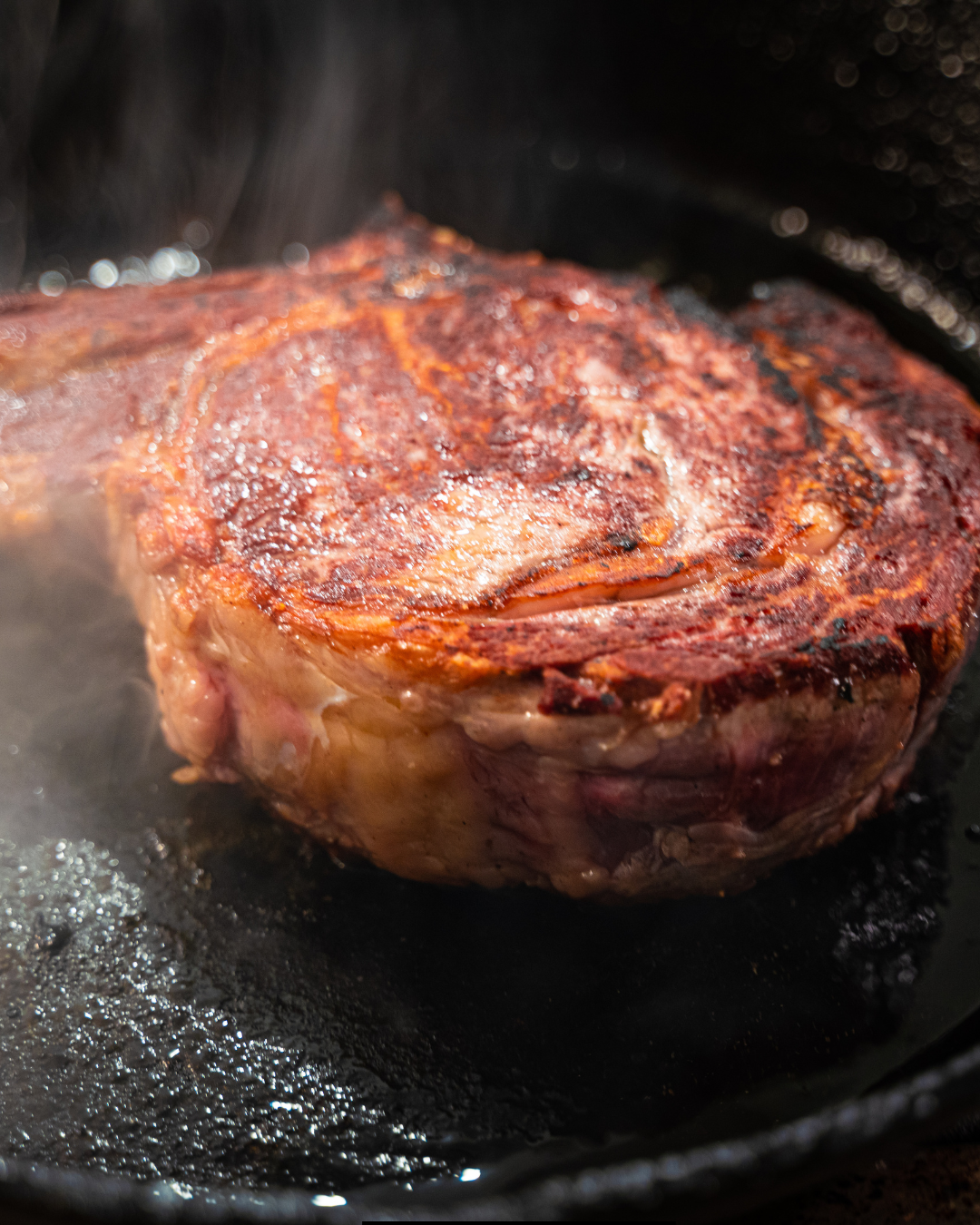
I’m sharing my experience recreating Gordon Ramsay sirloin steak recipe—a dish that’s surprisingly approachable yet feels like something straight out of a Michelin-starred restaurant.
Known for his fiery passion in the kitchen and his obsession with perfection, Ramsay has inspired home cooks and professional chefs alike to elevate their cooking skills. Among his many signature dishes, the sirloin steak stands out as a classic that perfectly embodies his approach: simplicity, precision, and bold flavors.
How to make Gordon Ramsay Sirloin Steak
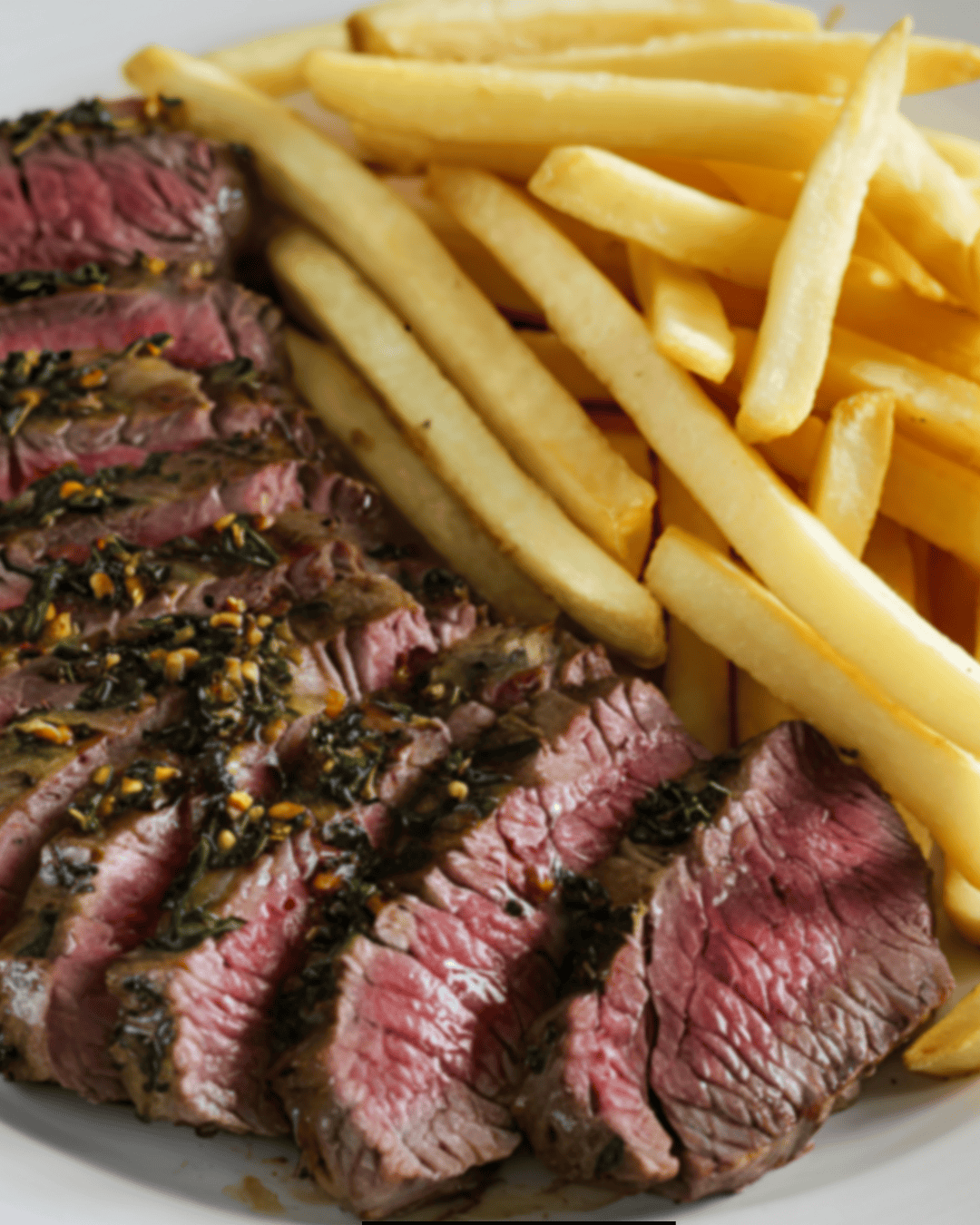
Gordon Ramsay Sirloin Steak is a sirloin beef steak prepared using the signature cooking style of Gordon Ramsay. It is typically seasoned simply with salt and black pepper, seared over high heat to develop a golden-brown crust, and finished by basting with butter, garlic, and fresh herbs such as thyme or rosemary.
Ingredients
- Sirloin steak – 8-12 oz, about 1 inch thick (preferably dry-aged or prime-grade for better flavor).
- Kosher salt – To properly draw out the steak’s flavor.
- Freshly ground black pepper – To complement the salt and enhance the seasoning.
- Light olive oil: For searing; any neutral oil with a high smoke point can be used.
- Butter – About 1–2 tablespoons, to baste and add richness.
- Garlic cloves – 2–3 cloves crushed (skin-on is fine) for aromatic flavor.
- Fresh thyme or rosemary – A few sprigs for herbal infusion.
Optional Side Dish Ingredients:
Gordon Ramsay often pairs a steak with:
- Mashed potatoes: Creamy, buttery mashed potatoes bring balance to the dish.
- Sautéed mushrooms or asparagus – Adds earthy notes and texture.
- Pan sauce (optional) – Use drippings from the pan, red wine, and beef stock for an elegant steak sauce.
Instructions
Follow these steps to recreate Gordon Ramsay sirloin steak:
1. Prepare the Steak: Take the sirloin steak out of the refrigerator and let it come to room temperature (about 30–40 minutes). This ensures even cooking and prevents a cold center. Season generously on both sides with kosher salt and freshly ground black pepper.
2. Heat the Pan: Place a heavy skillet, such as a cast iron pan, over medium-high heat. Once the pan is hot, add a drizzle of olive oil (just enough to lightly coat the bottom).
3. Sear the Steak: Lay the steak gently into the hot pan to avoid splattering oil. Do not overcrowd; cook one steak at a time if your pan is small. Sear the steak for 2–3 minutes on one side without moving it. This will develop a rich golden-brown crust. Flip and sear the other side for another 2–3 minutes.
4. Add Aromatics and Butter: After the steak is seared on both sides, reduce the heat to medium. Add a knob of butter (about 1–2 tablespoons), crushed garlic cloves, and fresh thyme or rosemary sprigs into the pan. As the butter melts, tilt the pan slightly and use a spoon to baste the steak with the flavored butter. This keeps the steak moist and enhances its flavor.
5. Check Doneness:
Use a meat thermometer to check the steak’s internal temperature:
- Rare: 120–125°F (49–52°C)
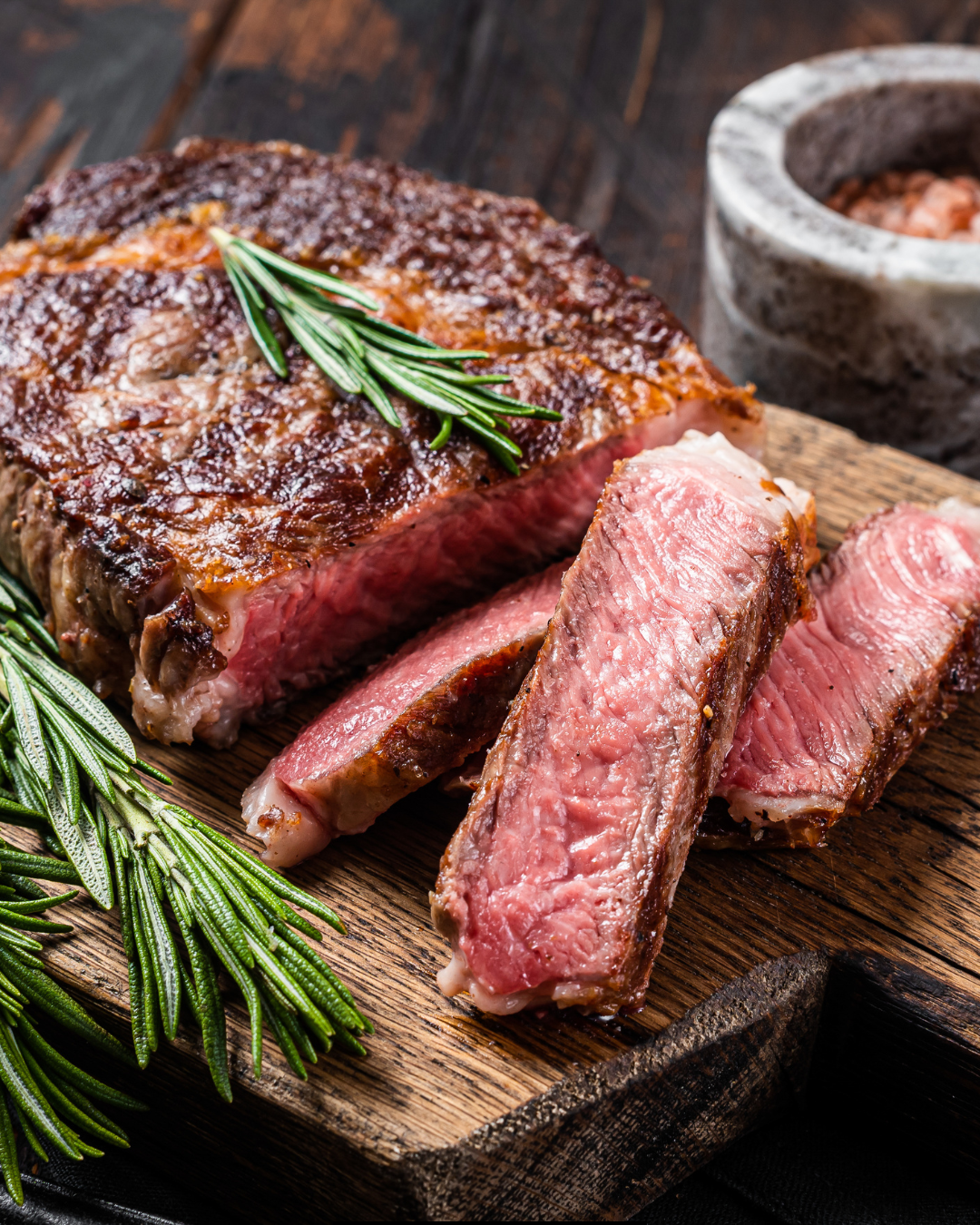
- Medium-rare: 130–135°F (54–57°C) (recommended by Ramsay)
- Medium: 140–145°F (60–63°C)
If the steak hasn’t reached your desired doneness, lower the heat and cook for an additional minute or two, flipping occasionally.
6. Rest the Steak: Remove the steak from the pan and place it on a plate. Cover loosely with foil and let it rest for 5 minutes. Resting allows the juices to redistribute, making the steak tender and juicy.
7. Serve: Slice the steak against the grain (perpendicular to the muscle fibers) for optimal tenderness, and serve with your chosen sides, such as sautéed vegetables or mashed potatoes.
Tips for Perfecting Gordon Ramsay Sirloin Steak
To make this dish truly outstanding, keep the following tips in mind:
- Choosing a well-marbled sirloin steak (prime or choice grade) will make a huge difference in flavor and tenderness.
- Ensure space in the skillet so the steak sears properly and doesn’t steam.
- Let the steak develop a crust before flipping. Flipping too often may result in uneven cooking.
- Achieving the perfect doneness requires a meat thermometer. Never guess!
- Fresh aromatics, like garlic and thyme, paired with butter give the steak depth and richness.
- Skipping resting time will cause the juices to be lost when slicing the steak, leaving it dry.
Ingredients substitutes
While Gordon Ramsay emphasizes fresh, high-quality ingredients in his recipes, you might not always have everything on hand. Or perhaps you have specific dietary needs or preferences.
1. Sirloin Steak Substitutes
The sirloin steak is the star of the Gordon Ramsay Sirloin Steak, but if this specific cut isn’t available, consider the following alternatives based on flavor, tenderness, and cooking method:
Substitute Options:
- Ribeye Steak: Ribeye is fattier and more marbled than sirloin, making it juicier and more flavorful. It’s an excellent substitute if you’re looking for a decadent steak experience.
- Strip Steak (New York Strip): This cut is leaner than ribeye but similarly tender. It has a rich, beefy flavor and cooks beautifully using the same method.
- Filet Mignon (Tenderloin): If you prefer a more tender and lean steak, filet mignon is a great option. However, it lacks the intense flavor of sirloin and may need more seasoning or basting.
- Flank Steak or Skirt Steak: These cuts are thinner and tougher but very flavorful. To match the tenderness of sirloin, marinate these cuts beforehand and slice against the grain after cooking.
- Plant-Based Steak Alternatives: For a vegetarian or vegan option, you can use plant-based steak products (like Beyond or Impossible “steak”), or thick portobello mushroom caps, which mimic the texture and shape of steak.
2. Butter Substitutes
Butter is used to baste the steak and add richness to the flavor. If you don’t have butter or prefer a dairy-free alternative, try these:
Substitute Options:
- Plant-Based or Vegan Butter: These alternatives provide similar richness and creaminess, perfect for basting. Look for versions made from cashew, coconut, or olive oil.
- Ghee (Clarified Butter): Ghee lends the same richness as butter and is a great option for those who are lactose intolerant.
- Olive Oil (or a Neutral Oil): Olive oil can be used for both basting and sautéing. While it doesn’t offer the same creamy richness, it complements the aromatics and steak well.
- Coconut Oil (Unflavored): Coconut oil is a neutral, high-smoke-point fat that works for basting. Be sure to choose unflavored versions to avoid interfering with the steak’s flavor.
3. Light Olive Oil Substitutes
Olive oil is used for searing the steak due to its relatively high smoke point and mild flavor. If you don’t have olive oil, other oils can work just as effectively:
Substitute Options:
- Canola Oil: Neutral and affordable, this oil has a high smoke point and won’t overpower the flavors of the steak.
- Avocado Oil: A healthy alternative with a very high smoke point, avocado oil is perfect for searing steak.
- Grapeseed Oil: With its neutral taste and smoke point, this oil is another viable option.
- Vegetable Oil: While not as healthy, vegetable oil is a common substitute for cooking and searing.
4. Herbal Aromatics Substitutes: Thyme and Rosemary
Fresh thyme or rosemary sprigs are key aromatics in Gordon Ramsay’s sirloin steak recipe, infusing the butter with earthy, herbal notes. If you don’t have them, there are plenty of alternatives:
Substitute Options:
- Dried Thyme or Rosemary: Dried versions of thyme or rosemary can work in a pinch. Use sparingly, as dried herbs are more concentrated in flavor.
- Oregano or Marjoram: Both herbs have a slightly similar earthy profile and can be used as substitutes.
- Fresh Parsley: While parsley has a milder flavor, it adds a fresh brightness to the basting butter.
- Sage or Tarragon: These herbs provide a unique, aromatic flavor that pairs well with steak.
Final Thoughts
No matter the ingredient, thoughtful substitutions can help you recreate Gordon Ramsay sirloin steak recipe without a hitch.
More Steak Recipes:
Ingredients
- Sirloin steak – 8-12 oz
- Kosher salt
- Freshly ground black pepper
- Light olive oil: For searing
- Butter – About 1–2 tablespoons, to baste and add richness.
- Garlic cloves – 2–3 cloves crushed (skin-on is fine) for aromatic flavor.
- Fresh thyme or rosemary
Instructions
1. Prepare the Steak: Take the sirloin steak out of the refrigerator and let it come to room temperature (about 30–40 minutes). This ensures even cooking and prevents a cold center. Season generously on both sides with kosher salt and freshly ground black pepper.
2. Heat the Pan: Place a heavy skillet, such as a cast iron pan, over medium-high heat. Once the pan is hot, add a drizzle of olive oil (just enough to lightly coat the bottom).
3. Sear the Steak: Lay the steak gently into the hot pan to avoid splattering oil. Do not overcrowd; cook one steak at a time if your pan is small. Sear the steak for 2–3 minutes on one side without moving it. This will develop a rich golden-brown crust. Flip and sear the other side for another 2–3 minutes.
4. Add Aromatics and Butter: After the steak is seared on both sides, reduce the heat to medium. Add a knob of butter (about 1–2 tablespoons), crushed garlic cloves, and fresh thyme or rosemary sprigs into the pan. As the butter melts, tilt the pan slightly and use a spoon to baste the steak with the flavored butter. This keeps the steak moist and enhances its flavor.
5. Check Doneness:
Use a meat thermometer to check the steak’s internal temperature:
- Rare: 120–125°F (49–52°C)
- Medium-rare: 130–135°F (54–57°C) (recommended by Ramsay)
- Medium: 140–145°F (60–63°C)
If the steak hasn’t reached your desired doneness, lower the heat and cook for an additional minute or two, flipping occasionally.
6. Rest the Steak: Remove the steak from the pan and place it on a plate. Cover loosely with foil and let it rest for 5 minutes. Resting allows the juices to redistribute, making the steak tender and juicy.
7. Serve: Slice the steak against the grain (perpendicular to the muscle fibers) for optimal tenderness, and serve with your chosen sides, such as sautéed vegetables or mashed potatoes.
Discover more from Gordon Ramsay Dish
Subscribe to get the latest posts sent to your email.