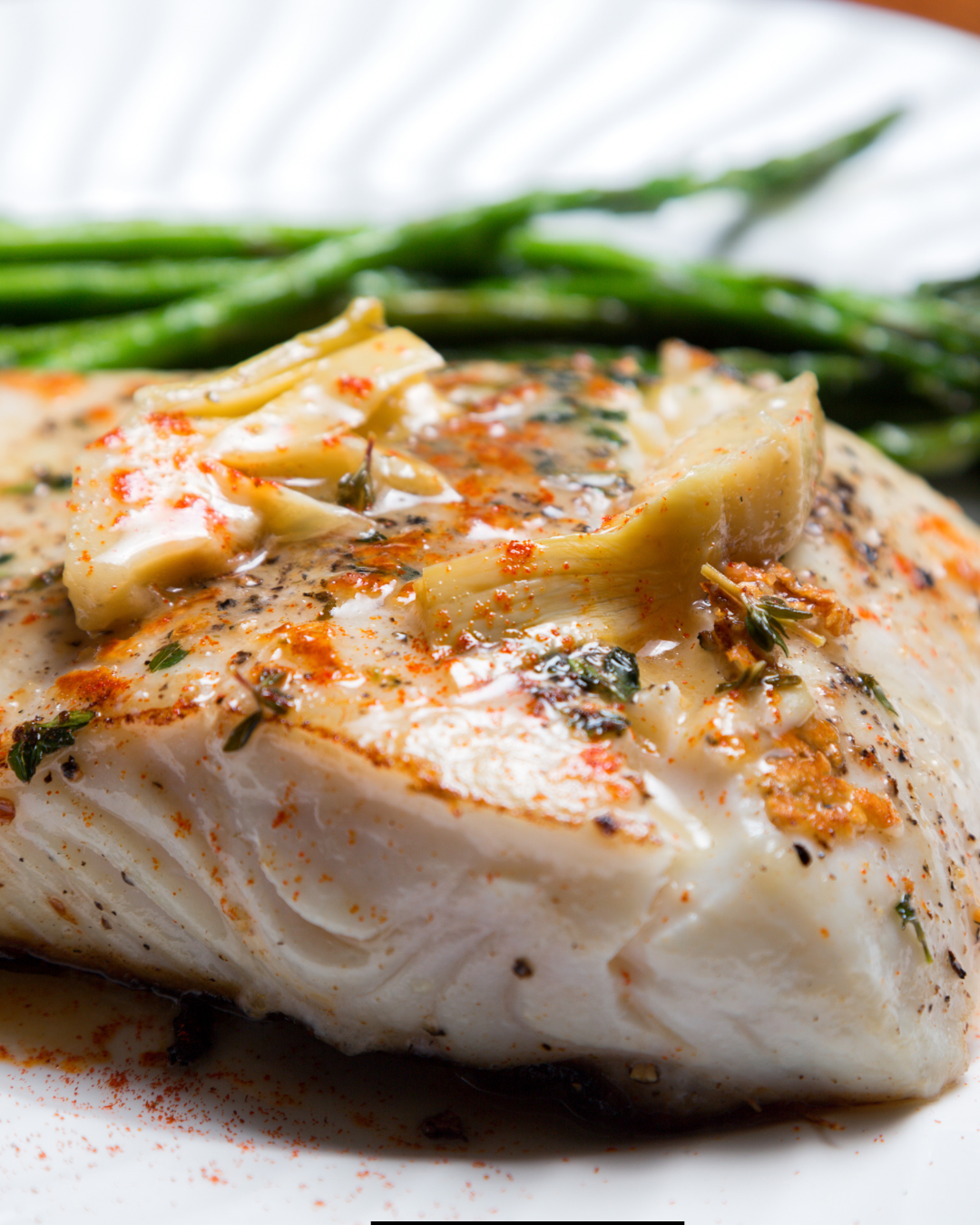
Gordon Ramsay halibut recipe embodies his signature approach to food: fresh, vibrant ingredients combined with expert culinary techniques that anyone can attempt at home.
Table of Contents
How to make Gordon Ramsay Halibut
Gordon Ramsay Halibut is a seafood dish featuring halibut—a firm, mild-flavored white fish—prepared using cooking methods and flavor combinations associated with Gordon Ramsay.
Ingredients
For the Halibut
- 4 halibut fillets (about 150–180 g / 5–6 oz each), skin removed
- 2–3 tbsp olive oil (or a neutral oil with high smoke point)
- Sea salt (preferably flaky)
- Freshly ground black pepper
- 1–2 tbsp unsalted butter (for finishing in the pan)
- 1–2 sprigs fresh thyme or rosemary (optional but very “Ramsay”)
- 1 garlic clove, lightly crushed (skin on, for aromatics)
For the Lemon Butter Pan Sauce
- 2 tbsp unsalted butter (cold, cut into small cubes)
- 1 small shallot, finely diced (or 2–3 tbsp finely chopped onion)
- 1 small garlic clove, finely minced
- 100 ml (about ½ cup) dry white wine (e.g., Sauvignon Blanc, Pinot Grigio)
- Juice of ½–1 lemon (to taste)
- 2–3 tbsp fish stock, chicken stock, or vegetable stock (optional but helpful for the body)
- 1–2 tbsp chopped fresh parsley, chives, or a mix
- Salt and pepper, to taste
Suggested Sides (Optional but Recommended)
- Blanched or sautéed asparagus, green beans, or peas
- Creamy mashed potatoes, crushed new potatoes, or a light risotto
- A wedge of lemon for serving
Instructions
1. Prepare the Halibut
- Dry the fish thoroughly
- Pat each fillet dry with paper towels.well
- Sprinkle both sides with sea salt and freshly ground black pepper.
- Lightly drizzle with olive oil and rub it in so the fish is evenly coated.
- Let the seasoned fillets sit at room temperature for about 10–15 minutes while you prepare other ingredients.
2. Sear the Halibut
- Heat the pan properly: Use a heavy-bottomed non-stick or stainless-steel pan.
- Add 2–3 tbsp olive oil and heat over medium-high until it’s shimmering but not smoking.
- Add the lightly crushed garlic clove and herb sprigs to the oil to infuse flavor for 20–30 seconds.
- Gently lay the fillets in the pan, presentation side down (the side that was originally the skin side usually goes down last, so the top looks nice).
- Do not overcrowd the pan; cook in batches if needed.
- Cook for about 3–4 minutes on the first side, depending on thickness.
- Don’t move the fish around; you want a golden crust to form.
- Add butter and baste (classic Ramsay move)
- Reduce the heat slightly to medium.
- Add 1–2 tbsp butter to the pan.
- When it foams, tilt the pan and use a spoon to baste the hot butter over the top of the fish for 30–60 seconds.
- Carefully turn the halibut over using a fish spatula or a flexible spatula.
- Cook for another 2–4 minutes, depending on thickness.
- Halibut is done when:
- It flakes easily with a fork.
- The inside is opaque but still juicy.
- Internal temperature is around 50–52°C (122–125°F) for moist fish.
- Transfer the fish to a warm plate or tray.
- Loosely cover with foil (don’t wrap tightly) and let rest for 3–4 minutes while you make the sauce.
3. Make the Lemon Butter Pan Sauce
- Use the same pan
- Pour off excess oil, leaving about 1–2 tsp of flavorful fat and the browned bits (fond) in the pan.
- Remove the herb sprigs and garlic clove.
- Add the finely diced shallot and a small pinch of salt.
- Cook over medium heat for 1–2 minutes until softened and translucent, not browned.
- Add minced garlic and cook for 20–30 seconds, just until fragrant.
- Pour in the white wine and stir, scraping up the browned bits from the bottom of the pan.
- Let it simmer and reduce by about half; this takes 2–3 minutes.
- If using stock, add it after the wine has reduced.
- Squeeze in the juice of half a lemon, taste, and add more if you like it sharper.
- Simmer for another minute to meld flavors.
- Turn the heat to low.
- Add the cold butter cubes and swirl the pan continuously (or stir) to emulsify.
- Do not boil once the butter is in; gentle heat keeps the sauce glossy.
- Season with salt and pepper to taste.
- Add herbs
- Stir in chopped parsley or chives right at the end for freshness.
4. Plate and Serve
- Plate the sides
- Spoon mashed potatoes or your chosen starch onto warm plates.
- Place the halibut
- Set the seared halibut fillet on top or just beside the starch.
- Spoon the lemon butter sauce around and lightly over the fish, not drowning it—Ramsay’s style emphasizes balance and presentation.
- Add a small sprinkle of fresh herbs on top.
- Serve the Gordon Ramsay Halibut immediately while hot.
Ingredients Substitutes
If you’re planning to make Gordon Ramsay halibut but need to swap out certain ingredients, don’t worry!
Substitutes for Halibut
1. Other Types of Fish
Halibut is a lean, firm, and mild-flavored white fish. If it’s unavailable or too expensive, you can replace it with other fish that have similar characteristics.
- Cod: A great choice because it’s mild, flaky, and takes on sauces beautifully. Slightly less firm than halibut but adapts well to similar preparations.
- Sea Bass: Another luxurious substitute with a rich, buttery texture. Sea bass has a slightly more delicate flavor, but it works great for the pan-searing technique.
- Haddock: A lean, flaky white fish with similar cooking times. Ideal for a more budget-friendly option.
- Snapper: Red snapper offers a sweet, nutty flavor that pairs excellently with butter-based sauces. Works well if you want a touch more flavor.
- Tilapia (Budget Option): While not as firm as halibut, tilapia is widely available and mild, making it a versatile substitute.
Substitutes for Olive Oil
Olive oil is used to sear the halibut and provide flavor, but there are plenty of alternatives.
- Grapeseed Oil: Neutral in flavor and has a high smoke point, making it ideal for searing fish without overpowering the flavor.
- Vegetable Oil or Canola Oil: Perfectly fine for high-heat cooking. These oils are cost-effective and won’t interfere with the fish’s buttery lemon sauce.
- Avocado Oil: Similar to olive oil but with a rich, buttery flavor. Works well for pan-searing.
- Clarified Butter or Ghee: If you want more flavor in your sear, clarified butter is excellent because it doesn’t burn easily like regular butter.
Substitutes for Butter
Butter plays a key role in Gordon Ramsay Halibut recipe for basting the fish and creating a silky sauce. If you’re avoiding butter, here are some alternatives:
- Vegan Butter or Margarine: Many plant-based butters work well for basting and creating a sauce. Look for one with high-fat content for better emulsification in the sauce.
- Coconut Oil (Unrefined): Provides a rich texture, though it adds a subtle coconut flavor that works best with tropical or zesty dishes.
- Olive Oil: While it won’t give quite the same richness as butter, olive oil can work as a fat substitute in basting or sauces.
- Creamy Dairy Substitutes: If you’re making the sauce and can use dairy, add a splash of heavy cream or crème fraîche to mimic the richness butter provides.
Substitutes for Dry White Wine
White wine adds acidity and depth to the sauce, but if you don’t have it on hand (or prefer not to cook with alcohol), here are alternatives:
- Chicken or Vegetable Stock with Lemon Juice: Replace wine with stock and add a small splash of fresh lemon juice for acidity. This is the best non-alcoholic substitute.
- Apple Cider Vinegar: Mix 1 tablespoon of apple cider vinegar with 2–3 tablespoons of water or stock to achieve a similar acidity level.
- White Grape Juice: Unsweetened white grape juice works well in sauces as a fruity, non-alcoholic alternative to wine.
- Rice Vinegar: For a milder acidic profile, rice vinegar (diluted with water) can work as a substitute.
Final Thoughts
Adding the right sides elevates the flavor and balance of your Gordon Ramsay halibut, making it a show-stopping meal that any home cook can pull off.
More Seafood Recipes:
Ingredients
For the Halibut
- 4 halibut fillets (about 150–180 g / 5–6 oz each), skin removed
- 2–3 tbsp olive oil (or a neutral oil with high smoke point)
- Sea salt (preferably flaky)
- Freshly ground black pepper
- 1–2 tbsp unsalted butter (for finishing in the pan)
- 1–2 sprigs fresh thyme or rosemary (optional but very “Ramsay”)
- 1 garlic clove, lightly crushed (skin on, for aromatics)
For the Lemon Butter Pan Sauce
- 2 tbsp unsalted butter (cold, cut into small cubes)
- 1 small shallot, finely diced (or 2–3 tbsp finely chopped onion)
- 1 small garlic clove, finely minced
- 100 ml (about ½ cup) dry white wine
- Juice of ½–1 lemon (to taste)
- 2–3 tbsp fish stock, chicken stock, or vegetable stock
- 1–2 tbsp chopped fresh parsley, chives, or a mix
- Salt and pepper, to taste
Instructions
1. Prepare the Halibut
- Dry the fish thoroughly
- Pat each fillet dry with paper towels.well
- Sprinkle both sides with sea salt and freshly ground black pepper.
- Lightly drizzle with olive oil and rub it in so the fish is evenly coated.
- Let the seasoned fillets sit at room temperature for about 10–15 minutes while you prepare other ingredients.
2. Sear the Halibut
- Heat the pan properly: Use a heavy-bottomed non-stick or stainless-steel pan.
- Add 2–3 tbsp olive oil and heat over medium-high until it’s shimmering but not smoking.
- Add the lightly crushed garlic clove and herb sprigs to the oil to infuse flavor for 20–30 seconds.
- Gently lay the fillets in the pan, presentation side down (the side that was originally the skin side usually goes down last, so the top looks nice).
- Do not overcrowd the pan; cook in batches if needed.
- Cook for about 3–4 minutes on the first side, depending on thickness.
- Don’t move the fish around; you want a golden crust to form.
- Add butter and baste (classic Ramsay move)
- Reduce the heat slightly to medium.
- Add 1–2 tbsp butter to the pan.
- When it foams, tilt the pan and use a spoon to baste the hot butter over the top of the fish for 30–60 seconds.
- Carefully turn the halibut over using a fish spatula or a flexible spatula.
- Cook for another 2–4 minutes, depending on thickness.
- Halibut is done when:
- It flakes easily with a fork.
- The inside is opaque but still juicy.
- Internal temperature is around 50–52°C (122–125°F) for moist fish.
- Transfer the fish to a warm plate or tray.
- Loosely cover with foil (don’t wrap tightly) and let rest for 3–4 minutes while you make the sauce.
3. Make the Lemon Butter Pan Sauce
- Use the same pan
- Pour off excess oil, leaving about 1–2 tsp of flavorful fat and the browned bits (fond) in the pan.
- Remove the herb sprigs and garlic clove.
- Add the finely diced shallot and a small pinch of salt.
- Cook over medium heat for 1–2 minutes until softened and translucent, not browned.
- Add minced garlic and cook for 20–30 seconds, just until fragrant.
- Pour in the white wine and stir, scraping up the browned bits from the bottom of the pan.
- Let it simmer and reduce by about half; this takes 2–3 minutes.
- If using stock, add it after the wine has reduced.
- Squeeze in the juice of half a lemon, taste, and add more if you like it sharper.
- Simmer for another minute to meld flavors.
- Turn the heat to low.
- Add the cold butter cubes and swirl the pan continuously (or stir) to emulsify.
- Do not boil once the butter is in; gentle heat keeps the sauce glossy.
- Season with salt and pepper to taste.
- Add herbs
- Stir in chopped parsley or chives right at the end for freshness.
4. Plate and Serve
- Plate the sides
- Spoon mashed potatoes or your chosen starch onto warm plates.
- Place the halibut
- Set the seared halibut fillet on top or just beside the starch.
- Spoon the lemon butter sauce around and lightly over the fish, not drowning it—Ramsay’s style emphasizes balance and presentation.
- Add a small sprinkle of fresh herbs on top.
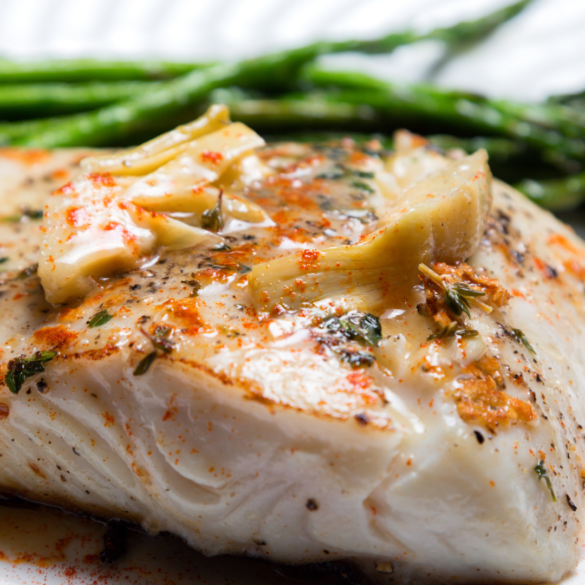
- Serve the Gordon Ramsay Halibut immediately while hot.
Discover more from Gordon Ramsay Dish
Subscribe to get the latest posts sent to your email.