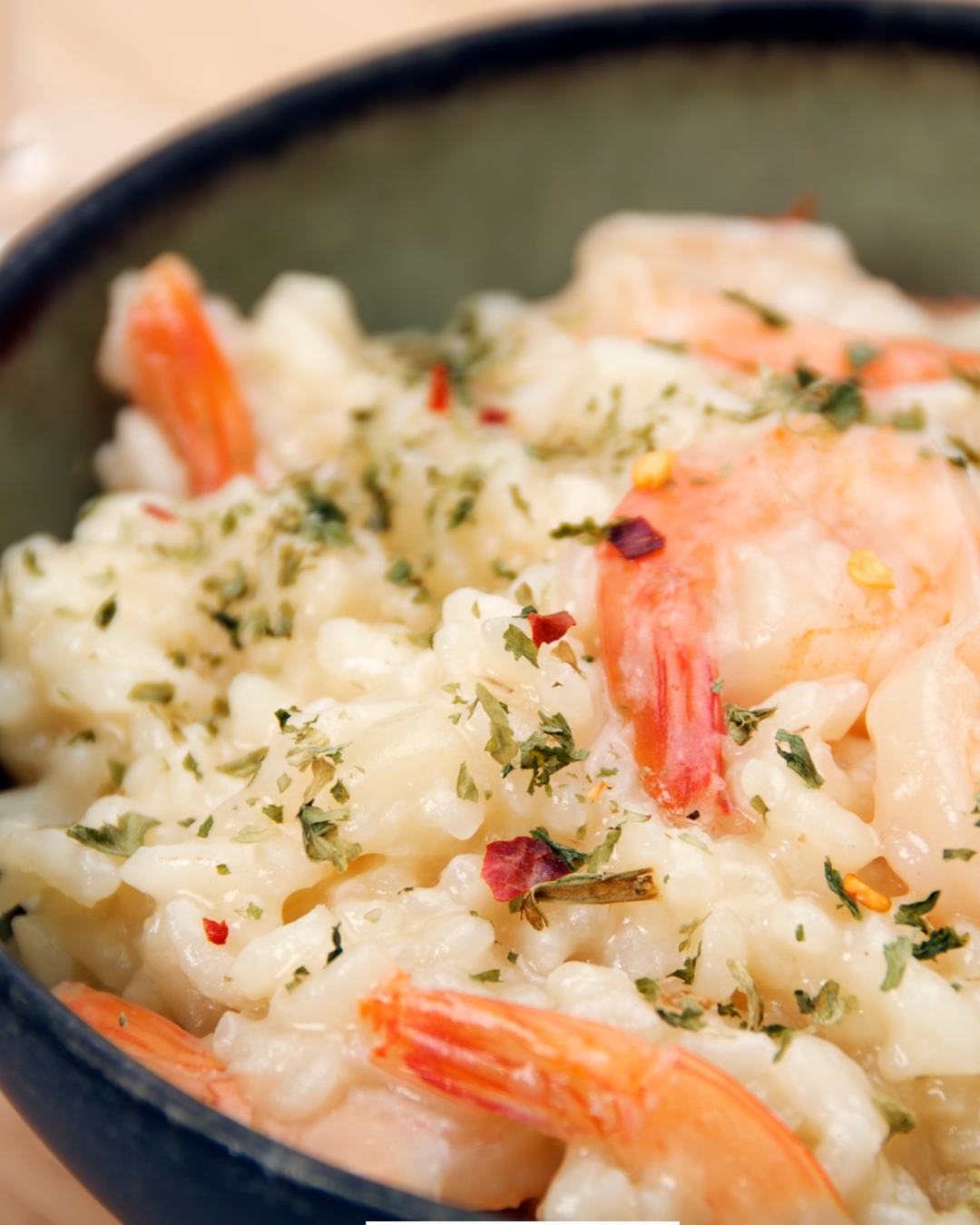
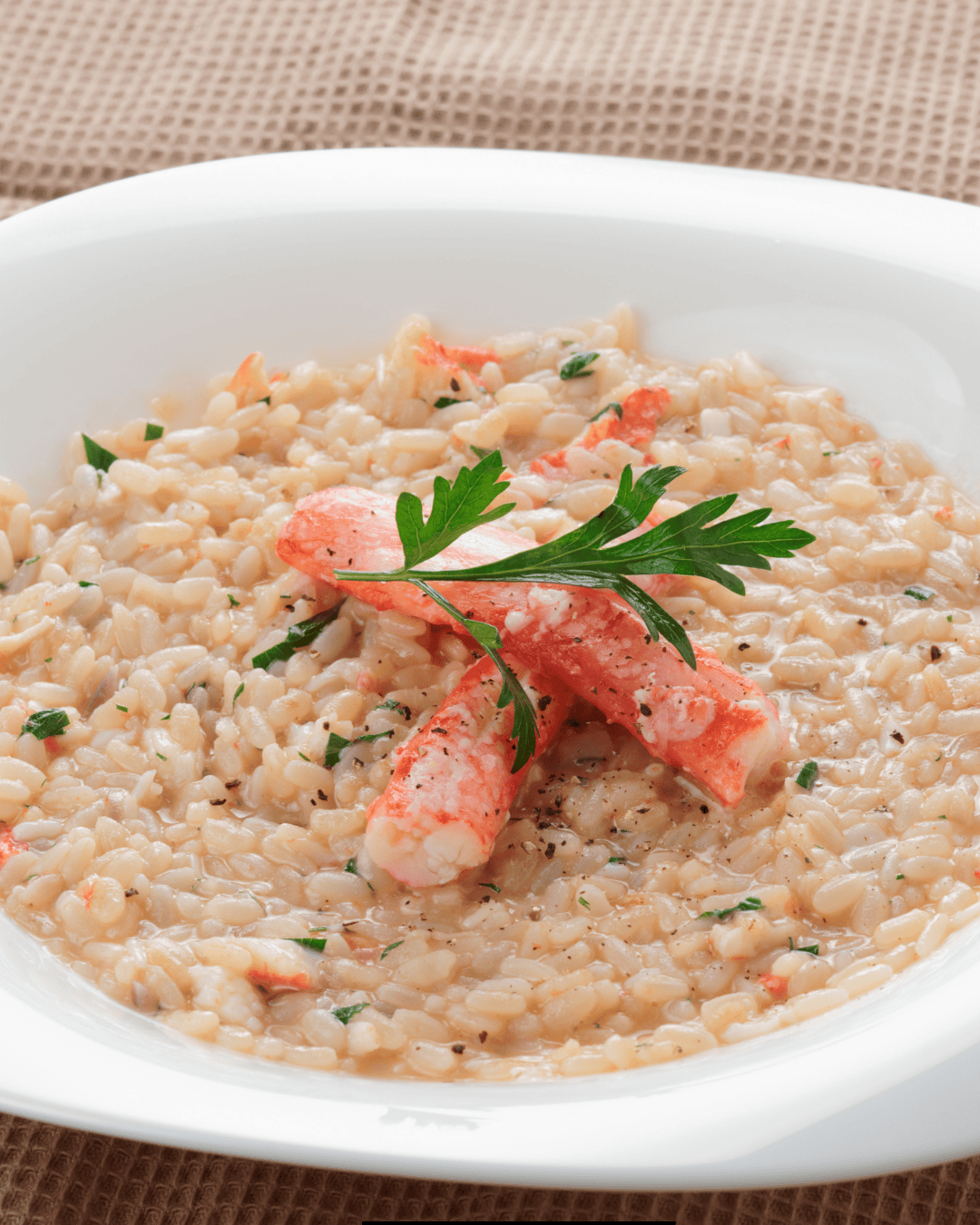
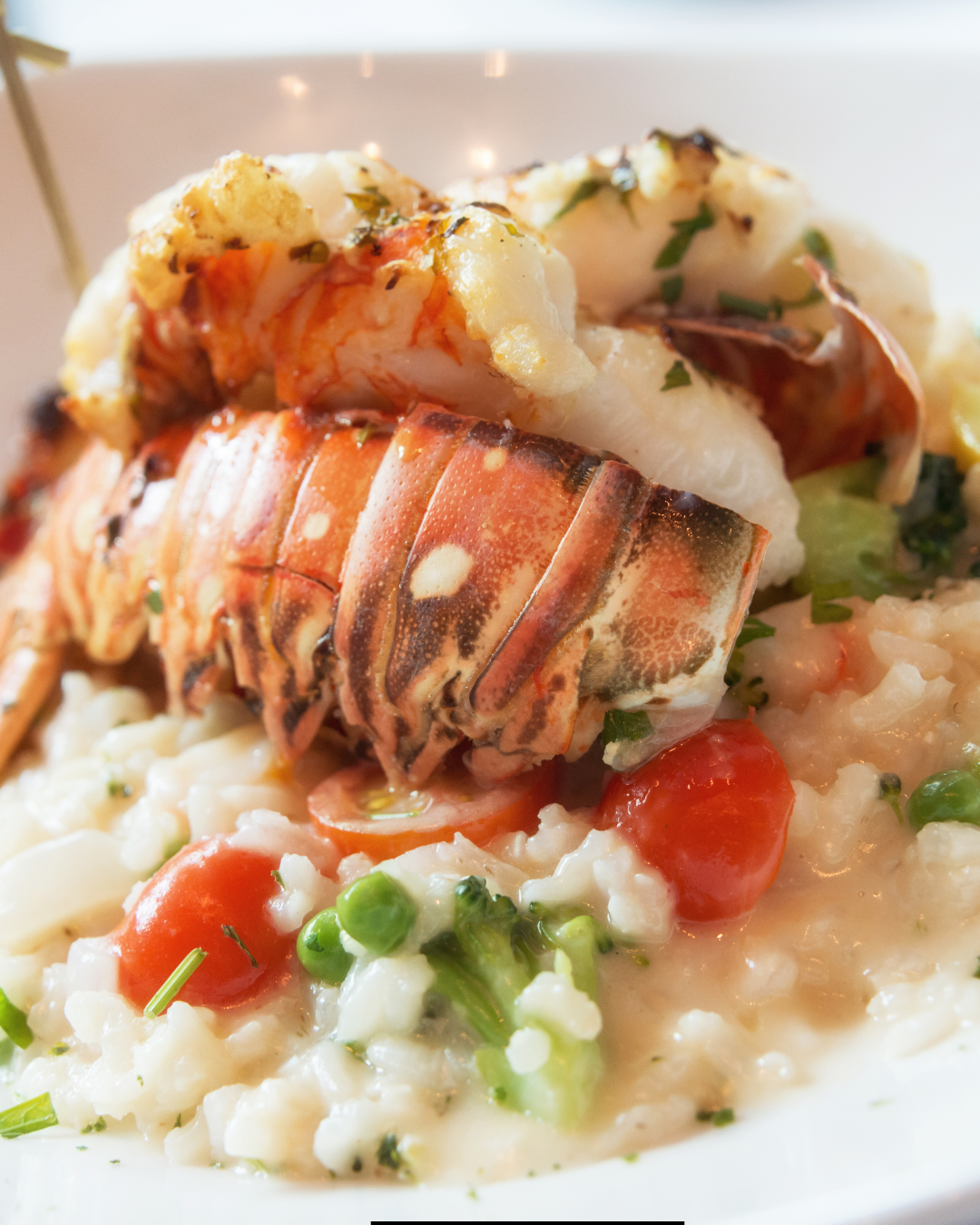
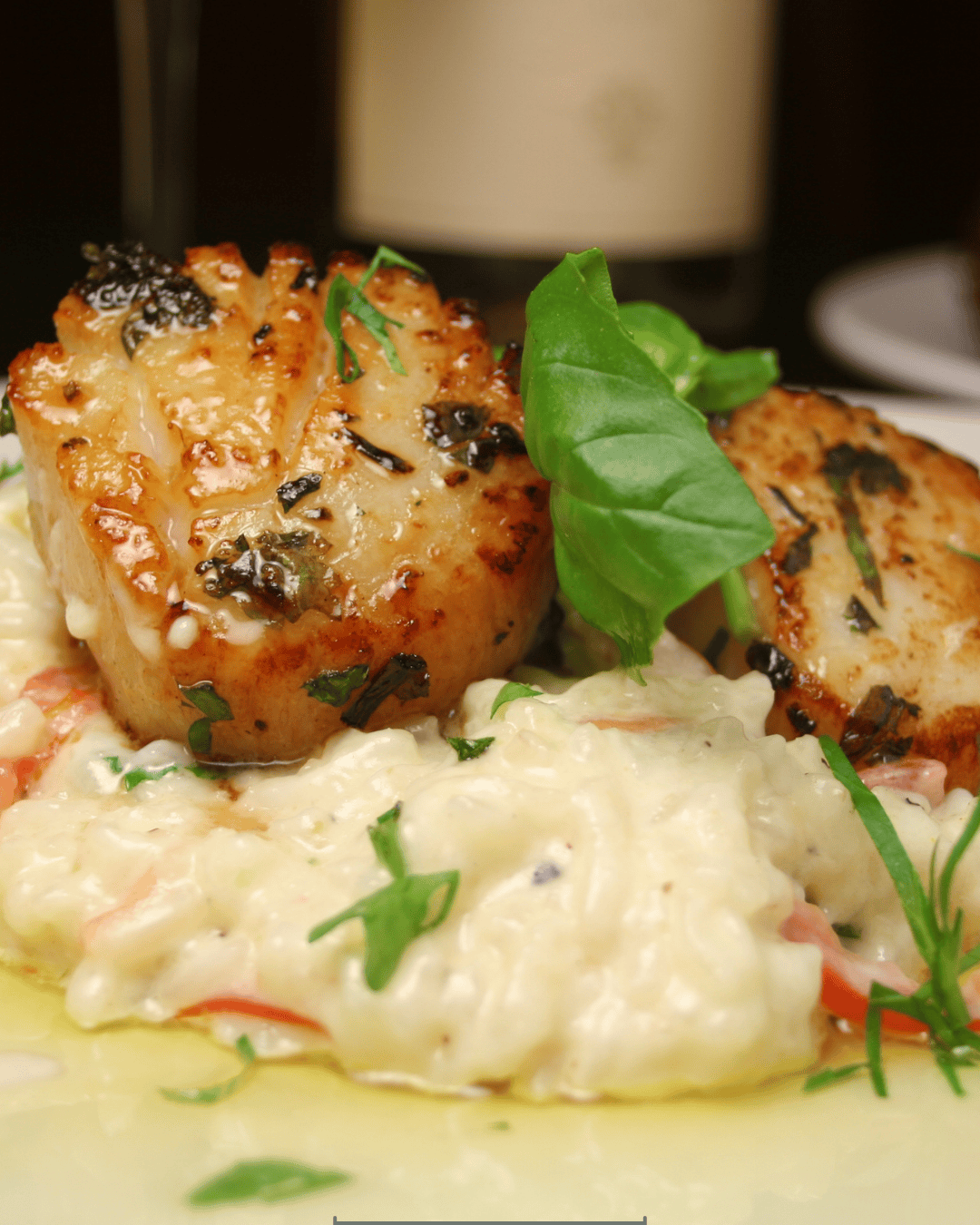
I’ll walk you through the step-by-step process of creating Gordon Ramsay Parmesan Risotto, packed with tips to help you achieve that perfect creaminess.
How to make Gordon Ramsay Parmesan Risotto
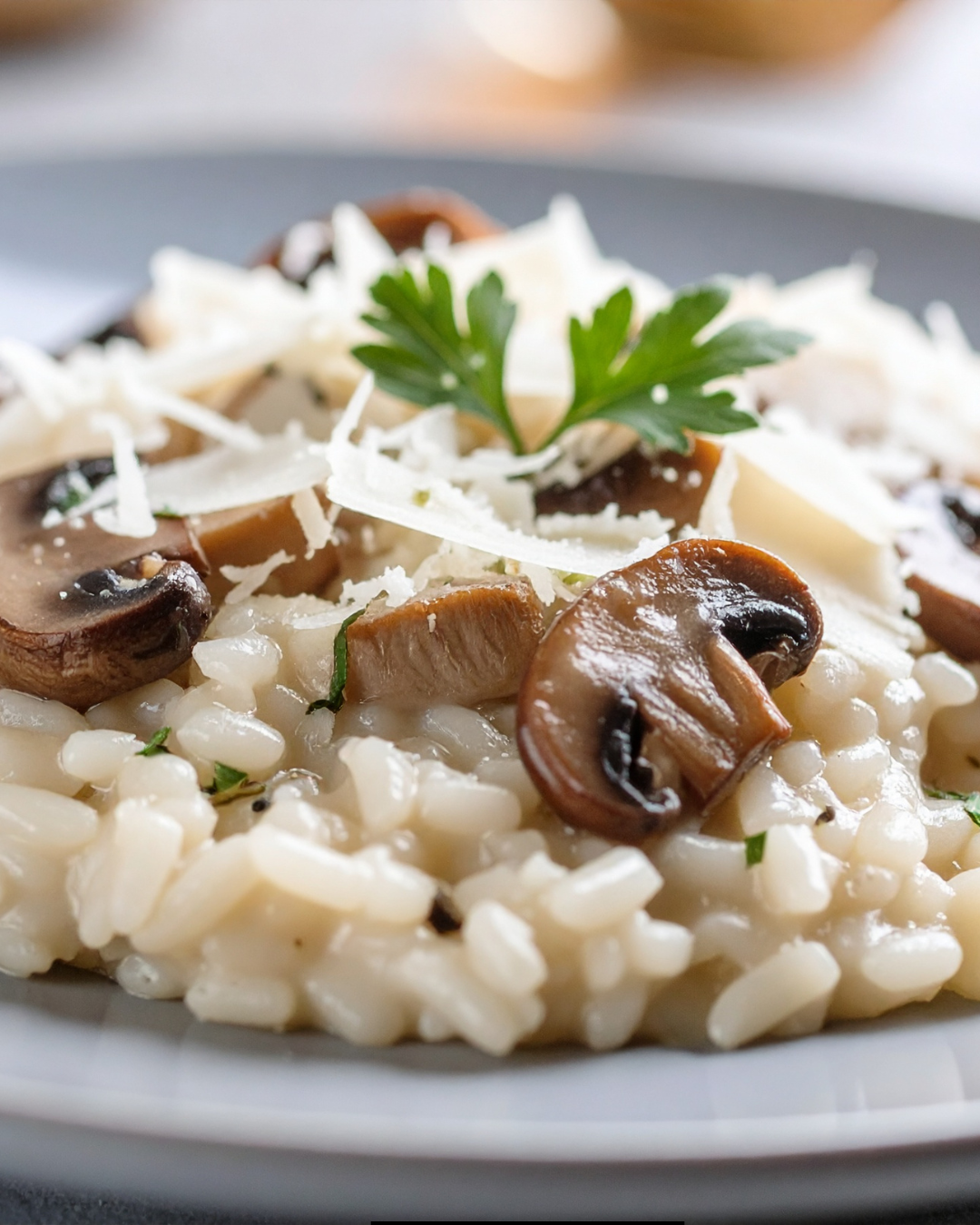
Gordon Ramsay Parmesan Risotto is a creamy Italian-style rice dish made using Arborio rice, slowly cooked with hot stock and finished with a generous amount of Parmesan cheese and butter.
Ingredients
- 1 ½ cups Arborio rice (or Carnaroli rice, preferred for its creaminess)
- 2 tablespoons olive oil
- 2 tablespoons unsalted butter
- 1 shallot, finely chopped (or 1 small onion as an alternative)
- 2 garlic cloves, minced
- ½ cup dry white wine (e.g., Sauvignon Blanc, Pinot Grigio)
- 4–5 cups chicken or vegetable stock, warm (keep it simmering in a saucepan)
- ¾ cup freshly grated Parmesan cheese (plus extra for garnish)
- Salt and freshly ground black pepper, to taste
- 1 tablespoon fresh parsley, finely chopped (optional garnish)
Instructions
Follow these step-by-step directions to master Gordon Ramsay Parmesan Risotto. The key here is patience—you don’t want to rush any part of the process.
Step 1: Prepare the Stock
Heat your chicken or vegetable stock in a separate saucepan and keep it warm over low heat. Warm stock ensures that the cooking process isn’t slowed down when you add it to the rice.
Step 2: Sauté the Aromatics
- In a large, heavy-bottomed pan, heat the olive oil over medium heat. Add the butter, letting it melt, and then stir in the finely chopped shallot and garlic.
- Sauté until the aromatics are soft and translucent, but be careful not to brown them. This should take about 2–3 minutes.
Step 3: Toast the Rice
- Add the Arborio rice to the pan and stir to coat it with the oil, butter, and aromatics. Let the rice toast gently for 1–2 minutes.
- Toasting the rice enhances its nutty flavor and prepares it for absorbing the liquid.
Step 4: Deglaze with Wine
Pour in the dry white wine and stir continuously until the rice fully absorbs it. The wine adds a subtle acidity that balances the richness of the dish.
Step 5: Cook the Risotto
- Begin adding your warm stock to the rice, one ladleful at a time. Stir constantly, ensuring the rice absorbs the liquid before adding the next ladle.
- Repeat this process, gradually adding stock and stirring, for about 18–20 minutes. The rice should be tender but still slightly al dente, and the mixture should be creamy and luscious.
Step 6: Stir in Parmesan Cheese
- Once the rice is fully cooked, reduce the heat to low and stir in the grated Parmesan cheese. Add a knob of butter for extra creaminess, stirring until melted and incorporated.
- Season with salt and freshly ground black pepper to taste.
Step 7: Serve Immediately
Plate the risotto while it’s still hot, as the creamy consistency is best when freshly made. Garnish with a sprinkle of grated Parmesan and chopped parsley for added flavor and elegance.
Tips for Making the Perfect Parmesan Risotto
- Use Arborio or Carnaroli Rice: These starchy varieties are perfect because they create the creamy texture signature to risotto.
- Keep the Stock Warm: Adding cold stock will disrupt the cooking process and make the rice unevenly cooked.
- Stir Constantly: Stirring helps release the starch in the rice, giving the risotto its creamy consistency. However, avoid over-stirring, as this can break down the rice too much.
- Don’t Overcook: The rice should be slightly al dente—it has a gentle bite but isn’t hard in the middle, taste-test frequently in the final few minutes.
- Balance the Flavors: The Parmesan adds saltiness, so adjust seasoning carefully. The wine provides acidity to round out the richness of the dish.
- Serve Immediately: Risotto doesn’t hold well—it loses its creamy texture as it cools. Prepare it fresh and serve it straight from the pan for the best results.
Pairings for Parmesan Risotto
While this Gordon Ramsay Parmesan Risotto is satisfying on its own, it also pairs beautifully with roasted or grilled proteins. Consider serving it alongside:
- Pan-seared scallops
- Herb-crusted salmon
- Roasted chicken thighs
- A fresh arugula salad with lemon vinaigrette for a light, tangy contrast
Ingredients Substitutes
Sometimes, you might not have all the exact ingredients for a recipe on hand, or you may want to adapt it to suit dietary restrictions, personal taste, or what’s in your pantry. The beauty of Gordon Ramsay Parmesan Risotto lies in its versatility—while classic Parmesan risotto calls for specific ingredients, many creative and practical substitutes can still help you achieve a delicious and creamy dish.
1. Arborio or Carnaroli Rice
Original Ingredient:
The creamy texture of risotto comes from the starchy composition of Arborio or Carnaroli rice, both of which are short-grain rice varieties commonly used in Italian risotto.
Substitutes:
- Vialone Nano Rice: Another Italian short-grain rice that’s highly starchy and an excellent substitute for Arborio rice.
- Sushi Rice: This short-grain rice can mimic the creamy consistency of risotto as it releases starch when cooked.
- Pearl Barley: While not a rice substitute, barley gives a nutty flavor and becomes creamy, making it a good alternative for risotto-like recipes. The dish would technically be called a “barlotto.”
- Farro: This ancient grain can work for a heartier version of the dish, though it won’t be quite as creamy as traditional risotto.
- Orzo (pasta): In a pinch, you can use orzo to make “orzo risotto.” It won’t offer the same starchiness as rice, but it’s a quick alternative.
2. Parmesan Cheese
Original Ingredient:
Parmesan (Parmigiano-Reggiano) provides the robust, nutty, and salty flavor that defines this Gordon Ramsay Parmesan Risotto.
Substitutes:
- Pecorino Romano: Similar to Parmesan but made from sheep’s milk, Pecorino has a sharper and saltier flavor. Use sparingly as it’s more intense.
- Grana Padano: This cheese is creamier and milder than Parmesan, but it’s another great Italian alternative.
- Asiago Cheese: Offers a less nutty and slightly creamier flavor, but works well in risotto.
- Plant-Based Parmesan: For those who follow a vegan or dairy-free diet, there are many nut-based or soy-based “Parmesan” alternatives available that mimic the taste and texture.
- Nutritional Yeast: This vegan ingredient provides a cheesy, umami flavor and can be used as a substitute, especially when paired with a bit of plant-based milk or cashew cream for creaminess.
3. Butter
Original Ingredient:
Butter is added for creaminess and richness in the risotto, especially toward the end of the cooking process.
Substitutes:
- Olive Oil: A healthier alternative that still adds richness and flavor. You can use extra-virgin olive oil for a stronger taste or a neutral oil for less flavor impact.
- Vegan Butter: A plant-based option that works well for a dairy-free version of risotto.
- Coconut Cream: Provides creaminess, but use sparingly as it can alter the flavor.
- Mascarpone Cheese: Often used in risottos, mascarpone gives a rich and creamy finish similar to butter.
4. Dry White Wine
Original Ingredient:
White wine is used to deglaze the pan after toasting the rice, adding a subtle acidity that balances the richness of the dish.
Substitutes:
- Apple Cider Vinegar or White Vinegar: Dilute one tablespoon of vinegar with two tablespoons of water to mimic wine’s acidity.
- Lemon Juice: Use fresh lemon juice (1-2 tablespoons) for a bright and tangy alternative.
- White Grape Juice: If you want a non-alcoholic substitute, this provides sweetness; mix it with a bit of vinegar for acidity.
- Dry Vermouth: An alcoholic option that works if you don’t have white wine on hand.
- Chicken or Vegetable Stock: If no acidic ingredient is available, replace the wine entirely with more stock. The dish will lack a slight tang but still taste delicious.
5. Chicken or Vegetable Stock
Original Ingredient:
Warm stock is added gradually throughout cooking, infusing flavor into the rice while helping it cook to perfection.
Substitutes:
- Water with Bouillon Cubes/Powder: Dissolve bouillon in water to make a quick broth. Adjust salt levels, as bouillon can be salty.
- Mushroom Broth: For a vegetarian or richly flavored alternative, mushroom broth adds depth.
- Bone Broth: A richer and nutrient-packed substitute, commonly used in risotto recipes.
- Plain Water: In a pinch, water can be used, though the dish will lack depth unless additional flavors (like fresh herbs or garlic) are added to compensate.
6. Shallots
Original Ingredient:
Finely chopped shallots bring a mild, sweet onion flavor to the dish.
Substitutes:
- Yellow Onion: Offers a stronger onion flavor; chop finely and cook until softened.
- White Onion: Similar to yellow onion but slightly less sweet.
- Leeks: Use the white and light green parts of leeks for a mild and delicate onion flavor.
- Scallions (Green Onions): Only use the white portion for a similar taste to shallots.
7. Olive Oil
Original Ingredient:
Olive oil is used to sauté the aromatics and coat the rice.
Substitutes:
- Vegetable Oil: A neutral cooking oil such as sunflower, canola, or grapeseed oil.
- Butter: Can replace olive oil for sautéing if you prefer a richer flavor.
- Avocado Oil: A mild-flavored oil that works similarly to olive oil.
Final Thoughts
Making Gordon Ramsay Parmesan Risotto is more than just cooking—it’s an art that requires attention to detail, care, and patience. The effort is worth it, as the dish delivers a comforting, creamy, and flavorful experience that will impress anyone you serve it to.
More Rice Recipes:
Ingredients
- 1 ½ cups Arborio rice
- 2 tablespoons olive oil
- 2 tablespoons unsalted butter
- 1 shallot, finely chopped
- 2 garlic cloves, minced
- ½ cup dry white wine (e.g., Sauvignon Blanc, Pinot Grigio)
- 4–5 cups chicken or vegetable stock, warm
- ¾ cup freshly grated Parmesan cheese (plus extra for garnish)
- Salt and freshly ground black pepper, to taste
- 1 tablespoon fresh parsley, finely chopped
Instructions
Step 1: Prepare the Stock
Heat your chicken or vegetable stock in a separate saucepan and keep it warm over low heat. Warm stock ensures that the cooking process isn’t slowed down when you add it to the rice.
Step 2: Sauté the Aromatics
- In a large, heavy-bottomed pan, heat the olive oil over medium heat. Add the butter, letting it melt, and then stir in the finely chopped shallot and garlic.
- Sauté until the aromatics are soft and translucent, but be careful not to brown them. This should take about 2–3 minutes.
Step 3: Toast the Rice
- Add the Arborio rice to the pan and stir to coat it with the oil, butter, and aromatics. Let the rice toast gently for 1–2 minutes.
- Toasting the rice enhances its nutty flavor and prepares it for absorbing the liquid.
Step 4: Deglaze with Wine
Pour in the dry white wine and stir continuously until the rice fully absorbs it. The wine adds a subtle acidity that balances the richness of the dish.
Step 5: Cook the Risotto
- Begin adding your warm stock to the rice, one ladleful at a time. Stir constantly, ensuring the rice absorbs the liquid before adding the next ladle.
- Repeat this process, gradually adding stock and stirring, for about 18–20 minutes. The rice should be tender but still slightly al dente, and the mixture should be creamy and luscious.
Step 6: Stir in Parmesan Cheese
- Once the rice is fully cooked, reduce the heat to low and stir in the grated Parmesan cheese. Add a knob of butter for extra creaminess, stirring until melted and incorporated.
- Season with salt and freshly ground black pepper to taste.
Step 7: Serve Immediately
Plate the risotto while it’s still hot, as the creamy consistency is best when freshly made. Garnish with a sprinkle of grated Parmesan and chopped parsley for added flavor and elegance.
Discover more from Gordon Ramsay Dish
Subscribe to get the latest posts sent to your email.