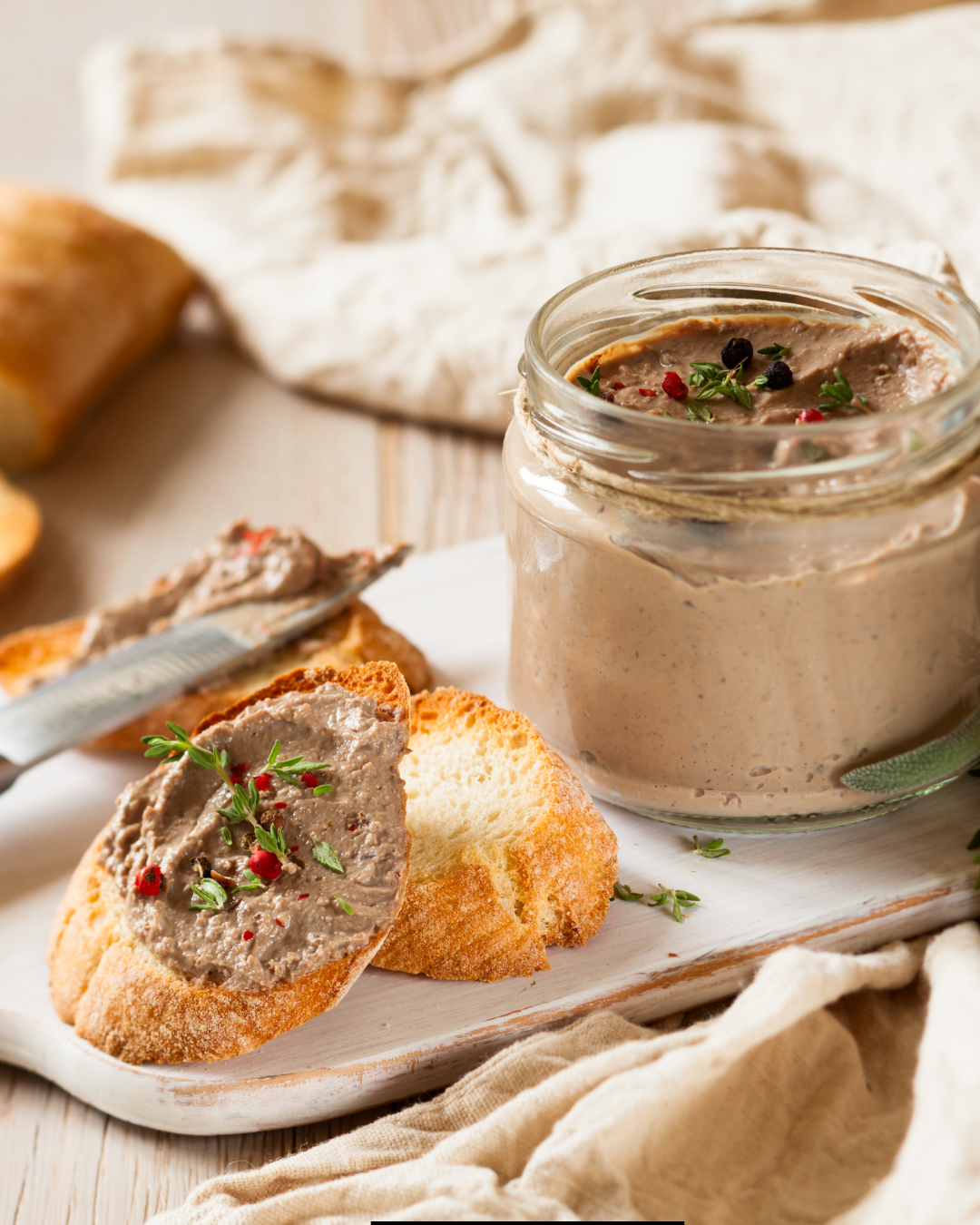
I still remember the first time I tried making this Gordon Ramsay Chicken Liver Pate; I was a little nervous working with chicken livers, but Ramsay’s recipe has this magical simplicity that made the process not just approachable, but fun. Every step felt like I was channeling my inner MasterChef, and the results? Out of this world.
Table of Contents
How to make Gordon Ramsay Chicken Liver Pate
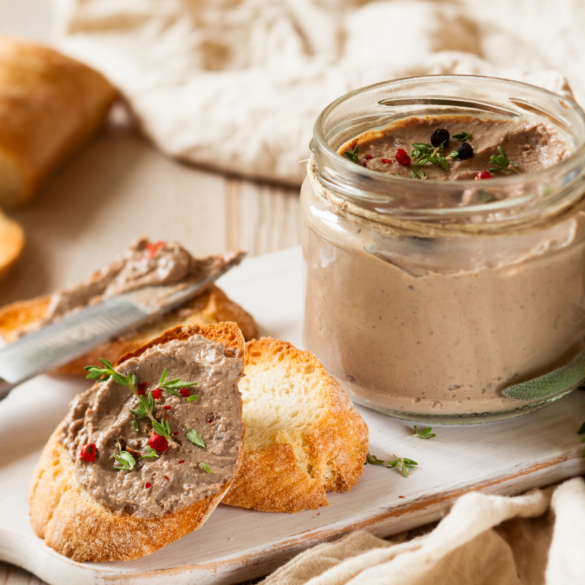
Gordon Ramsay Chicken Liver Pâté is a rich, smooth spread made from sautéed chicken livers blended with butter, cream, shallots, garlic, herbs, and often a splash of brandy or cognac. Inspired by classic French cuisine, it’s known for its silky texture and deep savory flavor.
Ingredients
To make Gordon Ramsay Chicken Liver Pâté, you’ll need the following:
For the pâté:
- 250g (8oz) chicken livers — Fresh and cleaned (remove any sinew or connective tissue).
- 2-3 tablespoons butter — For cooking the livers and shallots.
- 2 shallots — Finely chopped.
- 2 garlic cloves — Minced.
- 1 sprig of fresh thyme — Adds earthy flavor.
- 50ml (about 3 tbsp) cognac or brandy — Adds depth and a luxurious aroma.
- 75g (5 tbsp) unsalted butter — Softened, for blending the pâté.
- Salt and freshly ground black pepper — For seasoning.
For the clarified butter topping (optional but recommended):
- 50g (2 tbsp) unsalted butter — Melted, to seal the pâté.
- Fresh thyme leaves or pink peppercorns for garnish (optional).
Instructions
Follow these steps to create a perfectly silky Gordon Ramsay Chicken Liver Pâté:
- Carefully rinse the chicken livers under cold water and pat them dry with a paper towel.
- Remove any connective tissues, veins, or sinew using a sharp knife. This step is crucial for a smooth pâté.
- In a large, heavy-bottomed skillet or frying pan, melt 2-3 tablespoons of butter over medium heat.
- Add the finely chopped shallots and sauté until softened and translucent (approximately 3–4 minutes).
- Add the minced garlic and cook for another minute until fragrant. Be careful not to let the garlic brown.
- Add the cleaned chicken livers to the pan with the shallots and garlic.
- Sprinkle with a bit of salt and black pepper to season.
- Cook the livers over medium-high heat for about 2–3 minutes per side. They should be browned on the outside but still slightly pink on the inside. Overcooking them will result in a dry, grainy pâté, so be gentle here!
- Once the livers are cooked, pour in the cognac or brandy.
- Carefully tilt the pan slightly toward an open flame or use a long lighter to ignite the alcohol, creating a flambé effect. This process reduces the harsh alcohol taste and intensifies the flavor. If you’re not comfortable flambéing, let the alcohol simmer for about a minute until it reduces slightly.
- Remove the livers, shallots, garlic, and pan juices from the heat and transfer everything into a high-powered blender or food processor.
- Add the 75g of softened butter and blend until completely smooth. If needed, you can add a splash of cream to achieve a silkier texture.
- Taste and adjust seasoning with more salt and pepper as needed.
- For a truly velvety pâté, pass the blended mixture through a fine mesh sieve using the back of a spoon. This step removes any remaining liver bits or fibrous parts.
- Pour the pâté mixture into ramekins or small serving jars.
- Let the pâté cool to room temperature, then refrigerate for at least 2 hours (or overnight) so that it sets properly.
- To preserve the pâté and prevent it from oxidizing, melt 50g of unsalted butter over low heat, skim any foam off, and pour the clarified butter over the top of the chilled pâté.
- Garnish with fresh thyme leaves or pink peppercorns for a decorative touch.
Serving Suggestions
- Serve the pâté chilled, straight from the fridge, to maintain its creamy texture.
- Pair with toasted baguette slices, crackers, or crostini for a crunchy contrast.
- Add sides like cornichons (mini pickles), red onion marmalade, or fruit chutney for a sweet-and-sour complement.
Pro Tips for Perfect Gordon Ramsay Chicken Liver Pate
- Choose fresh chicken livers: Make sure they are fresh and have a shiny appearance. Avoid livers with a grayish or slimy texture.
- Don’t overcook the livers: Slightly pink centers ensure your pâté retains a creamy, delicate texture.
- Use high-quality butter and cognac: Since these are key flavoring elements, using better-quality ingredients makes a noticeable difference.
- Experiment with flavors: Try adding a hint of nutmeg, a splash of cream, or even a touch of smoked paprika for a unique twist on the classic recipe.
- Chill it well: Allow enough time for the pâté to chill and set. Overnight chilling is ideal for the flavors to meld perfectly.
- Seal with butter if storing: The butter layer not only keeps the pâté fresh for up to a week but also adds an extra layer of richness.
Ingredients Substitutes
Not everyone has access to the exact ingredients or may have dietary preferences or restrictions. The great thing about a versatile recipe like Gordon Ramsay’s Chicken Liver Pâté is that you can make a few smart substitutions without sacrificing too much of the flavor or texture.
1. Chicken Livers
Substitutes:
- Duck Liver: For a richer, more decadent pâté, use duck livers. They are slightly more flavorful and buttery in texture than chicken livers.
- Turkey Liver: A milder alternative that won’t stray too far from chicken livers in terms of flavor.
- Lamb Liver: Provides a more robust, earthy flavor but may be overpowering for some.
- Vegetarian Option: While not authentic, you can create a vegetarian “pâté” using a base of mushrooms, walnuts, or lentils. Sauté mushrooms with shallots, garlic, and thyme, then blend with butter or cream for a rich vegan-friendly spread. (For a fully plant-based option, replace butter with a vegan substitute like coconut oil.)
2. Butter
Substitutes:
- Vegan Butter: Great for those who are lactose intolerant or vegan. Brands like Earth Balance work well as a 1:1 substitution.
- Duck Fat: If you want a lovely meaty richness but don’t need it vegetarian, duck fat is a tasty alternative.
- Olive Oil: While it doesn’t provide the creamy texture of butter, extra virgin olive oil is a lighter substitute and can add a fruity flavor profile.
- Coconut Oil: Another non-dairy option, but make sure to use refined coconut oil to avoid adding a distinct coconut flavor.
3. Shallots
Substitutes:
- Onions: Use finely chopped yellow or white onions instead of shallots. Sauté them until soft and golden for a similar sweetness.
- Leeks: The white and light green parts of a leek can be a delicate and mild alternative.
- Red Onion: Adds a slightly sharper flavor but will work just fine when cooked down.
4. Garlic
Substitutes:
- Garlic Powder: If fresh garlic isn’t available, use about 1/4 teaspoon of garlic powder per clove in your recipe.
- Shallots: Onions or shallots can bring mild allium-like notes if you don’t have garlic on hand.
- Roasted Garlic Paste: Adds a more mellow, sweet garlic flavor but works beautifully as a substitute.
5. Fresh Thyme
Substitutes:
- Dried Thyme: Use 1/3 of the amount of fresh thyme, as dried herbs are more concentrated. For one sprig of fresh thyme, use about 1/4 teaspoon of dried thyme.
- Rosemary: While stronger, it can complement the flavors in the pâté well. Use sparingly to avoid overpowering the dish.
- Sage: Adds an earthy, warm flavor. Use fresh sage leaves or a pinch of dried sage.
- Marjoram or Oregano: Use these for a sweeter herbal flavor if thyme isn’t available.
6. Cognac or Brandy
Substitutes:
- Port Wine: Adds a sweet, rich depth of flavor that complements the richness of chicken liver pâté.
- Madeira Wine or Sherry: Great alternatives with sweet, nutty undertones.
- Whiskey or Bourbon: Adds a smoky, oaky flavor to the dish.
- Red Wine: A dry red wine works if you want a richer flavor without the sweetness of brandy or cognac.
- Apple Juice or Grape Juice: Brilliant non-alcoholic substitutes that keep the liquid component and provide sweetness.
- Stock (Chicken or Veggie): For an alcohol-free option, deglaze the pan using stock to lift the flavors.
Final Thoughts
Gordon Ramsay Chicken Liver Pâté is proof that elegance doesn’t have to be complicated. With just a handful of simple ingredients and a bit of care, you can create a smooth, luxurious pâté right in your own kitchen.
More Meat Recipes:
Ingredients
For the pâté:
- 250g (8oz) chicken livers
- 2-3 tablespoons butter
- 2 shallots — Finely chopped.
- 2 garlic cloves — Minced.
- 1 sprig of fresh thyme — Adds earthy flavor.
- 50ml (about 3 tbsp) cognac or brandy
- 75g (5 tbsp) unsalted butter
- Salt and freshly ground black pepper
For the clarified butter topping (optional but recommended):
- 50g (2 tbsp) unsalted butter — Melted, to seal the pâté.
- Fresh thyme leaves or pink peppercorns
Instructions
- Carefully rinse the chicken livers under cold water and pat them dry with a paper towel.
- Remove any connective tissues, veins, or sinew using a sharp knife. This step is crucial for a smooth pâté.
- In a large, heavy-bottomed skillet or frying pan, melt 2-3 tablespoons of butter over medium heat.
- Add the finely chopped shallots and sauté until softened and translucent (approximately 3–4 minutes).
- Add the minced garlic and cook for another minute until fragrant. Be careful not to let the garlic brown.
- Add the cleaned chicken livers to the pan with the shallots and garlic.
- Sprinkle with a bit of salt and black pepper to season.
- Cook the livers over medium-high heat for about 2–3 minutes per side. They should be browned on the outside but still slightly pink on the inside. Overcooking them will result in a dry, grainy pâté, so be gentle here!
- Once the livers are cooked, pour in the cognac or brandy.
- Carefully tilt the pan slightly toward an open flame or use a long lighter to ignite the alcohol, creating a flambé effect. This process reduces the harsh alcohol taste and intensifies the flavor. If you’re not comfortable flambéing, let the alcohol simmer for about a minute until it reduces slightly.
- Remove the livers, shallots, garlic, and pan juices from the heat and transfer everything into a high-powered blender or food processor.
- Add the 75g of softened butter and blend until completely smooth. If needed, you can add a splash of cream to achieve a silkier texture.
- Taste and adjust seasoning with more salt and pepper as needed.
- For a truly velvety pâté, pass the blended mixture through a fine mesh sieve using the back of a spoon. This step removes any remaining liver bits or fibrous parts.
- Pour the pâté mixture into ramekins or small serving jars.
- Let the pâté cool to room temperature, then refrigerate for at least 2 hours (or overnight) so that it sets properly.
- To preserve the pâté and prevent it from oxidizing, melt 50g of unsalted butter over low heat, skim any foam off, and pour the clarified butter over the top of the chilled pâté.
- Garnish with fresh thyme leaves or pink peppercorns for a decorative touch.
Discover more from Gordon Ramsay Dish
Subscribe to get the latest posts sent to your email.