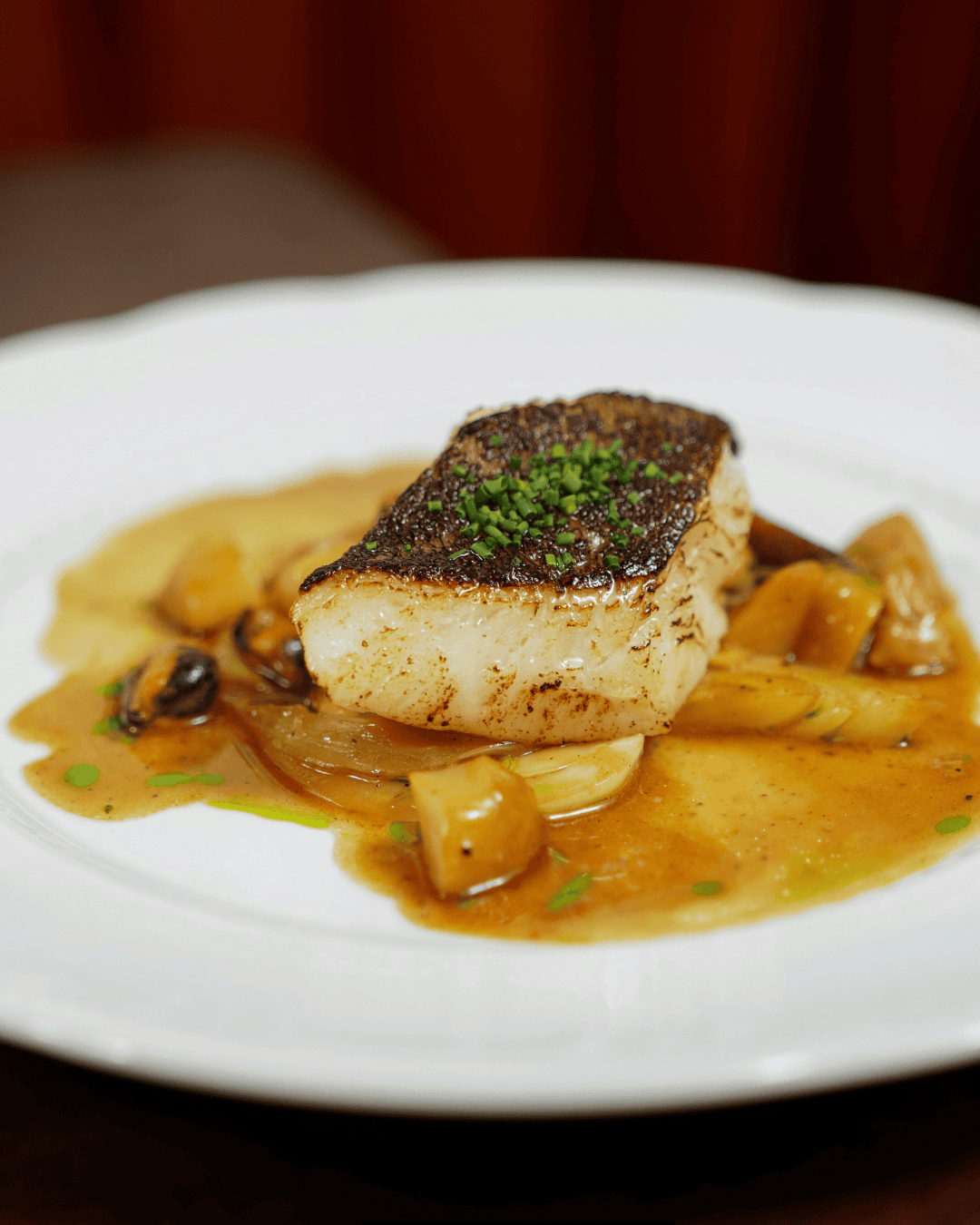
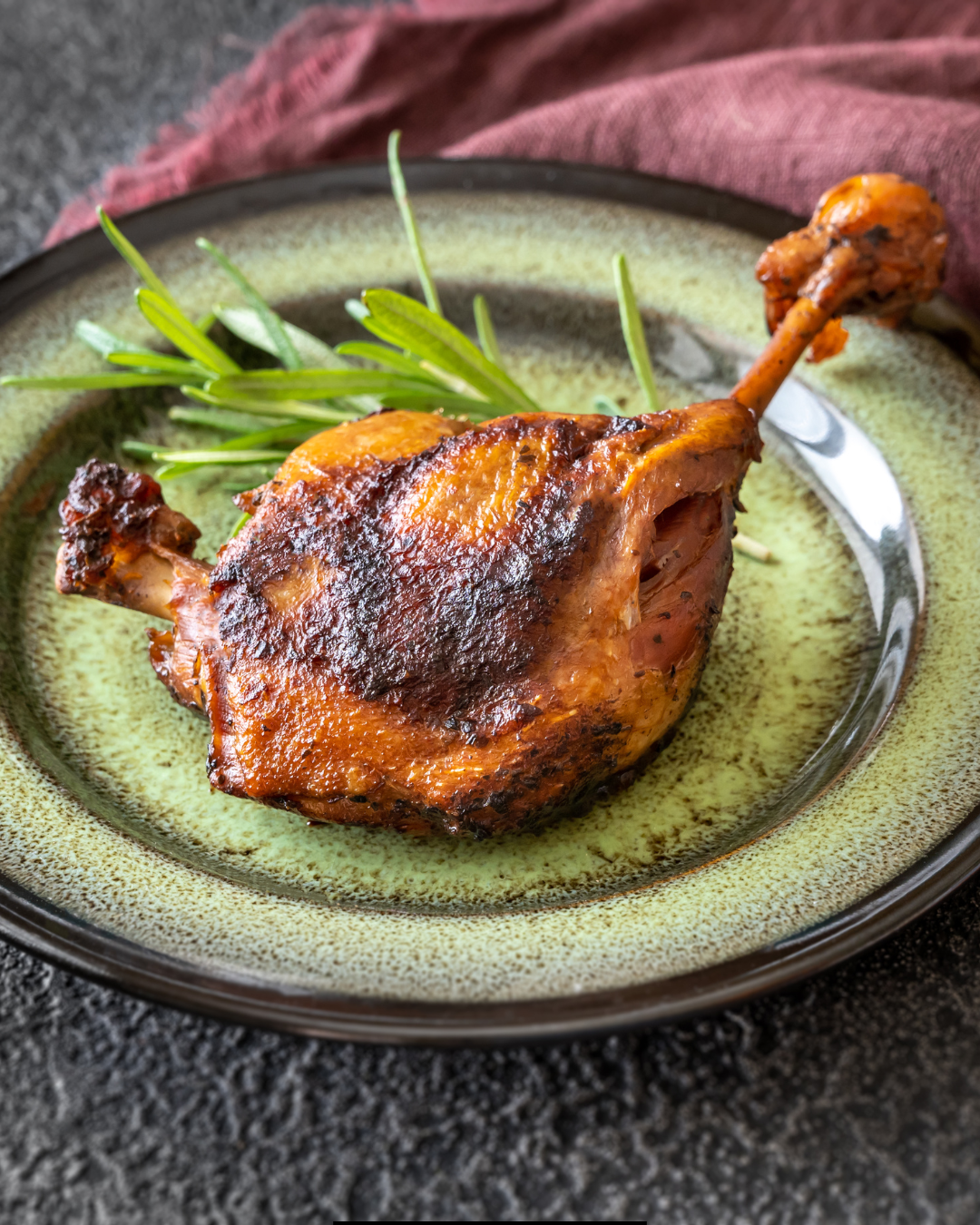
If you’ve ever found yourself marveling at the way he sears a duck breast to perfection, with its irresistibly crispy skin and tender, succulent meat, then you’re in for a treat. This Gordon Ramsay Duck Breast is a testament to Ramsay’s philosophy of respecting quality ingredients and cooking them simply but brilliantly.
So, grab your knife and skillet, and let’s recreate this timeless dish that’s as much a joy to prepare as it is to eat.
How to make Gordon Ramsay Duck Breast
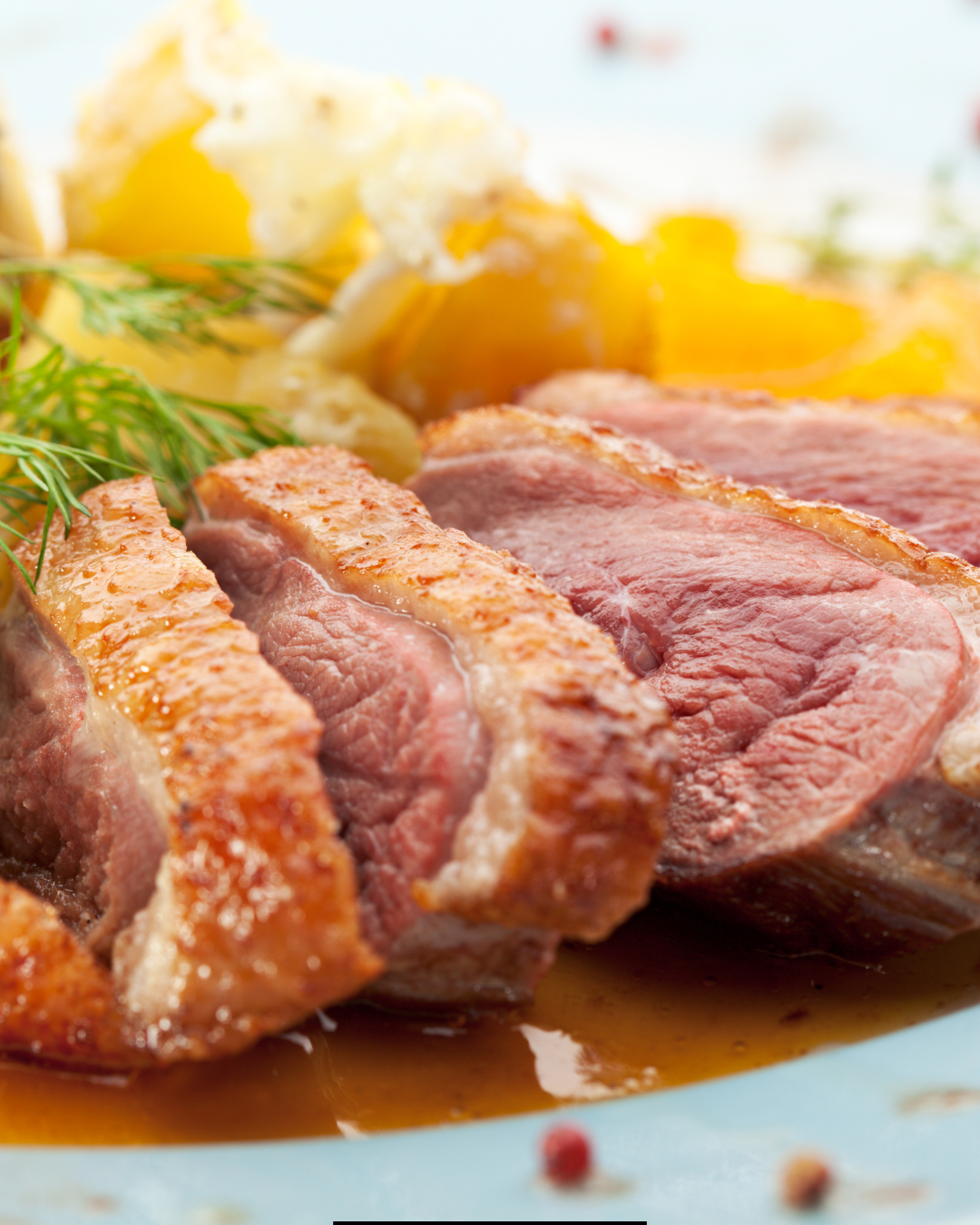
Gordon Ramsay Duck Breast is a refined main-course dish that showcases pan-seared duck breast with crispy, golden skin and tender, juicy meat.
Ingredients
Here’s what you’ll need to prepare Gordon Ramsay duck breast:
For the Duck Breast:
- 2 medium-sized duck breasts (skin-on)
- Kosher salt
- Freshly ground black pepper
- 1–2 tablespoons olive oil or vegetable oil
- 2 sprigs of fresh thyme (or rosemary)
- 2 garlic cloves, crushed (optional)
- 1 tablespoon unsalted butter (for basting)
Optional Sauce to Pair With the Duck:
- ½ cup chicken or duck stock
- ½ cup fruit-based element (e.g., orange juice, cherry preserves, or pomegranate juice)
- 1–2 teaspoons honey or balsamic vinegar (for acidity and sweetness)
- Salt and pepper, to taste
Instructions
Pat Dry the Duck:
- Take the duck breasts out of the fridge at least 15 minutes before cooking. This lets the meat come to room temperature, ensuring even cooking.
- Use a paper towel to pat the duck breasts dry. Removing the excess moisture helps the skin crisp up beautifully.
Score the Skin:
- Lay the duck skin-side up and use a sharp knife to score the skin in a crisscross pattern gently. Be careful not to cut into the meat beneath the skin.
- Scoring the skin helps render out the fat and allows the seasoning to penetrate.
Season Generously:
- Rub kosher salt and freshly ground black pepper all over the skin and meat side. The salt will draw out moisture from the skin, aiding in crispiness.
Sear the Duck Breast:
- Start with a Cold Pan: Place a skillet (preferably a non-stick or stainless steel pan) on your stovetop and add the duck breasts skin-side down into a cold pan. Starting with a cold pan ensures the fat renders slowly, leaving the skin crispy. Set the heat to medium.
- Render the Fat: Cook the duck skin-side down for 6–8 minutes. As the fat renders, you’ll notice the skin becoming golden and crisp. Occasionally tilt the pan and spoon out the excess fat into a separate bowl (you can save this rendered fat for roasting potatoes or vegetables—it’s liquid gold!).
- Flip and Cook the Flesh Side: Once the skin is golden brown and crisp, flip the duck breast to the flesh side. Cook for about 2–3 minutes to sear the meat.
Baste and Add Flavor:
- Baste with Butter, Garlic, and Herbs: Add a knob of unsalted butter to the pan along with crushed garlic cloves and sprigs of thyme or rosemary. Let the butter melt and foam, then tilt the pan slightly and use a spoon to baste the duck breasts with the herby, garlicky butter. This step infuses the duck with rich, aromatic flavors.
Finish Cooking:
Optional:
- Finish in the Oven: If your duck breasts are thick, you may need to finish them in a preheated oven at 375°F (190°C). Place the skillet directly into the oven and cook for an additional 5–8 minutes, depending on how well-done you prefer your duck. Use a meat thermometer to ensure accuracy:
- Medium-Rare: 135°F–140°F (57°C–60°C)
- Medium: 145°F (63°C)
Rest and Slice:
- Rest the Meat: Once cooked, remove the duck breasts from the pan and place them on a plate or wooden cutting board. Cover them loosely with aluminum foil and let them rest for 5–10 minutes. Resting is crucial, as it allows the juices to redistribute throughout the meat.
- Slice and Serve: After resting, slice the duck breast against the grain into thin, even slices. This keeps the meat tender and easy to eat.
Tips for Perfect Gordon Ramsay Duck Breast
- Always opt for fresh, high-quality duck breasts. Look for breasts with firm meat and pale, creamy skin.
- The key to Gordon Ramsay’s style of duck breast is perfectly crispy skin. Be patient and allow the fat to render slowly.
- Don’t throw away the fat you render from the duck. It’s amazing for making roast potatoes, sautéing veggies, or even frying eggs.
- Duck has a naturally rich, gamey flavor that pairs beautifully with sweet-and-tangy accompaniments like fruit-based sauces (orange, cherry, or blackberry) or a balsamic glaze.
- To ensure perfect doneness without overcooking, use a meat thermometer. Duck is best served medium-rare to medium.
Ingredients Substitutes
When preparing Gordon Ramsay duck breast, you may not have access to certain ingredients or need to cater to specific dietary preferences. Thankfully, there are plenty of substitutes that can still deliver delicious results.
1. Duck Breast Substitutes
While duck breast is the star of this Gordon Ramsay Duck Breast recipe, there are times when it might not be available—or you may want to experiment with other proteins. Here are options:
A. Chicken Thighs (Skin-On)
Why they work:
- Chicken thighs have a similar richness to duck, especially when the skin is properly rendered and crisped.
- They are more affordable and widely available.
Key adjustments:
- Cooking time will be slightly shorter since chicken thigh meat cooks faster than duck.
- Render the skin the same way (starting in a cold pan), but watch closely to avoid overcooking.
B. Goose Breast
Why it works: Goose breast is a close relative of duck, with its own rich, gamey flavor.
Key adjustments: Cook it exactly as you would duck breast, but keep in mind that goose meat is slightly leaner, so take extra care not to overcook the meat.
C. Turkey Breast (for Leaner Protein)
Why it works: If you prefer leaner white meat, turkey breast can be a viable substitute.
Key adjustments: Be aware that turkey breast dries out faster than duck. Reduce the cooking time and baste the meat frequently with butter or pan drippings to keep it moist.
D. Pork Belly or Pork Chops (Skin-On)
Why it works:
- Pork belly mimics the rich fattiness of duck breast, particularly because it allows the same crispy-skin rendering process.
- Pork chops with skin can also work, offering fattiness and flavor.
Key adjustments:
- Pork belly will require longer cooking and slower rendering due to its higher fat content.
- Season generously to bring out deeper flavor.
E. Vegetarian Alternative: Portobello Mushrooms or Jackfruit Steaks
Why they work: For vegetarian or vegan diners, both portobello mushrooms and jackfruit have the texture and umami richness to stand in for duck.
Key adjustments:
- Brush portobello mushrooms with olive oil and season well before pan-searing.
- For jackfruit, use firm cuts and season heavily to simulate the depth of flavor duck provides.
2. Fat for Rendering and Cooking
In the traditional process, rendered duck fat is the natural cooking medium. If you’re substituting the duck breast or don’t want to use animal fats, here are alternatives.
A. Olive Oil as a Neutral Substitute
Why it works: Olive oil is versatile, readily available, and provides light flavor for crisping non-duck proteins like chicken or turkey.
B. Butter for Rich Flavor
Why it works:
- Butter provides decadence and richness that mimics freshly rendered duck fat.
- Use unsalted butter so you can control the salt content.
C. Coconut Oil (For Non-Dairy, Vegan Option)
Why it works:
- Coconut oil is an excellent choice for vegetarian or vegan alternatives.
- Use refined coconut oil to avoid an overly noticeable coconut flavor.
3. Sauce Substitutes
A sauce enhances the duck or its alternative, often balancing its richness with sweetness, acidity, or fruitiness.
A. Orange Sauce Alternatives
The iconic orange sauce can be swapped with:
- Balsamic Reduction: For complexity and tang without citrus.
- Lime or Lemon Sauce: If oranges are unavailable, citrus from lemons or limes brightens the dish. Add a pinch of sugar to balance the acidity.
- Caramelized Onion Sauce: Cook onions in butter with stock and a splash of vinegar for a savory-sweet sauce.
B. Berry Sauces
If cherries, blackberries, or other fresh fruits are unavailable:
- Fruit Jams or Preserves: Use a spoonful of cherry or raspberry jam, heat it with stock or wine, and reduce.
- Cranberry Sauce: An excellent option with a sweet-tart balance.
- Frozen Berries: Use frozen cherries, blackberries, or mixed berries to create an equally vibrant sauce.
C. Non-Alcoholic Sauce Substitution
If a Gordon Ramsay recipe calls for wine or liquor:
- Grape Juice or Apple Juice: Mimics the sweetness of wine (great for reductions).
- Stock and Vinegar: Adds depth and acidity as a non-alcoholic substitute. Use in equal measures of chicken or vegetable stock and a splash of apple cider vinegar.
Final Thoughts
This Gordon Ramsay duck breast recipe is an absolute show-stopper. From the crackling, golden skin to the flavorful, tender meat, it’s a dish that will not only impress your guests but also feel like a personal culinary triumph.
More Duck Recipes:
Ingredients
For the Duck Breast:
- 2 medium-sized duck breasts (skin-on)
- Kosher salt
- Freshly ground black pepper
- 1–2 tablespoons olive oil or vegetable oil
- 2 sprigs of fresh thyme (or rosemary)
- 2 garlic cloves, crushed (optional)
- 1 tablespoon unsalted butter (for basting)
Optional Sauce to Pair With the Duck:
- ½ cup chicken or duck stock
- ½ cup fruit-based element
- 1–2 teaspoons honey or balsamic vinegar
- Salt and pepper, to taste
Instructions
Pat Dry the Duck:
- Take the duck breasts out of the fridge at least 15 minutes before cooking. This lets the meat come to room temperature, ensuring even cooking.
- Use a paper towel to pat the duck breasts dry. Removing the excess moisture helps the skin crisp up beautifully.
Score the Skin:
- Lay the duck skin-side up and use a sharp knife to score the skin in a crisscross pattern gently. Be careful not to cut into the meat beneath the skin.
- Scoring the skin helps render out the fat and allows the seasoning to penetrate.
Season Generously:
- Rub kosher salt and freshly ground black pepper all over the skin and meat side. The salt will draw out moisture from the skin, aiding in crispiness.
Sear the Duck Breast:
- Start with a Cold Pan: Place a skillet (preferably a non-stick or stainless steel pan) on your stovetop and add the duck breasts skin-side down into a cold pan. Starting with a cold pan ensures the fat renders slowly, leaving the skin crispy. Set the heat to medium.
- Render the Fat: Cook the duck skin-side down for 6–8 minutes. As the fat renders, you’ll notice the skin becoming golden and crisp. Occasionally tilt the pan and spoon out the excess fat into a separate bowl (you can save this rendered fat for roasting potatoes or vegetables—it’s liquid gold!).
- Flip and Cook the Flesh Side: Once the skin is golden brown and crisp, flip the duck breast to the flesh side. Cook for about 2–3 minutes to sear the meat.
Baste and Add Flavor:
- Baste with Butter, Garlic, and Herbs: Add a knob of unsalted butter to the pan along with crushed garlic cloves and sprigs of thyme or rosemary. Let the butter melt and foam, then tilt the pan slightly and use a spoon to baste the duck breasts with the herby, garlicky butter. This step infuses the duck with rich, aromatic flavors.
Finish Cooking:
Optional:
- Finish in the Oven: If your duck breasts are thick, you may need to finish them in a preheated oven at 375°F (190°C). Place the skillet directly into the oven and cook for an additional 5–8 minutes, depending on how well-done you prefer your duck. Use a meat thermometer to ensure accuracy:
- Medium-Rare: 135°F–140°F (57°C–60°C)
- Medium: 145°F (63°C)
Rest and Slice:
- Rest the Meat: Once cooked, remove the duck breasts from the pan and place them on a plate or wooden cutting board. Cover them loosely with aluminum foil and let them rest for 5–10 minutes. Resting is crucial, as it allows the juices to redistribute throughout the meat.
- Slice and Serve: After resting, slice the duck breast against the grain into thin, even slices. This keeps the meat tender and easy to eat.
Discover more from Gordon Ramsay Dish
Subscribe to get the latest posts sent to your email.