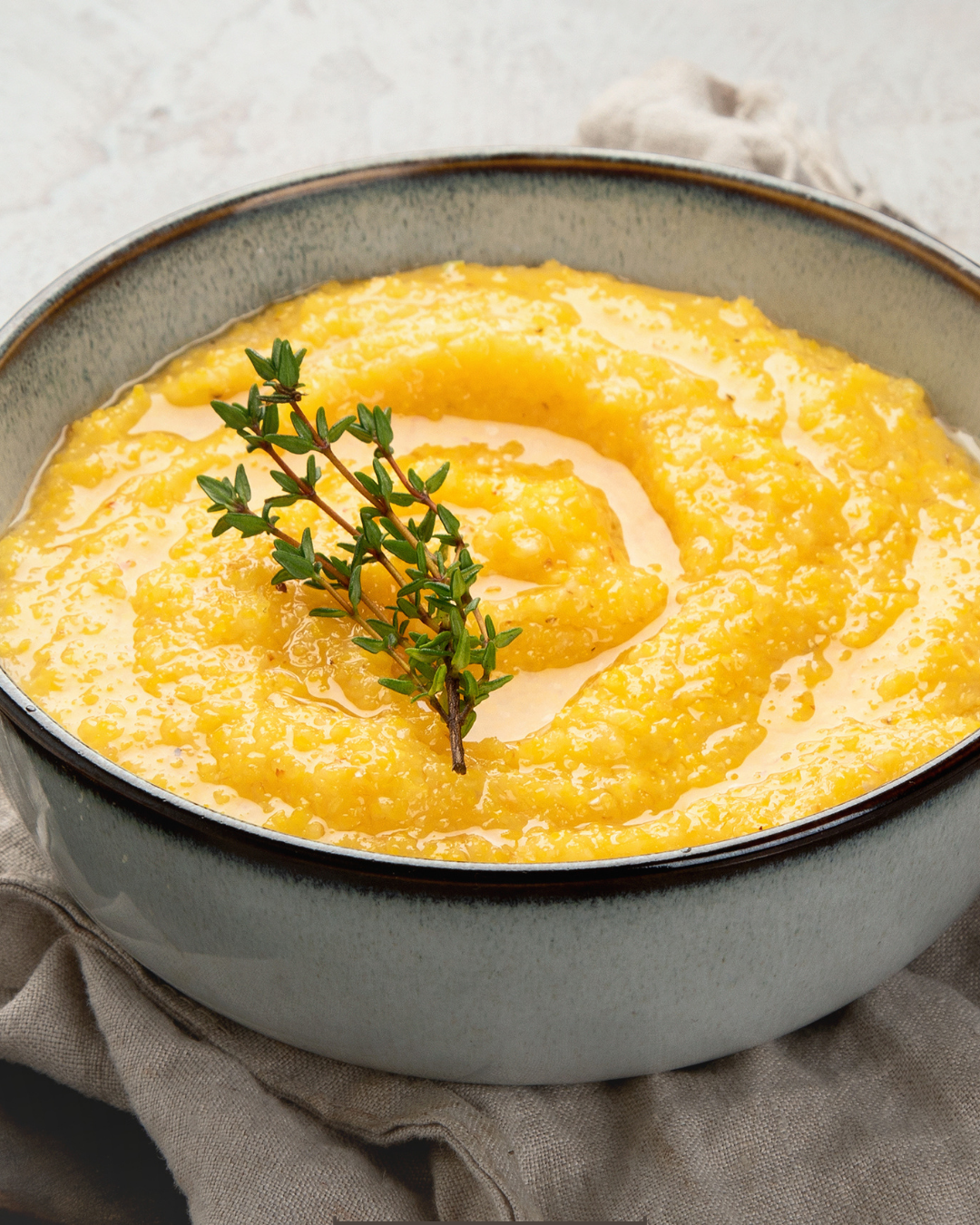
This Gordon Ramsay polenta is proof that comfort food can be luxurious. Polenta is a staple in Italian cuisine, but when crafted the Gordon Ramsay way, it becomes something extraordinary—rich, velvety, and packed with flavor.
Table of Contents
How to Make Gordon Ramsay Polenta
Gordon Ramsay polenta is a creamy Italian-style cornmeal dish, typically enriched with butter, Parmesan cheese, and stock or cream, served as a smooth, savory side dish.
Ingredients
Base Ingredients
- 1 cup cornmeal (medium- or fine-ground): To create a smooth, luscious texture. Traditional polenta calls for cornmeal or polenta grains.
- 4 cups liquid: A combination of chicken stock, milk, and water works best to infuse flavor and achieve creaminess. Try 2 cups stock, 1 cup milk, and 1 cup water for balance.
- ½ cup grated Parmesan cheese: Adds a nutty, salty richness to the finished dish. Use freshly grated Parmesan, as it melts beautifully into the polenta.
- 2 tablespoons unsalted butter: Enhances the creamy texture and gives the dish a luxurious mouthfeel.
- Salt and freshly ground black pepper: Essential for seasoning to taste.
Optional Add-ons and Garnish
- Fresh herbs (parsley, thyme, or chives): For a pop of freshness and flavor.
- Mascarpone or cream (optional): To make the dish even creamier and indulgent.
- Truffle oil or shaved truffles: If you want to go fancy and add depth of flavor.
Instructions
- Boil the Liquid Base: In a medium-sized pot, bring your liquid (chicken stock, milk, and water combo) to a gentle boil. Add a pinch of salt to season the base before incorporating the cornmeal.
- Gradually Add Cornmeal: Once the liquid is boiling, lower the heat to medium and gradually whisk in the cornmeal to avoid any lumps. Pour the cornmeal in slowly in a steady stream, whisking or stirring constantly.
- Cook the Polenta: Reduce the heat to low and let the polenta simmer, stirring frequently. This step prevents the polenta from clumping or sticking to the bottom of the pot. Allow it to thicken as it absorbs the liquid. This process typically takes about 15-20 minutes.
- Incorporate Butter and Cheese: Once the polenta achieves a thick yet creamy consistency, stir in the butter and grated Parmesan cheese. Mix until everything is fully melted and incorporated.
- Season and Taste: Season the polenta with freshly ground black pepper to taste. Adjust salt, if needed, but remember that Parmesan is naturally salty, so be mindful not to over-season.
Serve Immediately or Let It Set:
Option 1: For a creamy texture, serve the polenta right away while it’s still warm and soft.
Option 2: For a firmer texture, pour the polenta into a greased baking dish or pan and allow it to cool and set. Once firm, you can cut it into squares or slices for grilling, frying, or baking.
Pro Tips for Gordon Ramsay Polenta Perfection
- The beauty of polenta is that it takes on the flavor of what you add to it. Using fresh Parmesan, good-quality butter, and flavorful stock will make all the difference.
- Stirring frequently is key to preventing lumps and ensuring the cornmeal cooks evenly. A whisk is especially helpful when you first incorporate the cornmeal.
- While Gordon Ramsay loves blending chicken stock and milk, you can also use vegetable stock for a vegetarian option or go all-out with cream for intense richness.
- Polenta thrives on low, slow cooking. Let it simmer gently and give it time to develop its silky consistency. If it thickens too quickly, add a splash of water or stock to loosen it up.
- To create a restaurant-quality experience, pair your polenta with braised short ribs, roasted vegetables, or even seared scallops. These pair beautifully with the rich and creamy polenta base.
- If letting the polenta set, try grilling or frying the cooled slices for a crispy exterior and soft interior. Top with marinara sauce, sautéed wild mushrooms, or a sprinkling of fresh herbs.
Serving Suggestions
Gordon Ramsay polenta is incredibly versatile. Some wonderful ways to serve it include:
- Topped with a rich red wine reduction sauce and braised lamb shank.
- As a bed for roasted veggies (like asparagus, mushrooms, or zucchini) for a hearty vegetarian meal.
- Alongside seared seafood like salmon or scallops for a refined twist.
- Served plain with a drizzle of truffle oil and fresh parsley for a minimalist, elegant side.
What to serve with
Gordon Ramsay polenta is rich, creamy, and deeply satisfying, making it an excellent base or side dish. Its subtle flavor ensures it pairs beautifully with bold, flavorful accompaniments, whether you’re opting for roasted meats, seafood, vegetables, or sauces.
1. Braised Short Ribs
Braised short ribs with a rich red wine reduction are a crowd-favorite pairing for polenta. The savory, melt-in-your-mouth meat combined with the creaminess of the polenta creates a restaurant-worthy dish.
How to Prepare: Slow-cook beef short ribs in a mixture of red wine, beef stock, garlic, rosemary, and onions for 4-6 hours until tender. Serve the ribs and drizzle the reduction sauce generously over the polenta.
2. Pan-Seared Chicken Thighs
Gordon Ramsay Polenta makes an incredibly comforting side to crispy, golden-brown chicken thighs.
How to Prepare: Season chicken thighs with salt, pepper, and herbs like thyme or paprika before pan-searing them in butter until crispy. Serve atop creamy polenta with a squeeze of lemon for brightness.
For a decadent pairing, serve polenta with braised lamb shank. The combination of tender lamb and creamy Gordon Ramsay Polenta is hard to beat.
How to Prepare: Slow-cook lamb shank in a sauce made from garlic, shallots, rosemary, red wine, and tomato paste. Ladle the lamb and sauce over a bowl of polenta for hearty comfort food.
Ingredients Substitutes
Polenta is a simple dish, but each ingredient plays a key role in achieving its ideal texture, flavor, and richness.
1. Cornmeal (Main Base Ingredient)
The cornmeal is the foundation of polenta, so finding the right substitute is critical.
Substitutes for Cornmeal:
Polenta Flour/Medium or Coarse Cornmeal (if using fine cornmeal): If you only have fine cornmeal or corn flour, your polenta will turn out smoother rather than with the signature grainy texture. You can use it, but reduce the cooking time slightly as fine cornmeal absorbs liquid faster.
- Grits: Grits are similar to polenta in texture but are made from white corn (hominy) instead of yellow corn. Use grits for a Southern twist on polenta, and adjust cooking time as they tend to cook faster.
- Semolina: Semolina, made from durum wheat, has a texture similar to coarse cornmeal. While it doesn’t mimic the nutty flavor of cornmeal, its creaminess makes it an acceptable alternative. Use the same ratio as cornmeal.
- Quinoa Flakes/Millet: For gluten-free alternatives with slightly different flavors, ground millet or quinoa flakes can replace cornmeal. Expect a softer, slightly nuttier polenta.
2. Liquid Base (Water, Chicken Stock, Milk)
The liquid used in polenta significantly impacts the flavor profile and creaminess. Gordon Ramsay often uses a mix of chicken stock and milk for enhanced flavor and richness, but many alternatives are available.
Substitutes for Chicken Stock:
- Vegetable Stock: Ideal for a vegetarian version of polenta, vegetable stock brings similar depth of flavor as chicken stock. Choose a stock that’s mild in flavor so it doesn’t overwhelm the cornmeal.
- Beef or Mushroom Broth: For a more robust polenta, mushroom or beef broth works beautifully, especially if serving the polenta with braised meats or roasted mushrooms.
- Water: If you don’t have any stock on hand, you can use water. However, you’ll need to season the polenta well with salt, pepper, herbs, and cheese to compensate for the lack of flavor from the stock.
Substitutes for Milk:
- Plant-Based Milk: Unsweetened almond milk, soy milk, oat milk, or cashew milk can replace dairy milk for a vegan-friendly option. Stick to neutral-flavored plant-based milk to avoid clashing flavors.
- Cream or Half-and-Half: If milk isn’t available, use cream or half-and-half for an extra indulgent and creamy polenta. You may need to add a splash of water or stock to thin it out.
- Coconut Milk: To add a mildly sweet, tropical flair (great for seafood pairings), use coconut milk. Choose unsweetened coconut milk for best results.
3. Parmesan Cheese
Freshly grated Parmesan cheese gives polenta its nutty, salty richness. If you don’t have Parmesan on hand, you can use other cheeses that melt well.
Substitutes for Parmesan Cheese:
- Pecorino Romano: A slightly saltier option with a sharper flavor, Pecorino Romano is an excellent substitute for Parmesan. Use slightly less due to its richer taste.
- Grana Padano: Similar to Parmesan, Grana Padano has a nutty, mellow flavor that works well in polenta dishes.
- Cheddar Cheese: For a creamier, slightly sharper alternative, use grated cheddar cheese. This works especially well if serving polenta with savory meats like braised beef.
- Nutritional Yeast (Vegan Substitute): For a vegan-friendly option, nutritional yeast gives polenta a cheesy, umami-like flavor. Use 1-2 tablespoons and adjust to your preference.
- Swiss or Gouda: These mild cheeses melt well and add creaminess while offering a slightly different flavor profile.
4. Butter (For Creaminess)
Butter is critical to creating Gordon Ramsay’s signature velvety polenta, but alternatives can achieve similar results.
Substitutes for Butter:
- Olive Oil: To keep the dish dairy-free, extra virgin olive oil can replace butter. Add it toward the end of cooking to maintain its flavor and create a silky texture.
- Plant-Based Margarine: A vegan-friendly alternative, plant-based margarine works well for a buttery flavor.
- Coconut Oil: For a subtle tropical taste and creamy texture, coconut oil can substitute well (particularly for polenta served with seafood).
- Mascarpone Cheese or Cream: Add a dollop of mascarpone cheese or heavy cream for an ultra-luxurious finish if butter isn’t available.
Final Thoughts
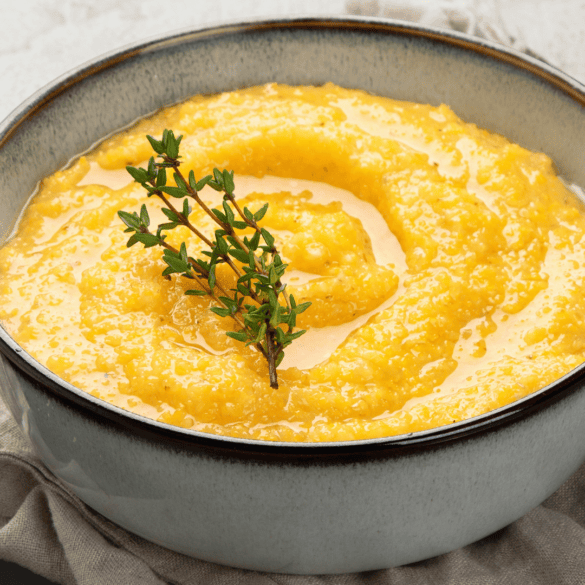
Gordon Ramsay Polenta is incredibly forgiving, and with the right substitutions, you can tailor it to your kitchen staples, dietary preferences, or flavor profile while keeping the dish delicious.
Ingredients
Base Ingredients
- 1 cup cornmeal (medium- or fine-ground)
- 4 cups liquid
- ½ cup grated Parmesan cheese
- 2 tablespoons unsalted butter
- Salt and freshly ground black pepper: Essential for seasoning to taste.
Optional Add-ons and Garnish
- Fresh herbs (parsley, thyme, or chives)
- Mascarpone or cream (optional)
- Truffle oil or shaved truffles
Instructions
- Boil the Liquid Base: In a medium-sized pot, bring your liquid (chicken stock, milk, and water combo) to a gentle boil. Add a pinch of salt to season the base before incorporating the cornmeal.
- Gradually Add Cornmeal: Once the liquid is boiling, lower the heat to medium and gradually whisk in the cornmeal to avoid any lumps. Pour the cornmeal in slowly in a steady stream, whisking or stirring constantly.
- Cook the Polenta: Reduce the heat to low and let the polenta simmer, stirring frequently. This step prevents the polenta from clumping or sticking to the bottom of the pot. Allow it to thicken as it absorbs the liquid. This process typically takes about 15-20 minutes.
- Incorporate Butter and Cheese: Once the polenta achieves a thick yet creamy consistency, stir in the butter and grated Parmesan cheese. Mix until everything is fully melted and incorporated.
- Season and Taste: Season the polenta with freshly ground black pepper to taste. Adjust salt, if needed, but remember that Parmesan is naturally salty, so be mindful not to over-season.
Discover more from Gordon Ramsay Dish
Subscribe to get the latest posts sent to your email.