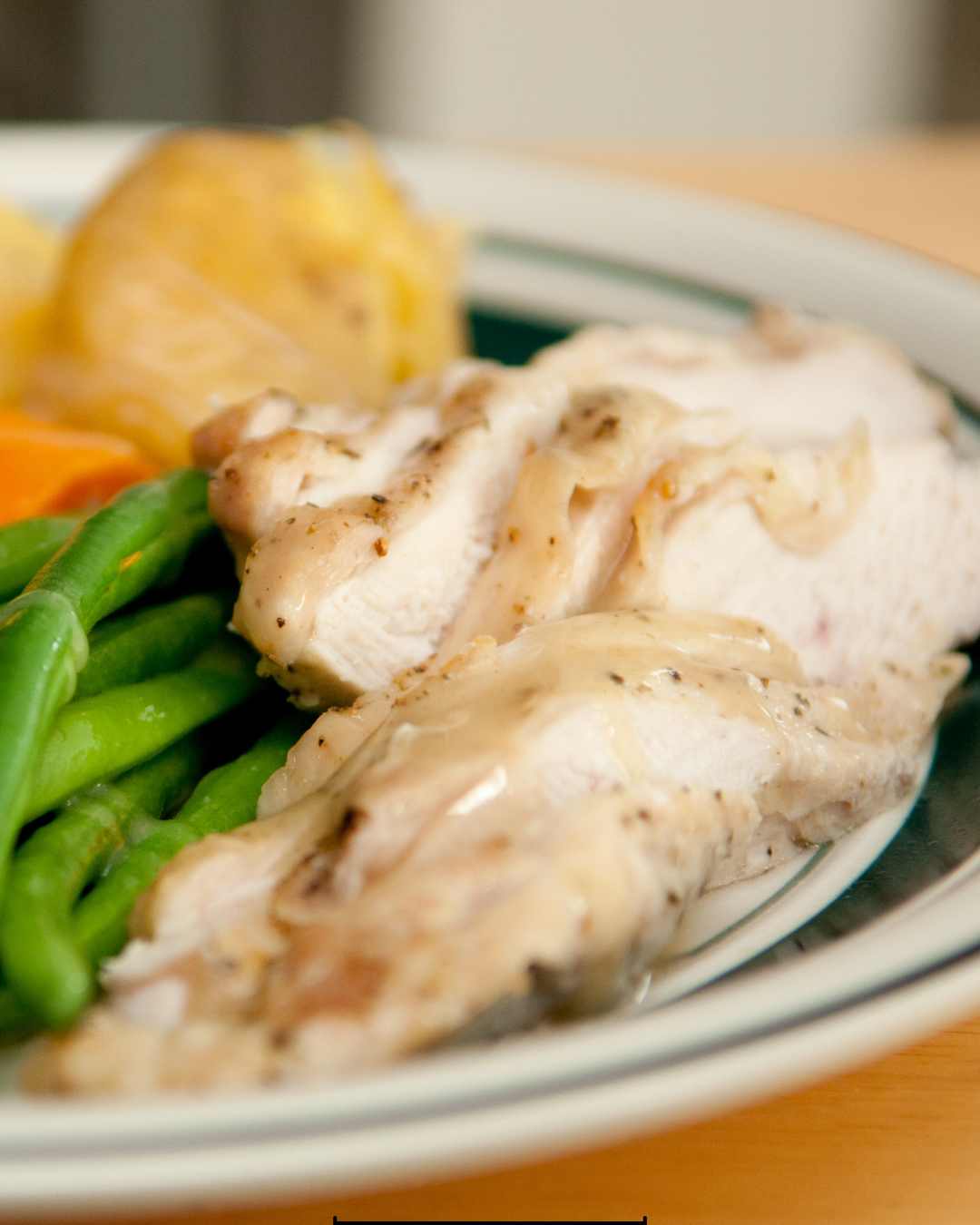
I decided to look into Ramsay’s method for poaching chicken. What I discovered was a game-changer—a recipe that doesn’t just yield tender, flavorful meat but also provides an incredibly versatile ingredient to elevate any meal. Gordon Ramsay Poached Chicken looks and tastes gourmet, yet it’s so comforting and wholesome you’ll make it again and again.
When it comes to perfection in the kitchen, few chefs can match the precision and flair of Gordon Ramsay. Known for his bold flavors and no-nonsense approach to cooking, Ramsay has mastered the art of transforming basic ingredients into dishes that steal the show.
Table of Contents
How to make Gordon Ramsay Poached Chicken
Gordon Ramsay poached chicken is a dish made by gently cooking chicken in a flavorful liquid, such as stock or water, at a low temperature until the chicken is tender and fully cooked. It is known for being moist, tender, and lightly flavored, rather than browned or fried.
Ingredients:
For 4 servings, you’ll need:
Chicken: 2 medium-sized chicken breasts (skinless and boneless) or 1 whole chicken, depending on your preference.
Poaching Liquid: 4 cups of chicken stock or water (Gordon Ramsay often recommends using a good-quality homemade stock for maximum flavor).
Aromatics:
- 3 garlic cloves, smashed
- 1 onion, quartered
- 1 leek, cleaned and sliced (optional)
- 1 celery stick, chopped
- 1 carrot, peeled and chopped
Herbs:
- 3 sprigs of thyme
- 2 bay leaves
- 2 sprigs of parsley
- Seasonings:
- 1 teaspoon black peppercorns
- 2 teaspoons sea salt or to taste
Extras for Flavor (Optional):
- Juice and zest of ½ lemon
- 1 tablespoon olive oil (to drizzle before serving for added richness)
- Fresh ginger slices (for a subtle, aromatic touch)
Instructions:
1. Prepare the Chicken:
- If you’re using a whole chicken, rinse it under cold water and pat it dry with paper towels. Tie the legs together with butcher’s twine (trussing ensures even cooking).
- For chicken breasts, season lightly with salt and pepper.
2. Prepare the Poaching Liquid:
- In a large pot, combine the chicken stock (or water) with the aromatics (garlic, onion, leek, celery, and carrot).
- Add the herbs (thyme, bay leaves, parsley), peppercorns, and salt.
- For extra brightness, squeeze the juice of half a lemon into the liquid and add the lemon zest. This elevates the flavor profile of the chicken beautifully.
- Bring the mixture to a gentle simmer. Avoid boiling—this is key to preventing tough, rubbery chicken.
3. Poaching the Chicken:
- Submerge the chicken in the poaching liquid, ensuring it is fully covered.
- For chicken breasts: Cook them at a gentle simmer (170–180°F or 75–80°C) for about 15–20 minutes, or until the internal temperature reaches 165°F (74°C).
- For a whole chicken: Allow it to simmer for 1–1.5 hours (depending on its size). Check the internal temperature in the thickest part of the chicken; it should read 165°F (74°C).
- During poaching, skim off any foam or impurities that rise to the surface. This keeps your broth clear and appealing.
4. Rest the Chicken:
- Once cooked, carefully remove the chicken from the pot and place it on a clean plate.
- Cover the chicken with foil and let it rest for about 5–10 minutes. This ensures the juices redistribute evenly throughout the meat, keeping it moist.
5. (Optional) Use the Poaching Liquid:
- Strain the poaching liquid into a separate bowl using a mesh strainer. This flavorful broth can be used to make sauces, soups, or as a light base for rice or vegetables!
Tips for Success:
- Ramsay often emphasizes layering flavors—don’t hold back on the herbs, spices, and aromatics in your poaching liquid. These elements infuse the chicken with incredible depth, even though the technique is simple.
- Poaching requires gentle heat. If the liquid starts bubbling vigorously, lower the heat immediately. The goal is to see small, soft ripples in the liquid, not rolling boils.
- Overcooking can ruin the texture of the chicken. Use a meat thermometer for accuracy. Remove the chicken as soon as its internal temperature hits 165°F (74°C).
- Before serving, sprinkle the chicken with a pinch of flaky sea salt, cracked black pepper, and a light drizzle of olive oil to elevate the flavor further. Or pair it with a sauce like lemon beurre blanc, creamy mustard, or even chimichurri for added flair.
- If you don’t plan to serve it whole, chop or shred the poached chicken and use it in dishes like chicken salad, sandwiches, wraps, tacos, or stir-fries. Poached chicken is incredibly versatile!
What to serve with Gordon Ramsay Poached Chicken
Gordon Ramsay poached chicken is known for its tender, juicy texture and delicate flavors. Because of its simplicity, it’s a blank canvas you can pair with a variety of sides, sauces, and garnishes to create a complete, satisfying meal.
- Steamed or Blanched Greens: Go for fresh and crunchy greens to balance the delicate texture of the chicken:Roasted Root Vegetables:
- Sweet and earthy roasted root veggies complement the chicken beautifully. Roasted vegetables provide a satisfying textural contrast to the tender chicken.
- Herbed Salad: A light, crisp salad adds freshness to the dish
- Mushrooms: Sautéed mushrooms cooked with garlic and fresh thyme offer a savory, earthy depth.
Ingredients Substitutes
While Gordon Ramsay poached chicken recipe relies on aromatic ingredients, herbs, and a flavorful liquid base, you may sometimes need to adjust the recipe to use what’s available in your pantry.
1. Chicken
Primary Ingredient: Skinless, boneless chicken breasts or a whole chicken.
Substitutes:
- Chicken thighs: A great alternative because they are naturally juicier and more forgiving to cook. They also poach beautifully and stay tender even if slightly overcooked.
- Bone-in chicken pieces: Drumsticks or bone-in thighs add flavor from the bones. Cooking time will increase slightly.
- Turkey breast: A lean alternative for a larger cut of meat that is also mild in flavor and works well with poaching.
- Duck breast: If you’re looking to add a richer, gamey flavor, duck breast can work wonderfully. Be sure to adjust your poaching liquid with complementary flavors (e.g., orange zest or star anise).
- Vegetarian/Vegan option: Substitute the chicken with firm tofu or tempeh. They absorb flavor well and make for a satisfying plant-based version.
2. Cooking Liquid (Chicken Stock or Water)
Primary Ingredient: Chicken stock or water is often used as the base for poaching. The stock enhances flavor, while water provides a cleaner, more neutral base.
Substitutes:
- Vegetable stock: Use for a lighter or vegetarian option; it will still provide depth of flavor.
- Bone broth: Offers a richer, more intense flavor compared to chicken stock.
- Dashi broth: A Japanese broth made with kombu (seaweed) and bonito fish flakes can be used if you want a more umami-rich profile.
- Coconut milk + water: For a tropical or Southeast Asian spin, mix coconut milk with water or stock.
- Diluted tomato juice: For a heartier and slightly acidic base, blend tomato juice with water or broth.
3. Aromatics (Onion, Garlic, Celery, Leek, and Carrot)
Aromatics add depth to the poaching liquid and enhance the chicken’s overall flavor. Here are potential substitutions for each:
- Onion: Substitute with shallots, scallions, or even finely chopped chives for a milder flavor.
- Garlic: Substitute with garlic powder for a less pungent but still aromatic flavor. You can also use roasted garlic for a sweeter, more mellow garlic taste.
- Celery: Use fennel stalks for a slightly sweeter, licorice-like flavor.
- Leek: Substitute with more onions, green onions, chives, or scallions.
- Carrot: Substitute with parsnips, sweet potato, butternut squash, or pumpkin for a sweeter flavor.
4. Herbs (Thyme, Bay Leaves, Parsley, etc.)
Herbs are crucial for creating a vibrant and aromatic poaching liquid. However, substitutions can help you customize the flavor while working with what you have on hand.
- Thyme: Substitute with rosemary, savory, or marjoram.
- Bay Leaves: Substitute with other woody herbs like dried oregano or sage, which will add a similarly earthy base flavor.
- Parsley: Substitute with fresh cilantro for a brighter, more citrus-like flavor.
5. Seasonings (Salt and Peppercorns)
Adjust these basic seasonings to taste or based on dietary preferences.
- Salt: Use sea salt, kosher salt, or pink Himalayan salt depending on what’s available. You can also reduce the amount of sodium by using a low-sodium stock.
- Peppercorns: Cracked black or white peppercorns can be used instead of whole.
Final Thoughts
Gordon Ramsay poached chicken is a versatile star of the table, and its elegance lies in its simplicity. Pair it with the right mix of sides, sauces, and garnishes to create a meal that feels both luxurious and wholesome.
More Chicken Recipes:
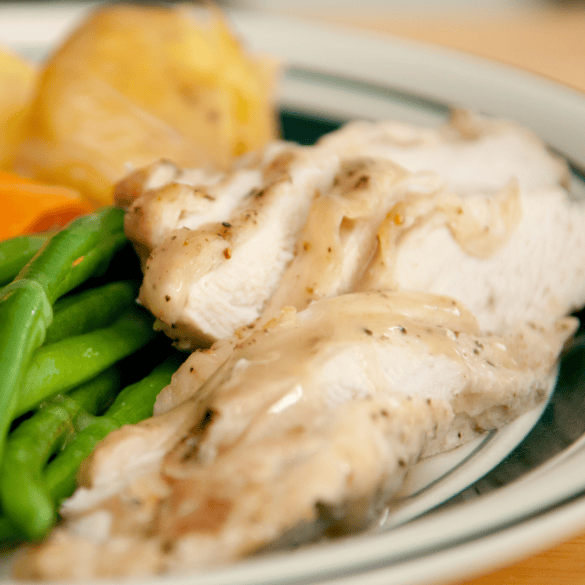
Ingredients
Chicken: 2 medium-sized chicken breasts
Poaching Liquid: 4 cups of chicken stock or water
Aromatics:
- 3 garlic cloves, smashed
- 1 onion, quartered
- 1 leek, cleaned and sliced (optional)
- 1 celery stick, chopped
- 1 carrot, peeled and chopped
Herbs:
- 3 sprigs of thyme
- 2 bay leaves
- 2 sprigs of parsley
- Seasonings:
- 1 teaspoon black peppercorns
- 2 teaspoons sea salt or to taste
Extras for Flavor (Optional):
- Juice and zest of ½ lemon
- 1 tablespoon olive oil
- Fresh ginger slices (for a subtle, aromatic touch)
Instructions
1. Prepare the Chicken:
- If you’re using a whole chicken, rinse it under cold water and pat it dry with paper towels. Tie the legs together with butcher’s twine (trussing ensures even cooking).
- For chicken breasts, season lightly with salt and pepper.
2. Prepare the Poaching Liquid:
- In a large pot, combine the chicken stock (or water) with the aromatics (garlic, onion, leek, celery, and carrot).
- Add the herbs (thyme, bay leaves, parsley), peppercorns, and salt.
- For extra brightness, squeeze the juice of half a lemon into the liquid and add the lemon zest. This elevates the flavor profile of the chicken beautifully.
- Bring the mixture to a gentle simmer. Avoid boiling—this is key to preventing tough, rubbery chicken.
3. Poaching the Chicken:
- Submerge the chicken in the poaching liquid, ensuring it is fully covered.
- For chicken breasts: Cook them at a gentle simmer (170–180°F or 75–80°C) for about 15–20 minutes, or until the internal temperature reaches 165°F (74°C).
- For a whole chicken: Allow it to simmer for 1–1.5 hours (depending on its size). Check the internal temperature in the thickest part of the chicken; it should read 165°F (74°C).
- During poaching, skim off any foam or impurities that rise to the surface. This keeps your broth clear and appealing.
4. Rest the Chicken:
- Once cooked, carefully remove the chicken from the pot and place it on a clean plate.
- Cover the chicken with foil and let it rest for about 5–10 minutes. This ensures the juices redistribute evenly throughout the meat, keeping it moist.
5. (Optional) Use the Poaching Liquid:
- Strain the poaching liquid into a separate bowl using a mesh strainer. This flavorful broth can be used to make sauces, soups, or as a light base for rice or vegetables!
Discover more from Gordon Ramsay Dish
Subscribe to get the latest posts sent to your email.