If you’re like me, you may have been a bit intimidated to try making it yourself. After all, we’ve all heard tales of sauces splitting, eggs scrambling, or worse—a kitchen disaster. But what if you could learn from one of the best chefs in the world? That’s where Gordon Ramsay comes in. Gordon Ramsay Hollandaise Sauce is a lesson in precision, balance, and mastering the basics of French cuisine.
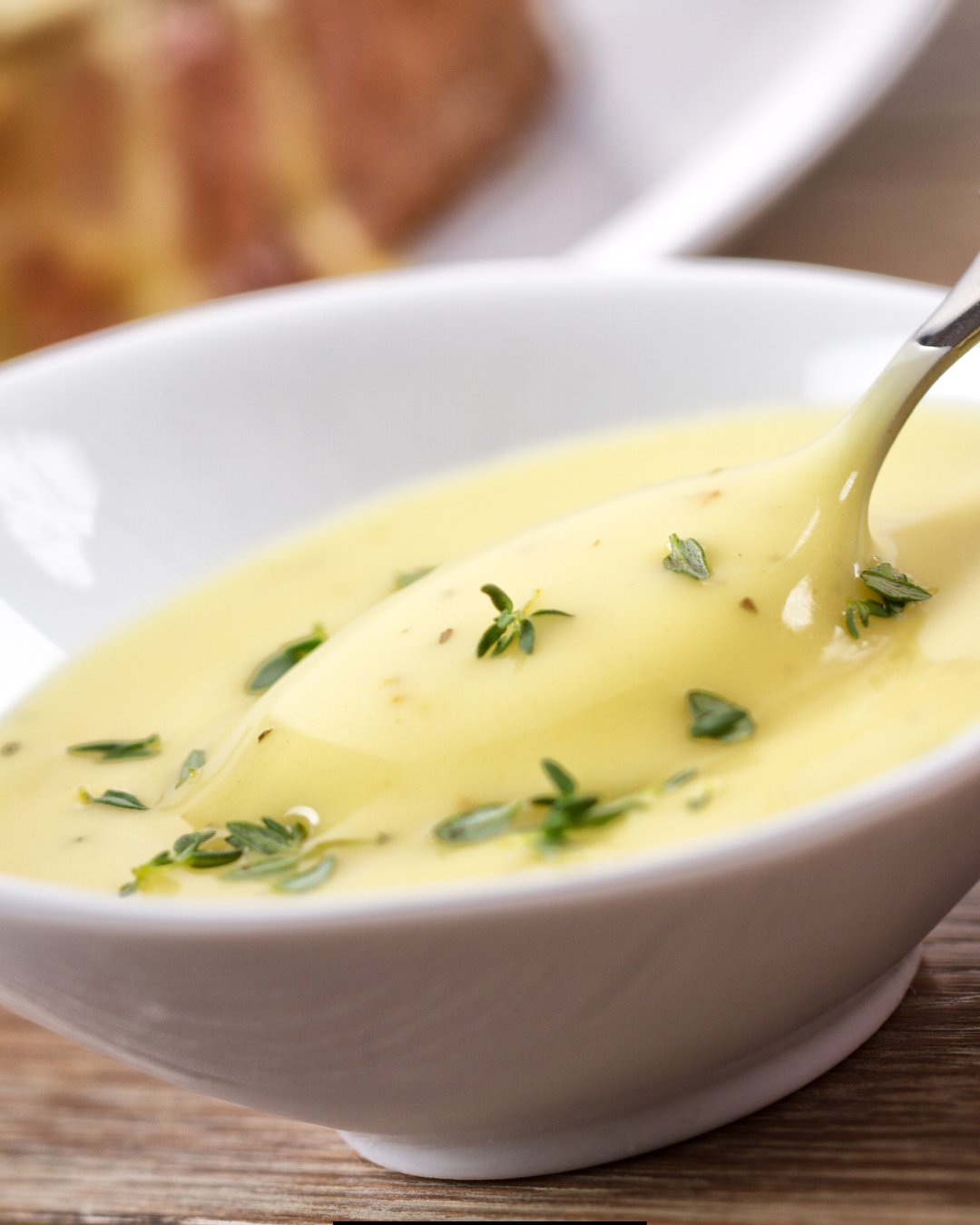
Its creamy, velvety texture, paired with that signature tang of lemon and buttery richness, can elevate even the simplest of dishes into gourmet territory.
Why Make Gordon Ramsay Hollandaise Sauce?
Gordon Ramsay’s recipes are all about technique and flavor without unnecessary frills. With his straightforward guidance, achieving a flawless Hollandaise sauce at home can be surprisingly simple. Mastering this staple sauce will not only elevate your dishes at home but will also give you confidence in tackling other classic recipes in your kitchen.
How to make Gordon Ramsay Hollandaise Sauce
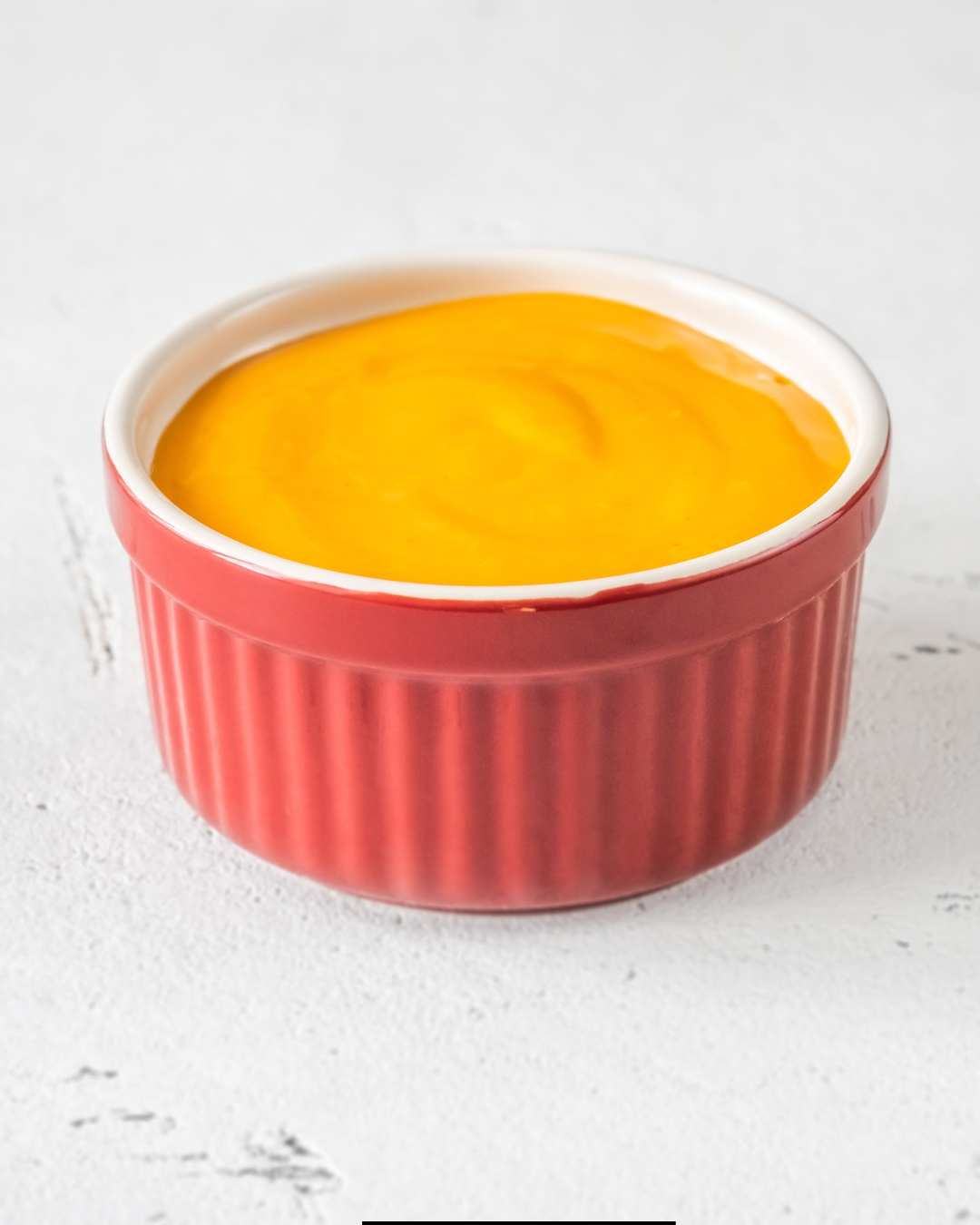
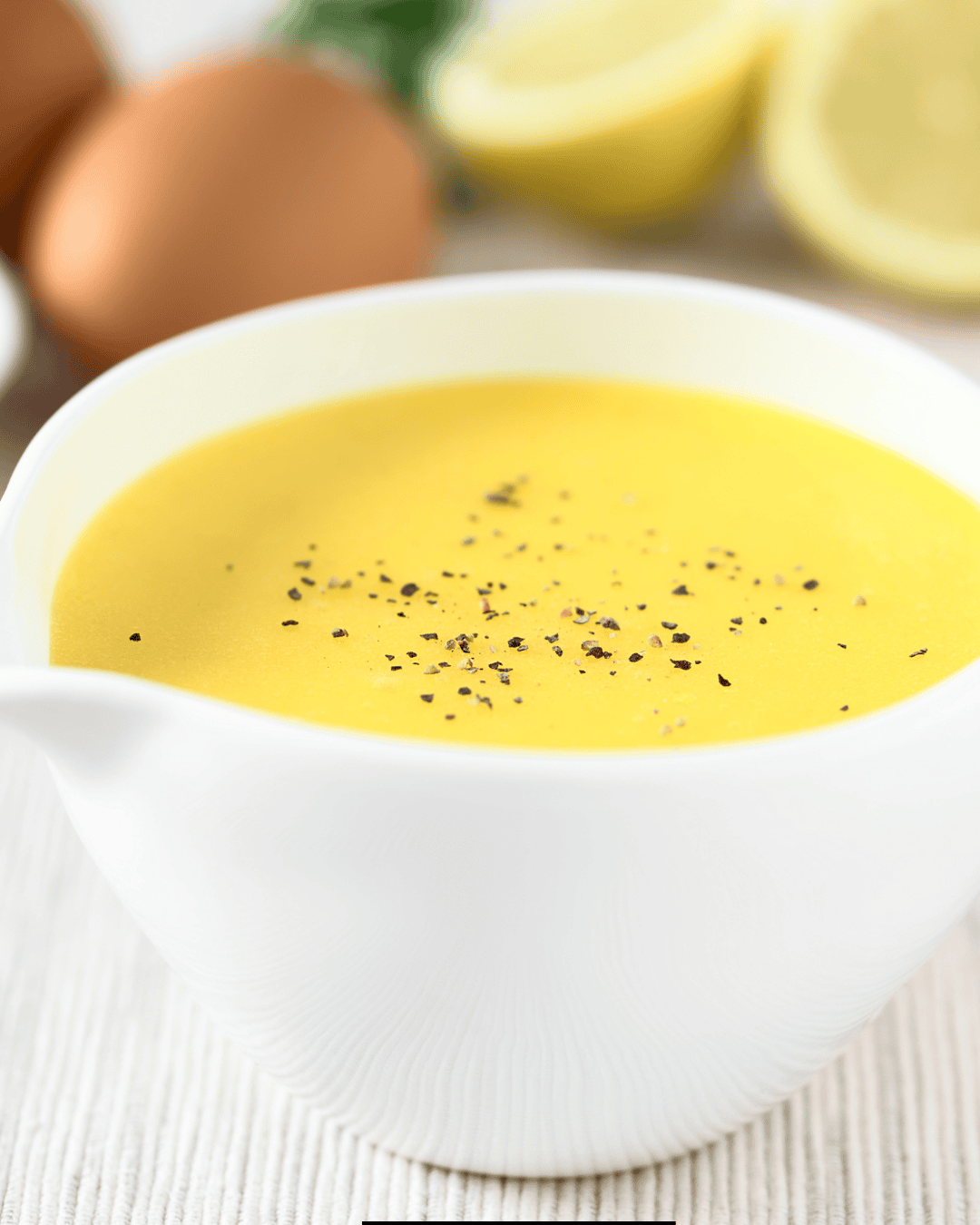
Gordon Ramsay Hollandaise Sauce is a rich, creamy butter-and-egg sauce prepared by emulsifying egg yolks with melted butter and lemon juice or vinegar, typically served with dishes such as Eggs Benedict, vegetables, fish, and seafood.
Ingredients
To make Gordon Ramsay Hollandaise sauce, you’ll need just a few key ingredients:
- 3 large egg yolks: Essential for creating the rich, creamy base of the sauce.
- 1 tbsp white wine vinegar (or lemon juice): For a subtle tangy kick and to stabilize the emulsion.
- 1 tbsp water: Helps loosen the mixture and makes it easier to whisk into a smooth texture.
- 200g (7 oz) unsalted butter: The star of the show, delivering that unmistakable richness. Make sure it’s melted and warm, not hot.
- A squeeze of lemon juice (to taste): Adds freshness and balances the richness of the butter and eggs. Adjust according to personal preference.
- Salt and freshly ground white pepper: For seasoning, with white pepper maintaining the sauce’s pristine appearance.
- Optional: You can experiment by adding a pinch of cayenne pepper or Dijon mustard for a subtle twist on flavor.
Instructions
Step 1: Prepare a Double Boiler
- Fill a medium saucepan with 2 inches of water, and bring it to a gentle simmer over medium-low heat.
- Place a heatproof bowl over the saucepan, ensuring it doesn’t touch the water (this prevents overheating).
Step 2: Whisk the Egg Mixture
- In the heatproof bowl, add the egg yolks, white wine vinegar, and water.
- Using a whisk, vigorously mix the ingredients until the mixture is pale and slightly thickened. This step helps create the base of the emulsion.
- Chef’s Tip: Use a balloon whisk and whisk continuously—don’t stop—even as your arm gets tired. Consistent motion is the key to avoiding clumps or curdled eggs.
Step 3: Slowly Add the Butter
- Slowly drizzle the melted butter into the egg mixture while continuing to whisk constantly. Start with just a few drops at a time, allowing the eggs to absorb the butter gradually.
- As the sauce begins to thicken and emulsify, you can add the melted butter in a slow, steady stream while whisking briskly.
- Chef’s Tip: If your sauce starts to thicken too quickly or seems too dense, add a teaspoon of water to loosen it. This will maintain a smooth consistency without compromising the flavor.
Step 4: Season the Sauce
- Once all the butter is incorporated, remove the bowl from the heat.
- Stir in a squeeze of lemon juice to brighten the flavor.
- Add salt and white pepper to taste, adjusting the flavor as necessary. Taste frequently to ensure you get the balance just right.
Step 5: Serve Immediately
- Transfer your finished Gordon Ramsay Hollandaise Sauce to a serving bowl and serve it warm. It’s an excellent accompaniment to dishes like eggs Benedict, steamed asparagus, poached salmon, or roasted vegetables.
- Chef’s Tip: If you are not ready to serve the sauce immediately, keep it warm by placing the bowl over a pan of lukewarm (not hot!) water and giving it an occasional whisk. Avoid overheating, as this can cause the sauce to separate.
Pro Tips for Perfect Gordon Ramsay Hollandaise Sauce
- Use Low Heat: High heat will scramble the eggs. Stick to a moderate heat for gentle cooking. Patience is key.
- Melt Butter Carefully: When melting butter, don’t let it overheat. You want the butter to be warm, not sizzling hot, when you incorporate it into the eggs.
- Rescue a Broken Sauce: If your Hollandaise sauce splits, don’t panic! Remove it from heat and whisk in a teaspoon of cold water or whisk a fresh egg yolk in a separate bowl and slowly incorporate the broken sauce into the new yolk.
- Control Consistency: A classic Hollandaise should be thick enough to coat the back of a spoon. If your mixture gets too thick, whisk in a small amount of warm water until the desired consistency is achieved.
- Plan to Serve Fresh: Hollandaise sauce doesn’t store well and might separate or solidify when refrigerated. Be sure to make it fresh and serve shortly after preparation for the best results.
Ingredients Substitutes
Hollandaise sauce is famously velvety, buttery, and tangy—a classic in French cuisine that’s versatile enough to elevate almost any dish. While Gordon Ramsay Hollandaise Sauce recipe calls for simple and basic ingredients, it’s good to know what substitutions you can use if you don’t have access to the originals or need to make adjustments due to dietary restrictions or preferences.
1. Egg Yolks
Egg yolks are the backbone of Hollandaise sauce, creating the creamy base and helping to thicken the emulsion. If you don’t have eggs or prefer a vegan alternative, here are some options:
Substitutes:
- Silken Tofu: Blend ¼ cup of silken tofu per egg yolk. It mimics the creamy texture of egg yolks and is a great plant-based substitute.
- Aquafaba (Chickpea Water): Whisk aquafaba (liquid from canned chickpeas) until frothy and use as a stabilizing and thickening agent. While it doesn’t add richness like egg yolks, it can help create a base for the sauce.
- Cashew Cream: Soak cashews in water and blend into a smooth cream that works as a thickener and base.
2. White Wine Vinegar
White wine vinegar adds acidity and tang to balance the richness of the butter and egg yolks. It also helps stabilize the emulsion. If you don’t have it on hand or need something less acidic, try these alternatives:
Substitutes:
- Lemon Juice: The most common substitute for white wine vinegar when making Hollandaise sauce. Use the same amount (1 tablespoon) for that fresh, zesty flavor.
- Apple Cider Vinegar: This offers a milder yet slightly fruity acidity similar to white wine vinegar. Use the same quantity as listed in the recipe.
- Rice Wine Vinegar: A gentle alternative that’s slightly sweeter but works just as well to add acidity to the sauce.
- White Balsamic Vinegar: Use sparingly because it has a sweeter profile than white wine vinegar.
3. Melted Butter
Butter is the heart of Hollandaise sauce, providing its smooth texture and indulgent richness. But if you’re looking for healthier, dairy-free, or flavor-altering substitutions, there are plenty of options.
Substitutes:
- Clarified Butter/Ghee: A richer version of butter, but it’s still made from dairy. If allowed, ghee creates a nuttier and more intense flavor in Hollandaise.
- Plant-Based Butter: Vegan butters made from oils like coconut, almond, or olive can replace regular butter. Choose brands that closely mimic the taste of dairy butter for best results.
- Coconut Oil: Its mild flavor can work in many sauces, though it adds a slightly sweet, nutty taste.
- Olive Oil: Use high-quality extra virgin olive oil for a lighter, heart-healthier alternative to butter. While it lacks the creaminess of butter, it still emulsifies well with egg yolks.
4. Lemon Juice
Lemon juice brightens the sauce and gives Hollandaise its refreshing tang. If you don’t have lemons in your kitchen, there are other solutions:
Substitutes:
- Lime Juice: Lime provides a similar acidity to lemon and works well as a replacement. Use the same amount (a squeeze or teaspoon).
- Vinegar: Already listed as an ingredient, you can use additional vinegar (white wine vinegar or apple cider vinegar) instead of lemon juice.
- Citric Acid: Mix a touch of citric acid powder with water to replicate the tartness of lemon juice.
- Cream of Tartar: Adding a pinch of cream of tartar can create acidity and stabilize the emulsion, complementing other flavors like vinegar.
5. Salt
Salt enhances the overall flavor of the Hollandaise sauce, bringing out the richness and tangy notes. If you’re looking for alternatives to regular table salt or wanting to add a twist, here are some ideas:
Substitutes:
- Kosher Salt or Sea Salt: Use these for a cleaner, more refined taste compared to table salt.
- Herbal Salt: Adds an extra layer of nuance. Think rosemary or thyme-infused salt.
- Tamari or Soy Sauce (for a unique umami twist): A few drops can substitute salt and add depth of flavor to the sauce.
6. White Pepper
White pepper achieves the perfect seasoning for Hollandaise sauce while maintaining its pristine pale appearance. Black pepper, while flavorful, creates specks that disrupt the sauce’s visual appeal.
Substitutes:
- Black Pepper: If appearance isn’t important, black pepper can be used for the same peppery bite. Freshly ground is best.
- Cayenne Pepper: For a subtle heat and a touch of spice, a pinch of cayenne can add an interesting twist to the sauce.
- Paprika: Offers a smoky, mild heat and a slight sweetness if you want to get creative.
Final Thoughts
By using these substitutions and following Gordon Ramsay Hollandaise Sauce technique, you’ll be able to create your own customized version of Hollandaise sauce—no matter what ingredients you do (or don’t) have in your kitchen.
More Sauce Recipes:
Ingredients
- 3 large egg yolks: Essential for creating the rich, creamy base of the sauce.
- 1 tbsp white wine vinegar (or lemon juice)
- 1 tbsp water
- 200g (7 oz) unsalted butter
- A squeeze of lemon juice (to taste)
- Salt and freshly ground white pepper
- Optional: You can experiment by adding a pinch of cayenne pepper
Instructions
Step 1: Prepare a Double Boiler
- Fill a medium saucepan with 2 inches of water, and bring it to a gentle simmer over medium-low heat.
- Place a heatproof bowl over the saucepan, ensuring it doesn’t touch the water (this prevents overheating).
Step 2: Whisk the Egg Mixture
- In the heatproof bowl, add the egg yolks, white wine vinegar, and water.
- Using a whisk, vigorously mix the ingredients until the mixture is pale and slightly thickened. This step helps create the base of the emulsion.
- Chef’s Tip: Use a balloon whisk and whisk continuously—don't stop—even as your arm gets tired. Consistent motion is the key to avoiding clumps or curdled eggs.
Step 3: Slowly Add the Butter
- Slowly drizzle the melted butter into the egg mixture while continuing to whisk constantly. Start with just a few drops at a time, allowing the eggs to absorb the butter gradually.
- As the sauce begins to thicken and emulsify, you can add the melted butter in a slow, steady stream while whisking briskly.
- Chef’s Tip: If your sauce starts to thicken too quickly or seems too dense, add a teaspoon of water to loosen it. This will maintain a smooth consistency without compromising the flavor.
Step 4: Season the Sauce
- Once all the butter is incorporated, remove the bowl from the heat.
- Stir in a squeeze of lemon juice to brighten the flavor.
- Add salt and white pepper to taste, adjusting the flavor as necessary. Taste frequently to ensure you get the balance just right.
Step 5: Serve Immediately
- Transfer your finished Gordon Ramsay Hollandaise Sauce to a serving bowl and serve it warm. It’s an excellent accompaniment to dishes like eggs Benedict, steamed asparagus, poached salmon, or roasted vegetables.
- Chef’s Tip: If you are not ready to serve the sauce immediately, keep it warm by placing the bowl over a pan of lukewarm (not hot!) water and giving it an occasional whisk. Avoid overheating, as this can cause the sauce to separate.
Discover more from Gordon Ramsay Dish
Subscribe to get the latest posts sent to your email.