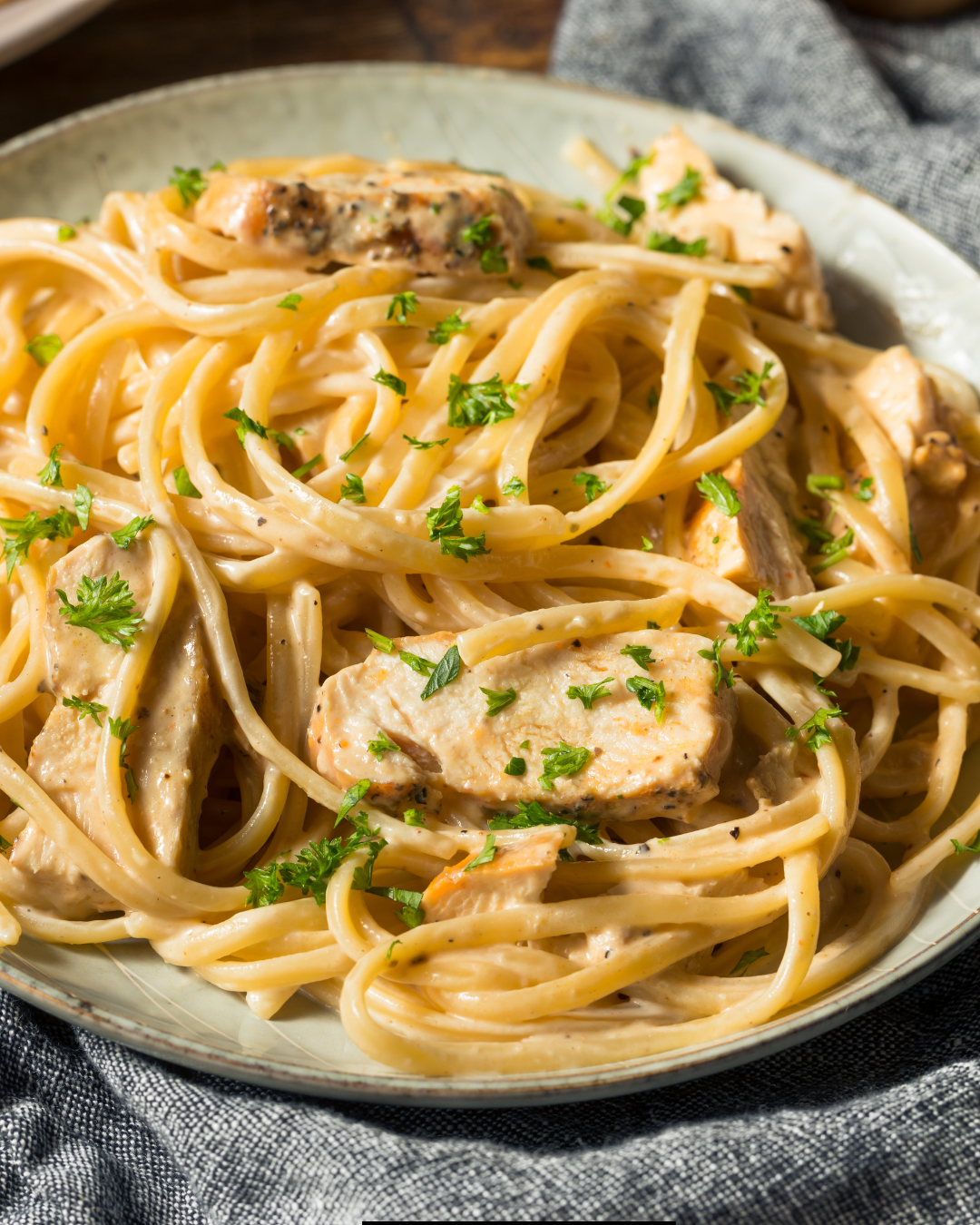
Ever since I first tried this Gordon Ramsay Sausage Bolognese recipe, it’s become a regular on my dinner table—perfect for a cozy dinner with the family or even impressing guests at a dinner party. What I love most is how approachable it is; you don’t need to be a Michelin-starred chef to master this dish. With the right ingredients and a bit of patience, you’ll create a restaurant-worthy pasta dish that’s bursting with flavor.
If you’re a fan of traditional Italian cooking but love a bold twist, you’re in for a treat! This dish takes the comforting, hearty essence of a classic Bolognese and amps it up with the rich, savory flavor of sausage.
How to make Gordon Ramsay Sausage Bolognese
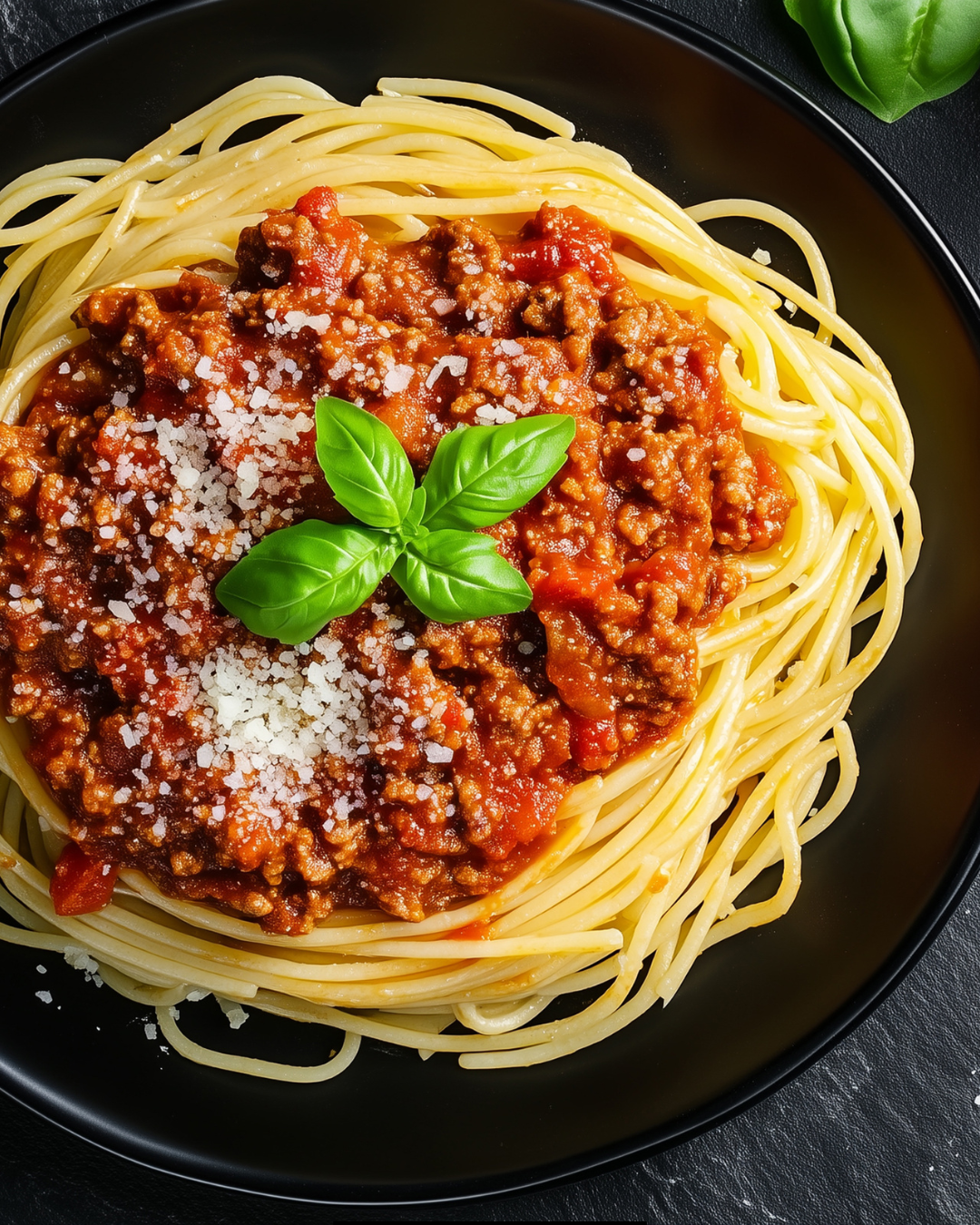
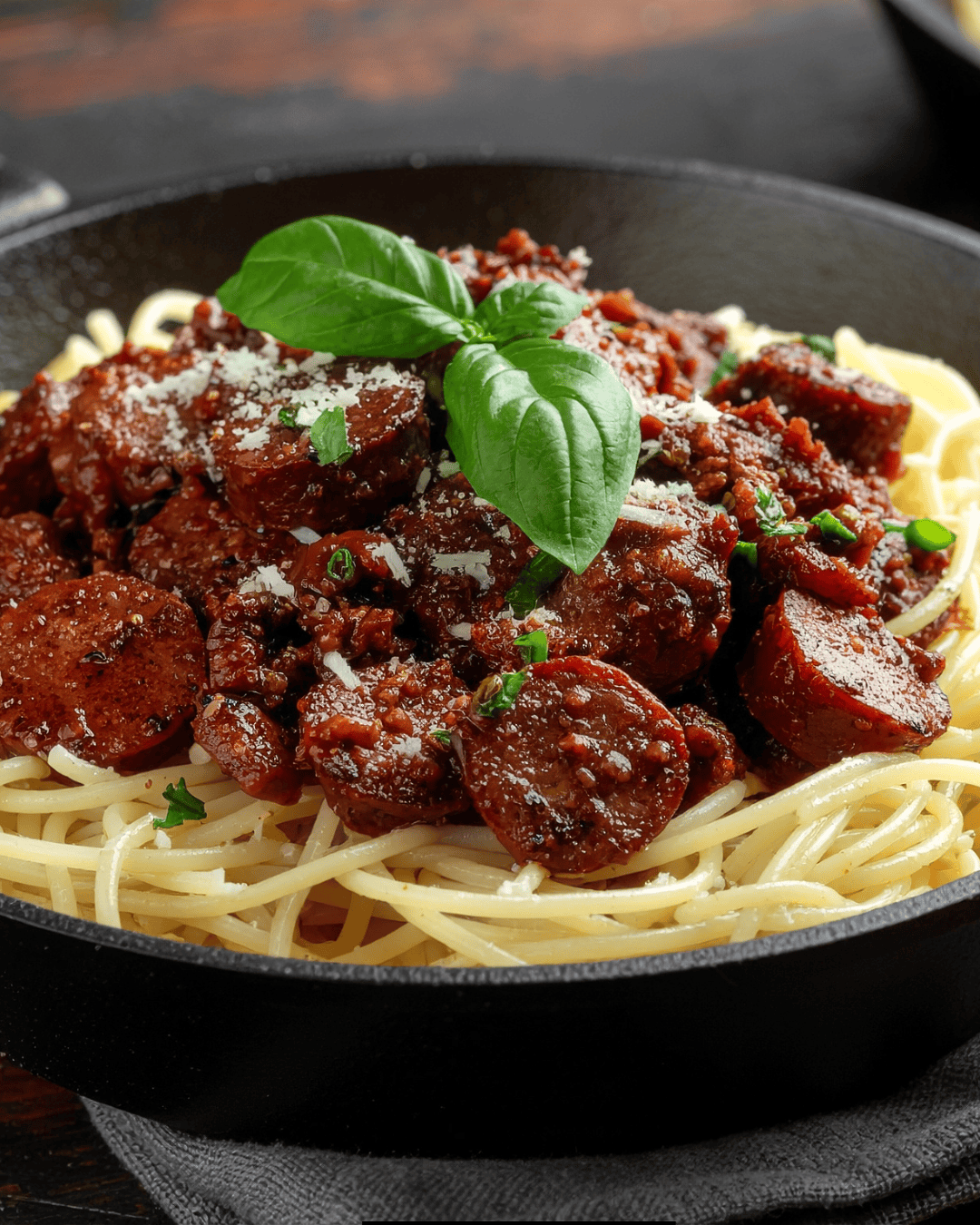
Gordon Ramsay sausage Bolognese is a variation of the classic Italian meat sauce that uses Italian-style sausages (with their casings removed) instead of, or alongside, minced beef. The sausage adds more fat, herbs, and seasoning, giving the sauce a richer, more savory flavor.
Ingredients
For the Sauce:
- Italian sausages (6 links, casings removed) – Use either sweet, mild, or spicy sausages depending on your flavor preferences.
- Olive oil (2 tablespoons) – For sautéing.
- Onion (1 large, finely diced) – Adds a sweet and savory base.
- Carrots (2, finely diced or grated) – Brings a subtle sweetness to balance the richness of the sausage.
- Celery (2 stalks, finely diced) – Adds a layer of earthy flavor.
- Garlic (3–4 cloves, minced) – For that aromatic kick.
- Tomato paste (2 tablespoons) – Intensifies the tomato flavor in the sauce.
- Canned crushed tomatoes (1 can, approx. 14 ounces) – The main tomato base for the sauce.
- Chicken or beef stock (½ cup) – Adds depth and richness.
- White or red wine (¼ cup) – For deglazing and adding complexity.
- Milk (½ cup) – Helps to mellow out the acidity of the tomatoes.
- Fresh thyme or oregano leaves (1 teaspoon, chopped) – Adds a fragrant herbaceous note.
- Bay leaves (2) – For added aroma.
- Parmesan cheese (½ cup, finely grated) – To finish off the dish.
For the Pasta:
- Pasta (400g) – Traditional Bolognese pairs well with tagliatelle, pappardelle, or spaghetti, but any pasta shape works.
- Salt – To season the pasta water.
To Garnish:
- Fresh basil leaves – For topping.
- Extra grated Parmesan – Optional, but highly recommended.
Instructions
Step 1: Prepare the Ingredients
- Remove the casings from the sausages and break the meat into small pieces.
- Chop your onion, carrots, celery, and garlic finely. You want them to soften and dissolve into the sauce as it cooks.
Step 2: Build the Flavor Base
- Heat olive oil in a large saucepan or Dutch oven over medium heat.
- Add the onion, carrots, and celery. Sauté for about 5–7 minutes, or until the vegetables are soft and slightly golden.
- Add the garlic and cook for another 1–2 minutes, making sure not to burn it.
Step 3: Cook the Sausages
- Increase the heat to medium-high and add the crumbled sausage meat to the pot. Cook until browned, stirring occasionally to break it apart into small crumbles. This should take about 5–7 minutes.
- Once the sausage is cooked, add the tomato paste and stir it through. Let it cook for 1–2 minutes to bring out its natural sweetness and deepen the flavor.
Step 4: Deglaze the Pan
- Pour in the wine and scrape the bottom of the pan with a wooden spoon to lift up all the flavorful browned bits that are stuck.
- Cook for 1–2 minutes until the wine slightly reduces and the alcohol cooks off.
Step 5: Simmer the Sauce
- Add the crushed tomatoes, chicken or beef stock, fresh herbs, and bay leaves. Stir well to combine.
- Season with a pinch of salt and pepper, but go easy on the salt as the sausage and Parmesan will also add saltiness later.
- Lower the heat to a gentle simmer, cover partially, and let the sauce cook for about 30–40 minutes. Stir occasionally to prevent sticking. The longer it cooks, the deeper the flavor will develop.
Step 6: Finish with Milk
- About 10 minutes before serving, stir in the milk. This mellows out the acidity of the tomatoes and gives the sauce a creamy consistency.
Step 7: Cook the Pasta
- Bring a large pot of salted water to a boil and cook your chosen pasta until al dente, according to package instructions.
- Reserve about ½ cup of the pasta water before draining.
Step 8: Combine Pasta and Sauce
- Add the cooked pasta directly to the sauce and toss to coat. If needed, add a splash of the reserved pasta water to help the sauce cling to the noodles.
- Stir in grated Parmesan cheese for extra creaminess.
Step 9: Serve
- Plate your pasta and top with extra grated Parmesan, a sprinkle of fresh basil leaves, and a drizzle of olive oil.
- Pair with garlic bread or a simple green salad for a complete Gordon Ramsay Sausage Bolognese.
Tips for Success
- Pick High-Quality Sausages: The quality of your sausages directly affects the Gordon Ramsay Sausage Bolognese dish’s flavor. Opt for flavorful Italian-style sausages because they’re often already seasoned with herbs and spices.
- Don’t Skip the Wine: Wine adds depth to the sauce, but if you don’t use alcohol, substitute with a splash of balsamic vinegar or extra stock.
- Simmer for Depth: The magic of any Bolognese lies in the slow simmering process, which allows the flavors to meld and intensify. Don’t rush it!
- Save Pasta Water: Adding starchy pasta water helps the sauce coat the pasta better and adds a nice silkiness.
- Get Creative: Add mushrooms, spinach, or even a pinch of chili flakes for added depth and heat.
- Make Ahead: Gordon Ramsay Sausage Bolognese tastes even better the next day as the flavors have time to deepen. Store in the fridge for up to 3 days or freeze for later use.
Ingredients Substitutes
Gordon Ramsay Sausage Bolognese is a flavorful and hearty dish, but you may not always have every ingredient on hand, or you might want to cater to dietary needs (e.g., vegetarian, vegan, low-carb, or gluten-free). The beauty of a dish like this is its adaptability—there’s so much you can swap without compromising on flavor.
1. Sausages (Main Protein)
Original Ingredient: Italian pork sausages (traditional recipe uses sausage meat without casings).
This is the key protein, offering depth of flavor with spices and fat.
Substitutes:
- Other types of sausages: Any pork, chicken, or turkey sausage will work. Note that regular breakfast sausage or bratwurst can be used, but consider adding extra Italian seasoning if they aren’t spiced.
- Ground meat: Use ground pork, beef, chicken, turkey, or a mix. To mimic the flavor of sausages, mix in 1 teaspoon of fennel seeds, ½ teaspoon of paprika, 1 teaspoon of crushed red pepper, and a pinch of salt and black pepper per pound of meat.
Vegetarian or Vegan Option:
- Crumbled firm tofu: Press and crumble the tofu, then cook it with olive oil, garlic, smoked paprika, and a dash of soy sauce for flavour.
- Plant-based sausage products: Brands like Beyond Meat or Impossible offer sausage alternatives that work beautifully in this dish.
2. Onion
Original Ingredient: Finely diced onion.
Onions add sweetness and act as the aromatic backbone of the sauce.
Substitutes:
- Shallots or leeks: Provide a milder, sweeter flavor in place of the onion.
- Green onion (scallions): Use the white part for a close substitute.
- Onion powder: A good backup. Use ½–1 teaspoon of onion powder for every onion in the recipe.
- Fennel bulb or celeriac (celery root): Adds a slightly sweet, earthy flavor.
3. Carrots
Original Ingredient: Diced or grated carrots.
Carrots bring a natural sweetness to offset the acidity of the tomatoes.
Substitutes:
- Parsnips or sweet potatoes: These root vegetables can replicate the sweetness of carrots, though they’ll give a slightly different flavor.
- Pumpkin or butternut squash puree: Adds a subtle sweetness and creamy texture.
- Extra onions: Use a slightly larger amount of onion to make up for the carrot’s sweetness.
4. Celery
Original Ingredient: Finely diced celery.
This adds an earthy, slightly bitter note and additional depth to the soffritto mixture.
Substitutes:
- Bell peppers: Especially green or yellow peppers, which can replicate some of that herbal flavor.
- Fennel: Its slightly anise-like flavor can substitute well for celery. Use sparingly.
- Leek greens: The darker leaves have a similar earthiness to celery.
- If no fresh options are available, skip the celery and add ¼ teaspoon of celery seed or a pinch of powdered celery salt (adjust other added salt).
5. Garlic
Original Ingredient: Fresh garlic cloves, minced.
Substitutes:
- Garlic powder or granulated garlic: Use ¼ teaspoon for every clove of garlic.
- Garlic paste: Can replace fresh garlic 1:1 but should be added closer to the end of cooking.
- Shallots or garlic chives: For a milder garlic-like flavor; use slightly more than the recipe calls for.
6. Tomato Paste
Original Ingredient: Tomato paste (to intensify the tomato flavor).
Substitutes:
- Ketchup: While sweeter than tomato paste, it can work in a pinch—use sparingly (1–2 teaspoons) and adjust any added sugar accordingly.
- Tomato purée or diced tomatoes: These are less concentrated. Use 2–3 times as much and let them reduce on low heat for a longer time.
- Sundried tomato paste or pureed roasted red peppers: Adds a slightly different flavor but works well for richness and color.
- Crushed fresh tomatoes: Let them cook down to thicken and replicate the paste’s concentrated flavor.
7. Canned Crushed Tomatoes
Original Ingredient: Canned crushed tomatoes form the sauce’s main base.
Substitutes:
- Canned diced tomatoes: Include a bit of their juice, and either blend them or leave them chunky for a rustic texture.
- Fresh tomatoes: Peel and dice ripe ones, removing seeds if you prefer a smoother sauce. Cook longer to break the tomatoes down.
- Tomato sauce: If using jarred tomato sauce, check for added seasonings or sugar and adjust the Gordon Ramsay Sausage Bolognese recipe accordingly.
- Tomato passata: A great direct substitute, but it may result in a smoother, less chunky sauce.
Final Thoughts
Serving Gordon Ramsay Sausage Bolognese with these sides will create a meal that’s both comforting and elegant.
More Pasta Recipes:
Ingredients
For the Sauce:
- Italian sausages (6 links, casings removed) – Use either sweet, mild, or spicy sausages depending on your flavor preferences.
- Olive oil (2 tablespoons) – For sautéing.
- Onion (1 large, finely diced) – Adds a sweet and savory base.
- Carrots (2, finely diced or grated) – Brings a subtle sweetness to balance the richness of the sausage.
- Celery (2 stalks, finely diced) – Adds a layer of earthy flavor.
- Garlic (3–4 cloves, minced) – For that aromatic kick.
- Tomato paste (2 tablespoons)
- Canned crushed tomatoes (1 can, approx. 14 ounces)
- Chicken or beef stock (½ cup) – Adds depth and richness.
- White or red wine (¼ cup) –
- Milk (½ cup) – Helps to mellow out the acidity of the tomatoes.
- Fresh thyme or oregano leaves (1 teaspoon, chopped)
- Bay leaves (2) – For added aroma.
- Parmesan cheese (½ cup, finely grated) – To finish off the dish.
For the Pasta:
- Pasta (400g)
- Salt – To season the pasta water.
To Garnish:
- Fresh basil leaves – For topping.
- Extra grated Parmesan
Instructions
Step 1: Prepare the Ingredients
- Remove the casings from the sausages and break the meat into small pieces.
- Chop your onion, carrots, celery, and garlic finely. You want them to soften and dissolve into the sauce as it cooks.
Step 2: Build the Flavor Base
- Heat olive oil in a large saucepan or Dutch oven over medium heat.
- Add the onion, carrots, and celery. Sauté for about 5–7 minutes, or until the vegetables are soft and slightly golden.
- Add the garlic and cook for another 1–2 minutes, making sure not to burn it.
Step 3: Cook the Sausages
- Increase the heat to medium-high and add the crumbled sausage meat to the pot. Cook until browned, stirring occasionally to break it apart into small crumbles. This should take about 5–7 minutes.
- Once the sausage is cooked, add the tomato paste and stir it through. Let it cook for 1–2 minutes to bring out its natural sweetness and deepen the flavor.
Step 4: Deglaze the Pan
- Pour in the wine and scrape the bottom of the pan with a wooden spoon to lift up all the flavorful browned bits that are stuck.
- Cook for 1–2 minutes until the wine slightly reduces and the alcohol cooks off.
Step 5: Simmer the Sauce
- Add the crushed tomatoes, chicken or beef stock, fresh herbs, and bay leaves. Stir well to combine.
- Season with a pinch of salt and pepper, but go easy on the salt as the sausage and Parmesan will also add saltiness later.
- Lower the heat to a gentle simmer, cover partially, and let the sauce cook for about 30–40 minutes. Stir occasionally to prevent sticking. The longer it cooks, the deeper the flavor will develop.
Step 6: Finish with Milk
- About 10 minutes before serving, stir in the milk. This mellows out the acidity of the tomatoes and gives the sauce a creamy consistency.
Step 7: Cook the Pasta
- Bring a large pot of salted water to a boil and cook your chosen pasta until al dente, according to package instructions.
- Reserve about ½ cup of the pasta water before draining.
Step 8: Combine Pasta and Sauce
- Add the cooked pasta directly to the sauce and toss to coat. If needed, add a splash of the reserved pasta water to help the sauce cling to the noodles.
- Stir in grated Parmesan cheese for extra creaminess.
Step 9: Serve
- Plate your pasta and top with extra grated Parmesan, a sprinkle of fresh basil leaves, and a drizzle of olive oil.
- Pair with garlic bread or a simple green salad for a complete meal.
Discover more from Gordon Ramsay Dish
Subscribe to get the latest posts sent to your email.