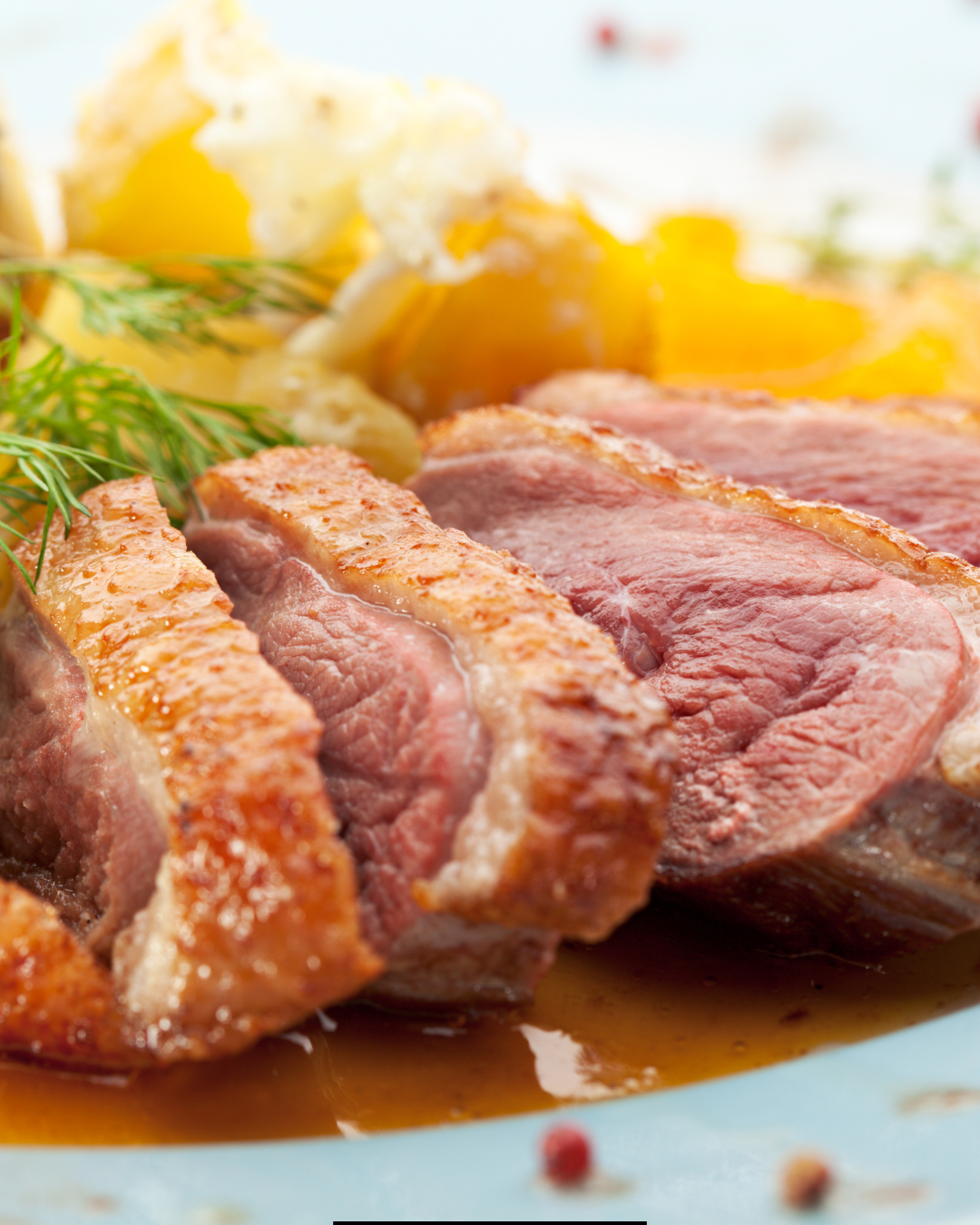
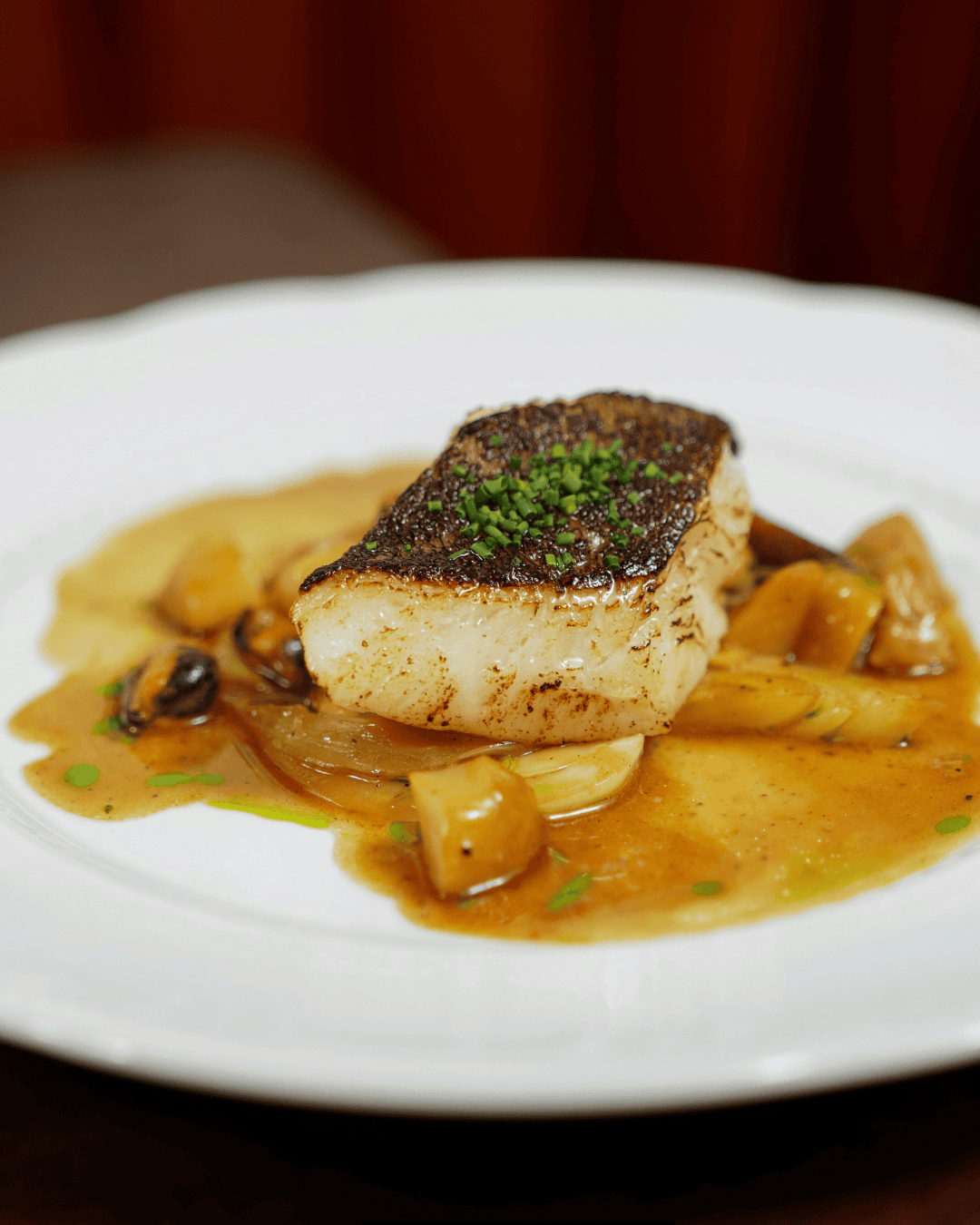
This Gordon Ramsay duck confit recipe is a journey you won’t want to miss. Whether you’re cooking to impress at a dinner party or treating yourself to some well-deserved indulgence, you’ll fall in love with the luxurious textures and flavors this dish has to offer.
When it comes to crafting indulgent, show-stopping dishes that leave your taste buds singing, few chefs do it better than Gordon Ramsay. Known for his passionate approach to fine cooking, Ramsay often takes timeless culinary traditions and elevates them to new heights.
How to make Gordon Ramsay Duck Confit
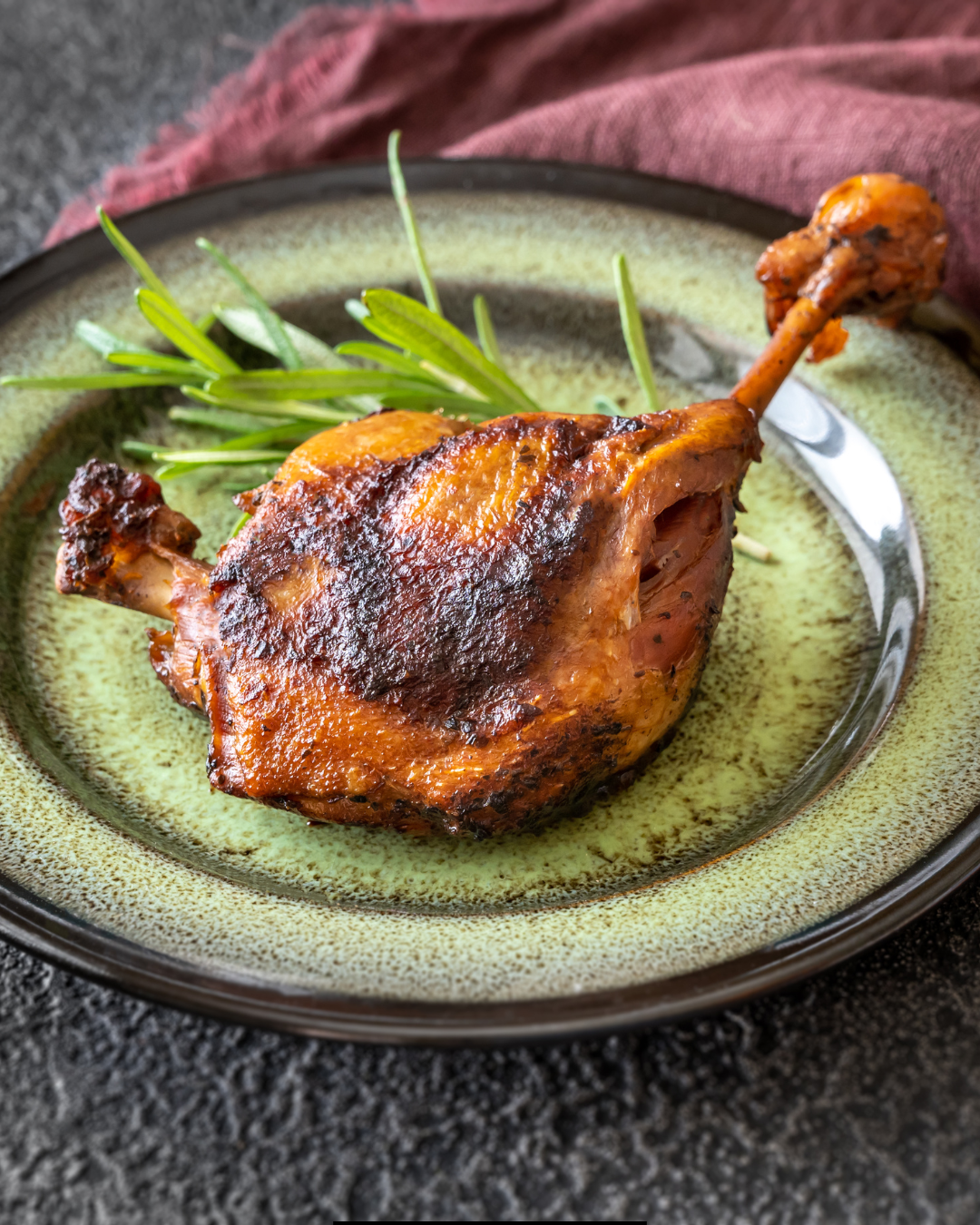
Gordon Ramsay Duck Confit is a French-style duck dish made by slowly cooking seasoned duck legs in their own fat (or added duck fat) until the meat becomes tender and flavorful, then finishing the skin until crisp and golden.
Ingredients
For the Duck Confit:
- 4 duck legs (thigh and drumstick, skin-on)
- 3 cups duck fat (enough to submerge the duck legs; substitute with olive oil if unavailable)
- 2-3 garlic cloves, peeled and lightly crushed
- 2 small shallots, peeled and halved (optional, for enhanced flavor)
- 3 sprigs fresh thyme
- 2 sprigs fresh rosemary (optional, for a deeper herbaceous note)
- 2-3 bay leaves
- 1 teaspoon black peppercorns (crushed or cracked)
- Zest of 1 orange (optional, for a subtle citrus note)
- 3 tablespoons coarse sea salt (for curing)
For Serving (Optional):
- Roasted potatoes, mashed potatoes, or creamy polenta
- Steamed or sautéed vegetables (e.g., green beans, baby carrots)
- Tangy side salad or braised red cabbage
Instructions for Making Duck Confit
Follow these steps to create restaurant-quality Gordon Ramsay Duck Confit at home:
1. Cure the Duck Legs (The Day Before Cooking):
- Rinse the duck legs under cold water and pat them dry with paper towels.
- Rub each duck leg generously with coarse sea salt. Add crushed garlic, black peppercorns, fresh thyme, rosemary (optional), and orange zest (if using). Place everything in a shallow dish or baking tray.
- Cover with plastic wrap and refrigerate the dish for 24 hours. This curing process enhances the duck’s flavor and draws out excess moisture, ensuring tender, flavorful meat.
2. Prepare the Duck Legs for Cooking:
- Preheat your oven to 225°F (110°C).
- Remove the duck legs from the fridge and rinse them thoroughly under cold water to remove the curing salt and seasonings. Pat them completely dry with paper towels.
3. Assemble and Cook the Confit:
- Place the duck legs in a deep, heavy, oven-proof dish or pot (like a Dutch oven). Arrange the garlic cloves, bay leaves, shallots, and other aromatics around the duck legs.
- Melt the duck fat in a separate saucepan over low heat, then pour it over the duck legs until they are fully submerged.
- Cover the dish with a lid or foil, then transfer it to the preheated oven.
- Cook the duck confit for 2.5 to 4 hours, depending on the size of the duck legs. The meat is done when it is fork-tender and pulls away from the bone easily.
4. Crisp the Duck Skin (Before Serving):
- Carefully remove the duck legs from the fat and set them aside. Strain the fat (to remove aromatics and impurities) and store it in an airtight container in the fridge for later use.
- Heat a skillet over medium-high heat. Place the duck legs skin-side down and sear until the skin is golden brown and crispy, about 3-5 minutes.
5. Serve and Enjoy:
- Serve the duck confit immediately with your choice of sides — crispy potatoes, a fresh salad, or even a fruity compote for a sweet-and-savory balance.
Tips for a Perfect Duck Confit
Here are some helpful tips to ensure your Gordon Ramsay Duck Confit turns out perfectly every time:
1. Plan Ahead: Gordon Ramsay Duck Confit is not a quick recipe — it requires at least 1 day to cure the meat and another few hours to cook. However, the flavors are well worth the effort, and the process can be broken into manageable steps.
2. Use High-Quality Duck Fat: Duck fat is the key to authentic duck confit. It imparts incredible flavor and helps keep the duck tender. If you don’t have duck fat, olive oil is a reasonable substitute, though it won’t provide the same aroma and richness.
3. Don’t Skip the Curing Process: The salt cure is essential for seasoning the duck thoroughly and ensuring the best flavor. Just remember to rinse off the excess salt before cooking, or the dish will be overly salty.
What to serve with
Gordon Ramsay Duck Confit is an elegant and indulgent dish, with its incredibly tender, flavorful meat and irresistibly crispy skin. But as with any rich and hearty main course, finding the right accompaniments is essential to balance the richness and elevate the entire dining experience.
1. Potato-Based Sides
Potatoes are a classic pairing with Gordon Ramsay Duck Confit, thanks to their versatility and their ability to soak up the delicious duck fat and juices. Choose one of these options to complement the dish:
a. Crispy Duck Fat Potatoes: Thinly slice or cube waxy potatoes (like Yukon Gold), toss them in reserved duck fat, and roast until golden and crispy.
b. Creamy Mashed Potatoes: A silky, buttery mashed potato is perfect for soaking up the duck’s rich flavors.
c. Pommes Anna (Layered Potatoes): Thinly sliced potatoes are layered with melted butter or duck fat, then baked until tender inside and crispy on top—a visually stunning and deliciously indulgent pairing.
2. Vegetables for Brightness and Texture
Duck confit’s rich and savory profile demands light, vibrant vegetables to brighten the plate. Vegetables can be prepared roasted, steamed, or sautéed — make sure they bring freshness to the table.
a. Roasted Root Vegetables: Roast baby carrots, parsnips, and beets with olive oil (or a small amount of duck fat), salt, pepper, and a drizzle of honey to amplify their natural sweetness. Their earthiness pairs beautifully with the duck.
b. Braised Red Cabbage: Red cabbage cooked with apple cider vinegar, red wine, and a touch of sugar creates a tangy-sweet balance that cuts through the richness of duck confit. This is a perfect way to emulate Gordon Ramsay’s love for contrast on the plate.
c. Steamed Green Beans (Haricots Verts): Lightly steamed haricots verts tossed with a touch of butter, lemon zest, and roasted almonds bring a crispy, refreshing contrast.
d. Asparagus or Brussels Sprouts: Sauté fresh asparagus or Brussels sprouts with garlic, olive oil, and lemon juice. These greens provide vibrancy, crunch, and a hint of bitterness to offset the richness of the duck.
Ingredients Substitutes
Duck confit is a legendary dish that embodies the richness and elegance of classic French cuisine. However, depending on where you live or what’s in your pantry, you might have trouble sourcing specific ingredients like duck fat, fresh duck legs, or even certain herbs.
1. Substituting Duck Legs
The star of the dish is duck legs, which consist of both the drumstick and the thigh. While they are essential in traditional duck confit, there are alternatives:
a. Chicken Legs (Thighs and Drumsticks)
Why use chicken? It’s a more widely available, affordable option. The method for confit works just as beautifully on chicken legs, though the flavor will be milder than duck.
How to adjust: Chicken takes less time to cook than duck since it’s less fatty. You may also want to enhance the flavor by marinating the chicken overnight with additional spices or herbs.
b. Turkey Legs
Why use turkey? Turkey legs are similar in fat content and texture to duck legs, making them an excellent substitute for both the cooking method and flavor profile.
How to adjust: Expect a slightly larger portion size. Turkey legs take a bit longer to confit than duck (closer to 4-5 hours of cooking).
c. Bone-In Pork Shoulder Chunks (as an alternative protein)
Why use pork? If you’re aiming for a twist on traditional confit, pork shoulder chunks (or country-style ribs) offer a fatty and tender alternative.
How to adjust: Season the meat generously with salt and aromatics before cooking.
2. Duck Fat Substitutes
Duck fat is a cornerstone of traditional duck confit, used to cook and preserve the meat. If it’s hard to source or you’re looking for alternatives, here are some substitutes:
a. Chicken Fat (“Schmaltz”)
Why use it? Chicken fat is the most similar in flavor and functionality to duck fat. It’s also widely available or can be rendered at home from chicken skin.
How to adjust: Schmaltz will produce a lighter-tasting confit, but still achieve tender and flavorful meat.
b. Olive Oil
Why use it? Olive oil is a neutral and common substitute. While it won’t replicate the flavor of duck fat, it still provides a moist and slow-cooking medium.
How to adjust: Use extra-virgin olive oil for a slightly fruity undertone, but avoid very expensive oils since they will be strained away after cooking.
c. Lard
Why use it? Pork lard behaves similarly to duck fat and has a rich flavor that works well with confit, especially if combined with herbs.
How to adjust: Pure Lard is a great 1-to-1 substitute for duck fat and will infuse the dish with a slightly savory porky aroma.
d. Butter with Oil Mixture
Why use it? If you’re in a pinch, melted butter combined with a bit of oil (like canola oil) can help mimic duck fat’s consistency.
How to adjust: Use a 60/40 mix of oil to butter to minimize burning while still getting richness.
3. Salt for Curing
Curing duck legs before confit is key for flavor development and removing excess moisture. If coarse sea salt isn’t on hand, try these substitutes:
a. Kosher Salt
Why use it? Kosher salt’s coarse grains mimic sea salt and are excellent for curing meat.
How to adjust: Use the same amount as sea salt but avoid iodized table salt, as it can impart a metallic taste.
b. Himalayan Pink Salt
Why use it? This salt works similarly to sea salt and adds a slightly mineral flavor.
How to adjust: Use it in the same quantity as sea salt but note its color may tinge the meat slightly.
Final Thoughts
Gordon Ramsay Duck confit is one of those dishes that transforms simple ingredients into something truly extraordinary. Inspired by Gordon Ramsay’s love of bold flavors and elegant presentation, this recipe is as much about the journey as it is about the finished result.
Ingredients
- 4 duck legs (thigh and drumstick, skin-on)
- 3 cups duck fat (enough to submerge the duck legs)
- 2-3 garlic cloves, peeled and lightly crushed
- 2 small shallots, peeled and halved (optional, for enhanced flavor)
- 3 sprigs fresh thyme
- 2 sprigs fresh rosemary (optional, for a deeper herbaceous note)
- 2-3 bay leaves
- 1 teaspoon black peppercorns (crushed or cracked)
- Zest of 1 orange (optional, for a subtle citrus note)
- 3 tablespoons coarse sea salt (for curing)
Instructions
1. Cure the Duck Legs (The Day Before Cooking):
- Rinse the duck legs under cold water and pat them dry with paper towels.
- Rub each duck leg generously with coarse sea salt. Add crushed garlic, black peppercorns, fresh thyme, rosemary (optional), and orange zest (if using). Place everything in a shallow dish or baking tray.
- Cover with plastic wrap and refrigerate the dish for 24 hours. This curing process enhances the duck's flavor and draws out excess moisture, ensuring tender, flavorful meat.
2. Prepare the Duck Legs for Cooking:
- Preheat your oven to 225°F (110°C).
- Remove the duck legs from the fridge and rinse them thoroughly under cold water to remove the curing salt and seasonings. Pat them completely dry with paper towels.
3. Assemble and Cook the Confit:
- Place the duck legs in a deep, heavy, oven-proof dish or pot (like a Dutch oven). Arrange the garlic cloves, bay leaves, shallots, and other aromatics around the duck legs.
- Melt the duck fat in a separate saucepan over low heat, then pour it over the duck legs until they are fully submerged.
- Cover the dish with a lid or foil, then transfer it to the preheated oven.
- Cook the duck confit for 2.5 to 4 hours, depending on the size of the duck legs. The meat is done when it is fork-tender and pulls away from the bone easily.
4. Crisp the Duck Skin (Before Serving):
- Carefully remove the duck legs from the fat and set them aside. Strain the fat (to remove aromatics and impurities) and store it in an airtight container in the fridge for later use.
- Heat a skillet over medium-high heat. Place the duck legs skin-side down and sear until the skin is golden brown and crispy, about 3-5 minutes.
5. Serve and Enjoy:
- Serve the duck confit immediately with your choice of sides — crispy potatoes, a fresh salad, or even a fruity compote for a sweet-and-savory balance.
Discover more from Gordon Ramsay Dish
Subscribe to get the latest posts sent to your email.