Gordon Ramsay Foie Gras with its buttery texture and rich flavor, might seem intimidating at first, but trust me, it’s a dish worth mastering.
Imagine creating a dish so luxurious it feels like a piece of culinary art. This dish has graced the tables of Michelin-starred restaurants and been perfected by none other than Gordon Ramsay himself. That’s right, we’re diving into the world of foie gras, interpreted through Chef Ramsay’s unparalleled creativity and expertise.
How to make Gordon Ramsay Foie Gras
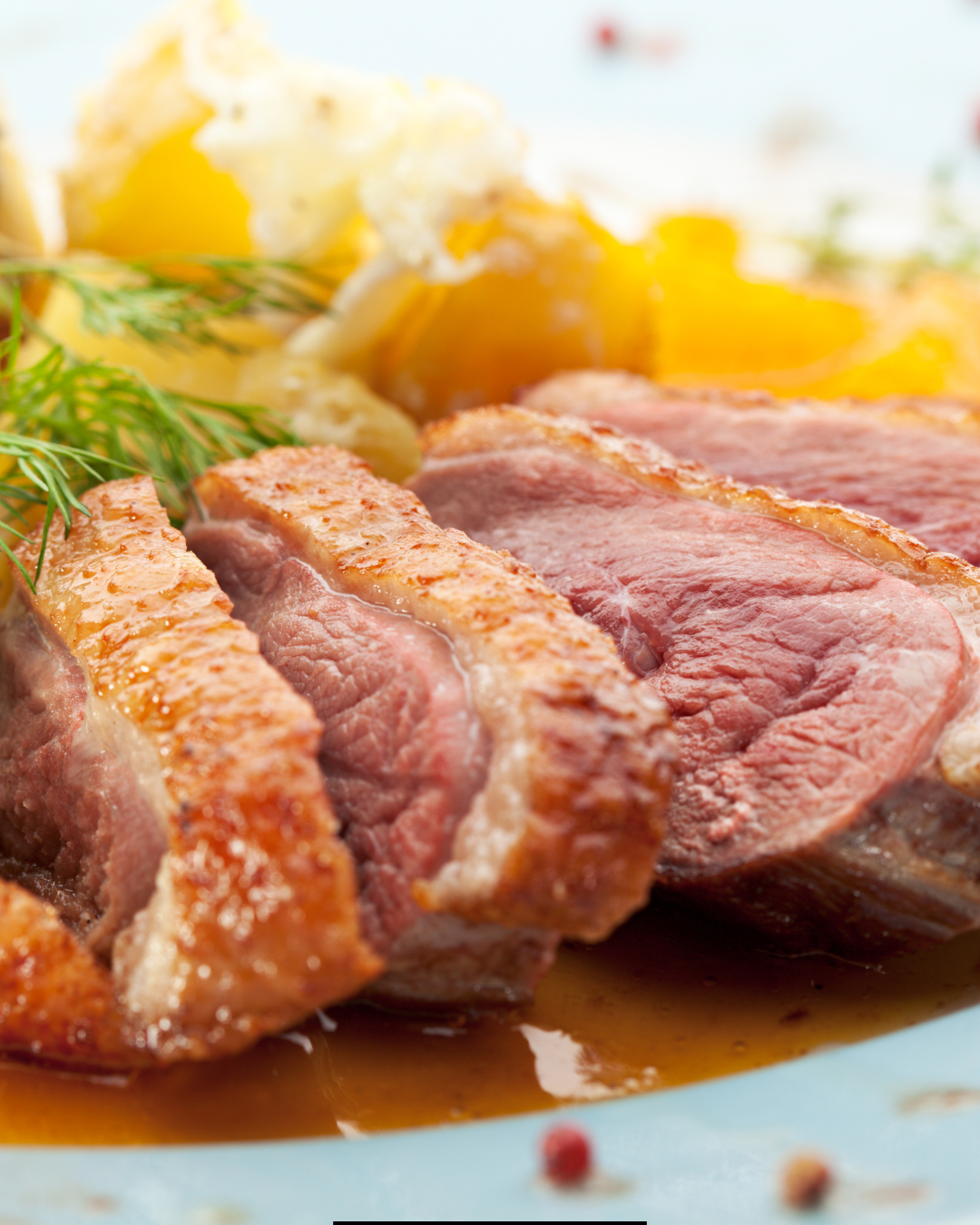
Gordon Ramsay Foie Gras is a French delicacy made from the fatty liver of a duck or goose. It has a very rich, buttery, smooth texture and is commonly served as a pâté, terrine, or seared.
Ingredients
For the Foie Gras:
- 2 slices of fresh foie gras (approximately 1-inch thick, 60-80g each)
- Salt (preferably sea salt or kosher salt)
- Freshly ground black pepper
- Neutral cooking oil (such as grapeseed or vegetable oil, for searing)
For the Accompaniments:
- 1-2 slices of brioche (toasted or grilled, optional but highly recommended for serving)
- Fruit compote or chutney (such as fig, pear, or apple; Ramsay often uses seasonal fruit for balance)
- Fresh herbs (optional, for garnish, e.g., thyme or parsley)
- Demi-Glace or Red Wine Reduction (to create a sauce for serving)
For the Red Wine Reduction Sauce (optional):
- 1 cup red wine (Merlot or Cabernet Sauvignon works well)
- 1 tbsp sugar
- 1 tbsp butter
- Fresh thyme sprigs (optional)
Instructions
Step 1: Preparing the Foie Gras
- Start by chilling the foie gras in the fridge if it isn’t cold already. Cold foie gras is easier to handle and helps prevent it from losing texture during cooking.
- Lightly season the foie gras slices with sea salt and freshly cracked black pepper on both sides. Be generous but not overwhelming.
Step 2: Searing the Foie Gras
- Heat a non-stick skillet or frying pan over medium-high heat. Add a small drizzle of neutral oil to the pan—just enough to lightly coat the surface.
- Once the oil is hot but not smoking, gently lay each slice of seasoned foie gras into the pan.
- Sear for 30 seconds to 1 minute per side, or until a golden-brown crust forms. Foie gras cooks quickly because of its high fat content, so don’t overcook—it should remain soft and creamy inside while crisp on the outside.
- Carefully remove the foie gras slices and place them on a paper towel-lined plate to drain excess oil.
Step 3: Making the Red Wine Reduction Sauce (Optional)
- In the same pan, pour 1 cup of red wine and add 1 tbsp sugar to balance the acidity.
- Simmer over medium heat until the mixture reduces by half, creating a syrupy consistency (approximately 5 minutes). Stir occasionally.
- Add a knob of butter and fresh thyme (if using), whisking until silky.
Step 4: Toasting the Brioche (Optional but Recommended)
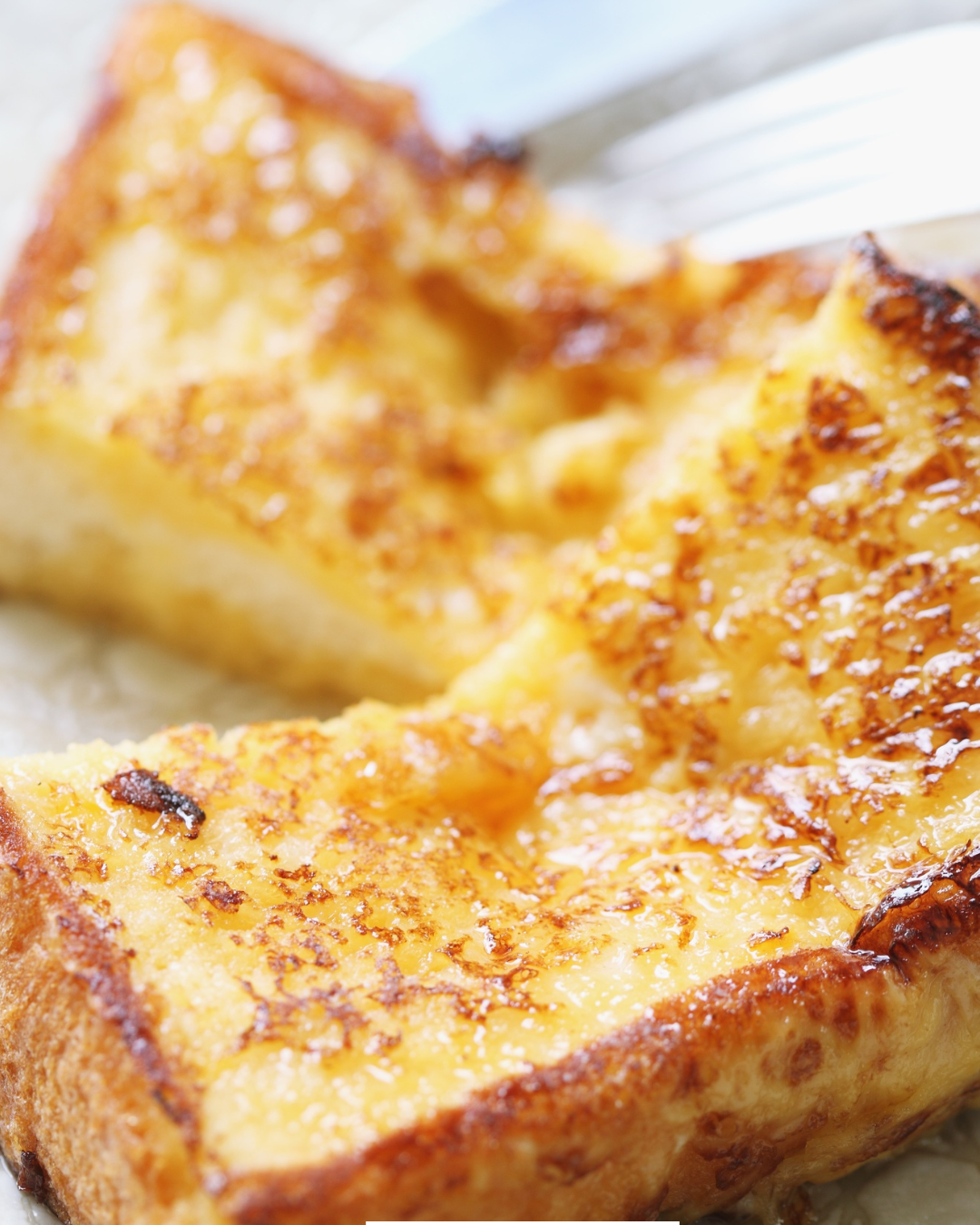
- Toast or lightly grill the slices of brioche until golden brown. This adds a delightful crunch and sweetness to complement the foie gras.
- Assembly & Serving
- Plate the seared foie gras carefully alongside your accompaniments—a smear of fig chutney or fruit compote works wonderfully for color and sweetness.
- Drizzle the red wine reduction sauce around the foie gras or over the toast for added complexity of flavor.
- Garnish with fresh herbs such as thyme or parsley for a touch of aromatic elegance.
Tips for the perfect Gordon Ramsay Foie Gras
- Choose high-quality Gordon Ramsay Foie Gras: Always opt for Grade A foie gras for the best texture and flavor. It should be smooth and free of blemishes.
- Preheat your pan properly: A very hot pan is essential for creating that beautiful crust without melting the foie gras prematurely.
- Handle it gently: Foie gras is delicate, so avoid overhandling or flipping it too many times during cooking.
- Pair wisely: Ramsay often complements the richness of foie gras with balancing elements like acidic fruit-based sauces, crunchy brioche, or bitter greens like arugula.
- Serve immediately: Foie gras should be savored fresh off the stove for the best texture and taste.
Ingredients Substitutes
Gordon Ramsay Foie Gras is a delicacy many wish to recreate at home, but sourcing it and some of its accompanying ingredients can sometimes be a challenge.
Substitutes for Foie Gras
Foie gras is the liver of a duck or goose that has been fattened to achieve its luxurious, buttery texture and unparalleled richness. While nothing provides the identical flavor and luxury of authentic foie gras, there are alternatives to explore:
Why it works: Chicken liver is more affordable, widely available, and also has a mild, rich flavor and creamy texture. It’s a good alternative for your recipe if foie gras isn’t readily accessible.
How to use: Pan-sear chicken livers with butter and finish with a light glaze, similar to the preparation of foie gras. Note that chicken livers are smaller and may require less cook time.
2. Duck or Goose Liver (Non-Fattened)
Why it works: Duck or goose livers (not foie gras) are the closest alternative to authentic foie gras in flavor. They have similar notes of gaminess, though they lack the signature buttery texture of foie gras.
How to use: Treat them similarly to foie gras—season and sear in a hot pan, but be mindful that these livers may release more liquid as they do not have the same fat content.
3. Pâté de Foie or Mousse
Why it works: High-quality pâtés or mousses can replicate the overall flavor profile of foie gras. Look for options made with duck or goose liver for authenticity.
How to use: Serve cold or warmed slightly on toasted bread as a topping instead of preparing seared slices. While it offers less of the luxurious presentation of seared foie gras, it’s a very practical and flavorful substitute.
4. Vegan Alternatives
For those who avoid animal products, there are innovative plant-based foie gras replacements:
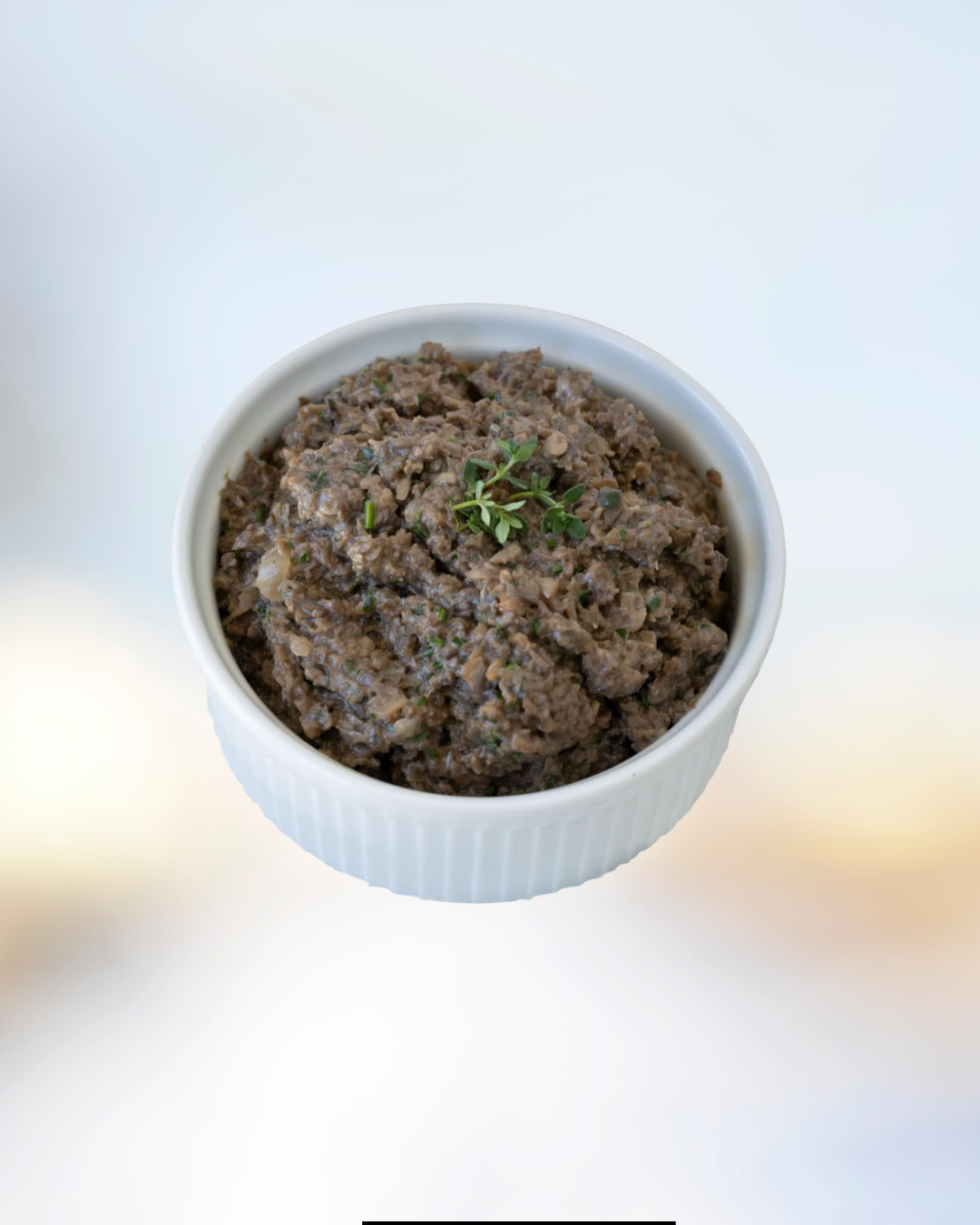
- Store-Bought Options: Many vegan gourmet brands create mousse-like spreads that mimic foie gras. These typically use ingredients like mushrooms, lentils, or cashews blended with seasonings that replicate the umami flavor.
- Homemade Option: Blend sautéed mushrooms, onions, miso paste, walnuts, and plant-based cream for a rich, earthy alternative. It won’t be identical but can offer a delicious, ethical take.
Substitutes for Accompaniments
When preparing Gordon Ramsay foie gras, the accompaniments are just as important as the main ingredient. Here’s how to substitute some commonly used sides and sauces:
1. Toasted Brioche
If brioche is unavailable or you’re looking for other bread options:
- Baguette or French Bread: Toasted baguette slices serve as an excellent alternative, offering a similar crisp texture with less sweetness.
- Challah Bread: Another enriched bread like brioche, it is slightly less buttery but still soft and well-suited for toasting.
- Crackers or Crostini: A crispy cracker or crostini can also work in place of brioche for a crunchy texture.
2. Fruit Compotes or Chutneys
If fresh fruits like fig, pear, or apple are unavailable or out of season, try these substitutes:
- Dried Fruit Compote: Rehydrate dried figs, apricots, or cranberries by simmering them in water, wine, or juice with a pinch of sugar.
- Citrus Relish: Instead of sweet fruits, use an orange or grapefruit marmalade to add zest and acidity to balance the richness of the foie gras.
- Pickled Fruits: Add tangy pickled cherries or peaches for an elegant twist.
3. Red Wine or Port Reduction
If you don’t have red wine or port on hand—or if alcohol is unavailable—try these alternatives:
- Balsamic Glaze: A reduced balsamic vinegar mixed with a touch of brown sugar mimics the acidity and sweetness of a red wine reduction.
- Grape Juice or Pomegranate Juice Reduction: Simmer these juices with a splash of vinegar to create a wine-like sauce.
- Non-Alcoholic Red Wine: This is a straightforward substitute for those avoiding alcohol.
4. Truffles or Truffle Oil
If truffles or truffle oil are too expensive or unavailable in your area:
- Mushroom Paste: Use a concentrated mushroom paste or truffle-infused alternative product to provide a similar earthy depth of flavor.
- Porcini Mushrooms: Dried porcini mushrooms rehydrated and finely blended can add a lovely umami note to your dish.
- Black Garlic: Its deeply savory, truffle-like flavor can replicate the decadence of actual truffles.
5. Microgreens or Bitter Greens
If microgreens like arugula or frisée aren’t available:
- Baby Spinach: This mild yet slightly tangy green works well as a refreshing base for the dish.
- Shredded Kale or Endive: Both of these offer a comparable bitterness to offset the richness of foie gras. Massage kale in olive oil to soften its texture before serving.
- Herb Garnishes: Finely chopped parsley, chervil, or dill can be used to enhance the presentation and add herbal notes in place of greens.
6. Nuts
If certain nuts (such as hazelnuts or almonds) aren’t available—or if you want to avoid allergens altogether:
- Seeds: Use toasted pumpkin seeds or sunflower seeds for a subtle, nutty crunch.
- Breadcrumbs: Crunchy, golden-brown breadcrumbs can replicate the texture of toasted nuts while adding a mild buttery flavor.
Final Thoughts
When serving Gordon Ramsay foie gras, pairing it with complementary sides, bold sauces, and flavorful accompaniments is key to creating a well-rounded, luxurious dining experience.
More French Recipes:
Ingredients
For the Foie Gras:
- 2 slices of fresh foie gras
- Salt (preferably sea salt or kosher salt)
- Freshly ground black pepper
- Neutral cooking oil
For the Accompaniments:
- 1-2 slices of brioche (toasted or grilled, optional but highly recommended for serving)
- Fruit compote or chutney
- Fresh herbs (optional, for garnish, e.g., thyme or parsley)
- Demi-Glace or Red Wine Reduction
For the Red Wine Reduction Sauce (optional):
- 1 cup red wine
- 1 tbsp sugar
- 1 tbsp butter
- Fresh thyme sprigs (optional)
Instructions
Step 1: Preparing the Foie Gras
- Start by chilling the foie gras in the fridge if it isn’t cold already. Cold foie gras is easier to handle and helps prevent it from losing texture during cooking.
- Lightly season the foie gras slices with sea salt and freshly cracked black pepper on both sides. Be generous but not overwhelming.
Step 2: Searing the Foie Gras
- Heat a non-stick skillet or frying pan over medium-high heat. Add a small drizzle of neutral oil to the pan—just enough to lightly coat the surface.
- Once the oil is hot but not smoking, gently lay each slice of seasoned foie gras into the pan.
- Sear for 30 seconds to 1 minute per side, or until a golden-brown crust forms. Foie gras cooks quickly because of its high fat content, so don’t overcook—it should remain soft and creamy inside while crisp on the outside.
- Carefully remove the foie gras slices and place them on a paper towel-lined plate to drain excess oil.
Step 3: Making the Red Wine Reduction Sauce (Optional)
- In the same pan, pour 1 cup of red wine and add 1 tbsp sugar to balance the acidity.
- Simmer over medium heat until the mixture reduces by half, creating a syrupy consistency (approximately 5 minutes). Stir occasionally.
- Add a knob of butter and fresh thyme (if using), whisking until silky.
Step 4: Toasting the Brioche (Optional but Recommended)
- Toast or lightly grill the slices of brioche until golden brown. This adds a delightful crunch and sweetness to complement the foie gras.
- Assembly & Serving
- Plate the seared foie gras carefully alongside your accompaniments—a smear of fig chutney or fruit compote works wonderfully for color and sweetness.
- Drizzle the red wine reduction sauce around the foie gras or over the toast for added complexity of flavor.
- Garnish with fresh herbs such as thyme or parsley for a touch of aromatic elegance.
Discover more from Gordon Ramsay Dish
Subscribe to get the latest posts sent to your email.