Inspired by Ramsay’s precision and creativity, I decided to try my hand at this Gordon Ramsay Apple Pie recipe, and let me tell you—this isn’t just your ordinary pie. From caramelized apples to buttery pastry that practically melts in your mouth, every step of the process feels thoughtful and purposeful. If you’ve ever wanted to impress your family or friends with a classic dessert that’s refined yet heartwarming, then this recipe has your name all over it.
Apple pie has always been a dessert close to my heart, but when you add Gordon Ramsay’s culinary expertise into the mix, it becomes a whole new level of deliciousness.
How to make Gordon Ramsay Apple Pie
Gordon Ramsay Apple Pie is a rich, bakery-style version of classic apple pie that focuses on deep apple flavor, caramelization, and a crisp, buttery crust rather than simply baking raw apples in pastry.
Ingredients
For the Pie Filling:
- Apples: 5–6 medium apples (a mix of Granny Smith for tartness and Honeycrisp or Braeburn for sweetness).
- Unsalted Butter: 2 tablespoons for caramelizing the apples.
- Granulated Sugar: 3 tablespoons (adjust based on apple sweetness).
- Brown Sugar: 1 tablespoon for added depth and caramel tones.
Spices:
- 1 teaspoon cinnamon.
- ¼ teaspoon nutmeg.
- Optional: a pinch of allspice or cloves.
- Lemon Juice: Juice of half a lemon to prevent browning and add brightness.
- Cornstarch: 1–2 teaspoons to thicken the filling (optional).
For the Pastry:
- All-Purpose Flour: 2½ cups.
- Unsalted Butter: 1 cup (cold and cubed).
- Granulated Sugar: 2 tablespoons (optional for slight sweetness).
- Salt: ½ teaspoon.
- Cold Water: About 4–6 tablespoons, added gradually.
Optional Garnish:
- Egg wash (1 beaten egg mixed with 1 tablespoon milk) for a golden crust.
- Granulated sugar for sprinkling on top.
Instructions in making Gordon Ramsay Apple Pie
Step 1: Prepare the Pastry
- In a large bowl, combine the flour, sugar (if using), and salt. Add the cold, cubed butter.
- Using your fingers or a pastry cutter, rub the butter into the flour until the mixture resembles coarse breadcrumbs. Be careful not to overmix—this ensures a flaky crust.
- Gradually add cold water, one tablespoon at a time, mixing gently until the dough comes together. It should be soft but not sticky.
- Form the dough into two discs (one for the base, one for the top crust). Wrap each in plastic wrap and refrigerate for at least 30 minutes.
Step 2: Prepare the Apple Filling
- Peel, core, and slice the apples thinly to ensure even cooking. Toss them in a bowl with lemon juice to prevent browning. Set aside.
- In a large skillet, melt the butter over medium heat. Add the granulated sugar, brown sugar, cinnamon, nutmeg, and any optional spices. Stir until the sugar dissolves and begins to caramelize.
- Add the sliced apples to the skillet and stir frequently. Cook for about 5–8 minutes, until the apples soften slightly but still hold their shape. If the mixture appears too liquid, sprinkle cornstarch to thicken the filling.
- Remove from heat and allow the filling to cool completely before assembling the pie.
Step 3: Assemble the Pie
- Preheat your oven to 375°F (190°C).
- Roll out the first disc of pastry on a floured surface until it’s large enough to fit your pie dish. Carefully transfer it to the dish and trim any excess edges, leaving about ½ inch hanging over.
- Pour the cooled apple filling into the pastry-lined dish and spread it evenly.
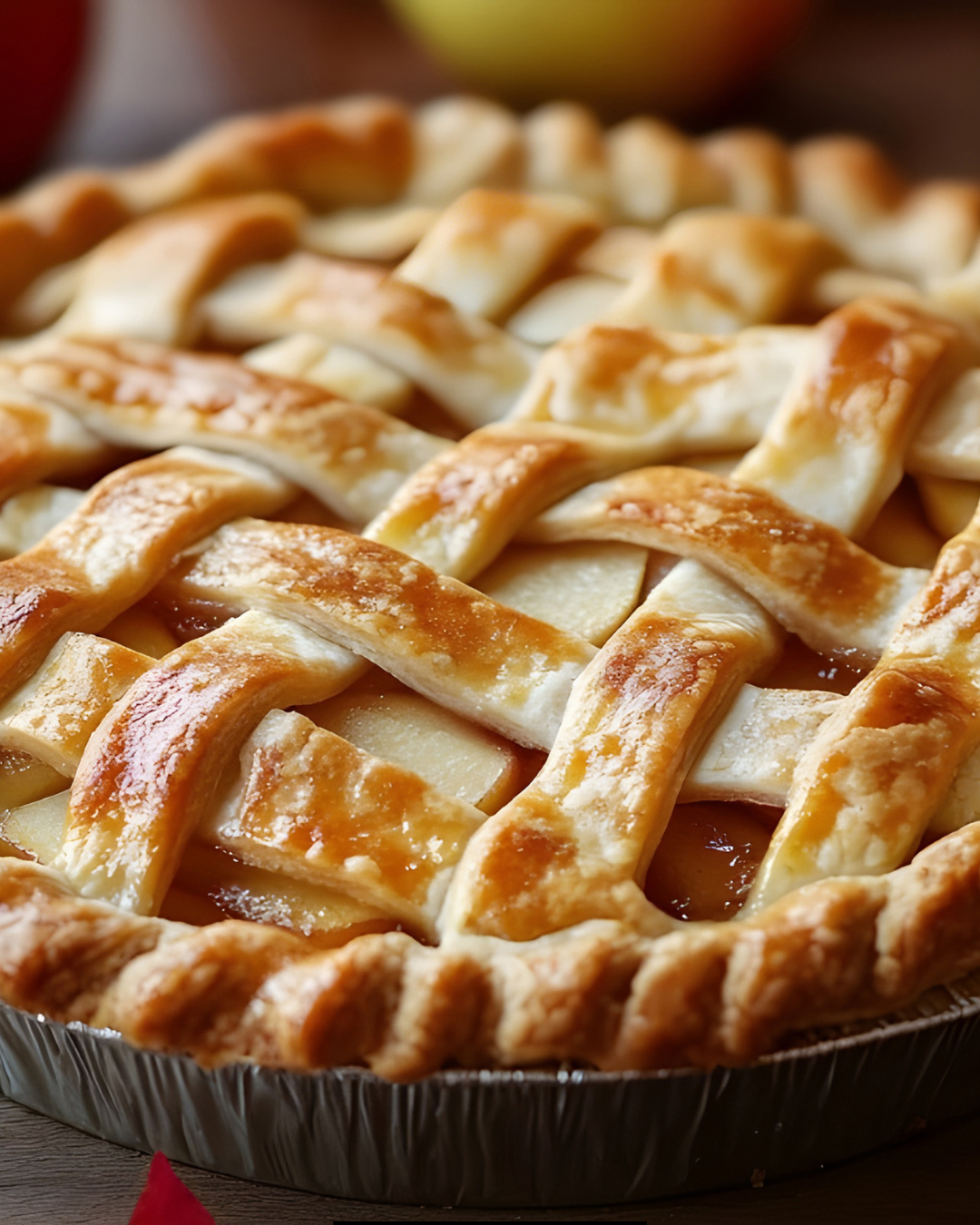
- Roll out the second disc of dough and place it on top of the filling. Seal the edges by pinching or crimping with a fork. Alternatively, create a lattice design with strips of pastry for a rustic look.
- Brush the pie with an egg wash for a golden finish and sprinkle granulated sugar on top for added texture.
Step 4: Bake
- Place the assembled pie in the preheated oven and bake for 40–45 minutes, or until the crust is golden brown and the filling bubbles.
- If the edges of the crust begin to brown too quickly, cover them with aluminum foil.
- Once baked, remove the pie from the oven and allow it to cool for at least 20–30 minutes before slicing. This ensures the filling sets properly.
Expert Tips
- The key to a flavorful filling is a balance of tart and sweet apples. Avoid overly soft varieties, such as Red Delicious, as they can become mushy during baking.
- Always chill your pastry before rolling it out—it reduces the chances of shrinking in the oven and ensures a flaky texture.
- Caramelizing the apples before baking helps prevent a soggy crust, intensifies the flavors, and ensures even cooking.
- Using a bit of cornstarch or allowing your filling to cool completely before assembling the pie can prevent excess moisture from ruining your crust.
- If you’re feeling adventurous, try creating a lattice top or decorating the crust with intricate designs. It’s a great way to impress your guests!
- Serve the Gordon Ramsay Apple Pie warm with a scoop of vanilla bean ice cream, whipped cream, or a drizzle of caramel sauce for extra indulgence.
Ingredients Substitutes
Love Gordon Ramsay Apple Pie but missing some ingredients? No problem!
1. Apple Substitutes
Apples are the heart of this pie, but if you don’t have them or prefer a unique twist, you can substitute them with other fruits that mimic their texture and flavor.
a. Pears:
Why It Works: Pears have a texture similar to apples and hold their shape when cooked.
Tip: Use firm varieties like Bosc or Bartlett. Adjust the sweetness by slightly reducing sugar since pears are naturally sweeter.
b. Quince:
Why It Works: Quince offers a tart flavor profile similar to Granny Smith apples and pairs beautifully with warming spices.
Tip: Poach quince before using it in the filling, as it’s firmer than apples and takes longer to cook.
c. Stone Fruits (Peaches, Nectarines, or Plums):
Why It Works: These fruits bring a summery twist to the classic Gordon Ramsay Apple Pie and offer a juicy sweetness.
Tip: Add a touch of lemon juice to maintain the tartness typical of traditional apple pie.
d. Mixed Berries:
Why It Works: Berries like blackberries, raspberries, and blueberries add vibrant flavor and color, though the texture will differ from apples.
Tip: Use cornstarch to thicken the filling, as berries tend to release more liquid during baking.
2. Substitutes for Unsalted Butter
Butter is vital to both the crust and the filling, but there are alternatives for those with dietary restrictions or shortages.
a. Coconut Oil:
Why It Works: Solid coconut oil replicates the texture of butter and can provide subtle, nutty, or tropical notes.
Tip: Use refined coconut oil to avoid any overpowering coconut flavor if desired.
b. Plant-Based Vegan Butter:
Why It Works: Vegan butter mimics the fat content and flavor of traditional butter and is ideal for dairy-free diets.
Tip: Use a high-quality brand for better flavor and texture. Chill it before use in the crust for maximum flakiness.
c. Ghee (Clarified Butter):
Why It Works: Ghee has an intense buttery flavor and can enrich both the crust and the filling.
Tip: Reduce the amount slightly due to ghee’s concentrated fat content.
d. Yogurt or Sour Cream (For Pastry):
Why It Works: These add creaminess and tenderness to the dough, though the texture won’t be as flaky as butter-based crusts.
Tip: Mix yogurt or sour cream with a small amount of oil or cold water to create a workable dough.
3. All-Purpose Flour Alternatives
Flour is crucial for the crust, but there are alternatives for gluten-free diets or those who want a healthier twist.
a. Gluten-Free Flour Blend:
Why It Works: These blends are specifically formulated to mimic the texture and functionality of all-purpose flour.
Tip: Use a blend that contains xanthan gum or add it separately for elasticity.
b. Almond Flour:
Why It Works: Almond flour adds nuttiness and richness, though it lacks gluten and requires extra binding agents.
Tip: Combine almond flour with a small amount of coconut flour or cornstarch for better structure.
c. Whole Wheat Flour:
Why It Works: Whole wheat flour provides a heartier, more rustic flavor but creates a denser crust.
Tip: Use a mix of whole wheat and all-purpose flour (50:50) to retain lightness while incorporating nutrition.
d. Oat Flour:
Why It Works: Oat flour has a mild, sweet flavor that pairs well with the pie’s spiced filling.
Tip: Blend oats in a food processor to make oat flour at home, but combine it with starch (like cornstarch) for better structure.
4. Granulated Sugar Substitutes
Sugar sweetens both the filling and crust. These alternatives accommodate a range of dietary and flavor preferences.
a. Brown Sugar:
Why It Works: Brown sugar introduces a caramelized sweetness with a hint of molasses.
Tip: Use light brown sugar for a subtle flavor or dark brown sugar for a richer caramel note.
b. Maple Syrup:
Why It Works: Maple syrup lends sweetness and a subtle smokiness that complements the pie’s warm spices.
Tip: Reduce other liquid ingredients slightly to prevent the filling from being watery.
c. Honey:
Why It Works: Honey provides natural sweetness with floral undertones.
Tip: Use a mild honey to avoid overpowering the apple flavor.
d. Coconut Sugar:
Why It Works: Coconut sugar has a lower glycemic index and offers a subtle caramel flavor.
Tip: Adjust the quantity, as coconut sugar is slightly less sweet than granulated sugar.
e. Stevia or Monk Fruit Sweetener (For Sugar-Free Diets):
Why It Works: These low-calorie options sweeten the recipe without adding sugar content.
Tip: Follow packaging guidance for substitution ratios, as they’re much sweeter than regular sugar.
5. Spice Substitutes
The spices are what give Gordon Ramsay Apple Pie its signature warmth. Here are swaps or additions to suit different flavor profiles.
a. Pumpkin Pie Spice:
Why It Works: This blend contains cinnamon, nutmeg, ginger, and allspice—perfect for recreating apple pie flavor.
Tip: Use 1 teaspoon of pumpkin spice in place of other spices for convenience.
b. Cardamom:
Why It Works: Cardamom is slightly floral and citrusy, adding an exotic twist to the filling.
Tip: Use sparingly, as cardamom can overpower other flavors.
c. Five-Spice Powder:
Why It Works: This blend (used in Chinese cuisine) adds depth with cloves, cinnamon, and star anise.
Tip: Pair with less sugar for a bolder flavor.
d. Ginger:
Why It Works: Ground ginger provides a subtle warmth and spice that pairs well with the apples.
Tip: Add fresh-grated ginger for an extra kick.
Final Thoughts
While Gordon Ramsay apple pie stands as a masterpiece on its own, pairing it with the right side or drink can transform it into a fully immersive experience.
More Pie Recipes:
Ingredients
For the Pie Filling:
- Apples: 5–6 medium apples
- Unsalted Butter: 2 tablespoons for caramelizing the apples.
- Granulated Sugar: 3 tablespoons (adjust based on apple sweetness).
- Brown Sugar: 1 tablespoon for added depth and caramel tones.
Spices:
- 1 teaspoon cinnamon.
- ¼ teaspoon nutmeg.
- Optional: a pinch of allspice or cloves.
- Lemon Juice: Juice of half a lemon
- Cornstarch: 1–2 teaspoons to thicken the filling (optional).
For the Pastry:
- All-Purpose Flour: 2½ cups.
- Unsalted Butter: 1 cup (cold and cubed).
- Granulated Sugar: 2 tablespoons (optional for slight sweetness).
- Salt: ½ teaspoon.
- Cold Water: About 4–6 tablespoons, added gradually.
Optional Garnish:
- Egg wash (1 beaten egg mixed with 1 tablespoon milk) for a golden crust.
- Granulated sugar for sprinkling on top.
Instructions
Step 1: Prepare the Pastry
- In a large bowl, combine the flour, sugar (if using), and salt. Add the cold, cubed butter.
- Using your fingers or a pastry cutter, rub the butter into the flour until the mixture resembles coarse breadcrumbs. Be careful not to overmix—this ensures a flaky crust.
- Gradually add cold water, one tablespoon at a time, mixing gently until the dough comes together. It should be soft but not sticky.
- Form the dough into two discs (one for the base, one for the top crust). Wrap each in plastic wrap and refrigerate for at least 30 minutes.
Step 2: Prepare the Apple Filling
- Peel, core, and slice the apples thinly to ensure even cooking. Toss them in a bowl with lemon juice to prevent browning. Set aside.
- In a large skillet, melt the butter over medium heat. Add the granulated sugar, brown sugar, cinnamon, nutmeg, and any optional spices. Stir until the sugar dissolves and begins to caramelize.
- Add the sliced apples to the skillet and stir frequently. Cook for about 5–8 minutes, until the apples soften slightly but still hold their shape. If the mixture appears too liquid, sprinkle cornstarch to thicken the filling.
- Remove from heat and allow the filling to cool completely before assembling the pie.
Step 3: Assemble the Pie
- Preheat your oven to 375°F (190°C).
- Roll out the first disc of pastry on a floured surface until it’s large enough to fit your pie dish. Carefully transfer it to the dish and trim any excess edges, leaving about ½ inch hanging over.
- Pour the cooled apple filling into the pastry-lined dish and spread it evenly.
- Roll out the second disc of dough and place it on top of the filling. Seal the edges by pinching or crimping with a fork. Alternatively, create a lattice design with strips of pastry for a rustic look.
- Brush the pie with an egg wash for a golden finish and sprinkle granulated sugar on top for added texture.
Step 4: Bake
- Place the assembled pie in the preheated oven and bake for 40–45 minutes, or until the crust is golden brown and the filling bubbles.
- If the edges of the crust begin to brown too quickly, cover them with aluminum foil.
- Once baked, remove the pie from the oven and allow it to cool for at least 20–30 minutes before slicing. This ensures the filling sets properly.
Discover more from Gordon Ramsay Dish
Subscribe to get the latest posts sent to your email.