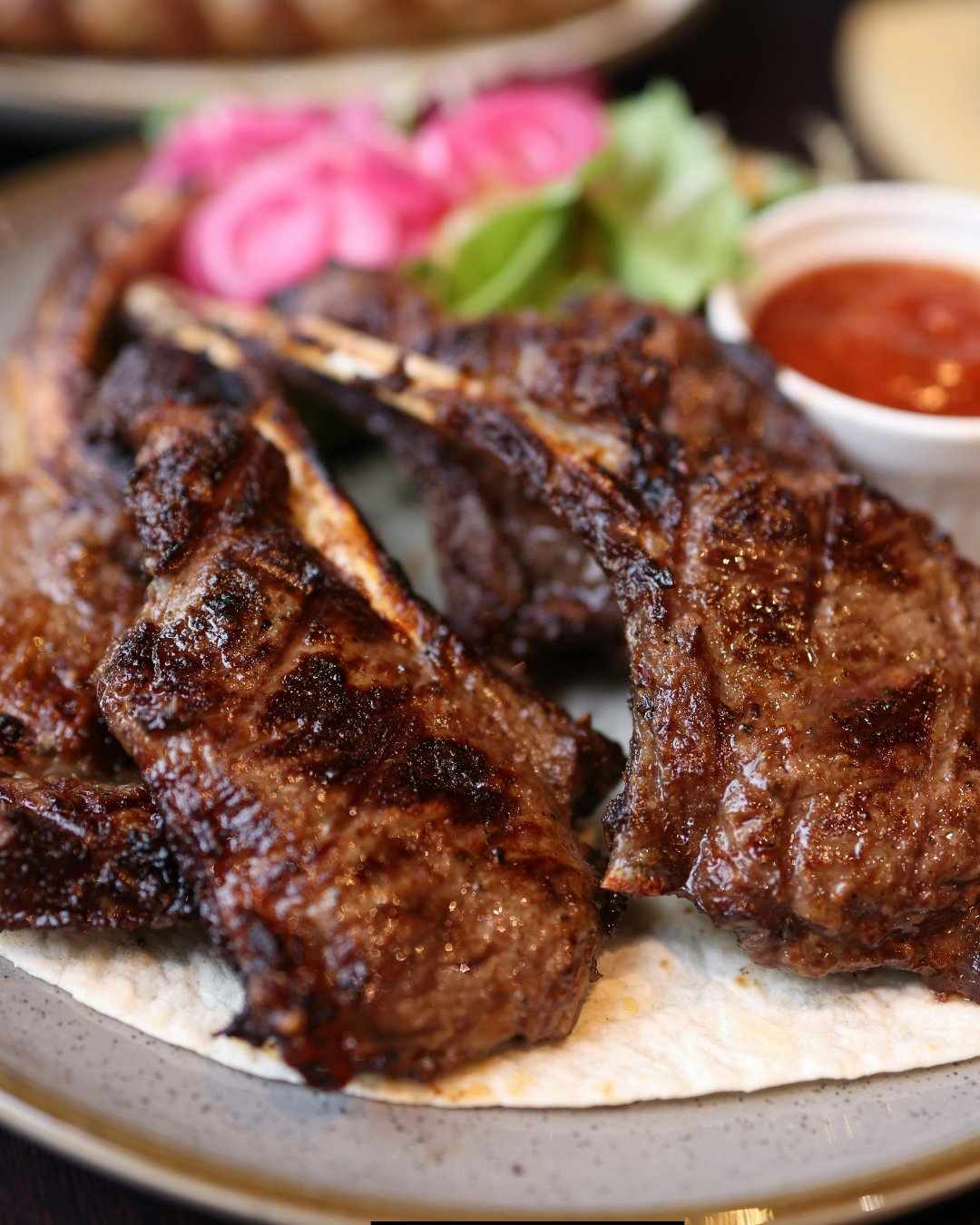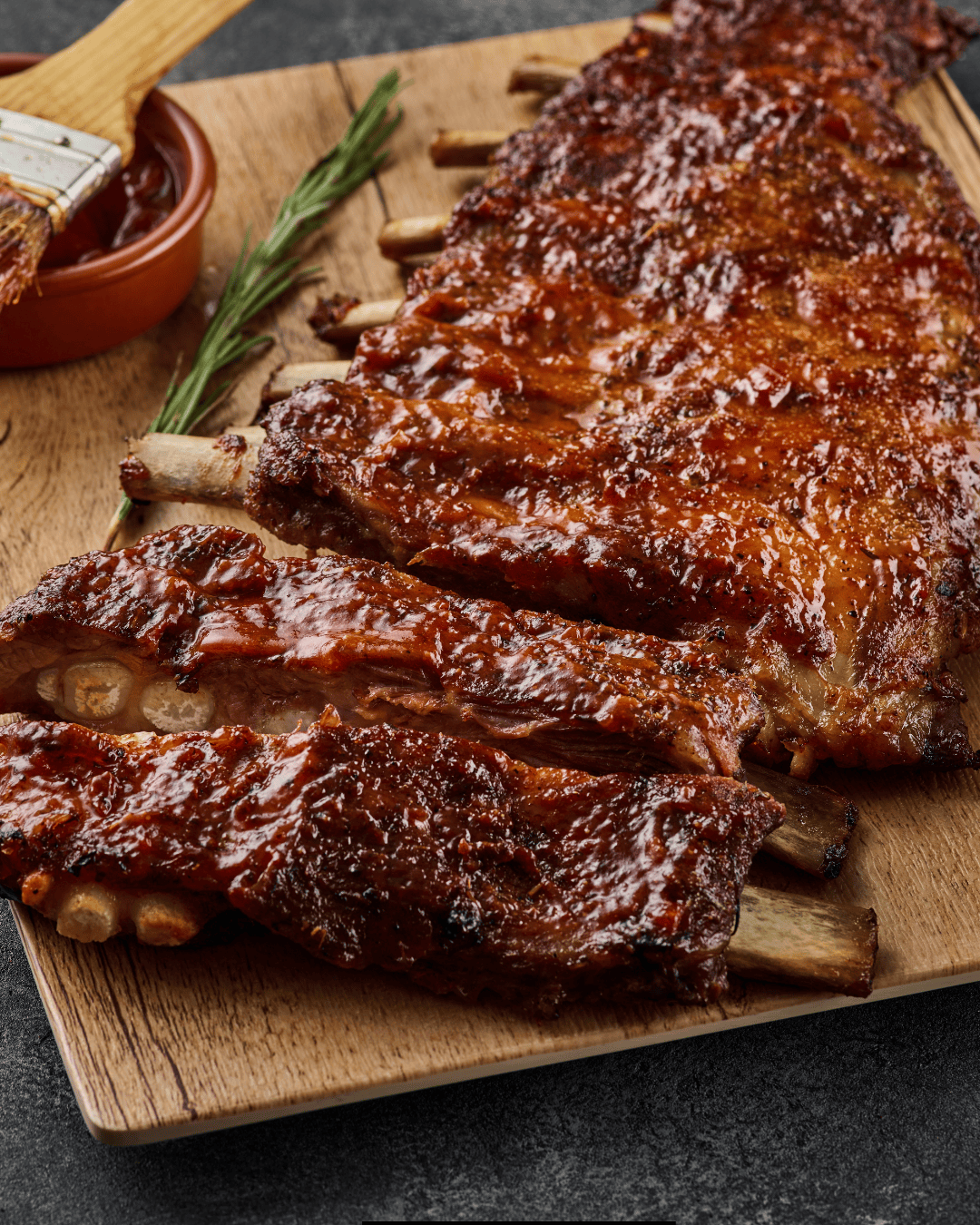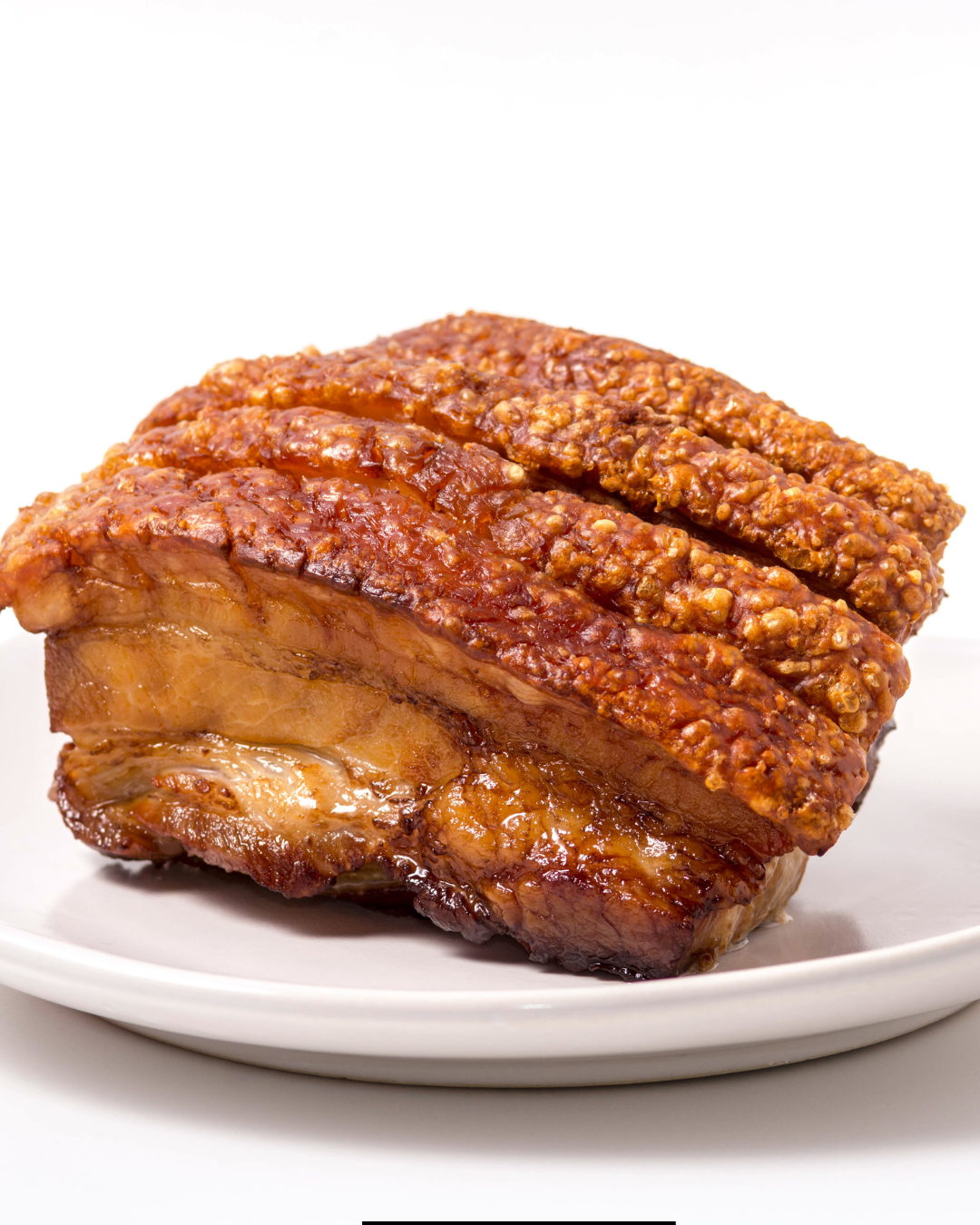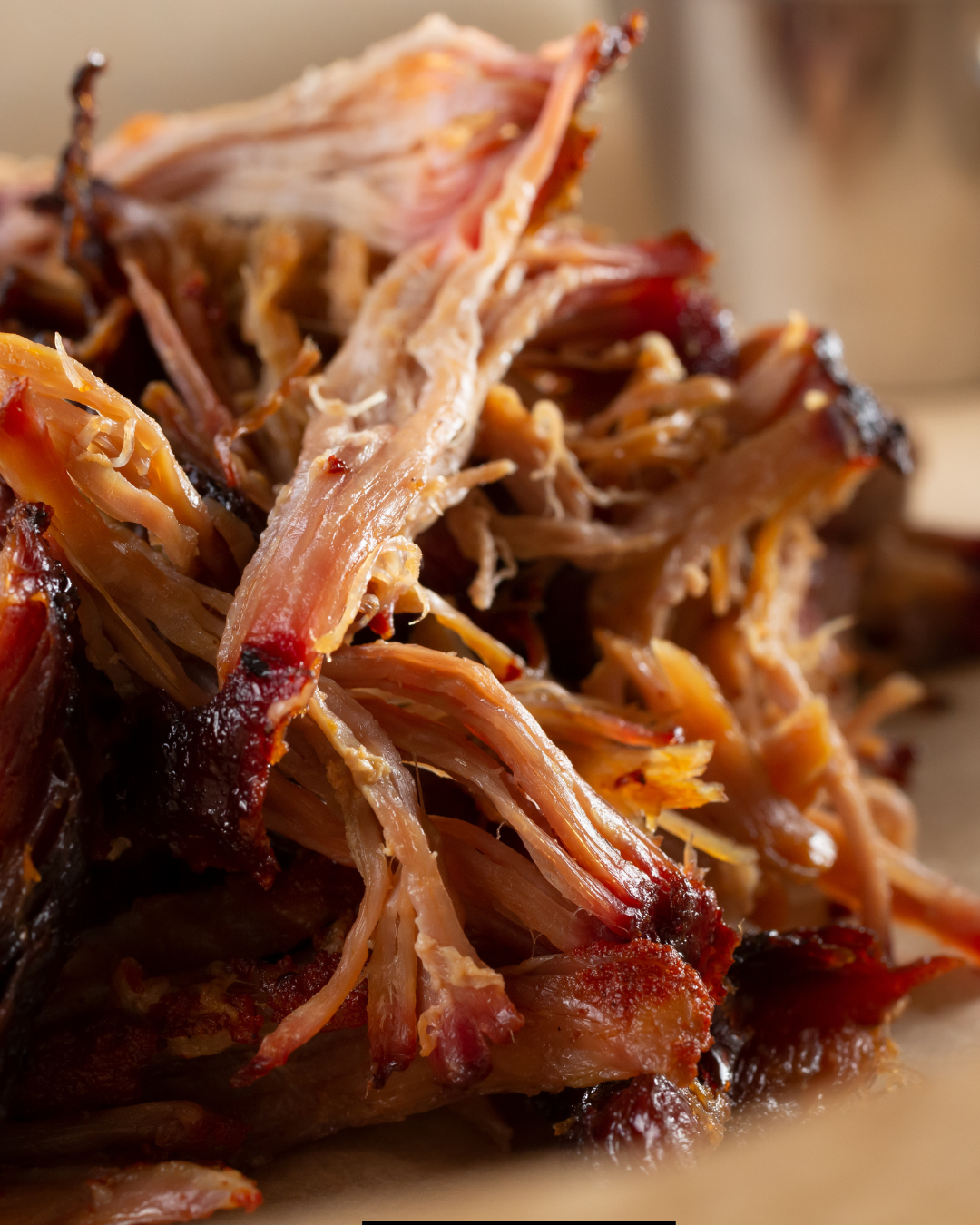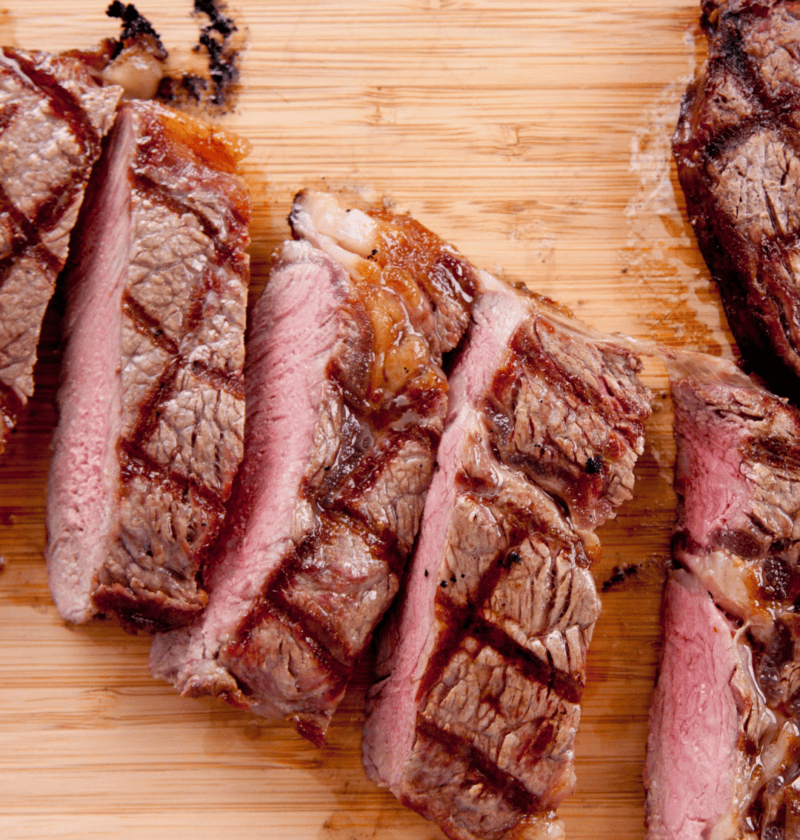
When I first tried my hand at this Gordon Ramsay Pork Tenderloin recipe, I was struck by how simple yet elegant it was. The process—searing the meat to golden perfection, finishing it in the oven, and making a rich, savory sauce—felt like something out of a fine-dining kitchen.
Cooking pork tenderloin can feel intimidating for many home chefs, but when you channel your inner Gordon Ramsay, it becomes a delightful culinary adventure. Known for his passion for bold flavors and precise cooking techniques, Ramsay has perfected the art of preparing a tender, flavorful pork tenderloin—and now, you can too.
Why You’ll Love This Recipe
This Gordon Ramsay-style pork tenderloin is perfect for both special occasions and cozy dinners at home. The recipe not only teaches you to cook the meat to perfection but also introduces you to the art of balancing flavors in a sauce. Plus, the process isn’t as complicated as it seems—and once you try this foolproof method, you’ll be cooking pork tenderloin like Ramsay himself!
How to make Gordon Ramsay Pork Tenderloin
Gordon Ramsay pork tenderloin is a dish made from pork tenderloin—a lean, tender cut of pork—prepared using a Gordon Ramsay-style recipe, typically involving seasoning, searing or roasting, and a flavorful sauce or stuffing.
Ingredients
For the Pork Tenderloin:
- 1 pork tenderloin (approximately 1 pound or 450g)
- 2 tbsp olive oil (for rubbing and searing)
- 2 cloves garlic, minced
- 1 tsp smoked paprika (adds a smoky flavor)
- 1 tsp dried thyme or rosemary (fresh herbs can be used for a stronger aroma)
- ½ tsp salt
- ½ tsp freshly ground black pepper
For the Sauce:
- 1 cup chicken stock (for a rich base)
- 1 tbsp Dijon mustard or whole-grain mustard
- 1 tbsp balsamic vinegar (for acidity and sweetness)
- 1 tbsp unsalted butter (to create silkiness in the sauce)
- Optional: A splash of apple cider or white wine for added depth
For Serving (Optional):
- Steamed or roasted vegetables (such as asparagus, Brussels sprouts, or carrots)
- Mashed potatoes or roasted baby potatoes
- Caramelized apples for a touch of sweetness
Instructions
Follow these steps carefully for perfectly cooked and flavorful Gordon Ramsay Pork Tenderloin:
Step 1: Prepare the Pork
- Trim the Pork: If needed, trim any silver skin or excess fat from the pork tenderloin to ensure even cooking.
- Season the Meat: Rub the tenderloin with olive oil, garlic, smoked paprika, thyme, salt, and pepper. Be sure to massage the spices into the meat to create a flavorful crust when searing.
Step 2: Sear the Pork
- Preheat the Pan: Heat a large, heavy-bottomed skillet (oven-safe if possible) over medium-high heat.
- Sear: Add a drizzle of olive oil to the pan, then sear the pork tenderloin on all sides until golden brown (about 2-3 minutes per side). This step locks in the juices and helps develop a beautiful crust.
Step 3: Finish in the Oven
- Preheat Oven: While the pork is searing, preheat your oven to 375°F (190°C).
- Bake: Transfer the pork (in the same skillet if oven-safe, or move to a baking dish) to the oven. Cook for about 15–20 minutes or until the internal temperature reaches 145°F (63°C). Use a meat thermometer for accuracy.
- Rest the Meat: Once cooked, let the tenderloin rest for 5–10 minutes on a cutting board. Resting allows the juices to redistribute, keeping the meat tender and moist.
Step 4: Make the Sauce
- Deglaze the Pan: In the skillet used to sear the pork, add chicken stock to deglaze—scraping up any flavorful browned bits from the pan.
- Add Ingredients: Whisk in the mustard and balsamic vinegar, then let the sauce simmer on low heat for 3–5 minutes until slightly thickened.
- Finish with Butter: Remove the sauce from the heat and stir in a small knob of butter for a silky texture.
Step 5: Serve
- Slice and Plate: Slice the rested pork tenderloin into medallions and arrange on a serving plate. Drizzle the warm sauce over the slices.
- Pair with Sides: Serve alongside vegetables or potatoes for a complete meal.
Tips for Success
- Avoid Overcooking: Use a thermometer to check the internal temperature of the pork. The optimal temperature is 145°F (63°C); then let it rest. Overcooking results in dry meat.
- Don’t Skip the Searing: Searing creates a golden crust that boosts flavor and retains moisture inside the meat.
- Balance the Sauce: Taste your sauce before serving—it should have a balance of richness, acidity, and sweetness.
- Use Fresh Herbs: Fresh thyme or rosemary will elevate the dish even more compared to dried versions.
- Resting is Key: Let the pork rest after cooking so the juices reabsorb, keeping it tender and juicy.
Ingredients Substitutes
Creating a Gordon Ramsay pork tenderloin recipe doesn’t necessarily require you to stick to the exact ingredients listed. Cooking is all about creativity, and substitutions are sometimes necessary because of dietary restrictions, availability, or personal preference.
1. Pork Tenderloin Substitutes
Pork tenderloin is lean and tender, making it ideal for this recipe. However, suitable substitutes exist for those who prefer other proteins or have dietary restrictions.
- Chicken Breast or Thighs: Choose boneless, skinless chicken breasts or thighs as they cook quickly and can be seared and roasted similarly to pork tenderloin.
- Turkey Tenderloin: Turkey tenderloin is a great alternative with a slightly different flavor but a similar cooking method.
- Beef Tenderloin or Flank Steak: Beef tenderloin or flank steak works for those who prefer red meat. Adjust cooking times and seasoning accordingly.
Plant-Based Protein:
- Mock Meat/Plant-Based Pork: Many brands now offer vegetarian or vegan “meat” alternatives that mimic the texture and flavor of pork tenderloin.
- Portobello Mushrooms: Large portobello mushroom caps can be marinated and grilled as a plant-based option, although they will not replicate the taste of pork.
2. Olive Oil Substitutes
Olive oil is used for marinating and searing here, but you can swap it based on what’s available or for added flavor.
- Canola Oil or Vegetable Oil: Neutral oils that work just as well, especially for searing.
- Avocado Oil: Perfect for high-heat cooking and offers heart-health benefits similar to olive oil.
- Butter or Ghee: Adds a richer flavor to roasted or seared pork.
- Coconut Oil: May be used, but note that this will add a subtle coconut flavor.
3. Garlic Substitutes
Fresh garlic is key to flavor, but you can substitute if needed.
- Garlic Powder: Use 1/8 teaspoon of garlic powder for each clove as a substitute. It blends easily into marinades and rubs.
- Shallots: Minced shallots have a similar flavor with milder pungency.
- Onion Powder: This offers an alternative for the sharp aromatics of garlic, though less intense.
4. Smoked Paprika Alternatives
Smoked paprika adds a deep, smoky flavor to the seasoning. If you don’t have it, consider the substitutes below.
- Regular Paprika: While less smoky, it provides a mild sweetness similar to smoked paprika.
- Chili Powder: Adds smoky heat but use it sparingly. Adjust for heat levels.
- Cumin: A warm spice that complements pork well, but use it sparingly so it doesn’t overpower the other flavors.
5. Thyme or Rosemary Substitutes
Herbs like thyme and rosemary play a key role in seasoning pork, but alternatives can bring new flavor profiles to the Gordon Ramsay Pork Tenderloin.
- Oregano: Adds a slightly earthy but less floral flavor.
- Tarragon: A licorice-like herb with a unique aroma.
- Sage: Works beautifully, offering a deep, earthy contrast to the pork.
- Marjoram: A milder substitute that’s similar to oregano.
6. Chicken Stock Substitutes
Chicken stock forms the base of the sauce. If you’re out of stock or need a replacement, here are some options:
- Vegetable Broth: Perfect for vegetarians and works well in the sauce.
- Beef Broth: Adds a richer flavor but works best if paired with beef or turkey tenderloin.
- Water + Bouillon Cube: Dissolve one bouillon cube in a cup of hot water for an easy DIY broth. Use vegetable bouillon for a vegetarian alternative.
- White Wine: Adds depth and acidity to the sauce. Substitute half of the chicken stock with wine for a savory twist.
Final Thoughts
By choosing complementary sides, flavors, and textures, you can create a well-rounded Gordon Ramsay Pork Tenderloin that highlights the tender, juicy pork and keeps guests coming back for more.
More Pork Recipes:
Ingredients
For the Pork Tenderloin:
- 1 pork tenderloin
- 2 tbsp olive oil (for rubbing and searing)
- 2 cloves garlic, minced
- 1 tsp smoked paprika (adds a smoky flavor)
- 1 tsp dried thyme or rosemary
- ½ tsp salt
- ½ tsp freshly ground black pepper
For the Sauce:
- 1 cup chicken stock (for a rich base)
- 1 tbsp Dijon mustard or whole-grain mustard
- 1 tbsp balsamic vinegar (for acidity and sweetness)
- 1 tbsp unsalted butter
- Optional: A splash of apple cider
For Serving (Optional):
- Steamed or roasted vegetables
- Mashed potatoes or roasted baby potatoes
- Caramelized apples for a touch of sweetness
Instructions
Step 1: Prepare the Pork
- Trim the Pork: If needed, trim any silver skin or excess fat from the pork tenderloin to ensure even cooking.
- Season the Meat: Rub the tenderloin with olive oil, garlic, smoked paprika, thyme, salt, and pepper. Be sure to massage the spices into the meat to create a flavorful crust when searing.
Step 2: Sear the Pork
- Preheat the Pan: Heat a large, heavy-bottomed skillet (oven-safe if possible) over medium-high heat.
- Sear: Add a drizzle of olive oil to the pan, then sear the pork tenderloin on all sides until golden brown (about 2-3 minutes per side). This step locks in the juices and helps develop a beautiful crust.
Step 3: Finish in the Oven
- Preheat Oven: While the pork is searing, preheat your oven to 375°F (190°C).
- Bake: Transfer the pork (in the same skillet if oven-safe, or move to a baking dish) to the oven. Cook for about 15–20 minutes or until the internal temperature reaches 145°F (63°C). Use a meat thermometer for accuracy.
- Rest the Meat: Once cooked, let the tenderloin rest for 5–10 minutes on a cutting board. Resting allows the juices to redistribute, keeping the meat tender and moist.
Step 4: Make the Sauce
- Deglaze the Pan: In the skillet used to sear the pork, add chicken stock to deglaze—scraping up any flavorful browned bits from the pan.
- Add Ingredients: Whisk in the mustard and balsamic vinegar, then let the sauce simmer on low heat for 3–5 minutes until slightly thickened.
- Finish with Butter: Remove the sauce from the heat and stir in a small knob of butter for a silky texture.
Step 5: Serve
- Slice and Plate: Slice the rested pork tenderloin into medallions and arrange on a serving plate. Drizzle the warm sauce over the slices.
- Pair with Sides: Serve alongside vegetables or potatoes for a complete meal.
Discover more from Gordon Ramsay Dish
Subscribe to get the latest posts sent to your email.