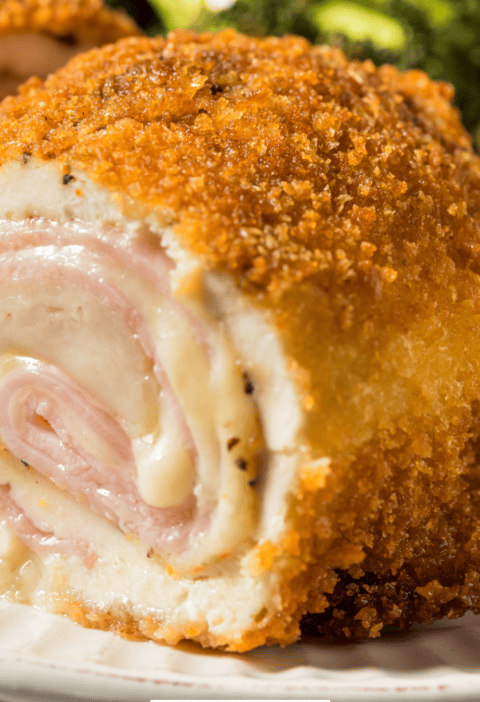
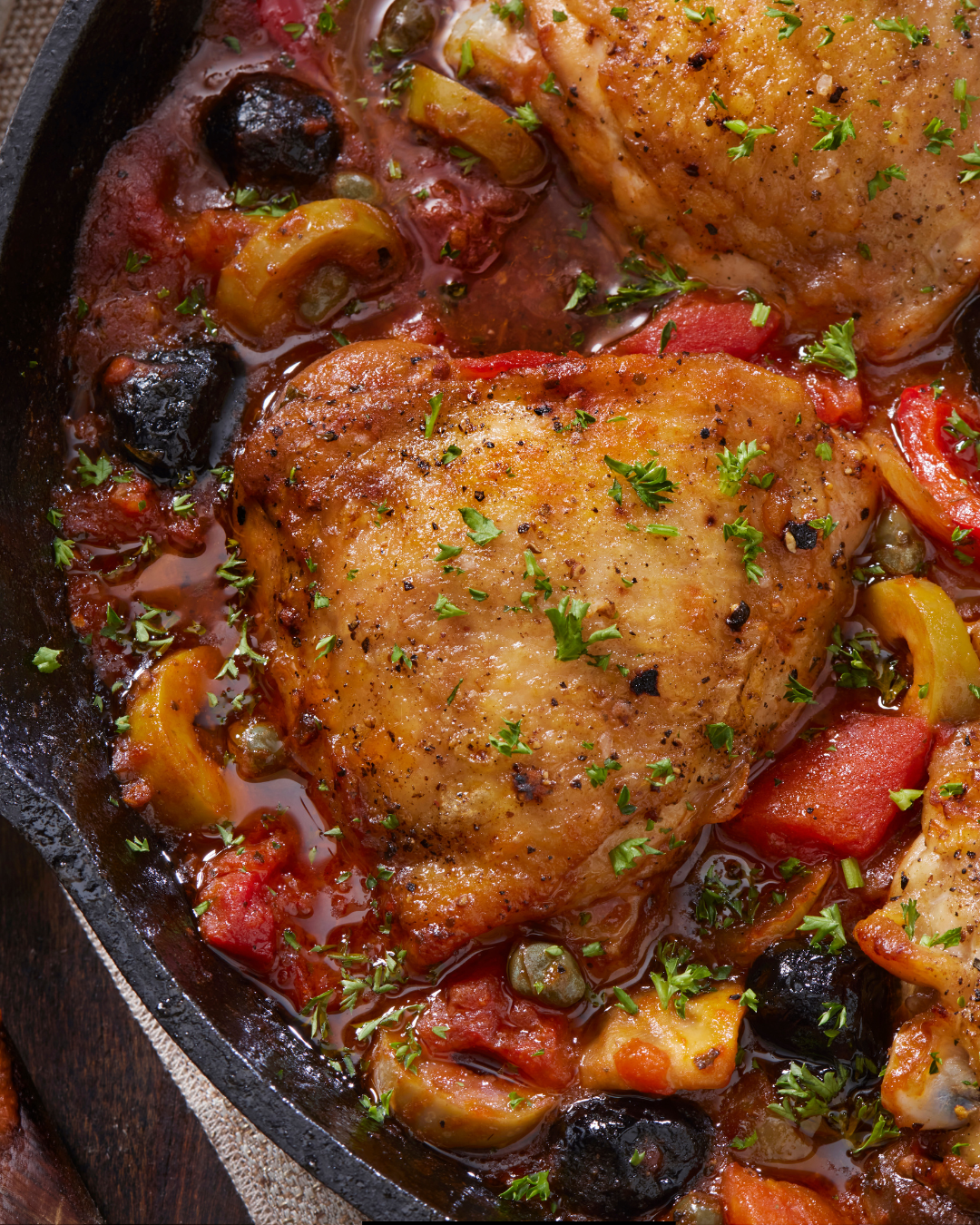
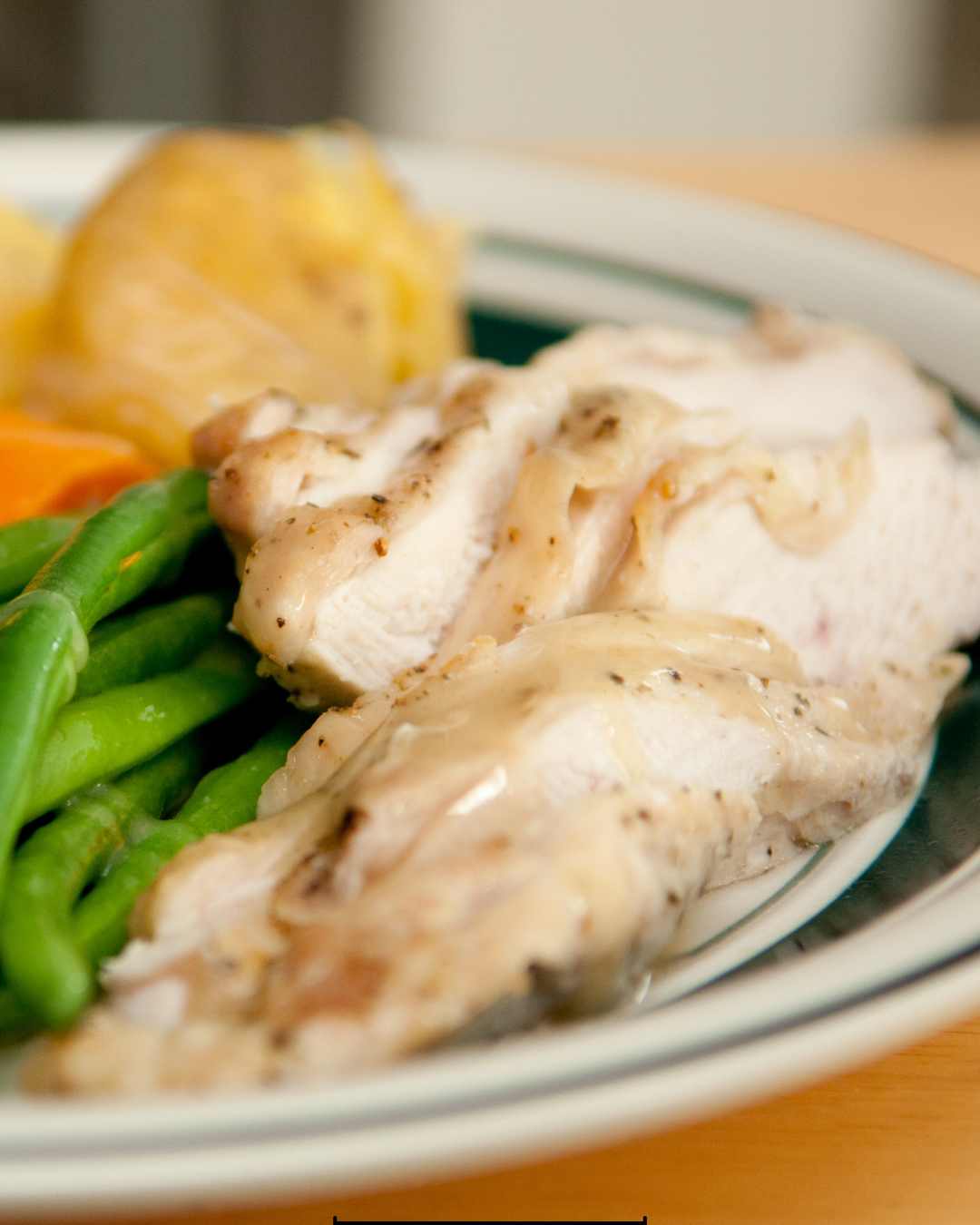
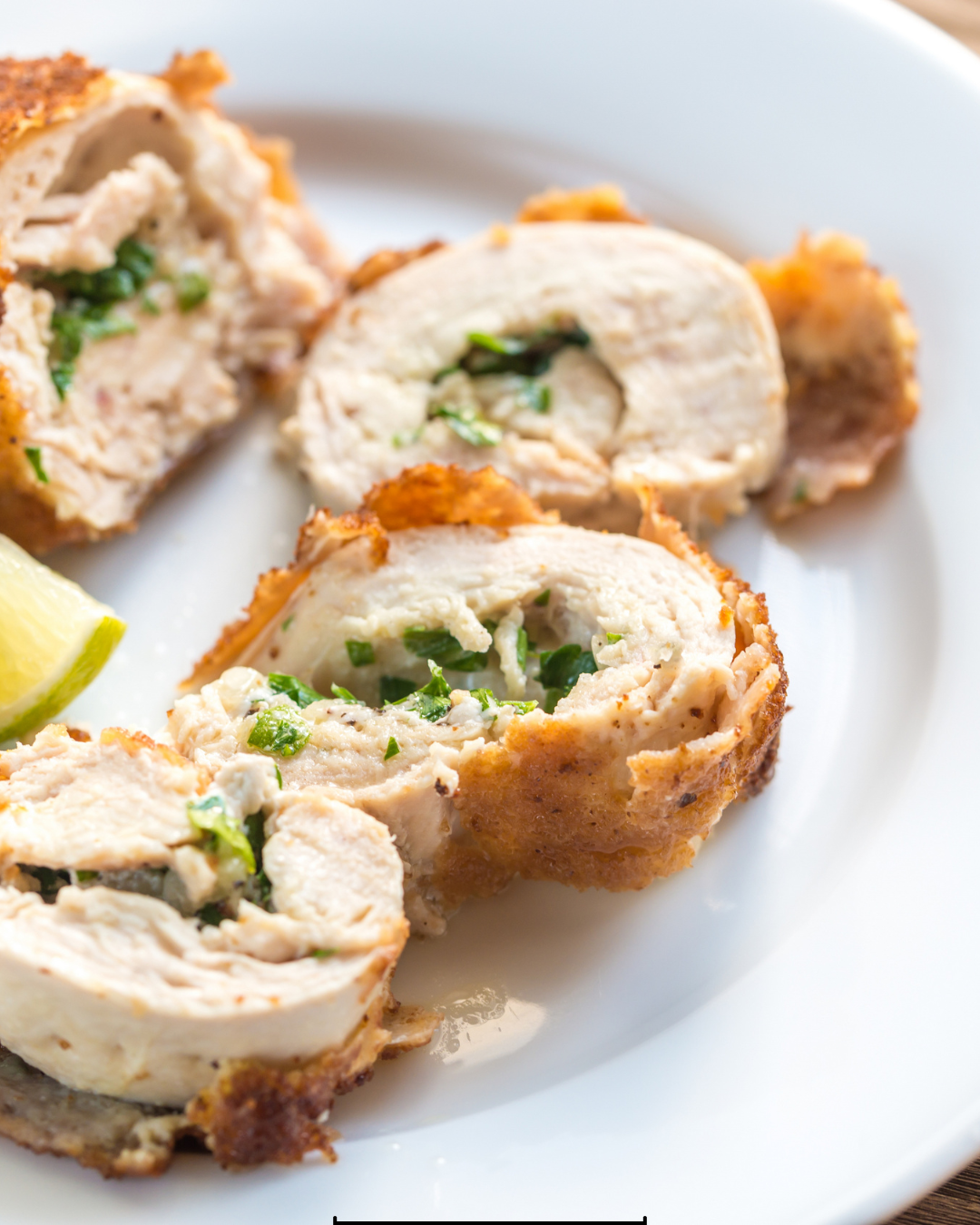
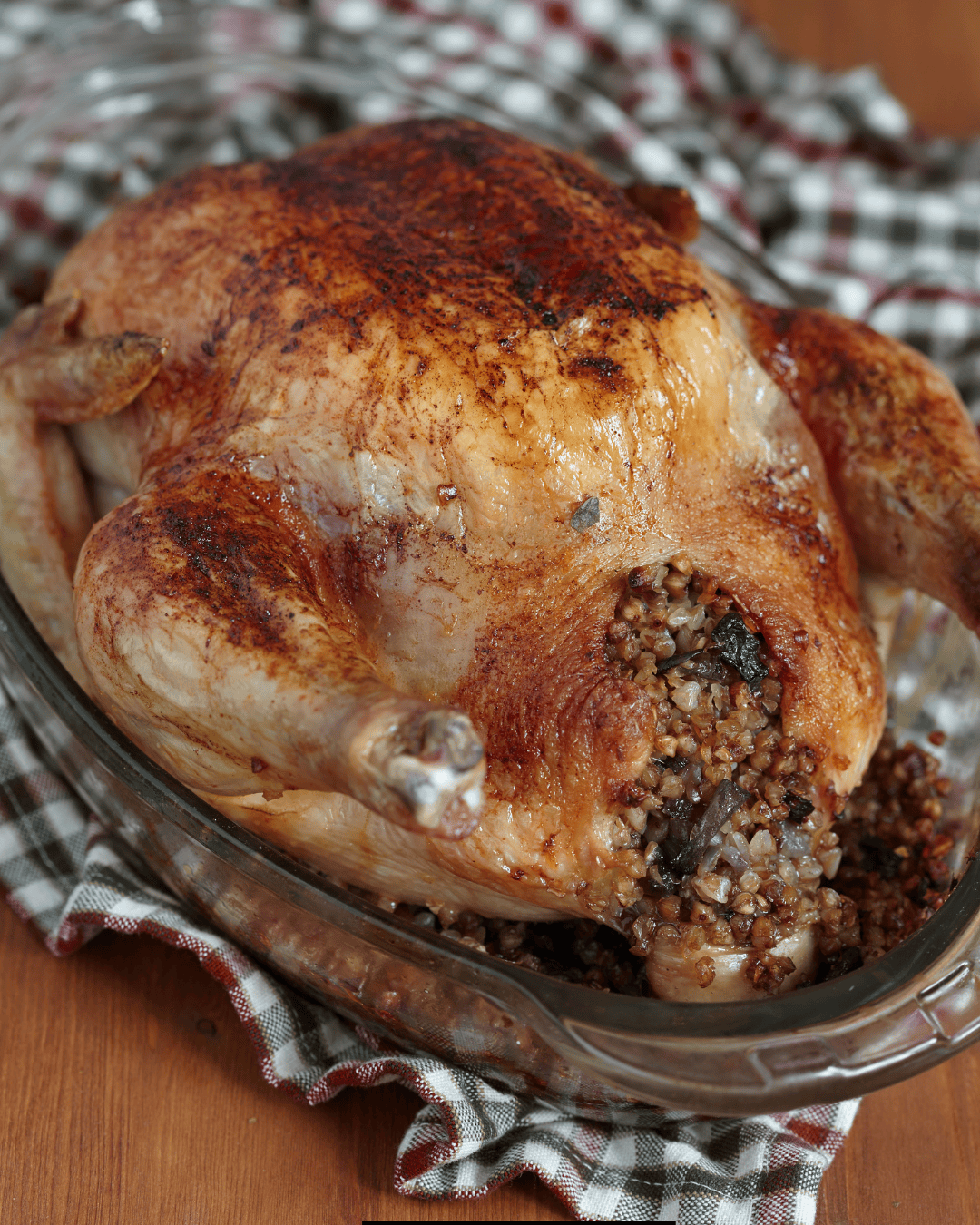
Inspired by the culinary genius himself, this Gordon Ramsay Stuffed Roast Chicken recipe is pure perfection. From the golden, crispy skin to the moist, flavorful stuffing tucked underneath, every bite is a celebration of bold yet balanced flavors. When I first tried my hand at recreating this dish, I was blown away by how something so simple could feel so special.
What if I told you that you could make this timeless classic into a dish worthy of a Michelin-starred restaurant? That’s exactly what Gordon Ramsay’s Stuffed Roast Chicken recipe does—and trust me, it’s easier to make than you might think!
How to make Gordon Ramsay Stuffed Roast Chicken
Gordon Ramsay stuffed roast chicken is a whole roasted chicken filled with a savory stuffing that helps keep the meat moist while adding flavor from the inside.
Ingredients:
For the Chicken
- 1 whole chicken (preferably free-range, 1.5–2 kilograms)
- 3 tablespoons olive oil or softened butter
- Salt and pepper, to taste
For the Stuffing
- 50g fresh breadcrumbs (or use panko for extra texture)
- 1 lemon, zest only
- 2–3 garlic cloves, finely minced or crushed
Fresh herbs:
- 2 tablespoons parsley, chopped
- 1 tablespoon fresh thyme, chopped
- 1 tablespoon rosemary, chopped
- 30g Parmesan cheese, grated (optional, but adds a savory touch)
- 1–2 tablespoons olive oil or soft butter (to bind the stuffing)
For the Cavity
- 1 whole lemon, halved
- 2–3 whole garlic cloves, slightly smashed
- 2–3 fresh bay leaves
Optional Garnishes and Sides
- Fresh thyme or parsley sprigs for garnish
- Roasted vegetables: potatoes, carrots, and parsnips
- A rich gravy or jus
Instructions:
Step 1: Preheat the Oven
- Preheat your oven to 190°C (375°F). A properly heated oven ensures even cooking and helps crisp up the skin.
Step 2: Prepare the Stuffing
- In a mixing bowl, combine the fresh breadcrumbs, minced garlic, lemon zest, chopped herbs (parsley, thyme, rosemary), and grated Parmesan cheese (optional).
- Add olive oil or softened butter to the mixture and stir until it becomes a slightly sticky, crumbly texture. This will help the stuffing hold together under the chicken skin.
Step 3: Prepare the Chicken
- Rinse the chicken under cold water and pat dry with kitchen towels. Ensure the skin is clean and dry for that crispy finish, and remove any excess fat if needed.
- Carefully loosen the skin over the breast using your fingers or the back of a spoon, taking care not to tear it.
- Spoon the stuffing mixture gently under the skin and spread it evenly over the chicken breasts.
- Season the chicken generously inside and out with salt and pepper.
Step 4: Fill the Cavity
- Stuff the chicken cavity with lemon halves, crushed garlic, and bay leaves. These aromatics infuse the bird from the inside while keeping everything juicy.
- Tie the chicken legs together using kitchen string (optional) to maintain a compact shape and help it roast evenly.
Step 5: Roast the Chicken
- Place the chicken on a roasting tray. Drizzle olive oil (or rub softened butter) all over the chicken to achieve a golden skin while roasting.
- Roast in the oven for around 1 hour 20 minutes to 1 hour 40 minutes (depending on the size of the bird). Baste the chicken every 20–30 minutes with the juices in the tray to keep it moist and flavorful.
Step 6: Check for Doneness
- To ensure the chicken is fully cooked, insert a meat thermometer into the thickest part of the bird (the breast or thigh). The internal temperature should read 75°C (165°F).
- Alternatively, check that the juices from the chicken run clear when pierced—this is another indicator that it’s perfectly cooked.
Step 7: Rest the Chicken
- Remove the chicken from the oven and cover it loosely with foil. Let it rest for 10–15 minutes before carving. This step is crucial—it allows the juices to redistribute within the meat, making it tender and moist.
Step 8: Serve
- Slice the chicken and serve alongside your favorite sides, like roasted vegetables, mashed potatoes, or steamed greens. Garnish with fresh thyme or parsley for a polished presentation.
Tips for Success:
- Always opt for a high-quality, free-range chicken if possible. It yields better flavor and texture.
- Feel free to customize the stuffing with different herbs, spices, or ingredients. Sage and tarragon work wonderfully, as do additions like chopped mushrooms or cooked bacon for a richer stuffing.
- Basting the chicken during roasting prevents it from drying out and helps create that golden, crispy skin.
- If you’re unsure whether the chicken is fully cooked, use a meat thermometer for precise results. Remove the chicken from the oven when the temperature reaches 75°C (165°F).
- Roast some potatoes, carrots, and other root vegetables underneath the chicken to allow them to soak up the savory drippings—they’ll taste incredible!
- Once the chicken is cooked, strain the drippings into a saucepan and whisk with a touch of flour and stock for a delicious gravy to elevate the Gordon Ramsay Stuffed Roast Chicken even further.
What to serve with Gordon Ramsay Stuffed Roast Chicken
A perfect roast chicken deserves equally incredible side dishes to complement its rich flavors, crispy skin, and aromatic stuffing. Gordon Ramsay Stuffed Roast Chicken is a centerpiece in any meal, but you need the right accompaniments to elevate it from delicious to unforgettable.
- Potatoes: Roast baby potatoes, Yukon Golds, or wedges with olive oil, garlic, rosemary, and thyme until golden and crispy.
- Root Vegetables: Carrots, parsnips, and butternut squash can be roasted with olive oil, honey, and a pinch of cinnamon for a sweet contrast to the hearty chicken.
- Brussels Sprouts: Roast Brussels sprouts with a drizzle of balsamic vinegar and pancetta or bacon for a bold, smoky flavor.
Ingredients Substitutes
Cooking is all about flexibility, and if you’re out of certain ingredients or prefer alternative options, you can still recreate the magic of Gordon Ramsay Stuffed Roast Chicken with substitutes that work.
1. Chicken Substitutes
If you don’t have a whole chicken or prefer another protein/different preparation method, here are some alternatives:
- Bone-in Chicken Cuts: Use chicken thighs, drumsticks, or whole chicken breasts with the skin on instead of a whole bird. These smaller cuts will cook faster and still deliver plenty of flavor. You can modify the stuffing technique by placing the mixture under the skin or creating a pocket in the meat.
- Turkey: A smaller turkey can easily replace the whole chicken for a similar result. Adjust cooking times based on the weight of the turkey since it will require about 15 minutes per pound to reach the right doneness.
- Vegetarian/Vegan Options: For a plant-based alternative, use a large whole roasted cauliflower or stuffed bell peppers, and swap the stuffing ingredients with those suitable for vegetarians (see below). You can still season with olive oil, garlic, and herbs to mimic the flavor profile of the original dish.
2. Substitutes for Olive Oil/Butter
Olive oil or softened butter is often used for flavor and moisture in the Gordon Ramsay Stuffed Roast Chicken recipe, but here are alternatives:
- Coconut Oil: Use refined coconut oil (which has a neutral odor) if you’re looking for a dairy-free and vegan substitute for butter.
- Vegetable Oil or Avocado Oil: Both are great substitutes for olive oil due to their neutral flavor and high heat tolerance. Avocado oil is especially rich and will provide similar results to olive oil.
- Ghee: This clarified butter has a nuttier flavor and works amazingly for coating the chicken or binding the stuffing.
3. Breadcrumb Substitutes for Stuffing
Breadcrumbs are essential for the stuffing’s texture, but there are plenty of alternatives if you don’t have them:
- Panko Breadcrumbs: If you want added crunch, choose panko, a Japanese breadcrumb that creates excellent texture in stuffing.
- Crushed Crackers or Corn Flakes: Salted crackers or plain, unsweetened corn flakes can easily replace breadcrumbs. Crush them into fine crumbs before incorporating them.
- Cooked Rice or Quinoa: For a gluten-free option, use cooked rice or quinoa instead of breadcrumbs. Ensure they’re well-seasoned to balance the overall dish.
- Mashed Potatoes: For something creative, use mashed potatoes with herbs as the base for your stuffing.
4. Substitutes for Fresh Herbs
Fresh parsley, rosemary, and thyme form the aromatic backbone of the stuffing. If fresh herbs aren’t available, here are your options:
- Dried Herbs: You can use dried parsley, rosemary, or thyme in place of fresh ones. Since dried herbs are more concentrated in flavor, use ⅓ the amount specified for fresh herbs.
- Basil, Cilantro, or Sage: If the specific herbs aren’t available, basil, cilantro, or sage work well as alternatives. Sage is particularly fantastic for poultry dishes, adding a slightly earthy note.
5. Parmesan Cheese Substitutes
Parmesan adds richness and a savory, umami flavor to the stuffing. If you want or need a substitute:
- Pecorino Romano or Asiago: Both are salty, nutty cheeses that work as great alternatives to Parmesan.
- Cheddar or Gruyère: For a creamier texture, try sharp cheddar or Gruyère.
- Vegan Cheese Alternatives: Choose a plant-based Parmesan substitute or use nutritional yeast for that signature cheesy flavor without dairy.
6. Lemon Substitutes (Juice & Zest for Stuffing and Cavity)
Lemon adds acidity and brightness to the overall flavor. If you’re out of lemons, try the following:
- Lime: Lime juice/zest can serve as a 1:1 substitute for lemon in both applications, although it has a slightly more tart taste.
- Vinegar: White wine vinegar or apple cider vinegar can replace lemon juice in stuffing for acidity, but add only half the quantity to avoid overpowering the dish.
- Orange or Grapefruit Zest: For a sweeter citrus note, use orange or grapefruit zest. These will add a unique but complementary flavor.
Final Thoughts
By mixing rich, savory sides with light, zesty accompaniments, you can create a balanced and memorable meal around Gordon Ramsay Stuffed Roast Chicken.
More Chicken Recipes:
Ingredients
For the Chicken
- 1 whole chicken (preferably free-range, 1.5–2 kilograms)
- 3 tablespoons olive oil or softened butter
- Salt and pepper, to taste
For the Stuffing
- 50g fresh breadcrumbs (or use panko for extra texture)
- 1 lemon, zest only
- 2–3 garlic cloves, finely minced or crushed
Fresh herbs:
- 2 tablespoons parsley, chopped
- 1 tablespoon fresh thyme, chopped
- 1 tablespoon rosemary, chopped
- 30g Parmesan cheese, grated (optional, but adds a savory touch)
- 1–2 tablespoons olive oil or soft butter
For the Cavity
- 1 whole lemon, halved
- 2–3 whole garlic cloves, slightly smashed
- 2–3 fresh bay leaves
Optional Garnishes and Sides
- Fresh thyme or parsley sprigs for garnish
- Roasted vegetables: potatoes, carrots, and parsnips
- A rich gravy or jus
Instructions
Step 1: Preheat the Oven
- Preheat your oven to 190°C (375°F). A properly heated oven ensures even cooking and helps crisp up the skin.
Step 2: Prepare the Stuffing
- In a mixing bowl, combine the fresh breadcrumbs, minced garlic, lemon zest, chopped herbs (parsley, thyme, rosemary), and grated Parmesan cheese (optional).
- Add olive oil or softened butter to the mixture and stir until it becomes a slightly sticky, crumbly texture. This will help the stuffing hold together under the chicken skin.
Step 3: Prepare the Chicken
- Rinse the chicken under cold water and pat dry with kitchen towels. Ensure the skin is clean and dry for that crispy finish, and remove any excess fat if needed.
- Carefully loosen the skin over the breast using your fingers or the back of a spoon, taking care not to tear it.
- Spoon the stuffing mixture gently under the skin and spread it evenly over the chicken breasts.
- Season the chicken generously inside and out with salt and pepper.
Step 4: Fill the Cavity
- Stuff the chicken cavity with lemon halves, crushed garlic, and bay leaves. These aromatics infuse the bird from the inside while keeping everything juicy.
- Tie the chicken legs together using kitchen string (optional) to maintain a compact shape and help it roast evenly.
Step 5: Roast the Chicken
- Place the chicken on a roasting tray. Drizzle olive oil (or rub softened butter) all over the chicken to achieve a golden skin while roasting.
- Roast in the oven for around 1 hour 20 minutes to 1 hour 40 minutes (depending on the size of the bird). Baste the chicken every 20–30 minutes with the juices in the tray to keep it moist and flavorful.
Step 6: Check for Doneness
- To ensure the chicken is fully cooked, insert a meat thermometer into the thickest part of the bird (the breast or thigh). The internal temperature should read 75°C (165°F).
- Alternatively, check that the juices from the chicken run clear when pierced—this is another indicator that it’s perfectly cooked.
Step 7: Rest the Chicken
- Remove the chicken from the oven and cover it loosely with foil. Let it rest for 10–15 minutes before carving. This step is crucial—it allows the juices to redistribute within the meat, making it tender and moist.
Step 8: Serve
- Slice the chicken and serve alongside your favorite sides, like roasted vegetables, mashed potatoes, or steamed greens. Garnish with fresh thyme or parsley for a polished presentation.
Discover more from Gordon Ramsay Dish
Subscribe to get the latest posts sent to your email.